How to Prevent Electrical Hazards at Home: 15 Safety Tips
Updated: 14-Aug-2026
102
Electrical safety at home is not only about knowing what can go wrong. The more important step is knowing what you can do to prevent electrical hazards at home before they lead to electric shock, electrical fires, property damage, or serious injury. Many household electrical problems develop gradually through damaged cords, overloaded outlets, unsafe appliance use, poor maintenance, moisture exposure, or warning signs that are ignored.
A safe home electrical environment depends on everyday habits as well as properly maintained electrical equipment and wiring. Homeowners can identify many visible problems and change unsafe practices, but electrical installation, repair, testing, and modification should be handled by a qualified electrician when specialized knowledge is required.
This guide explains practical ways to prevent electrical hazards at home. The focus is on prevention: how to use electrical equipment safely, reduce unnecessary risks, recognize warning signs, and know when professional assistance is needed. To know about common hazard at home read article What Are the Common Safety Hazards at Home.
1. Inspect Electrical Cords and Plugs Regularly
One of the simplest ways to prevent electrical hazards at home is to check the condition of appliance cords and plugs. Cords can become damaged through repeated bending, crushing, pulling, heat exposure, or contact with sharp edges.
Look for cuts, cracks, exposed conductors, melted insulation, loose plug connections, discoloration, or other visible deterioration. A damaged cord should not be treated as a minor cosmetic problem because compromised insulation can increase the possibility of electric shock, short circuits, or overheating.
Do not pull an appliance from a wall outlet by its cord. Hold the plug when disconnecting equipment. Avoid placing electrical cords under carpets, rugs, furniture, or heavy objects where they can be crushed or damaged without being noticed.
What to do when a cord is damaged: Stop using the appliance or cord and have it properly repaired or replaced. Do not rely on makeshift repairs such as ordinary adhesive tape for damaged electrical insulation.
Regular visual checks are especially important for appliances that are moved frequently, including vacuum cleaners, portable heaters, fans, kitchen appliances, and power tools.
2. Avoid Overloading Electrical Outlets
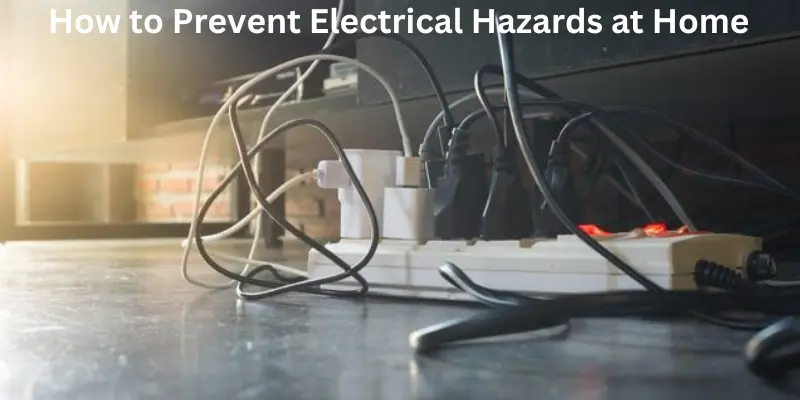
Overloading an electrical outlet can create excessive heat and increase the risk of electrical failure or fire. A common mistake is connecting several appliances to one outlet simply because a power strip or extension cord provides additional sockets.
The number of available sockets does not automatically mean that the circuit can safely handle every connected appliance. High-power appliances can place significant demand on an electrical circuit.
Avoid plugging multiple high-wattage appliances into the same outlet or power strip. Pay particular attention to equipment such as space heaters, electric kettles, irons, microwave ovens, air conditioners, and other appliances that require substantial electrical power.
A safer approach: Know the electrical requirements of the equipment you use and avoid exceeding the capacity of the outlet, power strip, extension cord, or circuit.
If an outlet frequently becomes warm, smells unusual, shows discoloration, or appears damaged, stop using it and arrange for professional assessment.
Preventing overloaded outlets is one of the most practical home electrical safety tips for preventing electrical fires.
3. Use Extension Cords Only for Appropriate Situations
Extension cords are useful when temporary additional reach is needed, but they should not become a substitute for properly installed household wiring.
Choose an extension cord that is appropriate for the equipment being used. Its electrical rating should be suitable for the load. Inspect the cord before use and do not use one with damaged insulation, loose connections, or other defects.
Avoid connecting one extension cord to another unless the equipment is specifically designed and rated for such use. Do not create complicated chains of extension cords or power strips.
Extension cords should also be kept away from water, excessive heat, sharp edges, and locations where they can become a tripping hazard.
For permanent electrical needs: If an area repeatedly requires an extension cord, consider having a qualified electrician assess whether an additional properly installed outlet is appropriate.
This approach is safer than making a temporary solution a permanent part of the home’s electrical system.
4. Keep Electrical Equipment Away From Water
Water and electricity create a particularly dangerous combination. Kitchens, bathrooms, laundry areas, garages, outdoor spaces, and other damp locations require additional care.
Keep electrical appliances and cords away from sinks, bathtubs, showers, wet floors, and other sources of moisture. Do not operate electrical equipment with wet hands unless the equipment is specifically designed for the conditions in which it is being used.
If an electrical appliance falls into water, do not reach into the water to retrieve it while it remains connected to power. Disconnect the electricity safely first when possible, or obtain professional assistance if doing so would create additional danger.
For wet locations: Appropriate ground-fault protection and properly installed electrical equipment can provide an additional layer of protection. The exact protective device and installation requirements depend on the electrical system and applicable local codes.
Never assume that an ordinary household outlet is automatically safe simply because it has been installed near a sink or other wet area.
5. Do Not Ignore Hot, Discolored, or Damaged Outlets
An electrical outlet should not normally become unusually hot during ordinary use. Heat, discoloration, melting, scorch marks, loose fittings, buzzing, or unusual smells can indicate an electrical problem.
A homeowner should not simply continue using an outlet because it still appears to provide power.
Warning signs that deserve attention include:
- Warm or hot outlet covers
- Brown or black discoloration
- Melted plastic
- Cracked outlet plates
- Loose receptacles
- Burning smells
- Buzzing or crackling sounds
- Sparks during normal use
- Repeated electrical interruptions
If you notice these conditions, discontinue use of the affected outlet and seek qualified electrical assistance.
Knowing how to prevent electrical hazards at home includes recognizing when an ordinary-looking electrical component may no longer be operating safely.
6. Use Household Appliances According to Their Instructions
Every electrical appliance has operating requirements that should be followed. Manufacturer instructions commonly provide information about appropriate use, ventilation, cleaning, electrical ratings, and environmental conditions.
Do not use an appliance for a purpose for which it was not designed. Avoid operating damaged equipment simply because it appears to work.
Portable heaters, irons, cooking equipment, hair dryers, power tools, and other appliances can become hazardous when used incorrectly or left in unsafe conditions.
Keep ventilation openings clear where the appliance requires airflow. Do not cover equipment that produces heat unless the manufacturer specifically permits it.
Before using an unfamiliar appliance: Read the operating instructions and identify any electrical, temperature, moisture, or installation limitations.
Following manufacturer instructions is a basic but effective electrical safety precaution for homeowners.
7. Keep Flammable Materials Away From Electrical Equipment
Electrical equipment that produces heat should be kept away from materials that can easily ignite. Curtains, paper, clothing, bedding, cardboard, cleaning materials, and other combustible items should not be placed directly against heating appliances or equipment that becomes hot during operation.
Pay particular attention to portable heaters, lamps, cooking appliances, irons, and other heat-producing devices.
Do not cover ventilation openings or place objects on equipment unless it is specifically designed for that purpose.
A practical prevention rule: Maintain adequate clearance around heat-producing electrical appliances and follow the manufacturer’s required operating conditions.
Electrical fire prevention is not limited to the wiring itself. The surrounding environment can also determine whether an overheating appliance becomes a serious fire hazard.
8. Keep Children Away From Electrical Equipment
Children may not understand the dangers associated with electricity. Accessible outlets, loose cords, chargers, electrical appliances, and damaged equipment can create unnecessary risks.
Keep electrical equipment that is not intended for children out of reach. Manage cords so they do not become accessible play objects. Store electrical devices and accessories appropriately when they are not being used.
Child-resistant outlet protection may be appropriate in certain situations, particularly where outlets are easily accessible to young children. The correct type of protection should be selected and installed appropriately.
Teach basic electrical safety: Children should understand that electrical outlets, plugs, cords, and appliances are not toys.
Parents and caregivers should also avoid allowing children to handle electrical equipment without appropriate supervision.
Creating a safer environment is one of the most important ways to prevent electrical accidents at home.
9. Keep Electrical Panels and Circuit Breakers Accessible
The electrical panel is an important part of the home’s electrical system. Homeowners should keep the area around the panel clear so that it can be accessed when necessary.
Do not use the electrical panel as storage space, cover it with objects, or block access to it with furniture or other materials.
Homeowners should know where the main electrical panel is located and understand basic information about the circuit breakers. However, understanding the panel does not mean attempting electrical repairs inside it.
Important distinction: Resetting a tripped breaker according to safe operating instructions is different from repeatedly resetting a breaker without investigating why it trips.
If a breaker repeatedly trips, there may be an underlying problem involving the circuit, appliance, wiring, or electrical load. Repeatedly restoring power without addressing the cause is not a reliable prevention strategy.
10. Do Not Perform Unsafe DIY Electrical Repairs
Home improvement projects can involve electrical components, but electrical work is not an appropriate do-it-yourself task for everyone.
Replacing a light bulb or performing another simple user-level task according to the manufacturer’s instructions is different from modifying wiring, installing circuits, repairing damaged conductors, or changing electrical protection.
Incorrect electrical work can create hidden hazards that may not become apparent immediately.
Avoid attempting electrical work when you do not have the required competence, tools, knowledge, or authorization.
Electrical installation and repair should be performed by a qualified professional when the task requires specialized electrical knowledge.
Never assume that switching off a wall switch makes electrical wiring safe to touch. Appropriate isolation and verification procedures are required for electrical work.
This is an important part of how to prevent electrical hazards at home because unsafe repairs can introduce risks that were not present before the work began.
11. Protect Electrical Cords From Physical Damage
Electrical cords can be damaged by more than sharp objects. Repeated bending, crushing, pulling, twisting, heat, pets, doors, furniture, and foot traffic can gradually weaken insulation.
Avoid running cords through doorways where they can be pinched. Do not place heavy furniture on top of them. Keep cords away from hot surfaces and areas where they can be repeatedly stepped on.
Do not use nails, staples, or similar objects in a way that can penetrate or damage an electrical cord.
Organize cords safely: Use appropriate cable-management methods that do not compress, cut, overheat, or otherwise damage the cord.
Pay particular attention to cords used outdoors or in garages because these environments can expose electrical equipment to additional physical and environmental stresses.
12. Use Electrical Equipment Safely Outdoors
Outdoor electrical use requires additional attention because equipment can be exposed to moisture, rain, sunlight, dirt, mechanical damage, and changing environmental conditions.
Use electrical products that are designed and rated for outdoor conditions when outdoor use is necessary. Follow manufacturer instructions regarding extension cords, outlets, lighting, power tools, and other equipment.
Do not use indoor-rated electrical equipment outdoors simply because it appears functional.
Before outdoor use: Inspect cords, plugs, connections, and equipment for damage and confirm that the equipment is suitable for the environment.
Keep connections away from standing water and protect them according to the equipment manufacturer’s requirements. Outdoor electrical installations should comply with applicable electrical codes and be professionally installed where required.
13. Pay Attention to Flickering Lights and Repeated Breaker Trips
Electrical problems do not always produce visible sparks or smoke. Changes in normal electrical behavior can provide an early warning that something needs attention.
Flickering or dimming lights, unexplained power interruptions, buzzing sounds, unusual odors, repeated breaker trips, and outlets that become hot should not be ignored.
These symptoms can have different causes, and homeowners should avoid diagnosing complex electrical faults based solely on internet advice.
The safe response: If an electrical problem is recurring or unexplained, stop using the affected equipment when appropriate and arrange for evaluation by a qualified electrician.
This is more effective than repeatedly resetting breakers, replacing fuses without understanding the cause, or continuing to use equipment that behaves abnormally.
Early attention can help prevent a minor electrical problem from developing into a more serious safety issue.
14. Use Ground-Fault and Other Electrical Protection Appropriately
Electrical protective devices are designed to reduce risks under specific conditions. Depending on the electrical installation and applicable standards, a home may use devices such as circuit breakers, ground-fault protection, residual-current protection, or arc-fault protection.
These devices serve different purposes, and homeowners should not assume that one type provides every form of protection.
Ground-fault protection is particularly important in situations where electrical equipment may come into contact with water or where the risk of current flowing through an unintended path is increased.
Test protective devices according to the manufacturer’s instructions and applicable requirements. If a protective device does not operate correctly, do not bypass it or replace it with an inappropriate device.
Never disable electrical safety equipment simply because it trips frequently. Frequent operation may indicate that an underlying electrical problem needs professional attention.
Proper protection is an important component of a comprehensive home electrical safety plan.
15. Know When to Call a Qualified Electrician
One of the most effective electrical hazard prevention strategies is knowing the limits of what a homeowner should handle personally.
Professional assistance should be considered when you encounter serious or unexplained electrical problems, damaged wiring, repeated breaker trips, burning smells, persistent flickering, hot outlets, sparks, electrical shocks, significant installation changes, or other conditions that require technical assessment.
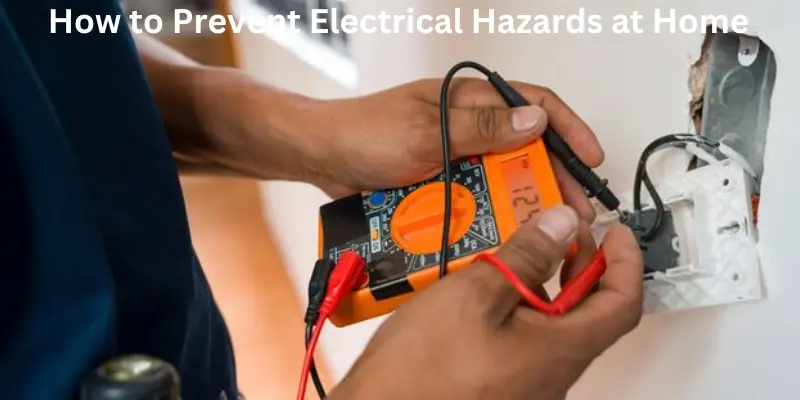
A qualified electrician can inspect electrical components, identify faults, perform appropriate testing, and recommend corrective measures.
Do not attempt to investigate dangerous electrical faults by touching exposed conductors or opening electrical equipment without the required training and procedures.
If there is smoke, fire, or an immediate electrical emergency, prioritize personal safety, leave the affected area when necessary, and contact the appropriate emergency service. Electrical equipment should not be approached if doing so could expose you to live electricity.
Professional assistance is particularly important for older properties, major renovations, unexplained electrical problems, and electrical installations that have been modified over time.
What Should You Check Regularly to Prevent Electrical Hazards at Home?
Homeowners can incorporate simple visual checks into their regular home-safety routine. These checks are not a substitute for professional electrical testing, but they can help identify obvious problems before they become more serious.
Look at cords and plugs for visible damage. Check outlets for discoloration, looseness, unusual warmth, or damage. Pay attention to unusual smells, buzzing, crackling, sparks, flickering lights, and repeatedly tripping breakers.
Review how extension cords and power strips are being used. Make sure they are not overloaded, damaged, trapped under furniture, or being used as permanent substitutes for electrical installation.
Check that electrical equipment is being used according to its instructions and that heat-producing appliances have adequate clearance from combustible materials.
A homeowner’s routine should focus on observation and safe use, not electrical repair.
If something appears unsafe, discontinue use and obtain appropriate professional assistance rather than experimenting with repairs.
Electrical Safety Mistakes Homeowners Should Avoid
Many electrical incidents can be associated with everyday practices that seem convenient but increase risk.
Avoid using damaged cords because an appliance still works. Do not overload an outlet simply because a power strip has multiple sockets. Do not connect extension cords indefinitely to reach distant equipment.
Avoid using electrical appliances with wet hands or around water when they are not designed for such conditions. Do not ignore burning smells, hot outlets, buzzing, flickering, or repeated breaker trips.
Never use makeshift electrical repairs as a permanent solution. Do not bypass protective devices or repeatedly reset a circuit breaker without investigating the underlying problem.
The safest approach is to correct unsafe conditions rather than becoming accustomed to them.
A home may operate normally for months while a deteriorating cord, overloaded circuit, damaged outlet, or faulty appliance gradually increases risk.
When Is a Home Electrical Safety Inspection Necessary?
Regular homeowner awareness is valuable, but visual checks cannot evaluate every part of an electrical installation. A professional electrical inspection involves assessment and testing that may go beyond what a homeowner can safely perform.
An inspection may be especially appropriate when a property is older, electrical problems are recurring, major renovations are planned, the electrical system has been modified, or there are signs of deterioration or unusual operation.
The exact inspection requirements and recommended frequency can vary according to the age and condition of the property, local electrical regulations, the type of installation, and the circumstances of the homeowner.
Homeowner checks and professional electrical inspections are not the same thing. A homeowner can look for obvious warning signs and practice safe electrical habits, while a qualified professional can perform technical assessment and testing.
For a detailed inspection-focused guide, see electrical home safety inspection.
Electrical Hazard Prevention Checklist for Homeowners
Use this checklist as a simple reminder of everyday electrical safety practices:
- Inspect electrical cords and plugs for visible damage.
- Replace or properly repair damaged electrical equipment.
- Avoid overloading outlets and power strips.
- Use extension cords only for appropriate applications.
- Keep electrical equipment away from water and moisture.
- Watch for hot, discolored, loose, or damaged outlets.
- Follow manufacturer instructions for electrical appliances.
- Keep heat-producing appliances away from combustible materials.
- Keep children away from unsafe electrical equipment.
- Keep the electrical panel accessible.
- Avoid unsafe DIY electrical repairs.
- Protect cords from crushing, cutting, heat, and excessive bending.
- Use outdoor-rated electrical equipment when required.
- Do not ignore flickering lights or repeated breaker trips.
- Seek qualified electrical assistance when serious warning signs appear.
Frequently Asked Questions About Preventing Electrical Hazards at Home
What is the best way to prevent electrical hazards at home?
The best approach is to combine safe electrical habits, regular visual checks, appropriate appliance use, protection against overloads and moisture, proper cord management, and timely professional assistance. Homeowners should also avoid unsafe electrical repairs and never ignore warning signs such as burning smells, hot outlets, sparks, buzzing, or repeated circuit-breaker trips.
How can I prevent electrical fires in my home?
Avoid overloaded outlets, damaged cords, unsafe extension-cord use, and improper appliance operation. Keep combustible materials away from heat-producing electrical equipment and address abnormal electrical conditions promptly. If an outlet, appliance, cord, or circuit shows signs of overheating or damage, discontinue use and seek qualified assistance.
How do I know if an electrical outlet is unsafe?
Warning signs include unusual warmth, discoloration, cracks, looseness, burning smells, buzzing, crackling, sparks, or visible damage. An outlet displaying these symptoms should not simply continue to be used because it still supplies electricity. Have the problem evaluated by a qualified electrician.
Are extension cords safe to use at home?
Extension cords can be safe when they are undamaged, correctly rated, and used for appropriate temporary applications. They should not be overloaded, damaged, placed under heavy objects, exposed to unsuitable environmental conditions, or used as permanent substitutes for properly installed wiring.
Should homeowners repair electrical wiring themselves?
Electrical wiring repairs and modifications can involve serious risks and should be performed by a qualified professional when specialized electrical knowledge and procedures are required. Improper repairs can create shock, fire, and equipment hazards even when the finished installation appears to work normally.
How often should I inspect my home’s electrical system?
There is no single interval that applies to every property. The appropriate timing depends on factors such as the age and condition of the installation, previous modifications, electrical problems, local requirements, and the type of property. Homeowners can perform regular visual checks, while professional electrical inspections should be arranged when appropriate.
Final Thoughts on How to Prevent Electrical Hazards at Home
Knowing how to prevent electrical hazards at home is largely about developing safe habits and responding to problems before they become emergencies. Damaged cords should not be ignored, outlets should not be overloaded, electrical equipment should be kept away from unsuitable conditions, and warning signs should receive prompt attention.
Homeowners can take many practical steps to reduce electrical risks, but prevention also means recognizing when a problem is beyond a routine safety check. Electrical repairs, installation changes, testing, and serious faults should be handled by appropriately qualified professionals.
A safer home is not created by one precaution. It comes from consistently using electrical equipment correctly, maintaining the surrounding environment, recognizing abnormal conditions, and taking action when something does not appear safe.
Please Write Your Comments