Home Safety Rules: The Complete Guide to Keeping Your Family Safe (2026)
Updated: 15-Jul-2026
111
Home is where people expect to feel secure, comfortable, and protected. Despite that expectation, thousands of preventable accidents occur inside homes every year because of overlooked hazards, unsafe habits, or inadequate preparation. Following proper Home Safety Rules can significantly reduce the risk of injuries, fires, falls, electrical accidents, poisoning, and other emergencies. Explore the article Home Safety Hotline for more information regarding home safety
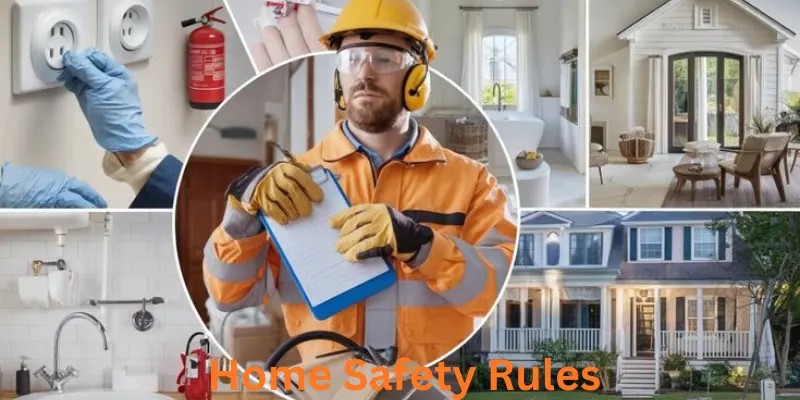
Every member of the family plays a role in maintaining a safe home. Parents need to protect children from everyday hazards, adults should identify and eliminate risks before accidents happen, and older family members often require additional safety measures to prevent falls and injuries. A proactive approach creates a healthier living environment while protecting valuable property.
This comprehensive guide explains the most effective Home Safety Rules for every room in the house. It also covers fire prevention, electrical safety, childproofing, emergency planning, seasonal precautions, and practical maintenance tips that help families stay safe throughout the year. The article Leaf Home Safety Solutions provides much knowledge regarding home safety.
Why Home Safety Rules Matter
Many household accidents happen within seconds but can have lifelong consequences. Slips on wet floors, electrical shocks, unattended cooking, carbon monoxide exposure, and unsecured furniture are common causes of injuries that can often be prevented through simple precautions.
Following established Home Safety Rules provides several important benefits:
- Reduces accidents and injuries
- Protects children and elderly family members
- Prevents house fires
- Minimizes electrical hazards
- Reduces financial losses from property damage
- Improves emergency preparedness
- Creates a healthier living environment
A safe home is not created through one-time improvements. It requires continuous awareness, routine inspections, and responsible habits from everyone living in the house.
Understanding Household Safety Risks
Before implementing safety measures, homeowners should understand the most common hazards found in residential properties.
Common household risks include:
- Fire hazards
- Electrical hazards
- Slip and fall hazards
- Poisoning risks
- Sharp objects
- Choking hazards
- Water-related accidents
- Gas leaks
- Carbon monoxide exposure
- Structural hazards
Identifying these risks early allows homeowners to correct problems before they become emergencies.
Create a Home Safety Checklist
One of the most effective Home Safety Rules is performing routine home inspections using a comprehensive safety checklist.
Inspect every area of your home, including:
- Living room
- Kitchen
- Bedrooms
- Bathrooms
- Garage
- Basement
- Balcony
- Staircases
- Outdoor pathways
- Garden
- Storage rooms
Review each location monthly and immediately repair or remove any hazards.
General Home Safety Rules Everyone Should Follow
Every household should establish basic safety habits that become part of daily life.
Keep Floors Clean and Dry
Wet floors remain one of the leading causes of household falls. Immediately clean spills and use non-slip mats in moisture-prone areas such as kitchens, bathrooms, and entrances.
Avoid leaving toys, electrical cords, shoes, or bags on walkways where someone could trip.
Maintain Proper Lighting
Poor visibility increases the chance of accidents.
Install bright lighting in:
- Hallways
- Staircases
- Entryways
- Garages
- Outdoor paths
Replace burned-out bulbs promptly.
Motion-sensor lighting also improves nighttime safety.
Store Dangerous Items Properly
Cleaning chemicals, pesticides, paints, medications, and sharp tools should never be left within reach of children.
Use:
- Locked cabinets
- Original containers
- Child-resistant packaging
- Clearly labeled storage
Never transfer chemicals into beverage bottles.
Install Smoke Alarms
Smoke alarms are among the most effective life-saving devices.
Install alarms:
- Inside every bedroom
- Outside sleeping areas
- On every floor
- Near staircases
Test alarms monthly and replace batteries at least once each year unless using sealed long-life batteries.
Keep Fire Extinguishers Accessible
Every home should have multipurpose fire extinguishers located in:
- Kitchen
- Garage
- Workshop
- Utility room
Ensure family members know how to use them correctly.
Develop an Emergency Escape Plan
Families should prepare for emergencies before they happen.
Practice evacuation routes several times each year.
Everyone should know:
- Primary exits
- Secondary exits
- Outdoor meeting point
- Emergency contact numbers
Children should understand how to call emergency services.
Secure Heavy Furniture
Large furniture can tip over during climbing or earthquakes.
Anchor:
- Bookshelves
- Cabinets
- Dressers
- Televisions
- Entertainment units
Furniture anchors significantly reduce injury risks.
Keep Emergency Supplies Ready
Every household should maintain an emergency kit containing:
- Flashlights
- Extra batteries
- First aid kit
- Drinking water
- Non-perishable food
- Battery-powered radio
- Power banks
- Emergency blankets
- Prescription medications
Store supplies where everyone can access them easily.
Practice Safe Electrical Habits
Electrical accidents are among the most serious household hazards.
Important Home Safety Rules include:
- Never overload outlets.
- Replace damaged cords immediately.
- Keep electrical appliances away from water.
- Unplug unused appliances when practical.
- Use surge protectors for sensitive electronics.
- Hire licensed electricians for major repairs.
Children should never insert objects into electrical outlets.
Keep Stairways Safe
Falls on stairs frequently cause severe injuries.
Improve staircase safety by:
- Installing sturdy handrails
- Keeping steps clutter-free
- Repairing loose carpeting
- Using anti-slip strips
- Providing adequate lighting
Avoid carrying oversized loads that block your view.
Maintain Indoor Air Quality
Clean indoor air contributes to better health.
Improve air quality by:
- Changing HVAC filters regularly
- Cleaning air vents
- Reducing dust buildup
- Maintaining proper ventilation
- Using exhaust fans
- Checking for mold growth
Install carbon monoxide detectors wherever fuel-burning appliances are present.
Kitchen Home Safety Rules
The kitchen experiences more household accidents than almost any other room because it contains heat, electricity, sharp tools, and chemicals.
Following proper Home Safety Rules in the kitchen helps prevent fires, burns, cuts, and food-related illnesses.
Never Leave Cooking Unattended
Unattended cooking remains one of the leading causes of residential fires.
Stay in the kitchen while frying, grilling, or boiling food. If you must leave, turn off the stove whenever possible.
Keep children away from hot cookware and oven doors.
Turn Pot Handles Inward
Pan handles extending beyond the stove edge can easily be bumped or pulled by children.
Always turn handles toward the center of the stove.
This simple habit greatly reduces burn injuries.
Store Knives Safely
Kitchen knives should be stored:
- In knife blocks
- On magnetic strips
- Inside locked drawers
Never leave sharp knives inside sinks where they cannot be seen.
Keep Flammable Materials Away from Heat
Maintain a safe distance between heat sources and:
- Kitchen towels
- Paper products
- Plastic containers
- Curtains
- Wooden utensils
Grease fires spread rapidly when combustible materials are nearby.
Use Appliances Correctly
Inspect small appliances regularly for damaged cords or loose plugs.
Avoid using appliances with wet hands.
Disconnect appliances before cleaning.
Practice Safe Food Storage
Proper food handling prevents foodborne illnesses.
Remember to:
- Refrigerate perishable foods promptly.
- Separate raw meat from ready-to-eat foods.
- Cook foods to safe temperatures.
- Clean countertops after food preparation.
- Wash hands frequently.
Keep a Fire Blanket Nearby
A fire blanket provides an additional method for controlling small cooking fires safely without using water on grease fires.
Bathroom Home Safety Rules
Bathrooms are among the most accident-prone areas in any home because of water, slippery surfaces, electrical appliances, and limited space. Following proper Home Safety Rules in the bathroom helps reduce falls, burns, and electrical accidents.
Prevent Slips and Falls
Wet floors are responsible for many household injuries. Place non-slip mats inside and outside the shower or bathtub. Clean up water immediately after bathing and avoid leaving soap or shampoo on the floor.
Install grab bars near the toilet and inside the shower, especially if older adults or individuals with mobility challenges live in the home.
Set a Safe Water Temperature
Water heaters should be set to approximately 120°F (49°C). Higher temperatures increase the risk of serious burns, particularly for young children and older adults with sensitive skin.
Test bathwater before allowing children to enter the tub.
Keep Electrical Appliances Away from Water
Hair dryers, curling irons, electric razors, and other appliances should never be used near water. Store them in dry cabinets after unplugging them.
Install Ground Fault Circuit Interrupter (GFCI) outlets in bathrooms to reduce the risk of electrical shock.
Store Medicines Safely
Prescription medicines, vitamins, and personal care products should remain in locked cabinets that children cannot reach.
Dispose of expired medications according to local disposal guidelines rather than keeping unnecessary medicines at home.
Maintain Bathroom Hygiene
Regular cleaning prevents mold, mildew, and bacterial growth. Ensure the exhaust fan operates properly to remove excess moisture after showers.
Good ventilation also protects walls and ceilings from long-term water damage.
Bedroom Home Safety Rules
Bedrooms should provide comfort while remaining free from hazards that could cause injuries or interfere with emergency evacuations.
Keep Escape Routes Clear
Doors and windows should remain easy to open during emergencies.
Avoid placing furniture or storage boxes where they block exits.
Everyone should know the quickest escape route from each bedroom.
Avoid Overloading Electrical Outlets
Bedrooms often contain multiple electronic devices.
Use quality surge protectors instead of plugging several extension cords into one outlet.
Inspect charging cables regularly for damage.
Use Safe Heating Equipment
Portable heaters should remain at least three feet away from bedding, curtains, clothing, and furniture.
Turn heaters off before leaving the room or going to sleep.
Choose Fire-Resistant Bedding
Modern mattresses and bedding products often include fire-resistant materials that provide additional protection during emergencies.
Replace damaged electric blankets immediately.
Install Smoke Alarms Near Sleeping Areas
Smoke alarms should be installed inside every bedroom and outside sleeping areas.
Test alarms every month and replace batteries when needed.
Living Room Home Safety Rules
Living rooms are gathering spaces where both adults and children spend significant time.
Anchor Heavy Furniture
Televisions, bookshelves, cabinets, and display units should be secured to walls using approved anchors.
Children often attempt to climb furniture, increasing the risk of tip-over accidents.
Organize Electrical Cables
Loose extension cords across walking paths create trip hazards.
Bundle cords neatly using cable organizers and avoid placing them beneath carpets where overheating may occur.
Keep Decorations Safe
Decorative candles should remain away from curtains, paper decorations, and upholstered furniture.
Battery-operated candles offer a safer alternative for decorative lighting.
Choose Child-Friendly Furniture
Furniture with rounded corners helps reduce injuries during falls.
Glass tables should use tempered safety glass whenever possible.
Maintain Adequate Lighting
Living rooms should have sufficient lighting for reading, walking, and entertaining guests.
Dark corners may conceal trip hazards.
Kitchen Fire Prevention Rules
Cooking-related fires remain one of the leading causes of residential fire emergencies.
Following these Home Safety Rules can significantly reduce fire risks.
Never Leave Oil Heating Unattended
Cooking oil can ignite quickly when overheated.
Remain nearby while frying and monitor food continuously.
Keep a Lid Nearby
If a small grease fire occurs, carefully cover the pan with a metal lid to cut off oxygen.
Never pour water onto burning oil.
Clean Grease Build-Up
Grease accumulation inside range hoods, ovens, and stovetops increases fire hazards.
Clean these surfaces regularly using appropriate cleaning products.
Know How to Shut Off Gas Supplies
Homeowners should understand how to turn off gas valves safely if a leak or emergency occurs.
If you smell gas, avoid using electrical switches and leave the building immediately before contacting emergency services.
Electrical Home Safety Rules
Electrical systems require regular attention because damaged wiring can cause fires and severe injuries.
Inspect Electrical Wiring
Watch for warning signs such as:
- Flickering lights
- Burning smells
- Warm outlets
- Frequently tripped circuit breakers
- Sparking outlets
- Buzzing sounds
These issues should be evaluated by a qualified electrician.
Replace Damaged Power Cords
Frayed insulation exposes live wires.
Replace damaged cords instead of repairing them with tape.
Avoid Daisy-Chaining Extension Cords
Connecting multiple extension cords together increases overheating risks.
Install additional wall outlets if more power is needed.
Protect Children with Outlet Covers
Safety outlet covers prevent children from inserting fingers or objects into electrical sockets.
This inexpensive safety measure greatly reduces shock hazards.
Disconnect Appliances Before Maintenance
Always unplug appliances before cleaning or repairing them.
Never pull cords to disconnect plugs from outlets.
Fire Safety Rules Every Family Should Know
Fire prevention begins with awareness and preparation.
Install Smoke and Carbon Monoxide Detectors
Carbon monoxide is invisible and odorless.
Install detectors near sleeping areas and test them regularly.
Replace detectors according to the manufacturer’s recommended schedule.
Practice Fire Escape Drills
Every family member should know:
- Two exits from each room
- Outdoor meeting location
- Emergency phone numbers
- How to stay low during smoke-filled conditions
Practice escape drills at least twice a year.
Keep Matches and Lighters Away from Children
Store ignition sources in locked cabinets.
Teach children that matches and lighters are tools, not toys.
Inspect Fire Extinguishers
Check pressure gauges monthly and replace extinguishers that are damaged or expired.
Learn the PASS method:
- Pull the pin
- Aim at the base of the fire
- Squeeze the handle
- Sweep from side to side
Child Home Safety Rules
Young children explore their surroundings without recognizing danger.
Parents should implement additional Home Safety Rules designed specifically for child protection.
Install Safety Gates
Place gates at both the top and bottom of staircases.
Choose hardware-mounted gates for maximum security.
Cover Sharp Furniture Corners
Corner protectors reduce injuries caused by falls.
Inspect them regularly to ensure they remain securely attached.
Lock Cleaning Supplies
Household cleaners should remain inside locked cabinets.
Never leave chemical containers unattended during cleaning.
Secure Window Blind Cords
Long cords present strangulation hazards.
Use cordless blinds or secure cords well out of children’s reach.
Keep Small Objects Off the Floor
Coins, batteries, buttons, magnets, and small toys can become choking hazards.
Inspect floors daily, especially if infants or toddlers live in the home.
Secure Swimming Pools
Install four-sided fencing with self-closing, self-latching gates.
Children should never access pools without adult supervision.
Elderly Home Safety Rules
Older adults face increased risks from falls, medication errors, and limited mobility.
Creating a safer environment improves independence and quality of life.
Improve Walking Surfaces
Remove loose rugs and repair uneven flooring.
Keep frequently used items within easy reach to reduce unnecessary climbing.
Install Handrails
Strong handrails should be installed:
- Along staircases
- In bathrooms
- Near entrances
- Along ramps
Increase Lighting
Aging eyes require brighter lighting.
Install nightlights in bedrooms, hallways, and bathrooms to improve visibility after dark.
Review Medication Storage
Store medications in clearly labeled containers.
Use medication organizers to reduce dosing mistakes.
Outdoor Home Safety Rules
Home safety extends beyond the front door.
Outdoor areas should receive regular inspections to identify hazards before they lead to injuries.
Maintain Walkways
Repair cracked sidewalks, uneven pavers, and damaged steps.
Clear leaves, snow, algae, and debris that create slippery surfaces.
Trim Trees and Branches
Dead branches can fall during storms and damage property or injure people.
Regular tree maintenance also protects power lines.
Secure Outdoor Lighting
Install weather-resistant lighting around:
- Driveways
- Entry doors
- Pathways
- Garages
- Backyards
Motion-activated lighting improves visibility while discouraging unauthorized access.
Store Garden Tools Properly
Lawn equipment, shovels, pruning tools, and ladders should be stored in locked sheds or garages after use.
Sharp tools left outdoors create unnecessary injury risks.
Emergency Preparedness Home Safety Rules
Every household should be prepared for unexpected emergencies. Whether the situation involves a fire, severe weather, a power outage, or a medical emergency, having a plan can help protect lives and reduce panic.
Prepare an Emergency Kit
One of the most important Home Safety Rules is keeping a well-stocked emergency kit in an easily accessible location.
A basic emergency kit should include:
- First aid supplies
- Flashlights
- Extra batteries
- Bottled drinking water
- Non-perishable food for at least three days
- Battery-powered or hand-crank radio
- Mobile phone power banks
- Prescription medications
- Multi-purpose tool
- Emergency blankets
- Personal hygiene items
- Copies of important documents in a waterproof bag
Inspect the kit every six months and replace expired food, batteries, and medications.
Create an Emergency Contact List
Every family member should know whom to contact during an emergency.
Keep printed copies of important phone numbers, including:
- Local emergency services
- Fire department
- Police
- Poison control center
- Family physician
- Nearby relatives
- Trusted neighbors
Store one copy near the main entrance and another inside your emergency kit.
Teach Every Family Member Basic First Aid
Learning basic first aid allows family members to respond quickly before professional medical help arrives.
Useful skills include:
- Treating minor burns
- Controlling bleeding
- Performing CPR
- Responding to choking incidents
- Managing fractures and sprains
- Recognizing signs of stroke and heart attack
Regular first aid training builds confidence and improves emergency response.
Seasonal Home Safety Rules
Different seasons introduce unique hazards that require specific precautions.
Summer Home Safety Rules
Hot weather increases the risk of heat-related illnesses and electrical overloads.
During summer:
- Stay hydrated.
- Inspect air conditioning systems.
- Store flammable liquids away from direct sunlight.
- Use outdoor grills away from buildings.
- Supervise children around swimming pools.
- Avoid overloading electrical outlets with cooling equipment.
Monsoon and Rainy Season Safety
Heavy rainfall creates slipping hazards and increases electrical risks.
Follow these Home Safety Rules during wet weather:
- Repair roof leaks promptly.
- Keep gutters clean.
- Inspect drainage systems.
- Avoid touching electrical equipment with wet hands.
- Use waterproof outdoor electrical fittings.
- Remove standing water around the home to discourage mosquitoes.
Winter Home Safety Rules
Cold weather presents additional safety challenges.
During winter:
- Service heating systems before the season begins.
- Keep portable heaters away from combustible materials.
- Test smoke and carbon monoxide detectors.
- Insulate exposed water pipes.
- Remove snow or ice from walkways where applicable.
- Wear slip-resistant footwear on wet surfaces.
Natural Disaster Preparedness
Families living in disaster-prone areas should prepare for local risks.
Earthquake Safety
Secure heavy furniture, televisions, mirrors, and bookshelves to walls.
Identify safe shelter areas inside the home, such as beneath sturdy tables or against interior walls away from windows.
After an earthquake, inspect the home for structural damage, gas leaks, and electrical hazards before re-entering.
Flood Safety
Move valuable items and important documents to higher shelves.
Know evacuation routes and avoid walking or driving through floodwaters.
Disconnect electricity if flooding threatens the home and it is safe to do so.
Storm Safety
Trim weak tree branches before storm season.
Secure outdoor furniture, garden equipment, and loose objects that could become airborne in high winds.
Stay indoors until authorities declare conditions safe.
Home Security Safety Rules
Safety includes protecting the home against unauthorized entry.
Lock Doors and Windows
Always lock exterior doors and accessible windows before leaving home or going to bed.
Replace damaged locks immediately.
Install Outdoor Lighting
Well-lit entrances discourage criminal activity and improve visibility for residents.
Motion-sensor lights provide added security while conserving energy.
Use Smart Home Security Devices
Modern technology offers additional protection through:
- Video doorbells
- Security cameras
- Smart locks
- Motion detectors
- Window sensors
- Alarm systems
These devices allow homeowners to monitor their property even while away.
Protect Personal Information
Avoid displaying sensitive information where visitors can easily view it.
Shred financial documents before disposal and secure Wi-Fi networks with strong passwords.
Home Maintenance for Long-Term Safety
Routine maintenance is one of the simplest ways to follow effective Home Safety Rules.
Create a maintenance schedule to inspect your property regularly.
Monthly tasks include:
- Testing smoke alarms
- Testing carbon monoxide detectors
- Inspecting fire extinguishers
- Checking plumbing for leaks
- Looking for pest activity
- Cleaning exhaust fans
Quarterly inspections should include:
- HVAC filter replacement
- Garage door testing
- Roof inspection
- Electrical outlet inspection
- Window and door seal checks
Annual maintenance should include:
- Professional electrical inspection
- Heating and cooling system servicing
- Chimney inspection if applicable
- Water heater maintenance
- Foundation inspection
- Tree trimming
Regular inspections help identify small issues before they become expensive repairs or serious safety hazards.
Room-by-Room Home Safety Checklist
A complete safety inspection should cover every part of the home.
Kitchen Checklist
- Smoke detector working
- Fire extinguisher accessible
- Stove clean and well maintained
- Sharp knives stored securely
- Cleaning products locked away
- Electrical cords in good condition
Bathroom Checklist
- Non-slip mats installed
- Grab bars secure
- GFCI outlets functioning
- Medicines locked
- Ventilation fan operating properly
Bedroom Checklist
- Smoke alarms tested
- Escape routes clear
- Electrical cords undamaged
- Portable heaters positioned safely
Living Room Checklist
- Furniture anchored
- Walkways clear
- Electrical cables organized
- Adequate lighting available
Garage Checklist
- Chemicals stored safely
- Fuel containers sealed
- Fire extinguisher available
- Tools stored properly
Outdoor Checklist
- Walkways even and clean
- Trees maintained
- Exterior lights working
- Gates secure
- Ladders stored safely
Completing this checklist regularly helps maintain a safe living environment throughout the year.
Common Mistakes That Reduce Home Safety
Even safety-conscious homeowners sometimes overlook everyday hazards.
Common mistakes include:
- Ignoring small electrical problems
- Blocking emergency exits
- Forgetting to test smoke alarms
- Using damaged extension cords
- Leaving candles unattended
- Storing chemicals improperly
- Overloading electrical outlets
- Failing to anchor heavy furniture
- Leaving medications within children’s reach
- Skipping routine home inspections
Correcting these issues significantly improves household safety.
Frequently Asked Questions
What are the most important Home Safety Rules?
The most important rules include installing smoke and carbon monoxide detectors, preventing slips and falls, storing hazardous materials safely, maintaining electrical systems, preparing for emergencies, and conducting regular home inspections.
How often should I inspect my home for safety hazards?
A basic inspection should be performed every month, while professional inspections for electrical systems, heating equipment, and structural components should be scheduled annually or as recommended.
Why are smoke alarms essential?
Smoke alarms provide early warning during a fire, giving occupants valuable time to evacuate safely. They should be tested monthly and maintained according to the manufacturer’s instructions.
How can I make my home safer for children?
Install safety gates, secure furniture to walls, lock medicines and chemicals, cover electrical outlets, remove choking hazards, and supervise children around water and cooking areas.
What should every emergency kit contain?
Every emergency kit should include water, food, flashlights, batteries, a first aid kit, medications, emergency blankets, communication devices, hygiene supplies, and copies of important documents.
Conclusion
Following effective Home Safety Rules is one of the best ways to protect your family, visitors, and property from preventable accidents. Simple habits such as keeping walkways clear, testing smoke alarms, storing hazardous materials securely, and maintaining electrical systems create a safer environment for everyone.
Home safety is an ongoing responsibility rather than a one-time task. Regular inspections, routine maintenance, emergency preparedness, and awareness of changing household risks help reduce injuries and improve overall well-being.
Whether you are protecting young children, supporting aging parents, or simply creating a safer place to live, consistent attention to Home Safety Rules makes a meaningful difference. By applying the recommendations in this guide, you can reduce everyday hazards, respond more effectively to emergencies, and enjoy greater peace of mind knowing your home is prepared to keep your family safe throughout the year.
Please Write Your Comments