What Are the Common Safety Hazards at Home? A Complete Guide to Identifying and Preventing Household Risks (2026)
Updated: 15-Jul-2026
116
Introduction
Every home should be a place of comfort and protection, yet hidden dangers exist in almost every room. Understanding what are the common safety hazards at home is the first step toward preventing accidents that can lead to injuries, property damage, or even loss of life. Many household incidents occur because everyday hazards go unnoticed until an emergency happens.
From slippery bathroom floors and overloaded electrical outlets to unsafe storage of cleaning chemicals and unattended cooking, residential hazards affect people of every age. Children, older adults, and pets are especially vulnerable because they may not recognize potential dangers or react quickly during emergencies.
Knowing what are the common safety hazards at home helps homeowners and renters create safer living environments through regular inspections, preventive maintenance, and safe daily habits. Simple improvements such as installing smoke alarms, securing heavy furniture, using non-slip mats, and storing hazardous materials correctly can dramatically reduce the likelihood of accidents.
This comprehensive guide explains the most common household safety hazards, why they occur, and practical ways to eliminate or minimize the risks. It also includes room-by-room safety recommendations, emergency preparedness advice, and preventive measures that support a healthier and safer home for every family.
Why Understanding Home Safety Hazards Matters
Home accidents remain one of the leading causes of preventable injuries worldwide. Many of these incidents happen during ordinary activities such as cooking, cleaning, climbing stairs, or using electrical appliances.
Recognizing what are the common safety hazards at home offers several important benefits.
- Reduces the risk of injuries and accidents
- Protects children, seniors, and pets
- Prevents house fires
- Improves emergency preparedness
- Minimizes costly property damage
- Supports healthier indoor living conditions
- Encourages proactive home maintenance
Most household hazards develop gradually. A loose stair railing, worn electrical cord, leaking gas connection, or blocked exit may seem insignificant until it contributes to a serious accident.
Developing a habit of identifying hazards before they become emergencies is one of the most effective ways to protect everyone living in the home.
Common Causes of Household Accidents
Many accidents share similar underlying causes.
Common contributing factors include:
- Poor housekeeping
- Inadequate lighting
- Wet or slippery floors
- Faulty electrical wiring
- Improper storage of hazardous materials
- Lack of safety equipment
- Unsafe cooking practices
- Neglected maintenance
- Cluttered walkways
- Lack of emergency planning
Understanding these causes makes it easier to remove hazards before injuries occur.
Slip, Trip, and Fall Hazards
Slip and fall accidents are among the most common residential injuries.
They frequently occur because of:
- Wet bathroom floors
- Recently cleaned surfaces
- Loose rugs
- Uneven flooring
- Cluttered hallways
- Electrical cords across walkways
- Poor lighting
- Broken stairs
Older adults face a higher risk of severe injuries such as hip fractures, while children may suffer head injuries during falls.
Reducing slip hazards involves:
- Using non-slip floor mats
- Cleaning spills immediately
- Removing unnecessary clutter
- Repairing damaged flooring
- Installing handrails
- Improving lighting throughout the home
These simple precautions significantly reduce everyday risks.
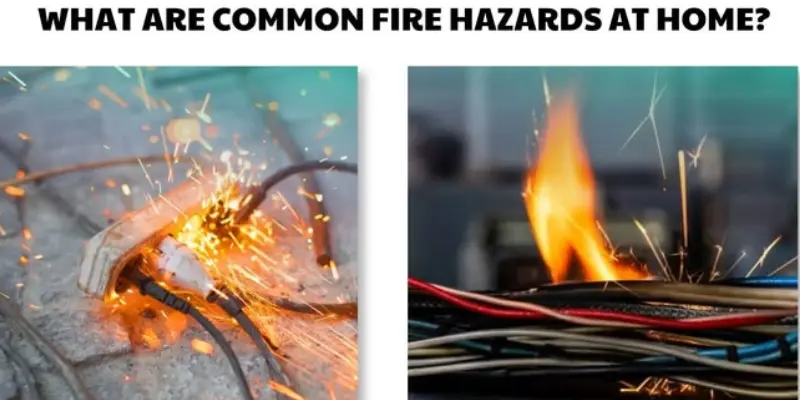
Fire Hazards Inside the Home
House fires often begin unexpectedly and spread rapidly.
Understanding what are the common safety hazards at home includes recognizing the many sources of residential fires.
Common fire hazards include:
- Unattended cooking
- Faulty electrical wiring
- Overloaded extension cords
- Candles left burning
- Portable heaters placed too close to combustible materials
- Smoking indoors
- Gas leaks
- Grease buildup in kitchens
Preventive measures include:
- Never leaving cooking unattended
- Keeping combustible materials away from heat sources
- Installing smoke alarms on every level
- Maintaining fire extinguishers
- Inspecting electrical systems regularly
- Creating a family fire escape plan
Fire prevention should remain a priority in every household.
Electrical Hazards at Home
Electricity powers modern homes but also presents significant dangers when systems are damaged or misused.
Common electrical hazards include:
- Frayed electrical cords
- Damaged outlets
- Overloaded power strips
- Improper extension cord use
- Faulty appliances
- Exposed wiring
- Water near electrical equipment
Warning signs that require immediate attention include:
- Flickering lights
- Burning odors
- Warm outlets
- Frequent breaker trips
- Sparks from switches
- Buzzing sounds
Homeowners should never attempt major electrical repairs without proper qualifications.
Hiring licensed electricians for inspections and repairs helps maintain electrical safety.
Kitchen Safety Hazards
The kitchen combines heat, electricity, sharp objects, and combustible materials, making it one of the highest-risk areas in any home.
Common kitchen hazards include:
- Hot cooking oil
- Sharp knives
- Slippery floors
- Gas leaks
- Faulty appliances
- Food contamination
- Burns from hot cookware
- Electrical appliances near water
Preventive practices include:
- Turning pot handles inward
- Storing knives safely
- Keeping children away from cooking areas
- Cleaning grease regularly
- Using appliances according to manufacturer instructions
- Refrigerating food properly
- Keeping a fire extinguisher nearby
Maintaining an organized kitchen also reduces accidents caused by clutter.
Bathroom Safety Hazards
Bathrooms contain multiple hazards because water and electricity often exist in close proximity.
Common bathroom hazards include:
- Wet floors
- Slippery bathtubs
- Hot water burns
- Electrical appliances near sinks
- Mold growth
- Poor ventilation
- Medication storage within children’s reach
Homeowners can improve bathroom safety by:
- Installing grab bars
- Using non-slip mats
- Setting water heater temperatures appropriately
- Installing GFCI outlets
- Locking medicine cabinets
- Improving ventilation
These precautions help reduce injuries, especially among seniors and young children.
Bedroom Safety Hazards
Bedrooms should provide comfort and safe emergency access.
Common hazards include:
- Blocked exits
- Overloaded electrical outlets
- Damaged extension cords
- Portable heaters placed near bedding
- Smoking materials
- Unsecured furniture
- Electric blankets in poor condition
Bedrooms should always have functioning smoke alarms and clear escape routes.
Furniture should be arranged to allow quick evacuation during emergencies.
Living Room Safety Hazards
Living rooms often serve as gathering spaces where adults, children, and visitors spend considerable time.
Potential hazards include:
- Loose electrical cords
- Glass furniture
- Unsecured televisions
- Heavy bookshelves
- Candles
- Cluttered pathways
- Poor lighting
Anchoring large furniture to walls reduces tip-over accidents.
Cable organizers also help eliminate tripping hazards.
Chemical and Poisoning Hazards
One of the most overlooked answers to what are the common safety hazards at home is the improper storage and handling of household chemicals. Cleaning products, pesticides, automotive fluids, paints, solvents, and fertilizers contain ingredients that can be harmful if swallowed, inhaled, or absorbed through the skin.
Young children are naturally curious and may mistake colorful liquids or tablets for food or drinks. Pets are also at risk of accidental poisoning if hazardous substances are left within reach.
Common poisoning hazards include:
- Household cleaning products
- Bleach and disinfectants
- Drain cleaners
- Insecticides
- Paint thinners
- Laundry detergent pods
- Antifreeze
- Garden chemicals
Reduce poisoning risks by:
- Keeping chemicals in their original containers
- Reading product labels before use
- Locking hazardous materials inside cabinets
- Never mixing cleaning products such as bleach and ammonia
- Wearing appropriate personal protective equipment (PPE)
- Disposing of unused chemicals safely
Proper labeling and storage significantly reduce accidental exposure.
Child Safety Hazards at Home
Children experience household hazards differently from adults because they explore their surroundings through touching, climbing, and tasting unfamiliar objects.
Parents who understand what are the common safety hazards at home can create a child-friendly environment that minimizes unnecessary risks.
Common child hazards include:
- Open staircases
- Uncovered electrical outlets
- Sharp furniture corners
- Accessible medicines
- Cleaning products
- Small toys and batteries
- Window blind cords
- Unsecured furniture
- Plastic bags
- Hot beverages
Childproofing measures include:
- Installing safety gates
- Using outlet covers
- Anchoring furniture to walls
- Locking medicine cabinets
- Covering sharp edges
- Securing windows
- Removing choking hazards
- Supervising children during cooking and bathing
Regular inspections are essential because children’s abilities and curiosity change as they grow.
Hazards for Older Adults
Older adults face additional challenges because of reduced balance, vision changes, slower reaction times, and chronic medical conditions.
Many falls occur inside familiar surroundings rather than outdoors.
Common hazards affecting seniors include:
- Loose rugs
- Poor lighting
- Slippery bathrooms
- Cluttered hallways
- High storage shelves
- Lack of stair handrails
- Uneven flooring
Improving safety includes:
- Installing grab bars
- Using non-slip flooring
- Adding brighter lighting
- Removing unnecessary obstacles
- Keeping commonly used items within easy reach
- Installing handrails on both sides of staircases
These improvements support independent living while reducing fall-related injuries.
Choking and Suffocation Hazards
Choking hazards affect infants, toddlers, and even adults.
Small objects can quickly block airways and require immediate emergency response.
Common choking hazards include:
- Coins
- Button batteries
- Small toys
- Marbles
- Hard candies
- Nuts
- Grapes
- Popcorn
- Balloons
To reduce risks:
- Follow age recommendations on toys.
- Cut food into smaller pieces for young children.
- Keep small objects off floors.
- Supervise children during meals.
- Learn basic choking first aid and CPR.
Button batteries deserve special attention because swallowing them can cause severe internal injuries within hours.
Carbon Monoxide Hazards
Carbon monoxide is often called the invisible killer because it cannot be seen, smelled, or tasted.
Incomplete combustion from fuel-burning appliances produces this dangerous gas.
Common carbon monoxide sources include:
- Gas furnaces
- Fireplaces
- Water heaters
- Portable generators
- Gas stoves
- Attached garages
- Wood-burning stoves
Symptoms may include:
- Headache
- Dizziness
- Weakness
- Nausea
- Confusion
- Loss of consciousness
Prevent carbon monoxide exposure by:
- Installing carbon monoxide detectors
- Servicing heating equipment annually
- Never operating generators indoors
- Keeping vents unobstructed
- Maintaining chimneys properly
Early detection saves lives.
Gas Leak Hazards
Natural gas and propane systems require regular inspection.
Possible warning signs include:
- A sulfur or rotten egg smell
- Hissing sounds
- Dead vegetation near gas lines
- Unexplained dizziness indoors
If a gas leak is suspected:
- Leave the building immediately.
- Avoid using electrical switches.
- Do not light matches or candles.
- Contact the gas utility company or emergency services from a safe location.
Routine inspections help prevent dangerous leaks.
Water-Related Hazards
Water presents several household dangers beyond slipping.
Common water hazards include:
- Bathtubs
- Swimming pools
- Decorative ponds
- Water-filled buckets
- Hot tubs
- Flooded basements
Children should never be left unattended near water, even for a few moments.
Homeowners should also inspect plumbing regularly to identify leaks that may weaken structural materials or encourage mold growth.
Indoor Air Quality Hazards
Poor indoor air quality affects both safety and long-term health.
Indoor pollutants may come from:
- Mold
- Dust mites
- Pet dander
- Tobacco smoke
- Volatile organic compounds (VOCs)
- Poor ventilation
- Combustion appliances
Improving indoor air quality includes:
- Replacing HVAC filters regularly
- Using exhaust fans
- Opening windows when weather permits
- Controlling humidity levels
- Cleaning air ducts when necessary
- Removing mold promptly
Healthy indoor air supports respiratory health for every family member.
Garage and Workshop Hazards
Garages often contain numerous hazardous materials and tools.
Common risks include:
- Power tools
- Sharp equipment
- Gasoline
- Paints
- Solvents
- Vehicle batteries
- Compressed gas cylinders
- Ladders
Safe garage practices include:
- Locking dangerous tools
- Storing fuels in approved containers
- Keeping floors clean
- Providing adequate ventilation
- Wearing appropriate PPE during repairs
- Keeping fire extinguishers nearby
Garages should never become cluttered storage areas where hazards remain hidden.
Outdoor Safety Hazards Around the Home
Understanding what are the common safety hazards at home also means examining outdoor spaces.
Common outdoor hazards include:
- Uneven sidewalks
- Broken steps
- Loose handrails
- Poor lighting
- Falling tree branches
- Slippery decks
- Garden equipment
- Exposed irrigation pipes
Reduce outdoor risks by:
- Repairing damaged walkways
- Installing outdoor lighting
- Trimming trees regularly
- Storing garden tools securely
- Cleaning moss and algae from surfaces
- Inspecting fences and gates
Well-maintained outdoor areas reduce accidents and improve overall property safety.
Home Security Hazards
Security issues can also create safety concerns.
Common home security hazards include:
- Unlocked doors
- Broken window locks
- Poor exterior lighting
- Hidden entry points
- Lack of surveillance
- Weak garage security
Improve home security by:
- Installing quality deadbolt locks
- Using smart video doorbells
- Adding motion-sensor lighting
- Locking windows before leaving home
- Securing spare keys
- Maintaining alarm systems
Good security measures help protect both occupants and property.
Pet-Related Safety Hazards
Pets bring companionship but can also contribute to household risks.
Examples include:
- Toys left on floors
- Food bowls in walkways
- Pet bites
- Scratches
- Toxic plants
- Escaping through open doors
- Pet waste creating slip hazards
Responsible pet ownership includes:
- Training pets appropriately
- Cleaning spills immediately
- Keeping walkways clear
- Storing pet food safely
- Scheduling routine veterinary care
- Supervising interactions between children and pets
Maintaining a clean and organized environment benefits both pets and family members.
Home Maintenance Hazards
Many homeowners focus on obvious dangers while overlooking maintenance issues that gradually develop into serious safety problems. Regular maintenance is essential when addressing what are the common safety hazards at home, as neglected repairs often increase the risk of accidents, fires, and structural damage.
Common maintenance hazards include:
- Leaking roofs
- Damaged stair railings
- Cracked sidewalks
- Loose floorboards
- Faulty plumbing
- Blocked gutters
- Broken windows
- Rusted handrails
- Pest infestations
- Structural cracks
Ignoring these issues can result in injuries, water damage, mold growth, and expensive repairs. Establishing a preventive maintenance schedule helps identify hazards before they become emergencies.
Seasonal Safety Hazards at Home
Household risks change throughout the year. Seasonal inspections help homeowners prepare for weather-related hazards and maintain a safe living environment.
Summer Hazards
Hot weather increases several household risks, including:
- Heat-related illnesses
- Electrical overload from air conditioners
- Outdoor cooking fires
- Dehydration
- Swimming pool accidents
- Sun exposure
Homeowners should inspect cooling equipment, keep outdoor grills away from structures, and supervise children around water.
Rainy Season Hazards
Heavy rain creates additional safety concerns such as:
- Slippery entrances
- Roof leaks
- Flooding
- Water-damaged electrical systems
- Mold growth
- Mosquito breeding
Maintain gutters, repair leaks promptly, and ensure proper drainage around the property.
Winter Hazards
Cold weather introduces hazards that include:
- Portable heater fires
- Carbon monoxide buildup
- Frozen pipes
- Slippery walkways
- Electrical overload from heating equipment
Inspect heating systems before winter and keep combustible materials away from heaters.
Emergency Preparedness Reduces Household Risks
Knowing what are the common safety hazards at home is only part of protecting your family. Every household should also prepare for emergencies before they occur.
Every home should have an emergency plan that includes:
- Emergency contact numbers
- Evacuation routes
- Outdoor meeting point
- Fire escape procedures
- Basic first aid knowledge
- Emergency supply kit
Practice emergency drills regularly so every family member understands what to do during a fire, gas leak, severe storm, or medical emergency.
Essential Emergency Kit for Every Home
An emergency kit helps families respond quickly during unexpected situations.
Recommended supplies include:
- First aid kit
- Flashlights
- Spare batteries
- Bottled water
- Non-perishable food
- Battery-powered radio
- Phone chargers or power banks
- Prescription medications
- Emergency blankets
- Multi-tool
- Personal hygiene supplies
- Important documents stored in a waterproof folder
Inspect the kit every six months and replace expired items.
How to Identify Safety Hazards During a Home Inspection
Routine inspections help uncover hidden dangers before they cause accidents.
During each inspection, examine:
- Floors for trip hazards
- Electrical outlets for damage
- Smoke and carbon monoxide detectors
- Fire extinguishers
- Kitchen appliances
- Bathroom fixtures
- Stair handrails
- Windows and doors
- Outdoor walkways
- Garage storage areas
Document any problems and schedule repairs as soon as possible.
Room-by-Room Home Safety Checklist
A systematic inspection of every room helps eliminate many common household hazards.
Kitchen Checklist
- Store knives securely.
- Keep the fire extinguisher accessible.
- Test smoke alarms.
- Clean grease from cooking surfaces.
- Check gas connections.
- Keep children away from hot appliances.
Bathroom Checklist
- Install non-slip mats.
- Secure grab bars.
- Test GFCI outlets.
- Lock medicines.
- Improve ventilation.
- Clean mold immediately.
Living Room Checklist
- Anchor televisions and bookshelves.
- Organize electrical cords.
- Remove clutter.
- Check lighting.
- Keep candles away from curtains.
Bedroom Checklist
- Test smoke alarms.
- Keep escape routes clear.
- Inspect electrical cords.
- Position portable heaters safely.
Garage Checklist
- Lock dangerous tools.
- Store fuels safely.
- Organize chemicals.
- Keep walkways clear.
- Maintain proper ventilation.
Outdoor Checklist
- Repair damaged sidewalks.
- Trim overhanging branches.
- Inspect fences and gates.
- Test outdoor lighting.
- Store gardening tools safely.
Performing these inspections monthly can significantly reduce household risks.
Best Practices to Prevent Common Safety Hazards at Home
The most effective way to reduce household accidents is by developing consistent safety habits.
Recommended best practices include:
- Inspect your home every month.
- Replace damaged electrical cords immediately.
- Install smoke and carbon monoxide detectors.
- Test alarms regularly.
- Keep emergency exits clear.
- Store chemicals in locked cabinets.
- Anchor heavy furniture.
- Use non-slip mats in wet areas.
- Supervise children around hazards.
- Keep fire extinguishers in accessible locations.
- Maintain heating and cooling equipment annually.
- Practice emergency evacuation drills.
These preventive measures create a safer environment for everyone.
Common Mistakes Homeowners Should Avoid
Many household accidents result from avoidable mistakes rather than unexpected events.
Common mistakes include:
- Ignoring small electrical problems
- Blocking stairways or exits
- Leaving candles unattended
- Overloading electrical outlets
- Failing to replace smoke alarm batteries
- Storing chemicals in food containers
- Leaving medicines within children’s reach
- Skipping home maintenance
- Allowing clutter to accumulate
- Delaying repairs after discovering hazards
Correcting these habits greatly improves household safety.
Frequently Asked Questions
What are the common safety hazards at home?
The most common household hazards include slips and falls, electrical hazards, fire hazards, poisoning, gas leaks, carbon monoxide exposure, unsafe storage of chemicals, choking hazards, water-related accidents, and poor indoor air quality.
Which room has the most safety hazards?
The kitchen is generally considered the highest-risk room because it contains heat sources, sharp objects, electrical appliances, gas connections, and flammable materials. Bathrooms and stairways also present significant risks.
How can I reduce safety hazards at home?
Conduct regular inspections, maintain electrical systems, install smoke and carbon monoxide detectors, keep floors clutter-free, secure heavy furniture, store hazardous materials safely, and prepare an emergency response plan.
Why are children more vulnerable to household hazards?
Children naturally explore their surroundings without recognizing danger. They may climb furniture, place small objects in their mouths, touch hot surfaces, or access medicines and chemicals if they are not stored securely.
How often should a home safety inspection be performed?
A general inspection should be completed at least once a month. Smoke alarms, fire extinguishers, electrical systems, and heating equipment should also be checked regularly, while professional inspections are recommended annually.
Conclusion
Understanding what are the common safety hazards at home is the foundation of creating a safer environment for your family. Everyday dangers such as slips, electrical faults, fires, poisoning, gas leaks, and unsecured furniture can often be prevented through awareness, routine inspections, and responsible habits.
A safe home is not achieved through a single improvement but through continuous attention to maintenance, emergency preparedness, and hazard identification. Regularly checking each room, maintaining smoke and carbon monoxide detectors, storing hazardous materials correctly, and following safe practices significantly reduce the likelihood of accidents.
Whether you are protecting young children, supporting older family members, caring for pets, or simply maintaining your property, proactive safety measures make a lasting difference. By applying the recommendations in this guide, you can minimize risks, respond confidently to emergencies, and create a healthier, more secure home for everyone.
As your knowledge of what are the common safety hazards at home grows, so does your ability to prevent injuries before they happen. Consistent vigilance and preventive action are the keys to keeping your home safe throughout the year.
Please Write Your Comments