Electrical Home Safety Inspection: A Complete Home Checklist
Updated: 14-Aug-2026
130
An electrical home safety inspection is a systematic assessment of a home’s electrical installation, equipment, and visible safety conditions. It is different from simply looking for damaged cords or practicing everyday electrical safety. A proper inspection is intended to identify conditions that may require testing, repair, replacement, or further evaluation by a qualified electrical professional. To know about common hazards & safety rules read the article What Are the Common Safety Hazards at Home & Home Safety Rules respectively.
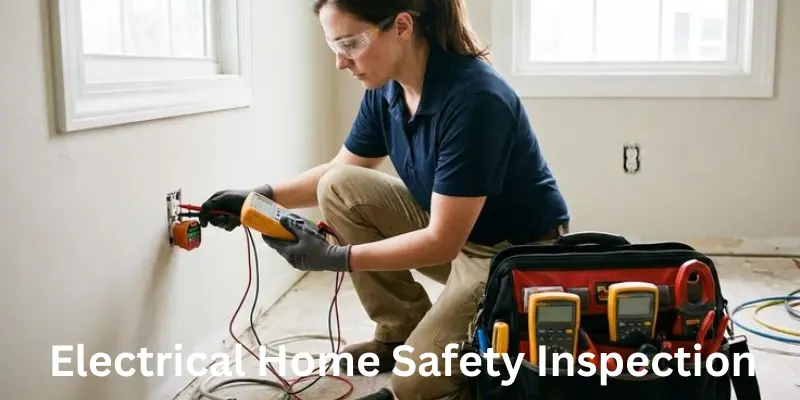
Electrical systems can deteriorate with age, modifications, physical damage, moisture exposure, excessive electrical demand, or improper previous work. Some problems are visible, while others require specialized testing and professional knowledge. A homeowner can perform a basic visual review, but electrical components should not be opened, altered, or tested in a manner that creates a shock or fire risk.
This electrical home safety inspection checklist provides a practical framework for reviewing the main areas of a residential electrical system. It focuses on what homeowners can safely observe, what warning signs deserve professional attention, and when a more comprehensive inspection should be arranged.
What Is an Electrical Home Safety Inspection?
An electrical home safety inspection is an organized review of electrical components and conditions within a residential property. Depending on its purpose and scope, a professional inspection may include visual examination, electrical testing, evaluation of protective devices, assessment of wiring and connections, and verification against applicable electrical requirements.
A homeowner’s visual inspection is more limited. It can identify obvious conditions such as damaged cords, cracked outlet covers, unusual heat, visible deterioration, or unsafe equipment placement.
A professional electrical inspection goes further because qualified electricians have the knowledge, equipment, and procedures required to evaluate parts of an electrical installation that are not accessible or safe for ordinary homeowners to investigate.
A visual home safety check is not a substitute for professional electrical testing. The purpose of this checklist is to help homeowners recognize conditions that may require attention without encouraging unsafe electrical work.
Why Is an Electrical Home Safety Inspection Important?
Electrical systems are normally designed to operate safely when correctly installed, maintained, and used. Problems can develop when components deteriorate, circuits are modified, equipment is damaged, or electrical loads change over time.
An inspection can help identify concerns before they result in electric shock, electrical fire, equipment damage, or an unexpected loss of power.
Older homes can deserve particular attention because their electrical systems may have been modified several times during the property’s life. Renovations, additions, replacement appliances, and changes in household electricity use can also alter the demands placed on an existing installation.
An electrical home safety inspection can therefore be valuable when there are unexplained electrical problems, significant property changes, or concerns about the condition of an installation.
When Should You Consider an Electrical Home Safety Inspection?
The appropriate timing for a professional inspection depends on the property’s age, electrical installation, condition, local requirements, and individual circumstances.
An inspection may be appropriate when buying or selling a property, after major renovation work, following significant electrical modifications, when electrical problems repeatedly occur, or when an older installation has not been professionally assessed for a long period.
A professional assessment can also be appropriate after water intrusion, flooding, fire, substantial physical damage, or another event that may have affected electrical components.
Warning signs should not be postponed until a scheduled inspection. If you notice burning smells, visible arcing, hot electrical components, exposed conductors, repeated breaker trips, or other serious electrical problems, stop using the affected equipment or area when it is safe to do so and seek qualified assistance.
Electrical Home Safety Inspection Checklist: Start With the Main Electrical Panel
The main electrical panel is one of the most important areas to consider during a professional inspection. It distributes electrical power to circuits throughout the home and contains protective devices such as circuit breakers or other equipment depending on the installation.
Homeowners should know where the electrical panel is located and keep the area around it clear. Access should not be blocked by furniture, boxes, stored materials, or other objects.
A homeowner can visually check for obvious external damage to the panel enclosure, signs of overheating, unusual odors, or other visible abnormalities.
Do not remove the panel cover to inspect internal wiring yourself. Components inside an electrical panel can remain dangerous even when some circuits have been switched off.
A qualified electrician can assess the panel, connections, protective devices, labeling, condition, and other technical aspects that require specialized knowledge and appropriate testing equipment.
Check Circuit Breakers for Repeated Tripping
Circuit breakers are designed to interrupt electrical supply under certain abnormal conditions. A breaker that trips occasionally may have a specific cause, but repeated tripping should not simply be treated as an inconvenience.
A recurring trip can be associated with excessive electrical load, a faulty appliance, wiring problems, or another condition requiring investigation.
Homeowners should avoid repeatedly resetting a breaker without understanding why it is operating.
Important inspection point: Record which breaker trips and what equipment was operating at the time. This information can help a qualified electrician investigate the problem.
Never replace a protective device with one that has a different rating merely to prevent it from tripping. The protective device must be appropriate for the circuit and electrical installation.
Inspect Outlet Covers and Receptacles
Outlets should be checked for visible damage, cracks, discoloration, looseness, or signs of overheating.
An outlet that moves excessively when a plug is inserted or removed may need professional attention. Loose receptacles can indicate mechanical or electrical issues that should not be ignored.
Look for:
- Cracked outlet covers
- Missing cover plates
- Discoloration
- Melted plastic
- Loose receptacles
- Burn marks
- Signs of overheating
- Unusual odors
Do not insert objects into outlets and do not open receptacles to investigate their internal connections.
A damaged outlet is not a cosmetic problem if its condition indicates electrical deterioration. Discontinue use when appropriate and arrange for professional assessment.
Inspect Switches for Damage and Abnormal Operation
Light switches and other wall switches can provide useful visual and operational clues during an electrical home safety inspection.
Check for cracked plates, loose switches, unusual heat, discoloration, buzzing, crackling, or signs of damage.
A switch that produces an unusual sound, feels excessively warm, sparks abnormally, or behaves inconsistently should be investigated.
Normal switching should not involve burning smells, persistent buzzing, or visible signs of overheating.
Homeowners should not remove switch plates or attempt to tighten internal electrical connections as part of a routine inspection.
Check Electrical Cords and Plugs Throughout the Home
Portable electrical equipment should be included in a basic home safety review. Inspect cords and plugs for cuts, exposed conductors, cracked insulation, melted areas, damaged plugs, or other deterioration.
Pay particular attention to appliances that are moved frequently or used in demanding environments.
Look at:
- Kitchen appliances
- Fans
- Vacuum cleaners
- Portable heaters
- Lamps
- Power tools
- Chargers
- Entertainment equipment
- Computers and accessories
- Outdoor electrical equipment
A damaged cord should not remain in service simply because the appliance still operates.
Do not make temporary electrical repairs with unsuitable materials. Damaged equipment should be properly repaired or replaced according to manufacturer requirements and applicable safety practices.
Inspect Extension Cords and Power Strips
Extension cords and power strips deserve their own inspection because they are frequently added to household electrical systems for convenience.
Check them for damage, overheating, discoloration, loose connections, and inappropriate use.
Ask practical questions:
Are extension cords being used as permanent household wiring?
Are multiple power strips or extension cords connected together?
Are high-power appliances being connected through equipment that is not suitable for their electrical demand?
Are cords trapped under rugs, furniture, doors, or heavy objects?
If the answer to any of these questions is yes, correct the unsafe condition where possible and obtain professional advice when a permanent electrical solution is needed.
An electrical home safety inspection checklist should consider not only the condition of electrical equipment but also how that equipment is being used.
Inspect for Signs of Overheating
Heat can be an important warning sign during a visual electrical inspection.
Look for discoloration around outlets, switches, plugs, cords, power strips, or other electrical equipment. A burning smell, melted plastic, brown or black marks, or unusual warmth should receive prompt attention.
An electrical component that becomes unusually hot should not simply be monitored indefinitely.
Do not touch a component that appears dangerously hot or damaged. Disconnecting equipment or shutting off power may itself involve risks, so use judgment and obtain professional help when necessary.
Overheating can have several possible causes. A homeowner should not assume that replacing an outlet or changing an appliance automatically resolves the underlying problem.
Inspect Lighting Fixtures and Lamps
Lighting equipment should also be included in a residential electrical safety assessment.
Check lamps and fixtures for damaged cords, cracked components, overheating, loose parts, and signs of electrical deterioration.
Use bulbs that are appropriate for the fixture and follow the manufacturer’s specifications regarding wattage and type.
Do not install a bulb that exceeds the fixture’s rated requirements.
Portable lamps should be positioned where cords will not be crushed, pinched, or exposed to excessive heat.
A flickering light should not automatically be dismissed as a bulb problem. If flickering persists after an appropriate bulb replacement or occurs across multiple fixtures, professional assessment may be warranted.
Check Kitchens for Electrical Safety Issues
Kitchens combine electrical equipment, heat, water, and high-power appliances, making them an important area for an electrical home safety inspection.
Inspect the visible condition and use of outlets, appliances, cords, and power strips.
Pay particular attention to equipment near sinks and other water sources. Electrical appliances should be used according to their instructions and should not be operated in conditions for which they are not designed.
High-power appliances should be connected in accordance with their electrical requirements. Avoid creating unsafe arrangements with extension cords or overloaded power strips.
Kitchen outlets and protective devices may have specific requirements depending on local electrical codes and the design of the installation.
Do not modify kitchen electrical wiring yourself. A qualified electrician should assess installation changes, additional circuits, outlet requirements, and protective devices.
Check Bathrooms and Other Wet Areas
Bathrooms require special attention because people and electrical equipment can come into contact with water.
Inspect visible outlets, switches, fixtures, and electrical equipment for damage. Keep portable electrical appliances away from water and follow manufacturer instructions for products intended for bathroom use.
Appropriate ground-fault protection is an important consideration in locations where electrical equipment may be exposed to water. The exact protective requirements depend on the electrical installation and applicable local standards.
A homeowner should never assume that a bathroom outlet is safe simply because it appears normal.
Do not use electrical equipment in or near water unless it is specifically designed and approved for that environment.
Any electrical problem in a wet location deserves prompt attention because the consequences of electrical contact can be severe.
Inspect Bedrooms and Living Areas
Bedrooms and living rooms often contain numerous low-power electrical devices, chargers, lamps, televisions, computers, entertainment equipment, and power strips.
Check whether cords are being pinched under furniture or routed through locations where they can be damaged.
Look for overloaded power strips and excessive use of extension cords.
Charging equipment should be placed according to manufacturer instructions and should not be used with visibly damaged cables or adapters.
Do not cover ventilation openings on equipment that requires airflow.
Cable organization should improve safety rather than create new risks. Avoid tightly compressing cords, trapping them under furniture, or placing them against heat sources.
Inspect Garages, Workshops, and Utility Areas
Garages and workshops can contain power tools, compressors, battery chargers, extension cords, portable equipment, and other electrical loads.
These areas may also expose electrical equipment to dust, moisture, mechanical damage, temperature changes, and impact.
Inspect cords and plugs for damage and confirm that equipment is appropriate for the environment.
Keep electrical equipment away from water and chemicals unless it is specifically designed for those conditions.
Do not use damaged tools or extension cords.
Power tools require particular attention: follow manufacturer instructions, inspect cords before use, and use appropriate protective measures for the equipment and working environment.
Permanent electrical installations in garages, workshops, and utility areas should comply with applicable local requirements.
Inspect Outdoor Electrical Equipment
Outdoor electrical equipment is exposed to environmental conditions that can accelerate deterioration.
Include outdoor lighting, outlets, extension cords, power tools, pumps, decorative lighting, and other electrical equipment in the inspection.
Look for cracked insulation, damaged plugs, water exposure, physical damage, corrosion, and unsuitable equipment.
Outdoor products should be appropriately rated for outdoor use.
Do not use indoor-rated electrical products outside simply because they appear functional.
Pay special attention to connections exposed to moisture. Appropriate protection and installation methods should be used according to manufacturer instructions and local electrical requirements.
If outdoor electrical equipment has been exposed to flooding or significant water intrusion, professional assessment may be necessary before it is returned to service.
Check Grounding and Electrical Protection Professionally
Grounding and protective devices are important parts of electrical safety, but they are not areas where homeowners should experiment.
A professional electrician can determine whether the electrical installation has appropriate grounding, bonding, and protective equipment for its design.
Depending on the system, protection may involve circuit breakers, ground-fault protection, residual-current devices, arc-fault protection, surge protection, or other equipment.
These devices have different functions.
Do not bypass, disable, or replace electrical protective devices simply because they trip or interrupt power. Repeated operation can indicate a problem that requires investigation.
A professional inspection can determine whether the protective system is functioning as intended.
Check for Exposed or Damaged Wiring
Exposed conductors, damaged insulation, loose wiring, and visible electrical damage should be treated seriously.
A homeowner should never touch exposed electrical conductors as part of a routine inspection.
Instead, keep people away from the affected area and obtain qualified electrical assistance.
Visible wiring problems may be associated with previous modifications, physical damage, deterioration, pest activity, moisture, or improper installation.
Do not cover exposed wiring with ordinary tape as a permanent repair.
Proper electrical repairs require suitable materials, procedures, and verification.
Look for Signs of Previous Unsafe Electrical Work
A home’s electrical system may have been modified by previous owners or contractors.
During a visual review, unusual installations, makeshift arrangements, damaged covers, improperly supported equipment, excessive extension-cord use, or other irregularities may indicate that professional assessment is appropriate.
Homeowners purchasing an older property should pay particular attention to the history of electrical modifications.
A visual inspection cannot establish whether every part of a concealed electrical installation complies with current requirements.
When the history of electrical work is unknown, professional evaluation can provide greater confidence.
This is particularly relevant before major renovation projects or when adding substantial new electrical loads.
Check Smoke and Carbon Monoxide Alarm Power Sources
Smoke alarms and carbon monoxide alarms are critical home safety devices. Their electrical supply and backup batteries should be maintained according to manufacturer instructions and applicable requirements.
Check whether alarms are present in appropriate locations and whether they show signs of damage or power failure.
If an alarm is hardwired, homeowners should not disconnect or modify its electrical connection themselves.
Replace batteries and alarm units according to manufacturer instructions.
An electrical home safety inspection should complement, not replace, routine fire and carbon monoxide safety checks.
Electrical safety and fire safety are closely connected, so both should be considered as part of responsible home maintenance.
What Should Homeowners Never Do During an Electrical Inspection?
A homeowner’s inspection should remain focused on safe observation.
Do not remove electrical panel covers to examine internal wiring. Do not open outlets or switches to inspect connections. Do not touch exposed conductors. Do not perform live electrical testing without the appropriate professional competence and equipment.
Do not bypass circuit breakers, protective devices, fuses, or other safety equipment.
Do not assume that switching off a light switch makes electrical wiring safe.
Do not investigate suspected electrical faults by touching components.
If the inspection reveals a potentially dangerous condition, stop and obtain qualified professional assistance.
The purpose of an inspection is to improve safety, not to create additional exposure to electrical hazards.
How to Document an Electrical Home Safety Inspection
Keeping simple records can make home electrical maintenance more organized.
Record the date of the inspection, areas checked, visible problems, appliances or circuits involved, and actions taken.
Photographs can be useful for documenting visible damage when it is safe to take them without approaching dangerous equipment.
If a qualified electrician performs an inspection, keep the report, recommendations, invoices, and details of completed work.
A useful electrical maintenance record can include:
- Date of inspection
- Areas inspected
- Visible problems identified
- Professional recommendations
- Repairs completed
- Replacement equipment
- Follow-up work required
- Date of future assessment
This information can be particularly useful when buying, selling, renovating, or maintaining an older property.
Electrical Home Safety Inspection Checklist
Use the following checklist for a basic visual review. It is not a substitute for professional electrical testing.
- Locate the main electrical panel.
- Keep clear access to the electrical panel.
- Look for visible damage around the panel.
- Note any repeatedly tripping circuit breakers.
- Check outlets for cracks, discoloration, looseness, or damage.
- Check switches for visible damage or abnormal operation.
- Inspect appliance cords and plugs.
- Inspect extension cords and power strips.
- Look for signs of overheating.
- Check lighting fixtures and lamps.
- Review kitchen electrical equipment.
- Check electrical equipment in bathrooms and wet areas.
- Inspect bedroom and living-area electrical equipment.
- Inspect garage and workshop equipment.
- Check outdoor electrical equipment.
- Look for visible exposed or damaged wiring.
- Watch for flickering lights, buzzing, burning smells, or sparks.
- Check that electrical equipment is being used according to manufacturer instructions.
- Arrange professional assessment for unexplained or dangerous electrical conditions.
Electrical Home Safety Inspection: Warning Signs You Should Not Ignore
Certain findings deserve immediate attention rather than routine monitoring.
These include burning smells, visible sparks, smoke, exposed conductors, melted electrical components, severely damaged cords, repeated breaker trips, persistent flickering, buzzing or crackling, hot outlets, unexplained electrical shocks, and signs of water damage involving electrical equipment.
A serious electrical problem can represent a risk even when the equipment continues to function.
Do not wait for an electrical failure before responding to warning signs.
If there is an immediate threat of fire or electrical shock, prioritize personal safety and contact the appropriate emergency service. Do not enter an unsafe area or attempt to handle energized equipment.
What Happens During a Professional Electrical Home Safety Inspection?
The exact process varies according to the property and the purpose of the inspection.
A qualified electrician may review the electrical panel, circuits, outlets, switches, visible wiring, protective devices, grounding, and other components relevant to the installation. Appropriate electrical testing may also be performed using professional equipment.
The inspector may identify deficiencies, safety concerns, damaged components, outdated equipment, or conditions that require corrective work.
The final report or recommendations may distinguish between urgent issues, recommended improvements, and routine maintenance.
The scope matters. A basic visual assessment is not necessarily equivalent to a comprehensive inspection and testing service. Homeowners should ask the professional what areas and tests are included.
How Often Should You Have an Electrical Home Safety Inspection?
There is no universal inspection interval that applies to every home in every location.
The appropriate timing depends on factors such as the age of the electrical installation, property condition, previous modifications, local requirements, electrical problems, renovation plans, and the type of occupancy.
A newer, well-maintained installation may have different inspection considerations from an older property with extensive modifications.
Homeowners should also seek professional evaluation when warning signs appear rather than waiting for a predetermined date.
Routine visual checks and professional inspections serve different purposes. Regular homeowner observations can identify obvious problems, while professional assessment can evaluate electrical conditions that cannot safely or reliably be assessed by an untrained person.
Electrical Home Safety Inspection vs. Everyday Electrical Safety
An electrical home safety inspection is not the same as everyday electrical safety.
Everyday safety involves using appliances correctly, avoiding overloaded outlets, keeping electrical equipment away from water, protecting cords from damage, and responding appropriately to warning signs.
An inspection is a structured assessment designed to identify conditions that may require further testing, maintenance, repair, or professional evaluation.
The two practices work together.
Safe habits reduce preventable problems. Professional inspection helps identify problems that ordinary daily observation cannot fully evaluate.
Homeowners should not use an inspection checklist as a reason to attempt electrical repairs themselves.
Final Thoughts on Electrical Home Safety Inspection
A thorough electrical home safety inspection can help homeowners understand the condition of their electrical environment and recognize problems that deserve professional attention. A practical inspection should include the main panel area, outlets, switches, cords, power strips, appliances, lighting, wet areas, garages, workshops, and outdoor equipment.
The most important part of the process is knowing the difference between safe observation and electrical work. Homeowners can identify visible warning signs and unsafe practices, but internal wiring, electrical testing, repairs, installation changes, grounding, and protective-device assessment should be handled by appropriately qualified professionals.
Use this electrical home safety inspection checklist as a maintenance reference, keep records of professional assessments and repairs, and respond promptly when something appears abnormal.
Electrical safety is strongest when prevention, responsible maintenance, professional inspection, and timely corrective action work together.
Please Write Your Comments