Child Safety Hazards at Home: 15 Common Risks Parents Should Know
Updated: 3-Sep-2026
81
Home should be the safest place for a child, but ordinary household environments can contain many hidden dangers. Electrical outlets, unsecured furniture, stairs, hot surfaces, medicines, cleaning products, windows, water, and small objects can all create serious risks, particularly for babies, toddlers, and young children.
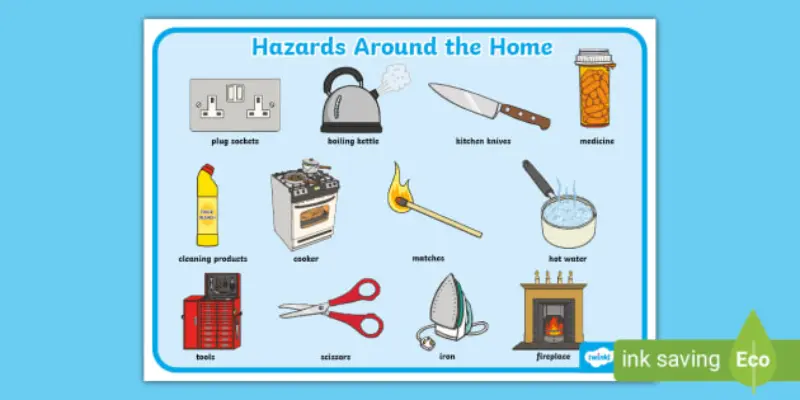
Children naturally explore their surroundings. They may touch, pull, climb, open, taste, or pick up things that adults consider harmless. Their developing balance, coordination, judgment, and understanding of danger make some everyday household conditions especially hazardous.
Understanding child safety hazards at home is an important part of protecting children. Parents and caregivers need to know where common risks exist, how those risks can lead to injuries, and which areas of the home require regular safety checks.
This guide identifies 15 common hazards and explains what parents should look for when inspecting their homes.
What Are Child Safety Hazards at Home?
Child safety hazards at home are household conditions, objects, substances, or situations that can cause injury, poisoning, burns, falls, choking, drowning, suffocation, strangulation, or other harm to children.
Some hazards are obvious, such as an exposed electrical socket or an open container of household chemicals. Others are less noticeable, such as a television placed on unstable furniture, a blind cord within a child’s reach, or a small object that can become a choking hazard.
The level of risk also changes as children grow. A hazard that is inaccessible to a crawling baby may become reachable when the child begins walking and climbing.
Parents should therefore treat home safety as an ongoing process rather than a one-time inspection.
1. Electrical Outlets, Cords, and Appliances
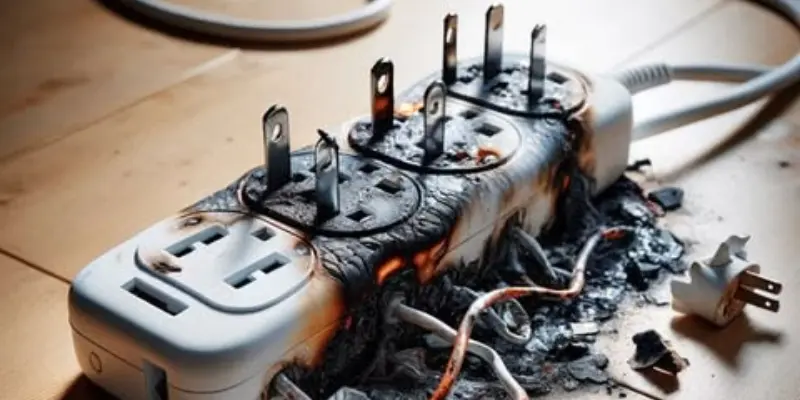
Electrical hazards are among the most important household risks for young children. Children may insert objects into electrical outlets, pull on power cords, chew cables, or touch electrical appliances with wet hands.
Damaged cords, overloaded outlets, exposed wiring, and electrical appliances positioned near water can increase the risk of electric shock, burns, or fire.
Parents should inspect frequently used electrical equipment and look for:
- Damaged or frayed power cords
- Loose electrical outlets
- Accessible power strips
- Extension cords within children’s reach
- Appliances positioned close to water
- Electrical devices with damaged plugs
- Cables that children can pull or chew
A professional electrical home safety inspection can help identify electrical conditions that may not be obvious during a normal household check.
For additional information about electrical risks, parents can also review the site’s guide on electrical home safety inspection.
2. Unsecured Furniture and Television Tip-Over
Furniture tip-over is a serious household hazard for children who climb, pull drawers, or use furniture to support themselves.
Dressers, bookshelves, cabinets, televisions, and other tall objects can become unstable if they are not properly secured.
A child may pull on a drawer or climb onto a shelf, shifting the center of gravity and causing furniture to fall.
Parents should examine:
- Tall bookcases
- Dressers
- Storage cabinets
- Television stands
- Shelving units
- Heavy objects placed on high shelves
The U.S. Consumer Product Safety Commission (CPSC) recommends anchoring furniture and televisions to help prevent tip-over injuries.
Parents should also avoid placing toys or attractive objects on top of furniture where children may attempt to climb to reach them.
3. Windows and Window Coverings
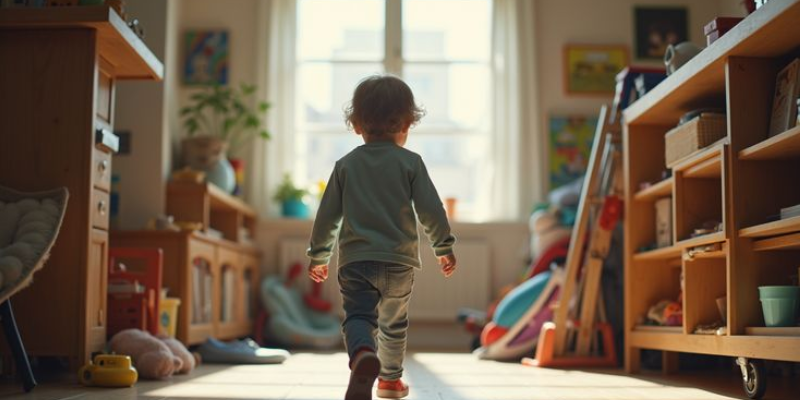
Windows create two major risks for children: falls and strangulation.
An open window on an upper floor can become dangerous when a child climbs onto a bed, chair, table, or other nearby object.
Window covering cords can also create a strangulation hazard when they are accessible to young children.
Parents should check whether:
- Windows can be opened easily by children
- Furniture is positioned near windows
- Window guards are appropriate for the home’s design
- Blind or shade cords are within reach
- Children can climb onto window sills
Parents interested in improving window-related security can also review window sensors for home security as part of a broader home safety strategy.
4. Stairs and Fall Hazards
Falls are one of the most common types of injuries among young children. Stairs can be particularly dangerous for babies and toddlers who are still developing balance and coordination.
Loose rugs, clutter, toys, slippery surfaces, and poorly lit stairways can also contribute to falls.
Look for:
- Unprotected stairways
- Broken or loose handrails
- Toys left on stairs
- Slippery flooring
- Poor lighting
- Objects placed near stair edges
- Gaps that a small child could pass through
Safety gates can help restrict access to stairs for young children, but parents should select and install them according to the manufacturer’s instructions.
A broader discussion of household precautions is available in what are safety precautions at home.
5. Hot Water, Drinks, and Burn Hazards
Hot liquids and surfaces can cause severe burns even when they do not appear extremely hot to an adult.
A cup of hot coffee, a kettle, cooking pan, radiator, heater, or hot tap water can present a serious risk to a curious child.
Common warning signs include:
- Hot drinks placed near table edges
- Pan handles extending over the edge of a stove
- Children having access to cooking appliances
- Hot water temperatures that are too high
- Heaters within easy reach
- Electrical heating devices positioned near flammable materials
Parents should never assume that a child understands the danger of a hot object. Young children may reach for attractive or unfamiliar objects without recognizing the consequences.
6. Kitchen Knives and Sharp Objects
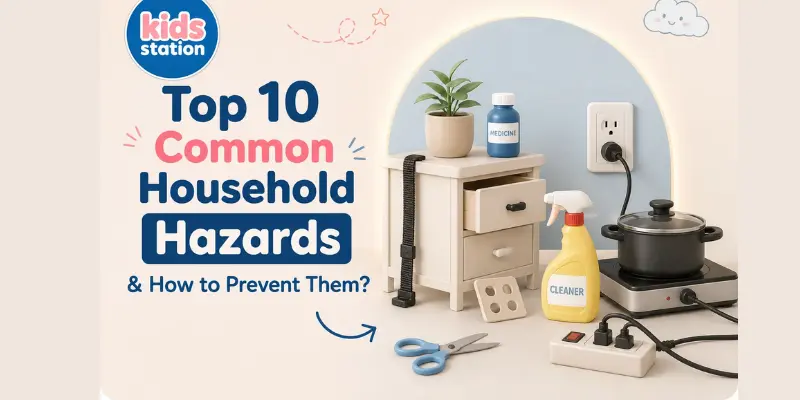
The kitchen contains many objects that can cause cuts or puncture injuries.
Knives, scissors, graters, peelers, broken glass, and certain kitchen tools should not be accessible to young children.
Parents should inspect drawers and cabinets to determine whether a child can open them independently.
Particular attention should be given to:
- Kitchen knives
- Scissors
- Glass containers
- Food processors
- Graters
- Can openers
- Sharp utensils
For a more detailed discussion of kitchen-related risks, parents can read child safety at home kitchen.
7. Medicines and Household Chemicals
Medicines and household chemicals can be extremely dangerous when children can access them.
Prescription medicines, over-the-counter medicines, cleaning products, detergents, disinfectants, pesticides, and other chemicals should be stored where children cannot reach them.
Parents should look for products kept:
- On low shelves
- In unlocked cabinets
- Near sinks
- In bedrooms
- In handbags
- On bedside tables
- In garages or utility areas
Containers should remain properly closed, and chemicals should never be transferred into food or drink containers.
The CDC provides information about preventing childhood poisoning and recommends safe storage practices for medicines and potentially poisonous substances.
8. Choking Hazards From Small Objects
Babies and toddlers commonly explore objects by putting them in their mouths. Small household items can therefore become choking hazards.
Examples include:
- Coins
- Small batteries
- Buttons
- Small toy components
- Marbles
- Pen caps
- Small magnets
- Jewelry
- Bottle caps
Parents should regularly inspect floors, under furniture, sofa cushions, bags, and children’s play areas for small objects.
Special attention should be given to button batteries, because swallowing one can cause serious internal injury.
Children’s toys should also be checked regularly for broken or detached parts.
9. Drowning Hazards in Bathrooms and Water Areas
A child does not need a swimming pool to face a drowning risk. Bathtubs, buckets, toilets, water containers, and other areas containing water can create serious hazards for young children.
Young children should never be left unattended around water.
Parents should inspect:
- Bathtubs
- Buckets
- Water storage containers
- Toilets
- Pools
- Decorative water features
- Outdoor containers collecting rainwater
The CDC identifies drowning as a leading cause of unintentional injury death among young children and emphasizes close supervision around water.
The important point is simple: adult supervision should never be replaced by a device or safety product.
10. Fire, Matches, and Lighters
Fire can spread rapidly through a home, and children may not understand how quickly a small flame can become dangerous.
Matches, lighters, candles, fireplaces, cooking equipment, heaters, and other ignition sources should be treated as serious hazards.
Parents should identify:
- Matches within children’s reach
- Unsecured lighters
- Accessible candles
- Unprotected fireplaces
- Portable heaters
- Damaged electrical equipment
- Flammable materials close to heat sources
Smoke alarms are an important component of household fire protection. Families should install appropriate alarms, test them regularly, and follow manufacturer guidance for maintenance.
For more information about household fire protection, see smoke alarm types, placement, maintenance and safety guide.
11. Carbon Monoxide Exposure
Carbon monoxide (CO) is a particularly dangerous household hazard because it is colorless and odorless.
Fuel-burning appliances and equipment can produce carbon monoxide when they malfunction or when ventilation is inadequate.
Potential sources include:
- Gas furnaces
- Gas water heaters
- Fireplaces
- Fuel-burning appliances
- Portable generators
- Other combustion equipment
Carbon monoxide alarms can provide an important warning when dangerous concentrations are detected.
Families should follow the manufacturer’s installation and maintenance instructions and have fuel-burning appliances properly maintained.
The U.S. Environmental Protection Agency and CPSC provide guidance on carbon monoxide prevention and alarm use.
Parents can also explore smart smoke detector technology for home fire safety for additional information.
12. Doors, Fingers, and Restricted Areas
Doors can cause painful finger injuries when children place their hands near hinges or between closing surfaces.
Young children may also enter garages, storage rooms, workshops, utility rooms, or other restricted areas without understanding the risks.
Parents should inspect:
- Door hinges
- Heavy doors
- Sliding doors
- Garage entrances
- Utility rooms
- Storage areas
- Workshop areas
Keep dangerous tools, chemicals, machinery, and other hazardous equipment inaccessible to children.
A properly selected door safety or monitoring device may also help parents monitor access to restricted areas. The site’s best door sensor guide provides additional information.
13. Cords, Cables, and Strangulation Hazards
Cords and cables can become dangerous when they are accessible to young children.
Window covering cords are particularly important, but electrical cables, charging cords, appliance cords, and other loops can also create risks.
Parents should check:
- Blind and shade cords
- Charging cables
- Appliance cords
- Loose electrical wires
- Cords hanging beside beds
- Cable loops within a child’s reach
Keep unnecessary cords out of children’s reach and follow current safety guidance for window coverings.
14. Unstable Appliances and Household Equipment
Household equipment can become hazardous when it is unstable, damaged, improperly installed, or accessible to children.
Examples include:
- Portable heaters
- Fans
- Small kitchen appliances
- Exercise equipment
- Laundry equipment
- Tool equipment
- Heavy electronic devices
Children may pull, push, climb, or play around equipment without recognizing its potential danger.
Parents should ensure that equipment is placed on stable surfaces and used according to manufacturer instructions.
Heavy appliances and equipment should not be positioned where a child can easily pull them over.
15. Outdoor Hazards Around the Home
Child safety hazards are not limited to rooms inside the house. Garages, balconies, gardens, driveways, patios, and other outdoor areas can contain serious risks.
Common outdoor hazards include:
- Garden chemicals
- Tools
- Lawn equipment
- Unsecured gates
- Pools
- Open drainage areas
- Sharp objects
- Unstable outdoor furniture
- Vehicle movement in driveways
Parents should inspect outdoor areas at a child’s eye level because hazards that are obvious to adults may be difficult for young children to recognize.
Outdoor storage areas should remain secured, and tools and chemicals should be stored appropriately after use.
How Parents Can Identify Child Safety Hazards at Home
A systematic home inspection can help parents identify risks before an accident occurs.
Start at the entrance and move through every room. Look at the environment from a child’s perspective.
Check:
- What can the child reach?
- What can the child pull?
- What can the child climb?
- What can the child open?
- What can the child put in their mouth?
- What can fall over?
- What can burn the child?
- What can cause a fall?
- What contains chemicals or medicines?
- Where is water accessible?
- Where could a child become trapped?
Parents should repeat this inspection as children grow because their mobility and abilities change.
A crawling baby, walking toddler, and school-age child do not face exactly the same household risks.
Child Safety Hazard Checklist for Parents
Use this checklist during a regular home safety inspection:
- ☐ Electrical outlets and cords are checked
- ☐ Furniture and televisions are stable
- ☐ Windows are appropriately protected
- ☐ Blind cords are inaccessible
- ☐ Stairways are free from hazards
- ☐ Hot liquids are kept away from children
- ☐ Knives and sharp tools are inaccessible
- ☐ Medicines are securely stored
- ☐ Household chemicals are secured
- ☐ Small choking hazards are removed
- ☐ Water areas are supervised and secured
- ☐ Matches and lighters are inaccessible
- ☐ Smoke alarms are maintained
- ☐ Carbon monoxide alarms are installed where appropriate
- ☐ Restricted areas are secured
- ☐ Dangerous outdoor equipment is stored safely
This checklist should not replace professional advice or product-specific safety instructions. It is a practical starting point for identifying potential risks.
Common Mistakes Parents Make When Identifying Home Hazards
One common mistake is assuming that a child cannot reach something simply because they cannot reach it today.
Children develop new abilities quickly. A toddler who cannot climb onto a chair one week may be able to do so shortly afterward.
Another mistake is focusing only on obvious dangers. Parents may secure cleaning products but overlook furniture tip-over, window cords, small batteries, hot drinks, or accessible water.
Other common mistakes include:
- Leaving medicines temporarily on countertops
- Assuming child-resistant packaging is childproof
- Placing furniture close to windows
- Leaving small objects on floors
- Ignoring damaged electrical cords
- Leaving hot drinks near table edges
- Assuming a child understands fire risks
- Using unsafe storage containers for chemicals
Regular inspections help reduce these oversights.
When Should Parents Seek Professional Help?
Some household hazards can be corrected easily, but others require qualified professionals.
Parents should consider professional assistance when dealing with:
- Damaged electrical wiring
- Repeated circuit problems
- Gas appliances
- Structural concerns
- Unsafe stair or railing installations
- Major fire-safety deficiencies
- Suspected carbon monoxide problems
- Complex childproofing requirements
Electrical, gas, structural, and other technical systems should be assessed by appropriately qualified professionals rather than modified through improvised solutions.
For general household safety guidance, parents can also read how to ensure child safety at home. That guide focuses more broadly on practical child-safety measures, while this article concentrates on identifying common hazards.
FAQs About Child Safety Hazards at Home
What are the most common child safety hazards at home?
Common hazards include falls, electrical risks, burns, choking hazards, unsafe furniture, medicines and chemicals, drowning risks, fire, carbon monoxide, sharp objects, windows, cords, and unsafe outdoor areas.
What is the biggest safety risk for toddlers at home?
Toddlers can face several major risks because they are mobile and naturally curious. Falls, burns, poisoning, choking, drowning, electrical injuries, and furniture tip-over are important hazards to assess.
How often should parents check their home for child hazards?
There is no single schedule that fits every family. Parents should perform regular checks and repeat them whenever a child becomes more mobile or develops new abilities such as climbing, opening cabinets, or reaching higher surfaces.
Are child-resistant products completely childproof?
No. Child-resistant does not mean childproof. Safety products can reduce risk but should not replace appropriate supervision and safe storage.
How can parents make a home safer for young children?
Start by identifying accessible hazards, securing unstable furniture, restricting access to dangerous substances and equipment, addressing electrical and fire risks, removing choking hazards, and maintaining appropriate supervision.
Why should parents inspect the home from a child’s perspective?
Children see and interact with the environment differently from adults. Looking at the home from a child’s height can reveal reachable cords, small objects, sharp edges, accessible containers, climbable furniture, and other hazards that adults may overlook.
Conclusion
Identifying child safety hazards at home is one of the most practical steps parents can take to reduce preventable injuries.
The most important areas to inspect include electrical systems, furniture, windows, stairs, hot surfaces, kitchens, medicines, chemicals, small objects, water, fire sources, carbon monoxide, doors, cords, household equipment, and outdoor spaces.
Home safety should also change as children grow. Their ability to crawl, walk, climb, open, pull, and explore changes the hazards they encounter.
A regular inspection, appropriate safety equipment, secure storage, proper maintenance, and active supervision can work together to create a safer home environment for children.
Parents do not need to make every room completely risk-free. The goal is to identify significant hazards, control the risks that can reasonably be controlled, and maintain an environment where children can explore and develop with fewer preventable dangers.
Please Write Your Comments