Child Safety at Home Kitchen: Essential Safety Measures for Kids
Updated: 25-Aug-2026
116
The kitchen is one of the most active areas in a home, but it is also one of the most challenging places for young children. Stoves, ovens, boiling water, sharp knives, electrical appliances, cleaning chemicals, glassware, hot food, and small objects can create serious risks for infants and toddlers.
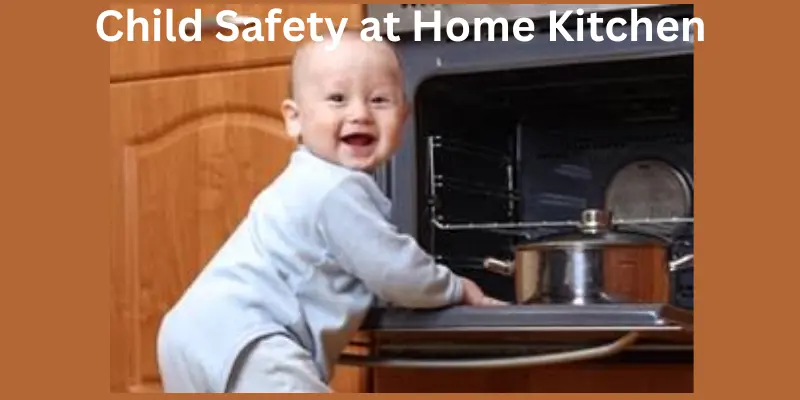
Effective child safety at home kitchen practices are based on prevention, supervision, safe storage, appropriate childproofing equipment, and age-appropriate education. Parents cannot remove every hazard from a kitchen, but they can reduce children’s access to dangerous areas and make everyday activities safer.
The U.S. Consumer Product Safety Commission recommends safety latches and locks for kitchen cabinets and drawers, anchoring ranges and other appliances where appropriate, keeping hazardous products away from children, and using suitable safety devices throughout the home.
Kitchen safety also includes food hygiene. Children under five are more vulnerable to foodborne illness, making safe food preparation, storage, cooking, and hand hygiene particularly important. The CDC recommends the four basic food-safety steps: clean, separate, cook, and chill.
Why Child Safety in the Home Kitchen Matters
Children explore through touching, pulling, climbing, opening, tasting, and imitating adults. A toddler may pull a tablecloth, open a drawer, reach toward a stovetop, or pick up an object without understanding its danger.
The kitchen combines several hazard categories in one relatively small space. Heat and flames can cause burns. Knives can cause cuts. Electrical appliances can create shock hazards. Cleaning products can cause poisoning. Food can create choking or foodborne-illness risks. Heavy appliances and ranges can create crushing or tip-over hazards.
This makes child safety at home kitchen planning different from ordinary kitchen organization.
Parents should consider both the location of the hazard and the child’s ability to reach it. A countertop that appears inaccessible to a crawling baby may become reachable when the child starts climbing. A cabinet that seemed secure may become accessible when a child learns to operate its handle.
The kitchen should therefore be reassessed as children grow.
Create a Child-Safe Kitchen Zone
One of the most practical ways to improve child safety at home kitchen conditions is to establish a clear separation between children’s areas and active cooking areas.
The area immediately around the stove, oven, hot cookware, and food preparation surfaces should be treated as an adult-controlled zone.
The National Fire Protection Association recommends keeping children at least 3 feet (1 meter) away from the stove and areas where hot food or drinks are prepared or carried.
A physical boundary can be created with appropriate supervision, a properly installed safety gate where suitable, or a kitchen layout that naturally limits children’s access.
Do not assume that a child understands that a hot stove is dangerous simply because you have explained it. Young children may understand a rule and still act impulsively.
A child-safe kitchen should make the unsafe choice difficult to reach.
Keep Children Away From the Stove and Oven
The stove and oven are among the most important areas to protect.
Hot burners, boiling liquids, frying pans, oven doors, and cookware can cause serious burns. Children may also grab handles or pull objects toward themselves.
When cooking:
- Keep children away from the active cooking area.
- Use rear burners when practical.
- Turn pot and pan handles inward.
- Keep hot cookware away from countertop edges.
- Keep hot drinks away from edges.
- Never leave active cooking unattended.
- Keep towels, paper packaging, and other combustible materials away from burners.
The CPSC recommends installing anti-tip brackets on freestanding ranges and stoves because children can climb, pull, or lean against appliances, potentially causing tip-over injuries or scalding.
The NFPA also emphasizes staying in the kitchen when frying, boiling, grilling, or broiling and maintaining a child-free zone around cooking equipment.
For broader household precautions, you may also read What Are Safety Precautions at Home: A Complete Home Safety Guide. The existing article already covers kitchen safety, child safety, fire prevention, electrical safety, and hazardous-material storage.
Secure Kitchen Cabinets and Drawers
Kitchen cabinets can contain knives, detergents, dishwasher products, cleaning chemicals, matches, lighters, glassware, plastic bags, and other objects that may be dangerous to children.
Use appropriate safety latches or locks on cabinets and drawers containing hazardous items.
The CPSC specifically recommends safety latches and locks in kitchens to help prevent children from accessing medicines, laundry detergent, household cleaners, matches, cigarette lighters, knives, and other sharp objects.
Do not rely solely on placing dangerous products at the back of a low cabinet. Toddlers can climb, reach, and pull objects forward.
A better storage strategy is to keep hazardous items in locked cabinets that children cannot access.
Safe kitchen storage should include:
- Knives and sharp utensils
- Cleaning chemicals
- Dishwasher detergent
- Oven cleaners
- Matches and lighters
- Plastic bags
- Small tools
- Alcohol-containing products
- Medicines
- Pest-control products
Child-resistant packaging can reduce access but does not mean a product is completely childproof. The CPSC explains that special packaging is designed to make opening more difficult for young children, not to eliminate the need for secure storage.
Store Knives and Sharp Kitchen Tools Safely
Knives are obvious kitchen hazards, but other sharp objects can also injure children.
Store knives where young children cannot reach them. Knife blocks should be positioned where a child cannot pull them down. Knife drawers should have appropriate locks if children can access them.
Other items requiring attention include:
- Scissors
- Peelers
- Graters
- Skewers
- Meat thermometers with sharp probes
- Can openers
- Food processors with cutting blades
- Broken glass
- Sharp cooking utensils
Do not leave knives in sinks where children or adults could encounter them unexpectedly.
When preparing food, keep sharp tools away from countertop edges.
If a knife falls, do not try to catch it. Teach older children never to pick up dropped knives or sharp objects without adult instruction.
Prevent Hot Water and Scalding Injuries
Hot water can cause serious burns quickly.
Kettles, coffee makers, pots of boiling water, soups, sauces, and hot drinks should be treated as potential scalding hazards.
Keep kettle cords and appliance cords positioned so children cannot pull the appliance from a countertop.
Do not place hot drinks on low tables where children can reach them.
When carrying hot liquids, check that children are not directly in your path.
The CPSC recommends setting a home’s water heater to 120°F or lower as a burn-prevention measure and using appropriate anti-scald devices where needed.
Kitchen water temperature is particularly important when children are present because they may not recognize how quickly hot water can cause injury.
Keep Electrical Appliances Away From Children
Modern kitchens contain numerous electrical appliances, including microwaves, blenders, mixers, toasters, kettles, coffee makers, air fryers, food processors, and refrigerators.
Children should not operate these appliances without age-appropriate adult supervision.
Keep appliance cords away from countertop edges. A child pulling a cord can potentially bring a hot or heavy appliance down.
Inspect electrical cords for cuts, exposed wires, melted insulation, or other damage.
Water and electricity should always be treated as a dangerous combination. Keep electrical appliances away from sinks and wet surfaces unless they are specifically designed for the environment.
For more detailed electrical guidance, you may also read Electrical Safety at Home and Work. The site’s electrical-safety article discusses damaged cords, overloaded electrical equipment, water near electrical systems, hot outlets, flickering lights, and other warning signs.
Protect Children From Microwave and Small Appliance Hazards
Microwaves, toasters, air fryers, rice cookers, coffee machines, and other countertop appliances can create risks even when they appear harmless.
Children should not operate appliances independently unless the appliance and child’s age make that appropriate and the child has been properly taught.
Hot containers removed from a microwave can be particularly dangerous because food may heat unevenly. Steam from heated food can also cause burns.
Keep appliance controls inaccessible to young children when possible.
Unplug appliances when manufacturer instructions and normal safe use call for it, particularly portable appliances that are not intended to remain energized continuously.
Never allow children to insert objects into toasters or other appliances.
Do not attempt DIY repairs on electrical appliances around children. Technical electrical repairs should be performed by qualified professionals.
Secure the Refrigerator and Freezer Area
Refrigerators and freezers may appear harmless, but young children can interact with doors, drawers, magnets, containers, and stored food.
Make sure refrigerator doors and drawers are functioning correctly.
Keep medicines and other hazardous products out of refrigerators if children can access them.
Do not store alcoholic beverages where children can easily reach them.
Small magnets and button batteries should never be left where young children can access them. These objects can pose serious ingestion risks.
CPSC safety education materials specifically identify button batteries as a home hazard and provide child-safety resources covering these products.
Prevent Cleaning Product Poisoning

Kitchen cleaning products can contain substances that are dangerous if swallowed, inhaled, or exposed to skin or eyes.
Dishwasher detergents, oven cleaners, disinfectants, degreasers, drain cleaners, and other chemical products should be stored securely.
Keep them in their original containers with labels intact. Never transfer cleaning chemicals into water bottles, food containers, or unlabeled jars.
Do not leave detergent pods, sprays, or cleaning products on countertops while children are nearby.
Never mix cleaning chemicals unless the manufacturer specifically states that the combination is safe.
The CPSC recommends locking away household cleaners and other hazardous substances even when they use child-resistant packaging.
If a child may have swallowed or been exposed to a hazardous substance, follow local poison-control and emergency guidance rather than attempting an improvised treatment.
Keep Matches, Lighters, and Ignition Sources Locked Away
Matches and lighters should never be treated as toys or ordinary household objects.
Store them where young children cannot reach them.
This is particularly important in kitchens where children may already associate the stove, oven, and other equipment with cooking activities.
Teach children that matches and lighters are adult-use items and should never be touched.
The safest arrangement combines secure storage with supervision and age-appropriate fire education.
Prevent Kitchen Fires Around Children
Cooking creates a significant fire risk, particularly when food is left unattended.
The NFPA identifies cooking as a leading cause of home fires and recommends staying in the kitchen while frying, boiling, grilling, or broiling. It also recommends keeping combustible items away from the stovetop.
Parents should keep children outside the designated cooking zone.
Do not allow children to play on the kitchen floor while adults are carrying hot pots or pans.
Keep curtains, paper towels, cardboard packaging, kitchen towels, oven mitts, and other combustible materials away from active burners.
If a small stovetop grease fire occurs, NFPA guidance recommends sliding a lid over the pan and turning off the burner if it is safe to do so, then leaving the pan covered until completely cool. If there is doubt about fighting the fire, evacuate and call the local emergency number from outside.
Children should never be expected to fight a kitchen fire.
Install and Maintain Appropriate Smoke Alarms
Smoke alarms provide early warning when a fire occurs.
The CPSC recommends smoke alarms on every level of a home, inside each bedroom, and outside sleeping areas. It also recommends testing alarms monthly.
Kitchen placement requires care because cooking smoke and steam can cause nuisance alarms.
The site’s existing Smoke Alarm: Types, Placement, Maintenance and Safety Guide discusses kitchen placement and recommends keeping smoke alarms at an appropriate distance from cooking appliances to reduce false alarms.
Do not disable a smoke alarm because it produces nuisance alarms. Instead, review its location and follow the manufacturer’s installation guidance.
You may also read Heat Detector: A Guide to Modern Fire Detection Systems, which explains why heat detectors are commonly considered for kitchens and other environments where smoke alarms may experience nuisance conditions.
Teach Children What to Do When a Smoke Alarm Sounds
A smoke alarm is only useful if family members know how to respond.
Teach children that the alarm means they must leave the area and follow the family’s emergency plan.
Children should know:
- What the smoke alarm sounds like
- Where to go during an evacuation
- Which adult they should follow
- Where the family meeting point is
- That they should never hide during a fire
- That they should never return inside for toys
- How to respond if an exit is blocked
Practice the escape plan regularly.
For children, repetition is more effective than a single explanation given during a calm moment.
Consider Carbon Monoxide Safety
Carbon monoxide is another household concern, particularly where fuel-burning appliances are present.
The CPSC recommends carbon monoxide alarms outside sleeping areas near each sleeping area and advises regular testing and battery maintenance.
Children may be particularly vulnerable because they may not recognize unusual symptoms or understand why they feel unwell.
Do not allow fuel-burning appliances to be used in ways contrary to manufacturer instructions.
Never operate gasoline-powered equipment in enclosed or poorly ventilated areas.
For related information, you may also read Smart Smoke Detector: Revolutionizing Home Fire Safety. The site’s guide discusses smart smoke and CO detection, alerts, placement, and connected home-safety features.
Keep Food Preparation Surfaces Safe
Countertops are not automatically safe simply because children cannot reach them yet.
As children grow, they may climb onto chairs or stools to reach food.
Keep knives, hot cookware, glass containers, medications, chemicals, and small hazardous objects away from countertop edges.
Do not leave a child sitting on a countertop while preparing food. A child can fall unexpectedly, especially when reaching for an object.
Use stable work surfaces and keep spills cleaned promptly.
If a child is participating in food preparation, choose tasks appropriate for the child’s age and supervise closely.
Practice Food Hygiene for Children’s Safety
Kitchen safety also includes preventing foodborne illness.
The CDC recommends four basic food-safety practices:
Clean: Wash hands and clean food-contact surfaces.
Separate: Keep raw foods separate from foods that are ready to eat.
Cook: Use appropriate internal temperatures rather than relying only on color or texture.
Chill: Refrigerate perishable foods promptly.
Children under five are at higher risk of serious complications from some foodborne illnesses, according to the CDC. Safer food choices and proper food handling are therefore particularly important for young children.
Parents should pay attention to raw eggs, undercooked meat, unwashed produce, unpasteurized foods, raw flour, and other foods identified by health authorities as higher-risk.
Prevent Choking Hazards in the Kitchen
The kitchen contains many small objects that children may put into their mouths.
Examples include:
- Bottle caps
- Food packaging pieces
- Small utensils
- Coins
- Magnets
- Small toy pieces
- Small food items
- Plastic pieces
- Button batteries
Keep small objects away from children who are still at risk of putting items in their mouths.
Food preparation should also account for the child’s age and developmental stage.
Young children should eat while seated and supervised rather than walking around the kitchen with food.
Parents should follow current pediatric feeding guidance for foods that require special preparation or present choking risks.
Prevent Glass and Ceramic Injuries
Glass cups, ceramic plates, bottles, and serving dishes can break and create sharp fragments.
Store breakable items securely and avoid placing them where young children can pull them down.
If glass breaks, keep children away from the area until the fragments and surrounding surface have been thoroughly cleaned.
Do not allow children to walk barefoot through an area where glass has broken.
Inspect cabinets and shelves periodically for unstable stacks.
Heavy objects should not be stored where they can fall onto children.
Make Kitchen Floors Safer
Kitchen floors can become slippery because of water, oil, food, and cleaning products.
Clean spills promptly.
Keep walkways free of toys, bags, boxes, cords, and other objects.
Use floor mats only when they are stable and do not create a trip hazard.
Children should not run through the kitchen, particularly when adults are carrying hot food or sharp utensils.
A clear floor helps both children and adults move safely.
For general household precautions, the existing What Is Safety: Essential Rules for Life-Saving Protection provides broader background on home, child, kitchen, and household safety concepts.
Secure Furniture and Appliances in the Kitchen
Furniture tip-over is not limited to living rooms and bedrooms.
Kitchen islands, shelving units, storage cabinets, refrigerators, ranges, and other appliances may present risks if they are unstable or improperly installed.
Children may pull on doors, climb shelves, or use appliance handles for support.
Secure appropriate furniture and appliances according to manufacturer instructions.
The CPSC recommends anchoring furniture and appliances that can tip and specifically recommends anti-tip brackets for freestanding ranges and stoves.
Do not allow children to use appliance doors as climbing platforms.
Keep Plastic Bags and Packaging Away From Children
Plastic bags, food packaging, wrapping materials, and other flexible materials can create risks for young children.
Dispose of packaging promptly after opening food or other products.
Do not leave plastic bags in play areas.
Keep packaging materials in a secured waste or recycling container.
Children should not be allowed to play with food packaging or plastic bags.
Use Kitchen Safety Equipment Correctly
Kitchen safety equipment can reduce specific risks when correctly selected and installed.
Useful child-safety equipment may include:
- Cabinet locks
- Drawer latches
- Stove guards where appropriate
- Appliance locks where appropriate
- Safety gates
- Anti-tip brackets
- Outlet protection
- Corner guards
- Smoke alarms
- Carbon monoxide alarms
- Fire extinguishers
- Heat detectors
No safety device should be treated as a complete solution.
The CPSC emphasizes that safety devices must be properly installed and maintained and that no device is completely childproof.
Parents should inspect locks and latches regularly because repeated pulling and opening can loosen them.
Fire Extinguishers and Children

A suitable fire extinguisher can be an important part of kitchen fire preparedness, but children should not be expected to operate one.
Adults should understand the limitations of portable extinguishers and know when evacuation is safer.
The site’s recent Fire Extinguisher Maintenance: Complete Safety Guide explains that extinguishers require regular visual checks, professional inspection, and appropriate maintenance rather than simply being purchased and forgotten.
Keep extinguishers accessible to adults while preventing children from treating them as toys.
Teach Kids Age-Appropriate Kitchen Safety Rules
Childproofing should be supported by education.
Young children can learn simple rules:
Stay away from the stove.
Do not touch knives.
Ask an adult before using an appliance.
Do not touch hot pans.
Do not play with electrical cords.
Do not open cleaning-product cabinets.
Do not run in the kitchen.
Older children can gradually learn safe food preparation, appliance operation, handwashing, knife handling, and emergency procedures.
Teaching should match the child’s developmental ability.
A child who understands why a rule exists is more likely to follow it consistently.
Supervision Remains Essential in a Child-Safe Kitchen
Childproofing does not replace supervision.
A child may overcome a latch, climb onto a chair, open a refrigerator, or enter the kitchen unexpectedly.
Parents and caregivers should remain especially attentive during cooking, food preparation, cleaning, and other activities involving heat, sharp objects, chemicals, or electrical appliances.
The CPSC explicitly emphasizes constant supervision in certain high-risk situations, including bathing, and its broader childproofing guidance reinforces that safety devices cannot completely childproof an environment.
Supervision becomes particularly important when visiting another home where childproofing arrangements may be different.
Inspect the Kitchen as Your Child Grows
The best child safety at home kitchen plan changes as the child develops.
A baby who cannot crawl may require relatively few access restrictions. A crawling baby can reach lower cabinets. A toddler can open drawers, move chairs, climb furniture, and reach countertops.
Parents should reassess:
- Cabinet locks
- Drawer locks
- Appliance cords
- Countertop access
- Stove access
- Refrigerator access
- Small-object hazards
- Chemical storage
- Knife storage
- Furniture stability
- Window access
- Door access
The inspection should happen whenever the child’s physical abilities change.
Common Child Safety Mistakes in the Kitchen
Several mistakes can undermine otherwise good kitchen safety practices.
Leaving a pan unattended is one of the most serious. The NFPA recommends remaining in the kitchen when frying, boiling, grilling, or broiling.
Another mistake is keeping cleaning chemicals under a sink without a secure child lock.
Leaving knives on countertops is also risky when children can climb.
Parents may also overlook appliance cords hanging over countertop edges.
Using a chair as an informal step for children creates another preventable risk.
A final common mistake is assuming that a child is too young to understand safety rules. Even very young children can begin learning simple boundaries through repetition and consistent adult behavior.
Child Safety at Home Kitchen Checklist
Use this checklist during a kitchen safety inspection:
- Keep children away from active cooking areas.
- Establish a clear child-free zone around the stove.
- Turn cookware handles inward where appropriate.
- Keep hot drinks away from edges.
- Secure knives and sharp utensils.
- Lock cabinets containing chemicals.
- Lock drawers containing dangerous tools.
- Store matches and lighters securely.
- Keep appliance cords away from edges.
- Remove damaged electrical appliances from use.
- Keep electrical equipment away from water.
- Install appropriate outlet protection.
- Secure freestanding ranges with suitable anti-tip protection.
- Keep small choking hazards away from children.
- Store glassware securely.
- Clean spills immediately.
- Keep floors free of clutter.
- Keep plastic bags and packaging away from young children.
- Maintain working smoke alarms.
- Maintain carbon monoxide alarms where appropriate.
- Keep an appropriate fire extinguisher accessible to adults.
- Review childproofing as children grow.
- Teach age-appropriate kitchen safety rules.
- Supervise children around heat, sharp objects, electricity, and chemicals.
You May Also Read
For a stronger home-safety content cluster, these existing BestSafetyEquipments articles are directly relevant:
- What Are Safety Precautions at Home: A Complete Home Safety Guide — broad home-safety pillar covering kitchen, child, fire, electrical, chemical, and emergency precautions.
- Electrical Safety at Home and Work — useful supporting resource for kitchen appliances, cords, outlets, water, and electrical warning signs.
- Smoke Alarm: Types, Placement, Maintenance and Safety Guide — relevant to kitchen fire detection and alarm placement.
- Heat Detector: A Guide to Modern Fire Detection Systems — relevant to detection in kitchen environments.
- Smart Smoke Detector: Revolutionizing Home Fire Safety — useful for connected smoke and CO monitoring.
- Fire Extinguisher Maintenance: Complete Safety Guide — relevant to maintaining household fire-extinguishing equipment.
- Window Sensors for Home Security — useful for child-related window monitoring and alerts.
- Best Door Sensor Guide — relevant where parents use door alerts to monitor restricted areas or exits.
- What Is Safety: Essential Rules for Life-Saving Protection — broad supporting safety resource that includes child and kitchen safety concepts.
When Professional Help Is Needed
Some kitchen-safety problems should not be handled as DIY projects.
Electrical wiring, damaged outlets, gas connections, appliance faults, range installation, structural anchoring, and other technical work should be assessed by appropriately qualified professionals.
Parents should not attempt to repair electrical appliances or modify gas systems simply to make the kitchen safer for children.
A temporary repair can introduce a more serious hazard.
If an electrical outlet is hot, damaged, smoking, sparking unusually, or producing a burning smell, keep children away and seek qualified assistance. The site’s electrical-safety guidance identifies burning smells, buzzing outlets, crackling switches, hot cover plates, and repeated breaker trips as warning signs requiring attention.
Final Thoughts on Child Safety at Home Kitchen
Effective child safety at home kitchen practices begin with recognizing that the kitchen contains multiple hazards in one area.
Heat, flames, boiling liquids, knives, electrical appliances, cleaning products, glassware, food, and unstable equipment all require different preventive measures.
Parents should establish a child-free cooking zone, secure hazardous cabinets and drawers, store sharp tools safely, protect electrical equipment, prevent access to hot surfaces, maintain fire-detection equipment, and supervise children consistently.
Food safety is another important part of protecting young children. Clean hands and surfaces, separate raw and ready-to-eat foods, cook food properly, and refrigerate perishable foods promptly. These basic practices are especially important for children under five, who are more vulnerable to certain foodborne illnesses.
The kitchen should also be reassessed as a child grows. A safety arrangement that works for an infant may not be adequate for a climbing toddler.
The goal is not to make the kitchen completely risk-free. The goal is to create several layers of protection so that children have fewer opportunities to reach dangerous objects, enter hazardous areas, or interact with unsafe equipment.
FAQs About Child Safety at Home Kitchen
What is the most important kitchen safety rule for children?
The most important rule is to keep young children away from active cooking areas. The NFPA recommends a child-free zone of at least 3 feet around stoves and areas where hot food or drinks are prepared or carried.
How can I make my kitchen safe for a toddler?
Secure cabinets and drawers, store knives and chemicals out of reach, protect appropriate electrical outlets, keep appliance cords away from edges, establish a child-free cooking zone, secure unstable appliances, and supervise the child.
How should kitchen cleaning products be stored around children?
Keep them in their original labeled containers and store them in locked cabinets that children cannot access. Child-resistant packaging should not be treated as a replacement for secure storage.
How can I prevent burns in the kitchen?
Keep children away from cooking areas, use rear burners when practical, turn cookware handles inward, keep hot liquids away from edges, and never leave active cooking unattended.
Should children be allowed near the stove?
Young children should be kept away from active cooking areas. Older children can gradually learn supervised cooking skills according to their age, maturity, and ability to follow safety instructions.
How can I prevent electrical accidents in the kitchen?
Keep electrical appliances away from water, protect accessible outlets appropriately, keep cords away from countertop edges, remove damaged cords from use, and never allow children to insert objects into outlets or appliances.
Do safety locks make a kitchen completely childproof?
No. Safety locks and other devices reduce access to hazards, but no child-safety product is completely childproof. Devices need correct installation, regular inspection, and adult supervision.
How can I teach my child kitchen safety?
Use simple rules appropriate to the child’s age, demonstrate safe behavior, repeat the rules consistently, and supervise children around heat, sharp objects, chemicals, and electrical appliances.
How can I make food safer for young children?
Follow the CDC’s four food-safety principles: clean, separate, cook, and chill. Children under five are more vulnerable to certain foodborne illnesses, so safe food preparation and storage are particularly important.
Should I install a smoke alarm directly inside the kitchen?
Smoke alarms need to be located according to applicable requirements and manufacturer instructions. Cooking can create nuisance alarms, so placement should be carefully considered. The site’s smoke-alarm guide discusses appropriate kitchen placement and alternatives such as heat detection.
What should parents do if a child enters the kitchen during cooking?
Move the child away from the active cooking zone calmly and immediately. Keep hot cookware, sharp tools, and electrical appliances under control, and establish a consistent child-free cooking boundary.
What kitchen hazards should parents check every day?
Check for accessible knives, hot cookware, open flames, appliance cords, cleaning chemicals, small objects, spilled liquids, unstable items, accessible matches or lighters, and food or packaging that could present choking or poisoning risks.
Please Write Your Comments