How to Ensure Child Safety at Home: A Complete Guide for Parents
Updated: 25-Aug-2026
96
Parents naturally want their homes to be safe places where children can learn, play, and grow. However, young children explore their surroundings without fully understanding danger. A staircase, electrical outlet, open window, hot pan, cleaning product, unsecured cabinet, or unstable piece of furniture can become a serious risk within seconds.
Learning how to ensure child safety at home requires more than watching children continuously. Effective protection combines supervision, childproofing, safe storage, appropriate safety equipment, regular inspections, and teaching children age-appropriate safety habits.
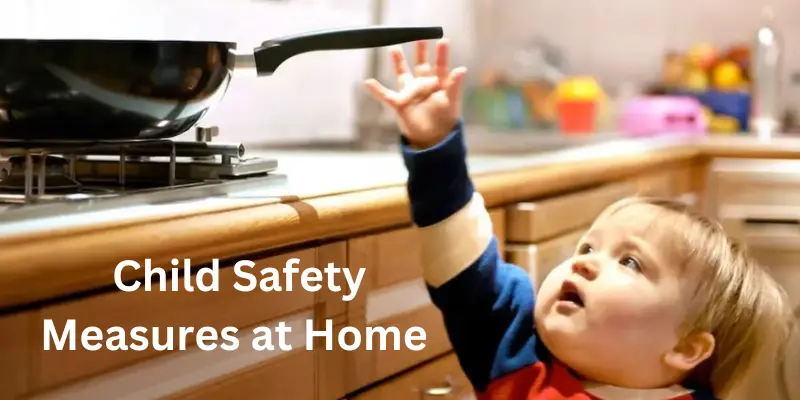
The U.S. Consumer Product Safety Commission recommends several practical childproofing measures, including window guards, furniture anchors, cabinet locks, safety gates, outlet protection, smoke alarms, and carbon monoxide alarms. It also emphasizes that safety devices must be correctly installed and maintained because no product can make a home completely childproof.
This guide explains practical child safety measures at home and shows parents how to identify and reduce common risks throughout the house.
Why Child Safety at Home Requires a Dedicated Approach
A home designed for adults is not automatically safe for children. Young children have different physical abilities, limited hazard awareness, and a natural tendency to touch, climb, pull, taste, and investigate unfamiliar objects.
Toddlers can reach higher places as they grow. A cabinet that was previously inaccessible may become reachable within a few months. A piece of furniture that seemed stable can become a climbing opportunity. A window that was considered harmless can become dangerous when a child learns how to move nearby furniture.
For this reason, how to ensure child safety at home should be treated as an ongoing process rather than a one-time childproofing project.
Parents should reassess the home whenever a child reaches a new developmental stage. Crawling, walking, climbing, opening drawers, reaching countertops, and using household objects independently all create new safety considerations.
A useful approach is to inspect the home from a child’s perspective. Get down to the child’s eye level and look for accessible cords, sharp edges, small objects, open cabinets, unstable furniture, reachable windows, and other potential hazards.
Create a Childproofing Plan for the Entire Home
Childproofing works best when the entire home is considered rather than focusing on one room.
Start with areas where children spend most of their time. Identify hazards according to three questions:
Can the child reach it?
Can the child pull, push, climb, open, or touch it?
What could happen if the child interacts with it?
This simple assessment can reveal hazards that adults may overlook.
Use appropriate locks and latches on cabinets and drawers containing medicines, cleaning products, sharp objects, and other dangerous items. Safety gates can restrict access to stairways and rooms containing hazards. Furniture and televisions should be anchored where appropriate.
The CPSC recommends safety latches and locks for cabinets and drawers, window guards or stops for preventing falls, and anchors for furniture and appliances that could tip over.
Childproofing products should be viewed as one layer of protection. They should complement supervision and safe household practices rather than replace them.
Keep Electrical Hazards Away From Children
Electrical safety is one of the most important parts of how to ensure child safety at home.
Young children may insert objects into outlets, pull cords, chew electrical cables, or touch appliances with wet hands. These behaviors can expose children to electric shock, burns, or other injuries.
Use appropriate outlet protection in accessible receptacles. The CPSC recommends outlet covers or tamper-resistant receptacles to reduce the risk of electrical shock to children.
Keep electrical cords organized and away from areas where children play. Do not allow children to pull appliances by their cords. Chargers, power adapters, extension cords, and power strips should also be kept out of reach when appropriate.
Damaged electrical cords should not remain in use. Parents should also avoid overloaded outlets and unsafe extension-cord arrangements.
For broader electrical precautions, see Electrical Safety at Home and Work.
Parents should never allow children to experiment with electrical equipment. Electrical repairs, wiring modifications, and other technical work should be handled by a qualified professional.
Make the Kitchen Safer for Children
The kitchen is one of the most important areas to address when considering child safety at home because it contains heat, sharp objects, electrical appliances, glassware, cleaning products, and potentially dangerous foods.
Keep knives and other sharp utensils in secure locations that children cannot access. Store scissors, peelers, graters, skewers, and other sharp tools safely.
Turn pot and pan handles inward on the stove where appropriate so children cannot easily grab them. Keep children away from active cooking areas, especially when hot oil, boiling water, ovens, or stovetops are being used.
Install cabinet locks where necessary. Cleaning products, detergents, matches, lighters, and other hazardous substances should be stored securely and out of children’s reach.
Freestanding ranges and stoves can also create tip-over and burn hazards. The CPSC recommends appropriate anti-tip protection for freestanding ranges and stoves.
Small food items and household objects can present choking risks for young children. Parents should consider the child’s age and developmental ability when deciding what foods and objects can safely be accessed.
For additional general home precautions, you can also read What Are Safety Precautions at Home: A Complete Home Safety Guide.
Prevent Burns and Scalds in the Kitchen and Bathroom
Hot liquids, cookware, appliances, and water can cause serious burns. Children may not recognize how quickly a hot object can injure them.
Keep cups containing hot drinks away from table edges and places where children can pull them down. Do not leave hot pans where handles are easily accessible.
Teach children that stovetops, ovens, kettles, irons, and other heat-producing equipment are not toys.
Bathroom water also requires attention. Children can suffer serious scald injuries from excessively hot water. The CPSC recommends setting water-heater temperature to 120°F or lower as a burn-prevention measure and using appropriate anti-scald devices where needed.
Never leave a young child unattended in a bathtub. The CPSC specifically advises caregivers to remain within arm’s reach when a baby is bathing.
Secure Medicines, Cleaning Products, and Chemicals
Poisoning prevention is a major part of how to ensure child safety at home.
Medicines, detergents, disinfectants, pesticides, automotive fluids, cosmetics, and other potentially hazardous products should be stored where children cannot access them.
Keep products in their original containers whenever possible. Labels provide important information about contents, hazards, and proper use.
Do not transfer chemicals into drinking bottles, food containers, or unmarked jars. A child may mistake an unfamiliar container for something safe.
Child-resistant packaging can reduce risk, but it should not be treated as childproof. The CPSC recommends keeping medicines and hazardous household products locked away and out of children’s reach even when child-resistant packaging is used.
Teach older children not to touch unknown substances and to ask an adult before using medicines, cleaning products, or chemicals.
Secure Furniture, Televisions, and Appliances
Furniture tip-over is an important but sometimes overlooked aspect of child safety at home.
Children naturally climb furniture. Dressers, bookcases, cabinets, television stands, and other tall items can become unstable if a child climbs, pulls, or hangs from them.
The CPSC’s Anchor It campaign recommends anchoring furniture and televisions to prevent tip-over incidents.
Secure appropriate furniture to the wall using suitable anti-tip hardware and follow the manufacturer’s installation instructions.
Keep attractive objects such as toys and remote controls away from the tops of furniture where they might encourage climbing.
Televisions should be placed on stable furniture designed to support them or securely mounted according to manufacturer instructions.
Do not assume that supervision alone eliminates the risk. The CPSC notes that furniture tip-overs can happen quickly even when caregivers are nearby.
Make Windows and Balconies Safer for Children
Windows can create serious fall hazards for young children.
Never rely on window screens to prevent children from falling. Screens are designed to keep insects out, not to support a child’s weight.
Use appropriate window guards or window stops where needed. Keep beds, chairs, sofas, and other climbable furniture away from windows.
The CPSC recommends window guards and stops and advises keeping furniture away from windows so children cannot easily climb toward an opening.
Window-covering cords can also create strangulation hazards. Cordless window coverings are preferable in homes with young children. If corded coverings remain, follow current safety guidance for securing or eliminating accessible cords.
For additional information about monitoring windows and doors, see Window Sensors for Home Security.
Use Safety Gates for Stairs and Restricted Areas
Stairs are particularly dangerous for toddlers who are still developing balance and coordination.
Use suitable safety gates to restrict access where necessary. Gates at the top of stairs should be securely mounted according to the manufacturer’s instructions.
Do not rely on lightweight barriers that a child can easily push aside or climb over.
Keep stairs clear of toys, shoes, bags, and other objects. Make sure handrails are secure and that stair lighting is adequate.
As children grow, reassess whether the existing gate remains appropriate. A gate that was effective for a crawling infant may not be sufficient for an active toddler.
Safety gates should complement supervision rather than replace it.
Prevent Choking Hazards
Small objects can become serious choking hazards for young children.
Inspect floors, play areas, bedrooms, and accessible storage spaces for small items. Coins, batteries, small toy components, jewelry, pen caps, magnets, and other small objects should be kept away from young children when they present a choking risk.
Toys should be appropriate for the child’s age and developmental stage. Inspect toys regularly for broken parts, loose components, cracked plastic, or damaged batteries.
Food also requires careful attention. Parents should follow age-appropriate feeding guidance and supervise young children while they eat.
Children should sit safely while eating rather than running, playing, or lying down with food in their mouths.
The CDC provides parent resources covering child safety topics including medication safety, food safety, water safety, playground safety, and other injury-prevention subjects.
Keep Bathrooms Safe for Young Children
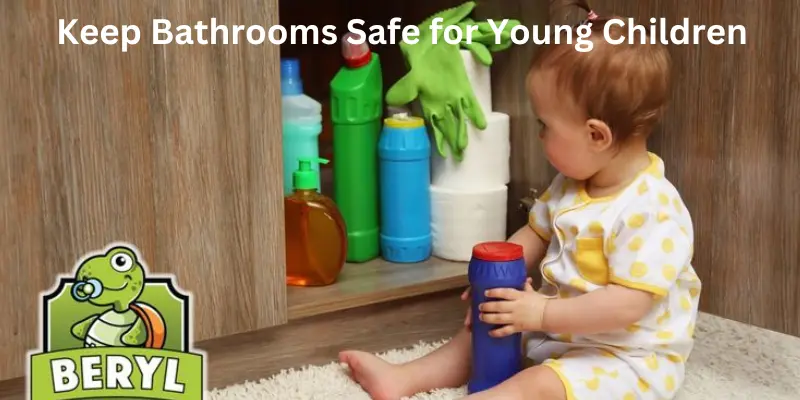
Bathrooms combine water, slippery surfaces, medications, cosmetics, electrical appliances, and hot water.
Keep medicines and personal-care products locked or otherwise inaccessible. Razors, nail tools, scissors, and other sharp items should also be stored securely.
Never leave a young child unattended in a bathtub, even for a short period. Stay within reach and prepare everything needed before bathing begins.
Keep electrical appliances such as hair dryers away from water. Unplug and store them safely when they are not being used.
Use suitable non-slip measures where needed and clean standing water promptly.
Bathroom doors can also be managed to prevent young children from entering without supervision when the room contains hazards.
Create a Safer Bedroom and Nursery
A child’s sleeping area should be arranged with safety as the priority.
For infants, use an appropriate sleep surface and follow current safe-sleep guidance. Keep loose objects and unsuitable items out of the baby’s sleeping environment.
Position furniture safely and keep cords away from sleeping and play areas.
Window access should be restricted appropriately, and window coverings should not have accessible cords that could create a strangulation risk.
Keep heaters and other heat-producing equipment away from bedding and combustible materials.
Inspect the room periodically as the child grows. A nursery designed for a non-mobile infant requires different precautions once the child begins crawling, standing, and climbing.
Reduce Risks From Doors and Entryways
Doors can create several risks for children. Fingers can become trapped in closing doors, children can enter restricted areas, and older toddlers may open exterior doors and wander outside.
Use appropriate door protection where needed, especially around rooms containing dangerous equipment or household chemicals.
Children should learn that exterior doors are not toys and should not be opened without permission.
Parents can also consider appropriate door-monitoring technology where it genuinely improves supervision. Door sensors can provide alerts when an entry point opens.
For information about door-monitoring technology, see Best Door Sensor Guide.
Door locks should still be used appropriately. Technology should supplement responsible supervision and physical safety measures rather than replace them.
Improve Fire Safety for Children
Fire safety should be an essential part of how to ensure child safety at home.
Install smoke alarms according to applicable requirements and manufacturer instructions. The CPSC recommends smoke alarms on every level, inside bedrooms, and outside sleeping areas. It also recommends testing alarms regularly.
Children should learn what a smoke alarm sounds like and what to do when they hear it.
Create a family escape plan that includes at least two ways to leave each sleeping area where practical. Identify a safe outdoor meeting point and practice the escape plan.
Keep matches, lighters, candles, and other ignition sources inaccessible to children.
Teach children that they should never hide during a fire. They should follow the family’s evacuation plan and tell an adult immediately when they see smoke or fire.
For more information about smoke detection technology, see Smart Smoke Detector: Revolutionizing Home Fire Safety.
Protect Children From Carbon Monoxide
Carbon monoxide is an invisible and odorless gas that can become dangerous when fuel-burning equipment or other sources produce it in enclosed spaces.
Install carbon monoxide alarms according to applicable requirements and manufacturer instructions. The CPSC recommends CO alarms outside sleeping areas and near each sleeping area.
Never allow vehicles or fuel-burning equipment to operate in unsafe enclosed spaces.
Heating equipment, fireplaces, furnaces, and other fuel-burning appliances should receive appropriate professional maintenance.
Children may not recognize symptoms or understand why they feel unwell. Parents and caregivers should take suspected carbon monoxide exposure seriously and leave the affected area when appropriate.
For additional information, see Smoke and Carbon Monoxide Detector: Ultimate Guide to Safety, Installation & Maintenance.
Make Outdoor Areas Safer for Children
Child safety does not stop at the front door.
Outdoor areas can contain pools, tools, gardening equipment, chemicals, uneven surfaces, electrical equipment, grills, and other hazards.
Keep gardening tools and power equipment secured when not in use. Store chemicals safely and prevent children from accessing fuel, pesticides, fertilizers, and other hazardous products.
Swimming pools and other bodies of water require continuous attention. Young children should never be left unsupervised around water.
Outdoor electrical equipment should be suitable for the environment and protected according to applicable requirements.
Check play areas for broken equipment, sharp edges, unstable structures, exposed fasteners, and other hazards.
Keep outdoor walkways clear of objects that could cause falls.
Teach Children Simple Safety Rules
Childproofing protects children from hazards, but teaching age-appropriate safety behavior builds another layer of protection.
Young children can learn simple rules such as:
Do not touch electrical outlets.
Do not open medicine cabinets without an adult.
Do not play near the stove.
Do not open the door for strangers.
Do not climb furniture or window areas.
Tell an adult when something looks dangerous.
Older children can gradually learn more advanced rules about fire, electricity, kitchen equipment, emergency communication, and safe outdoor behavior.
Children learn strongly through observation. Parents should demonstrate safe behavior rather than relying only on verbal instructions.
For broader safety concepts, you may also read What Is Safety: Essential Rules for Life-Saving Protection.
Use Child Safety Devices Correctly
Safety devices can provide valuable protection when selected and installed appropriately.
Common examples include:
- Safety gates
- Cabinet locks
- Drawer latches
- Outlet protection
- Furniture anchors
- Window guards
- Window stops
- Door locks
- Corner and edge protection
- Smoke alarms
- Carbon monoxide alarms
The CPSC emphasizes that child-safety devices must be correctly installed and maintained and that no safety device is completely childproof.
Inspect these products periodically. A loose safety gate, broken cabinet latch, detached furniture anchor, or damaged outlet cover may no longer provide the intended protection.
Follow the manufacturer’s instructions and replace damaged safety equipment.
Inspect the Home as Your Child Grows
A major part of how to ensure child safety at home is recognizing that the child’s abilities change continuously.
A crawling baby may not reach a countertop. A walking toddler may. A child who once needed help opening doors may eventually operate door handles independently.
Conduct a room-by-room review whenever your child reaches a new developmental stage.
Ask:
What can my child reach now?
What can my child climb?
What can my child open?
What can my child pull down?
What can fit into the child’s mouth?
Which rooms can the child enter independently?
This approach helps parents identify newly accessible hazards before an accident occurs.
Child Safety at Home Kitchen: Essential Daily Checks
The kitchen deserves a short daily safety review because conditions can change quickly.
Before children enter the cooking area, check that knives and other sharp objects are secure. Make sure hot cookware is positioned safely and that appliance cords are not hanging where a child can pull them.
Close and secure cabinets containing cleaning products, medicines, matches, sharp tools, and other dangerous items.
Keep children away from active cooking areas. Use the back burners when appropriate and turn handles away from the edge.
Clean spills promptly to reduce slipping risks.
The kitchen should be treated as a controlled environment during cooking rather than as an unrestricted play area.
How to Handle Household Emergencies With Children
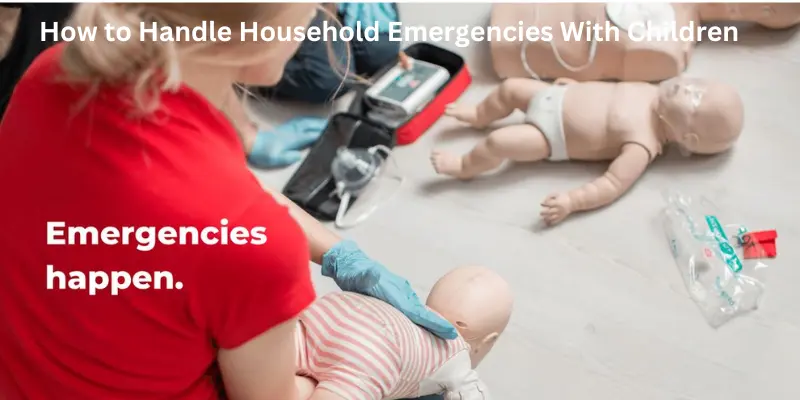
Emergency preparedness is an important part of child safety at home.
Children should know basic emergency instructions appropriate to their age. They should understand how to respond when a smoke alarm sounds, where to go during an evacuation, and which trusted adults they can contact.
Older children can learn how to contact emergency services and provide basic information such as their name, location, and the type of emergency.
Keep emergency exits accessible. Do not block doors, stairs, or evacuation routes with furniture, toys, boxes, or other objects.
Create an outdoor family meeting point where everyone can gather after evacuation.
Practice the plan periodically so children are familiar with the expected response.
Emergency drills should be calm and age-appropriate. The goal is to build confidence and familiarity rather than fear.
Common Child Safety Mistakes Parents Should Avoid
Some mistakes occur because parents become accustomed to familiar household conditions.
One common mistake is assuming that constant supervision is enough. Supervision is important, but children can move quickly and accidents can happen unexpectedly.
Another mistake is installing safety devices but failing to check whether they remain secure.
Parents may also overlook furniture near windows, accessible cords, unlocked cabinets, small objects, unstable appliances, and medications stored at reachable heights.
Do not assume child-resistant packaging makes a product completely safe. Do not assume window screens can prevent falls. Do not assume a heavy television cannot tip.
The CPSC specifically advises using window guards or stops, securing furniture and televisions, using cabinet locks, and keeping hazardous substances out of children’s reach.
Child Safety Home Checklist for Parents
Use this checklist during a room-by-room review:
- Install appropriate outlet protection.
- Secure electrical cords and keep damaged cords out of use.
- Lock cabinets containing medicines and chemicals.
- Store sharp kitchen tools securely.
- Keep children away from active cooking areas.
- Turn pot and pan handles away from the edge where appropriate.
- Secure televisions and unstable furniture.
- Keep furniture away from accessible windows.
- Install appropriate window guards or stops where needed.
- Secure or eliminate accessible window-covering cords.
- Use suitable safety gates around stairs.
- Keep small choking hazards away from young children.
- Keep bathroom medicines and electrical appliances inaccessible.
- Never leave young children unattended around water.
- Install and test smoke alarms appropriately.
- Install and maintain carbon monoxide alarms where required.
- Store matches, lighters, and ignition sources safely.
- Secure outdoor tools, chemicals, and equipment.
- Keep emergency exits clear.
- Review the safety setup whenever the child develops new abilities.
When Should Parents Seek Professional Help?
Some child-safety problems can be corrected through simple household changes, while others require professional assistance.
Electrical wiring, damaged electrical installations, gas appliances, structural concerns, major window modifications, and other technical issues should be evaluated by appropriately qualified professionals.
Parents should not attempt electrical repairs merely to make an area safer for children. An improperly repaired outlet or exposed wire can create a greater risk.
Professional assistance is also appropriate when a safety device requires specialized installation or when parents are unsure whether a home modification meets applicable requirements.
The goal of how to ensure child safety at home is not to encourage parents to become electricians, builders, or inspectors. It is to help families recognize risks and take appropriate action.
You May Also Read
For broader home-safety information and related protection topics, these articles can support your child-safety plan:
- What Are Safety Precautions at Home: A Complete Home Safety Guide
- Electrical Safety at Home and Work
- Window Sensors for Home Security
- Best Door Sensor Guide
- Smart Smoke Detector: Revolutionizing Home Fire Safety
- Smoke and Carbon Monoxide Detector Guide
- Leaf Home Safety Solutions Guide
- What Is Safety: Essential Rules for Life-Saving Protection
Final Thoughts on How to Ensure Child Safety at Home
Learning how to ensure child safety at home requires a combination of prevention, supervision, safe household design, appropriate safety devices, and education.
Parents should look beyond obvious dangers and consider how a child might interact with everyday objects. Electrical outlets, kitchen appliances, medicines, cleaning products, windows, furniture, stairs, bathrooms, water, doors, and outdoor equipment can all require age-appropriate precautions.
Childproofing should also evolve as children grow. A safe home for a crawling infant may require different measures when that child becomes a climbing toddler or an independent school-age child.
The strongest approach combines physical safeguards with responsible supervision and safety education. Families should regularly inspect their homes, maintain safety devices, correct hazards promptly, and obtain professional assistance when a problem involves electrical, structural, gas, or other specialized work.
A completely risk-free home is unrealistic, but a thoughtfully planned and regularly reviewed home can significantly reduce preventable dangers. Consistent attention to child safety at home helps create an environment where children can explore, learn, and grow with greater protection.
Frequently Asked Questions About Child Safety at Home
What is the most important part of child safety at home?
The most important part is creating multiple layers of protection. These include supervision, childproofing, secure storage, furniture anchoring, electrical protection, fire alarms, window safety, safe cooking practices, and teaching children age-appropriate safety rules.
How can I make my home safer for a toddler?
Secure medicines and chemicals, use cabinet locks, protect accessible electrical outlets, anchor furniture and televisions, install suitable safety gates, secure windows, remove small choking hazards, and keep sharp or hot objects out of reach.
How can I prevent electrical accidents involving children?
Use appropriate outlet protection, keep cords inaccessible, remove damaged electrical equipment from use, keep appliances away from water, and teach children never to touch outlets or electrical equipment without adult permission.
How can I make my kitchen safer for children?
Keep knives and sharp tools locked away, secure hazardous cabinets, keep children away from active cooking areas, turn handles inward where appropriate, store cleaning products safely, and prevent access to hot surfaces and appliances.
How do I prevent furniture from tipping over on children?
Anchor televisions, bookcases, dressers, cabinets, and other unstable furniture to the wall or floor using suitable anti-tip hardware and follow the manufacturer’s installation instructions. The CPSC’s Anchor It campaign provides additional guidance.
Are window screens enough to protect children?
No. Window screens are not designed to prevent children from falling. Appropriate window guards or stops may be necessary, and furniture should be kept away from windows to reduce climbing opportunities.
How often should I check child-safety equipment?
Inspect safety equipment regularly and whenever the child reaches a new developmental stage. Check gates, locks, furniture anchors, outlet protection, window guards, smoke alarms, and carbon monoxide alarms for damage, looseness, or malfunction.
Can childproofing completely eliminate household risks?
No. Childproofing can reduce many risks, but no safety device can make a home completely childproof. Supervision, education, maintenance, and ongoing assessment remain essential.
Please Write Your Comments