Electrical Hazards at Home: A Complete Guide to Identifying, Preventing, and Staying Safe (2026)
Updated: 8-Aug-2026
120
Electrical hazards at home are one of the leading causes of preventable injuries, property damage, and house fires. Every year, thousands of homes experience electrical accidents caused by overloaded circuits, damaged wiring, defective appliances, and improper electrical installations. Most of these incidents can be avoided through regular inspections, safe electrical practices, and awareness of common household risks. First of all every body must know regarding hazards.
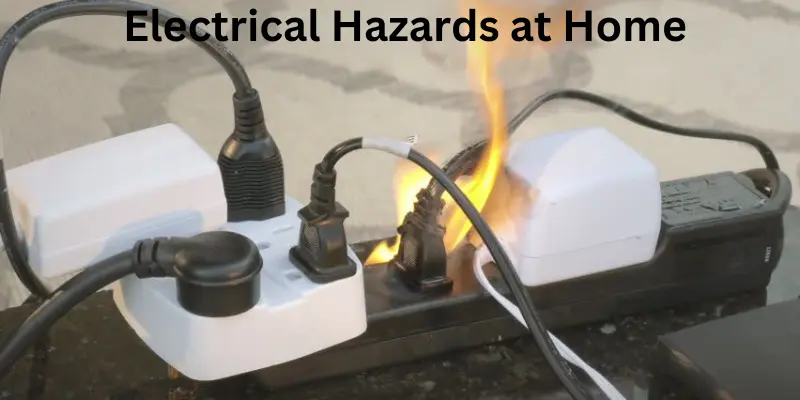
Understanding electrical hazards at home is essential for homeowners, tenants, landlords, and families. Whether you live in a small apartment or a large house, electrical systems power almost every daily activity. When these systems are poorly maintained or misused, they become serious safety hazards.
This guide explains the most common electrical dangers found in residential properties, why they occur, and the practical steps you can take to reduce the risk of electric shock, burns, and electrical fires. All home owners should must know the electrical tips at home.
What Are Electrical Hazards at Home?
Electrical hazards at home refer to any condition, equipment, wiring, or practice that can cause injury, electric shock, burns, explosions, or fire. These hazards may develop gradually due to aging electrical systems or appear suddenly because of damaged appliances or incorrect usage.
Many homeowners overlook warning signs because electrical problems often remain hidden behind walls, ceilings, or electrical panels. A loose wire or overloaded outlet may continue working for weeks before creating a dangerous situation.
Common household electrical hazards include:
- Damaged electrical cords
- Loose electrical outlets
- Overloaded extension cords
- Faulty circuit breakers
- Exposed electrical wiring
- Water near electrical appliances
- Poor grounding systems
- Defective electrical appliances
- DIY electrical repairs
- Aging electrical installations
Recognizing these hazards early significantly reduces the likelihood of serious accidents.
Why Understanding Electrical Hazards at Home Is Important
Electricity has become indispensable in modern homes. Lighting, heating, cooling, cooking, entertainment, and communication all depend on safe electrical systems.
Ignoring electrical safety can result in:
- Electric shocks
- Severe burns
- House fires
- Permanent injuries
- Appliance damage
- Power interruptions
- Expensive repair costs
- Fatal accidents
Children, elderly family members, and pets face even greater risks because they may unknowingly come into contact with unsafe electrical equipment.
Understanding electrical hazards helps homeowners:
- Identify hidden dangers
- Maintain electrical systems properly
- Reduce fire risks
- Protect expensive appliances
- Improve family safety
- Increase home value
- Comply with electrical safety standards
A proactive approach is always less costly than dealing with an electrical emergency.
Common Causes of Electrical Hazards at Home
Most household electrical accidents result from preventable problems rather than unavoidable failures.
Several factors contribute to unsafe electrical conditions.
Aging Electrical Wiring
Older homes often contain outdated wiring that was not designed for today’s electrical demands. Modern households use multiple air conditioners, microwave ovens, washing machines, computers, gaming systems, and charging devices simultaneously.
Old wiring can overheat because it cannot safely handle increased electrical loads.
Signs include:
- Frequently tripped breakers
- Flickering lights
- Warm outlets
- Burning odors
- Buzzing switches
Electrical upgrades become necessary when these symptoms appear.
Poor Installation Practices
Improper electrical installation creates long-term safety risks.
Common installation mistakes include:
- Loose wire connections
- Incorrect breaker sizing
- Missing grounding
- Poor insulation
- Improper cable routing
Hiring qualified electricians helps ensure that installations meet current electrical codes.
Damaged Electrical Equipment
Appliances naturally wear out over time.
Common problems include:
- Cracked insulation
- Broken plugs
- Loose internal wiring
- Damaged switches
- Burnt connectors
Damaged equipment should never remain in service.
Overloaded Electrical Circuits
Modern homes use far more electricity than homes built decades ago.
Running several high-power appliances from one circuit can overload the wiring.
Examples include operating:
- Electric heaters
- Air conditioners
- Microwave ovens
- Electric kettles
- Washing machines
all from the same outlet or extension board.
Overloaded circuits generate excessive heat that may ignite nearby combustible materials.
Types of Electrical Hazards at Home Every Family Should Know
Electrical hazards appear in many different forms. Some are visible while others remain hidden.
Understanding each type helps homeowners perform effective inspections.
Electric Shock Hazards
Electric shock occurs when electrical current passes through the human body.
Shock severity depends on:
- Voltage
- Current
- Exposure duration
- Body resistance
- Current path
Even relatively low household voltages can become deadly under certain conditions.
Shock hazards commonly result from:
- Wet hands touching switches
- Broken insulation
- Exposed wires
- Faulty appliances
- Damaged extension cords
Electrical Fire Hazards
Electrical fires usually begin because excessive heat ignites surrounding combustible materials.
Typical causes include:
- Loose electrical connections
- Overloaded outlets
- Faulty wiring
- Defective appliances
- Short circuits
Unlike cooking fires, electrical fires often start inside walls where they remain unnoticed until significant damage occurs.
Burn Hazards
Electrical burns may occur through direct contact or arc flashes.
Burns often affect:
- Hands
- Arms
- Face
- Internal tissues
Electrical burns usually require immediate medical treatment because internal damage may be more severe than visible injuries.
Arc Flash Hazards
Although more common in industrial workplaces, arc flashes may also occur in residential electrical panels.
An arc flash produces:
- Intense heat
- Bright light
- Molten metal particles
- Pressure waves
Opening electrical panels without proper knowledge increases exposure to these hazards.
Signs Your Home May Have Dangerous Electrical Problems
Many electrical hazards provide warning signs before causing serious accidents.
Homeowners should never ignore these indicators.
Frequently Tripping Circuit Breakers
Circuit breakers protect electrical systems from overloads.
Repeated breaker trips often indicate:
- Circuit overload
- Short circuit
- Faulty appliances
- Damaged wiring
Resetting breakers repeatedly without identifying the root cause increases safety risks.
Flickering Lights
Occasional flickering during storms may be normal.
Frequent flickering throughout the home can indicate:
- Loose wiring
- Failing switches
- Circuit overload
- Utility supply problems
Professional inspection helps determine the exact cause.
Burning Smell
A burning odor from outlets, switches, or electrical panels requires immediate attention.
Possible causes include:
- Melting insulation
- Overheating wires
- Loose electrical connections
- Overloaded circuits
Turn off power to the affected circuit immediately if it is safe to do so.
Warm Electrical Outlets
Electrical outlets should remain close to room temperature during normal operation.
Heat indicates excessive resistance caused by:
- Loose wiring
- Overloading
- Faulty outlets
- Internal damage
Warm outlets require prompt replacement.
Buzzing Sounds
Electricity normally operates quietly.
Buzzing, humming, or crackling sounds often suggest:
- Loose electrical contacts
- Faulty switches
- Damaged breakers
- Internal arcing
Ignoring these sounds may allow dangerous conditions to worsen.
High-Risk Areas Where Electrical Hazards at Home Commonly Exist
Some parts of the house naturally present greater electrical risks because of moisture, heavy appliance use, or increased electrical demand.
Kitchen
The kitchen contains numerous high-power appliances operating near water.
Potential hazards include:
- Wet countertops
- Damaged toaster cords
- Overloaded outlets
- Faulty microwave ovens
- Coffee makers near sinks
Ground Fault Circuit Interrupter (GFCI) outlets provide additional protection in these areas.
Bathroom
Bathrooms combine electricity and water, making them one of the most hazardous locations inside a home.
Common risks include:
- Hair dryers near sinks
- Electric shavers
- Water heaters
- Damaged exhaust fans
- Wet electrical outlets
Never handle electrical devices with wet hands.
Laundry Room
Washing machines and dryers consume significant electrical power.
Inspect regularly for:
- Damaged plugs
- Crushed cords
- Loose outlets
- Water leaks
- Improper grounding
Proper maintenance reduces both electrical and fire hazards.
Garage
Garages often contain power tools, extension cords, battery chargers, and outdoor electrical equipment.
Typical hazards include:
- Improper extension cord use
- Damaged portable tools
- Fuel stored near electrical equipment
- Exposed wiring
Maintaining a clean workspace minimizes these risks.
Basement
Basements frequently experience moisture problems.
Electrical hazards include:
- Floodwater contacting outlets
- Damp electrical panels
- Corroded wiring
- Water pumps with damaged cables
Electrical equipment should always remain dry and well maintained
Most Common Electrical Hazards at Home and How to Prevent Them
Every home contains dozens of electrical devices that make life more convenient. While these appliances are generally safe when used correctly, poor maintenance and unsafe practices can quickly create electrical hazards at home. Knowing where these risks exist allows homeowners to take preventive action before an accident occurs.
Damaged Power Cords
Power cords experience daily wear and tear. Repeated bending, twisting, pinching under furniture, or exposure to pets can damage the insulation surrounding electrical wires.
Signs of a damaged cord include:
- Frayed insulation
- Exposed copper wires
- Burn marks
- Loose plugs
- Cracked outer covering
Never repair damaged cords with ordinary tape. Replace the entire cord or have the appliance repaired by a qualified technician.
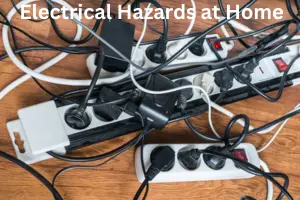
Overloaded Power Strips
Power strips provide additional outlets, but they are often misused.
Common overload situations include connecting several high-wattage appliances such as:
- Space heaters
- Air conditioners
- Microwave ovens
- Electric irons
- Portable induction cookers
Overloading generates excessive heat that may melt insulation and start a fire.
A power strip should never become warm during normal operation.
Misuse of Extension Cords
Extension cords are intended for temporary use only.
Unsafe practices include:
- Running cords under carpets
- Passing cords through doorways
- Connecting one extension cord to another
- Using indoor cords outdoors
- Leaving extension cords plugged in permanently
These practices increase heat buildup and insulation damage.
Whenever permanent power is needed, install additional electrical outlets instead.
Loose Electrical Outlets
Loose outlets create poor electrical contact between the plug and receptacle.
Poor contact produces electrical arcing, which creates intense heat.
Signs include:
- Plugs falling out easily
- Sparks during insertion
- Black discoloration
- Buzzing sounds
Replace loose outlets immediately.
Faulty Electrical Switches
Switches wear out after years of use.
Warning signs include:
- Crackling noises
- Delayed operation
- Sparks
- Excessive heat
- Physical damage
Ignoring these symptoms may result in short circuits or electrical fires.
Unsafe Household Appliances That Increase Electrical Risks
Electrical appliances simplify everyday life but require regular inspection.
Older appliances often develop hidden electrical faults that increase safety risks.
Electric Heaters
Portable electric heaters consume significant electrical current.
Safe usage includes:
- Keeping three feet away from combustible materials
- Plugging directly into wall outlets
- Avoiding extension cords
- Turning off before leaving the room
Never leave portable heaters unattended.
Electric Irons
Irons generate both heat and electrical current.
Safety practices include:
- Unplug after use
- Inspect cords regularly
- Store after cooling
- Avoid damaged sockets
A forgotten iron remains a major cause of residential fires.
Refrigerators
Although refrigerators operate continuously, homeowners often ignore their electrical condition.
Inspect regularly for:
- Damaged power cords
- Overheating compressors
- Loose wall outlets
- Dust around electrical components
Proper ventilation helps reduce overheating.
Washing Machines
Water leakage combined with electricity creates a dangerous combination.
Check for:
- Proper grounding
- Damaged plugs
- Wet electrical outlets
- Loose wiring
- Worn hoses causing leaks
Never operate electrical appliances while standing on wet floors.
Microwave Ovens
Microwave ovens contain high-voltage electrical components.
Common warning signs include:
- Door seal damage
- Burning smell
- Unusual noises
- Sparks inside the oven
Stop using the appliance until inspected if any abnormal condition develops.
Electrical Safety Devices Every Home Should Have
Modern electrical safety equipment significantly reduces the likelihood of injury and property damage.
Circuit Breakers
Circuit breakers automatically disconnect power during overloads or short circuits.
Benefits include:
- Preventing overheating
- Reducing fire risk
- Protecting wiring
- Limiting equipment damage
Never replace a breaker with one having a higher rating unless recommended by a licensed electrician.
Ground Fault Circuit Interrupters (GFCIs)
GFCIs detect tiny electrical current leaks and disconnect power almost instantly.
They are especially important in:
- Bathrooms
- Kitchens
- Garages
- Laundry rooms
- Outdoor outlets
- Basements
Testing GFCIs monthly ensures proper operation.
Arc Fault Circuit Interrupters (AFCIs)
AFCIs detect dangerous electrical arcing before it causes fires.
They provide additional protection in:
- Bedrooms
- Living rooms
- Hallways
- Home offices
Many modern electrical codes recommend or require AFCI protection in residential buildings.
Surge Protectors
Power surges can damage electronics within seconds.
Quality surge protectors help safeguard:
- Computers
- Televisions
- Gaming consoles
- Wi-Fi routers
- Home entertainment systems
Replace surge protectors after a major lightning event if recommended by the manufacturer.
Smoke Alarms
While not electrical protection devices, smoke alarms provide early warning if an electrical fire develops.
Install smoke alarms:
- Inside bedrooms
- Outside sleeping areas
- On every floor
- Near stairways
Test alarms every month and replace batteries as required.
Electrical Hazards at Home Around Children
Young children naturally explore their surroundings without understanding electrical dangers.
Parents should eliminate hazards before accidents occur.
Unprotected Electrical Outlets
Children may insert objects into outlets.
Install tamper-resistant outlet covers throughout the home.
Hanging Appliance Cords
Dangling cords attract children’s attention.
Secure cords behind furniture whenever possible.
Charging Devices
Phone chargers and tablet chargers remain plugged in continuously.
Unplug chargers when not in use to reduce unnecessary electrical risks.
Decorative Lighting
Holiday lights and decorative electrical items should remain out of children’s reach.
Inspect lighting before seasonal use.
Electrical Safety Tips for Older Adults
Older adults may experience reduced vision, mobility, and reaction time.
Simple improvements increase household safety.
Recommendations include:
- Improve lighting near outlets
- Label circuit breakers clearly
- Replace difficult-to-use switches
- Avoid overloaded outlets
- Schedule regular electrical inspections
Easy access to electrical controls helps during emergencies.
How to Safely Inspect Your Home for Electrical Hazards
Routine inspections identify problems before they become dangerous.
Homeowners can perform basic visual inspections without touching energized components.
Inspect the following:
Electrical Outlets
Look for:
- Burn marks
- Cracks
- Loose mounting
- Discoloration
- Heat damage
Electrical Cords
Inspect for:
- Fraying
- Cuts
- Exposed wires
- Loose plugs
- Twisting damage
Switches
Check whether switches:
- Operate smoothly
- Produce unusual sounds
- Feel warm
- Show discoloration
Electrical Panel
Only perform a visual inspection.
Look for:
- Rust
- Water damage
- Burning odors
- Loose cover plates
Leave internal inspection to qualified electricians.
Electrical Safety Rules Every Family Should Follow
Simple daily habits greatly reduce electrical hazards at home.
Important rules include:
- Never overload electrical outlets.
- Keep electrical devices away from water.
- Replace damaged cords immediately.
- Unplug appliances before cleaning.
- Use properly rated extension cords.
- Switch off power before replacing light fixtures.
- Keep electrical panels accessible.
- Teach children electrical safety.
- Avoid DIY electrical repairs beyond your skill level.
- Schedule professional inspections for older homes.
Consistent safety habits protect both people and property.
Mistakes Homeowners Frequently Make
Many electrical accidents occur because of avoidable mistakes.
Common examples include:
- Ignoring flickering lights
- Resetting breakers repeatedly
- Using damaged extension cords
- Covering electrical cords with rugs
- Plugging heaters into power strips
- Operating appliances with wet hands
- Delaying electrical repairs
- Installing incorrect replacement fuses
- Blocking electrical panels with storage items
Correcting these habits significantly improves household electrical safety.
When Should You Call a Qualified Electrician?
Certain electrical issues require immediate professional attention.
Contact a licensed electrician if you notice:
- Burning smells
- Frequent breaker trips
- Repeated power outages
- Buzzing electrical panels
- Exposed wiring
- Water entering electrical equipment
- Hot outlets
- Sparking switches
- Major home renovations requiring new wiring
- Installation of high-power appliances
Professional inspections are also recommended every few years for older homes, especially those with aging electrical systems.
What to Do During an Electrical Emergency at Home
Despite taking preventive measures, electrical emergencies can still occur. Knowing how to respond quickly and safely can reduce injuries and minimize property damage. Every family should have a basic emergency plan that includes electrical safety procedures.
If you notice smoke, sparks, or flames coming from an appliance or electrical outlet, remain calm and act carefully.
Follow these steps:
- Turn off the power at the main circuit breaker if it is safe to do so.
- Never touch exposed wires or damaged electrical equipment.
- Keep children and pets away from the affected area.
- Use a Class C or multipurpose (ABC) fire extinguisher for small electrical fires.
- Evacuate immediately if the fire begins spreading.
- Call your local emergency services after reaching a safe location.
Never attempt to fight a large electrical fire yourself.
How to Respond to an Electric Shock
An electric shock can range from mild to life-threatening. Even if the person appears unharmed, medical evaluation is recommended because electrical current may cause internal injuries.
If someone receives an electric shock:
- Do not touch the victim while they are still in contact with the electrical source.
- Switch off the electricity from the main breaker or unplug the appliance if it is safe.
- Use a dry wooden stick, plastic object, or another non-conductive material to separate the person from the electrical source if necessary.
- Call emergency medical services immediately.
- Check breathing and responsiveness.
- Begin CPR only if you are trained and it is safe to do so.
- Treat visible burns with clean, dry dressings until medical help arrives.
Quick action can save lives while preventing additional injuries.
Electrical Fire Prevention Tips for Every Home
Most residential electrical fires develop slowly before becoming noticeable. Regular maintenance and safe habits greatly reduce the risk.
Practical fire prevention measures include:
- Replace damaged wiring promptly.
- Avoid overloading electrical outlets.
- Install smoke alarms on every level of the house.
- Test smoke alarms monthly.
- Keep combustible materials away from electrical equipment.
- Use only certified electrical products.
- Inspect extension cords before each use.
- Turn off appliances when not in use.
- Keep electrical panels free from dust and moisture.
- Arrange professional inspections for older homes.
Fire prevention starts with identifying small electrical problems before they become dangerous.
Seasonal Electrical Hazards at Home
Electrical risks change throughout the year as different appliances and decorations are used.
Summer Electrical Safety
During hot weather, electricity usage increases because of cooling equipment.
Watch for:
- Overloaded air conditioning circuits
- Outdoor extension cords exposed to sunlight
- Pool equipment near water
- Fans with damaged cords
Ensure cooling equipment has adequate ventilation.
Monsoon and Rainy Season Safety
Rain significantly increases electrical risks.
Safety practices include:
- Keep electrical appliances dry.
- Repair roof leaks immediately.
- Never touch electrical equipment with wet hands.
- Inspect outdoor wiring after storms.
- Disconnect outdoor electrical equipment during severe weather if practical.
Moisture increases the chance of electric shock and insulation failure.
Winter Electrical Safety
Portable heating devices are widely used during colder months.
Safety recommendations include:
- Keep heaters away from curtains and furniture.
- Avoid using extension cords with heaters.
- Inspect heating equipment before winter begins.
- Turn heaters off before sleeping or leaving the room.
Heating equipment should always have adequate clearance from combustible materials.
Holiday Lighting Safety
Decorative lighting adds beauty to celebrations but also increases electrical hazards.
Safe practices include:
- Inspect light strings for damaged insulation.
- Avoid connecting too many light sets together.
- Use outdoor-rated lighting outdoors.
- Turn decorative lights off before sleeping.
Replace damaged decorative lighting immediately.
Electrical Maintenance Checklist for Homeowners
Routine maintenance helps identify potential electrical hazards at home before they become serious problems.
Monthly Checklist
- Test GFCI outlets.
- Check smoke alarms.
- Inspect extension cords.
- Examine appliance plugs.
- Look for loose outlets.
- Remove dust around electrical equipment.
Every Six Months
- Inspect outdoor electrical outlets.
- Check garage wiring.
- Examine power strips.
- Test surge protectors.
- Verify breaker labels remain accurate.
Annual Checklist
- Inspect the electrical panel externally.
- Check attic and basement wiring where accessible.
- Examine outdoor lighting systems.
- Inspect major household appliances.
- Schedule a professional inspection if your home has older wiring or recurring electrical issues.
Consistent maintenance extends the life of electrical systems and improves overall home safety.
Best Practices for Reducing Electrical Hazards at Home
Developing safe daily habits is one of the most effective ways to prevent electrical accidents.
Follow these best practices:
- Use electrical appliances according to the manufacturer’s instructions.
- Replace worn electrical accessories immediately.
- Keep liquids away from electrical devices.
- Avoid running cords under furniture or rugs.
- Do not overload extension cords or power strips.
- Label circuit breakers clearly.
- Keep electrical panels easily accessible.
- Teach every family member how to disconnect power safely.
- Hire licensed electricians for major repairs and installations.
- Perform routine visual inspections throughout the year.
Simple precautions can prevent costly repairs and serious injuries.
Frequently Asked Questions About Electrical Hazards at Home
Can old wiring increase electrical hazards at home?
Yes. Aging wiring may have deteriorated insulation, loose connections, or insufficient capacity for modern electrical loads. Older homes should be inspected periodically by a qualified electrician.
How often should a home’s electrical system be inspected?
Most homes benefit from a professional inspection every three to five years. Homes over 25 years old or properties with recurring electrical problems may require more frequent inspections.
Is it safe to leave chargers plugged in all the time?
While many modern chargers are designed for continuous connection, unplugging them when not in use reduces unnecessary energy consumption and minimizes potential overheating.
Why do circuit breakers keep tripping?
Frequent breaker trips may indicate overloaded circuits, faulty appliances, short circuits, or wiring problems. Repeatedly resetting a breaker without identifying the cause is unsafe.
Are extension cords safe for permanent use?
No. Extension cords are designed for temporary use. If additional outlets are needed, have permanent outlets installed by a qualified electrician.
What should I do if an outlet feels hot?
Stop using the outlet immediately and switch off power to the circuit if it is safe. A hot outlet may indicate loose wiring or an overloaded circuit and should be inspected promptly.
Conclusion
Electrical hazards are present in nearly every home, but most accidents are preventable through awareness, routine maintenance, and responsible electrical practices. From damaged wiring and overloaded circuits to defective appliances and improper extension cord use, each hazard has the potential to cause electric shocks, burns, or devastating house fires if ignored.
Making electrical safety a regular part of home maintenance protects your family, visitors, and valuable property. Inspect outlets, cords, switches, and appliances regularly, install modern protective devices such as GFCIs and AFCIs, and avoid temporary fixes for electrical problems. Small warning signs like flickering lights, buzzing outlets, or burning odors should never be ignored.
By understanding electrical hazards at home and following proven safety practices throughout the year, homeowners can significantly reduce risks and create a safer living environment for everyone. When electrical work goes beyond basic maintenance, always rely on a qualified electrician to ensure repairs and installations meet current safety standards.
Key Takeaways
- Electrical hazards at home can lead to electric shocks, burns, appliance damage, and house fires.
- Common hazards include overloaded outlets, damaged wiring, faulty appliances, loose switches, and improper use of extension cords.
- Kitchens, bathrooms, laundry rooms, garages, and basements require extra electrical safety because of moisture and heavy appliance use.
- GFCIs, AFCIs, circuit breakers, surge protectors, and smoke alarms provide essential protection against electrical accidents.
- Regular inspections and preventive maintenance help identify problems before they become serious.
- Never ignore burning smells, hot outlets, frequent breaker trips, or sparking switches.
- Teach every family member safe electrical practices and emergency response procedures.
- For complex repairs, electrical upgrades, or recurring issues, always hire a licensed electrician.
Please Write Your Comments