Electrical Safety Tips for Homeowners: Complete Guide to Prevent Shocks, Fires & Electrical Hazards (2026)
Updated: 26-Jul-2026
89
Electrical hazards are among the leading causes of home fires, electric shocks, burns, and property damage. Many incidents occur because of overloaded outlets, damaged wiring, faulty appliances, poor maintenance, or unsafe electrical practices. While modern homes include safety features such as circuit breakers and Ground Fault Circuit Interrupter (GFCI) outlets, homeowners still play the most important role in preventing electrical accidents.
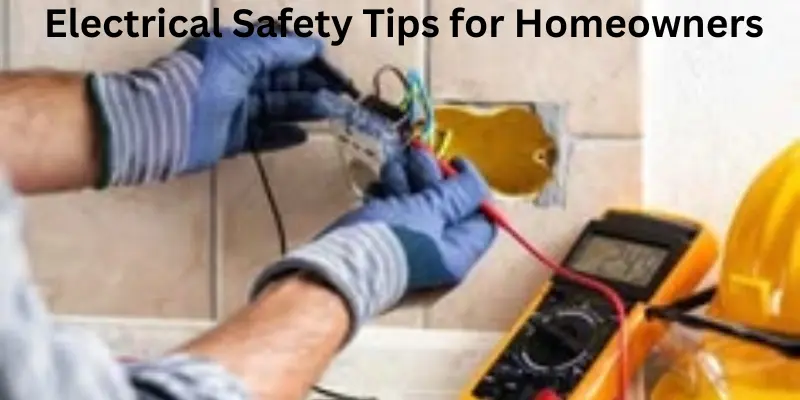
Following practical electrical safety tips for homeowners protects your family, reduces fire risks, extends the lifespan of electrical equipment, and helps avoid expensive repairs. Simple habits like inspecting power cords, avoiding overloaded sockets, and using certified electrical products can significantly reduce household dangers.
As a safety professional, I have seen that many home electrical accidents could have been prevented through routine inspections and safe operating practices. Electrical safety is not only about complying with regulations but also about building safe habits that protect lives every day.
This comprehensive guide explains proven electrical safety tips for homeowners, common household electrical hazards, warning signs of dangerous wiring, maintenance practices, and practical safety checklists that every homeowner should follow.
Why Electrical Safety Matters for Every Homeowner
Electricity powers lighting, heating, cooling systems, kitchen appliances, entertainment devices, computers, and security systems. Because electricity is used continuously, even small electrical defects can become major hazards if ignored.
Good electrical safety practices help homeowners:
- Prevent electrical shocks and electrocution
- Reduce the risk of electrical fires
- Protect expensive home appliances
- Extend the life of electrical systems
- Improve household safety
- Lower repair costs
- Protect children and elderly family members
- Reduce insurance risks
A safe electrical system provides peace of mind while ensuring your home remains secure throughout the year.
Common Electrical Hazards Found in Homes
Understanding household electrical hazards is the first step toward preventing accidents.
Damaged Electrical Cords
Power cords naturally wear out over time. Cracked insulation, exposed wires, broken plugs, or bent connectors increase the risk of electric shock and short circuits.
Replace damaged cords immediately instead of repairing them with tape.
Overloaded Electrical Outlets
Connecting several high-powered appliances to one outlet generates excessive heat.
Common overload situations include:
- Multiple heaters
- Microwave ovens
- Refrigerators
- Air conditioners
- Electric kettles
- Washing machines
Each outlet has a safe electrical load. Exceeding it may trip breakers or cause overheating.
Old or Faulty Home Wiring
Older homes often contain outdated electrical wiring that cannot safely support modern electrical loads.
Warning signs include:
- Frequently tripping breakers
- Flickering lights
- Burning smell
- Warm wall outlets
- Buzzing sounds
- Discoloured switch plates
Professional inspection is recommended whenever these symptoms appear.
Improper Extension Cord Use
Extension cords are designed for temporary use only.
Unsafe practices include:
- Running cords under carpets
- Connecting multiple extension cords together
- Using indoor cords outdoors
- Overloading power strips
These practices increase overheating and fire risks.
Water Near Electricity
Bathrooms, kitchens, laundry rooms, and outdoor areas expose electrical equipment to moisture.
Water greatly increases the chance of electric shock.
Use GFCI outlets wherever water may come into contact with electrical equipment.
Faulty Electrical Appliances
Old appliances may develop damaged insulation, loose wiring, overheating motors, or defective switches.
Stop using appliances immediately if they:
- Produce sparks
- Emit burning smells
- Generate excessive heat
- Cause repeated breaker trips
- Deliver mild electric shocks
Electrical Safety Tips for Homeowners to Prevent Household Accidents
Following these proven practices significantly improves household electrical safety.
Inspect Electrical Cords Regularly
Examine every power cord every few months.
Look for:
- Cuts
- Cracks
- Loose plugs
- Exposed wires
- Burn marks
Replace damaged cords immediately.
Avoid Overloading Wall Outlets
Every outlet has electrical limits.
Distribute appliances across different circuits rather than plugging everything into one socket.
Large appliances should have dedicated outlets whenever possible.
Never Ignore Tripped Circuit Breakers
Circuit breakers trip for a reason.
Repeated breaker trips may indicate:
- Circuit overload
- Short circuit
- Ground fault
- Faulty appliance
- Wiring defect
Resetting breakers repeatedly without investigation is unsafe.
Install GFCI Protection
Ground Fault Circuit Interrupters disconnect electricity within milliseconds when leakage current is detected.
Install GFCIs in:
- Bathrooms
- Kitchens
- Laundry rooms
- Garages
- Outdoor outlets
- Basements
Test them monthly using the TEST and RESET buttons.
Keep Electrical Devices Dry
Never handle electrical equipment with wet hands.
Keep appliances away from:
- Sinks
- Bathtubs
- Swimming pools
- Wet floors
Dry hands before plugging in or unplugging equipment.
Replace Loose Electrical Outlets
Loose plugs create poor electrical contact, producing heat and sparks.
If plugs frequently fall out of outlets, replace the receptacle promptly.
Use Certified Electrical Products
Purchase electrical equipment certified by recognised testing organisations.
Cheap, untested electrical products often fail safety standards.
Quality products provide better insulation and improved fire protection.
Switch Off Appliances When Not in Use
Turning off unused appliances reduces:
- Fire risk
- Energy consumption
- Electrical wear
- Heat generation
Unplug devices that are not required for extended periods.
Keep Children Away from Electrical Hazards
Children naturally explore their surroundings.
Install:
- Tamper-resistant outlets
- Outlet covers
- Cord organisers
- Safety gates where needed
Teach children never to insert objects into outlets.
Avoid DIY Electrical Repairs
Replacing light bulbs is generally safe.
Major electrical work involving wiring, circuit breakers, electrical panels, or new circuits should always be performed by qualified electricians.
Improper repairs can create hidden hazards that remain unnoticed until an accident occurs.
Room-by-Room Electrical Safety Tips for Homeowners
Every room presents unique electrical hazards. Understanding these risks allows homeowners to create a safer living environment and reduce the likelihood of electrical accidents.
Kitchen Electrical Safety
The kitchen contains several high-powered appliances that draw significant electricity. Water, steam, and metal surfaces also increase the risk of electric shock.
Follow these electrical safety tips for homeowners in the kitchen:
- Keep countertop appliances away from sinks.
- Use GFCI outlets for all countertop receptacles.
- Never overload kitchen outlets with multiple high-wattage appliances.
- Unplug appliances before cleaning.
- Inspect appliance cords regularly.
- Avoid using damaged extension cords.
- Replace cracked outlet covers immediately.
- Keep electrical appliances dry.
Coffee makers, microwaves, air fryers, blenders, electric kettles, and toaster ovens should each have adequate electrical capacity.
Bathroom Electrical Safety
Bathrooms are among the most dangerous areas because water is an excellent conductor of electricity.
Safe practices include:
- Install GFCI outlets.
- Never use hair dryers near filled bathtubs.
- Keep electrical devices away from water.
- Dry hands before touching switches.
- Unplug grooming appliances after use.
- Store appliances inside cabinets after cooling.
- Replace damaged outlets promptly.
Never plug portable heaters into bathroom extension cords.
Bedroom Electrical Safety
Bedrooms often contain multiple charging devices, lamps, televisions, heaters, and extension cords.
Improve safety by:
- Avoiding overloaded bedside outlets.
- Using certified phone chargers.
- Replacing damaged lamp cords.
- Keeping cords away from beds.
- Unplugging electric blankets during warm seasons.
- Avoiding extension cords under rugs.
- Installing smoke alarms nearby.
Charging devices should be placed on hard surfaces rather than beds or sofas to prevent overheating.
Living Room Electrical Safety
Living rooms usually contain entertainment systems with numerous electronic devices.
Safe practices include:
- Use surge protectors for televisions and computers.
- Organize cords neatly.
- Avoid daisy-chaining power strips.
- Leave adequate ventilation around electronics.
- Keep children from pulling cords.
- Replace damaged cables immediately.
Large televisions should be connected to properly grounded outlets.
Garage and Workshop Electrical Safety
Garages often contain power tools, battery chargers, compressors, and outdoor equipment.
Recommended precautions include:
- Use heavy-duty grounded outlets.
- Keep flammable materials away from electrical equipment.
- Inspect tool cords before every use.
- Disconnect tools before changing blades.
- Store extension cords properly.
- Keep work areas dry.
Never operate electrical power tools while standing on wet surfaces.
Outdoor Electrical Safety Tips for Homeowners
Outdoor electrical systems are exposed to rain, sunlight, dust, insects, and temperature changes.
Protect outdoor electrical equipment by:
- Installing weatherproof outlet covers.
- Using outdoor-rated extension cords.
- Keeping cords away from standing water.
- Inspecting landscape lighting regularly.
- Replacing cracked outdoor receptacles.
- Avoiding electrical work during rain.
- Using GFCI protection outdoors.
Outdoor decorations should also be certified for exterior use.
Electrical Safety Tips for Homeowners During the Rainy Season
Heavy rain increases electrical hazards due to moisture entering outlets, wiring, and outdoor equipment.
Important rainy-season precautions include:
- Inspect outdoor electrical panels.
- Keep electrical appliances dry.
- Repair roof leaks near electrical wiring.
- Replace damaged weather seals.
- Disconnect outdoor equipment during storms.
- Never touch flooded electrical equipment.
- Call a qualified electrician if water reaches electrical panels.
After flooding, electrical systems should be professionally inspected before being energized again.
Protect Your Home from Electrical Fires
Electrical fires often develop slowly before becoming visible. Identifying hazards early greatly reduces the chance of a major fire.
Common causes include:
- Faulty wiring
- Loose electrical connections
- Overloaded circuits
- Aging electrical panels
- Damaged insulation
- Defective appliances
- Poor electrical maintenance
Preventive maintenance remains the most effective defense.
Install Smoke Alarms Near Electrical Areas
Smoke alarms provide early warning if an electrical fire begins.
Install alarms:
- Near bedrooms
- Hallways
- Living areas
- Basements
- Utility rooms
Test alarms every month and replace batteries according to the manufacturer’s recommendations.
Avoid Overheating Electrical Equipment
Electrical equipment requires proper airflow to dissipate heat.
Avoid:
- Covering chargers with blankets.
- Blocking ventilation openings.
- Storing papers around electrical panels.
- Placing electronics inside enclosed cabinets without ventilation.
Heat buildup shortens equipment life and increases fire risk.
Protect Electronics with Surge Protectors
Power surges can occur because of lightning, utility disturbances, or large appliances cycling on and off.
Quality surge protectors help safeguard:
- Computers
- Smart televisions
- Gaming systems
- Wi-Fi routers
- Home office equipment
- Security systems
Whole-house surge protection provides additional protection for sensitive electronics.
Warning Signs of Electrical Problems You Should Never Ignore
Recognizing early warning signs allows homeowners to address issues before they become dangerous.
Watch for:
- Frequent breaker trips
- Flickering lights
- Warm outlets
- Burning odors
- Buzzing switches
- Sparking outlets
- Loose plugs
- Electric shocks when touching appliances
- Discolored switches
- Hot extension cords
Any of these symptoms indicate that professional inspection is necessary.
Electrical Safety Tips for Families with Children
Young children are naturally curious and may unknowingly interact with electrical hazards.
Protect children by:
- Installing tamper-resistant receptacles.
- Using outlet safety covers.
- Securing loose electrical cords.
- Keeping chargers out of reach.
- Teaching children never to insert objects into outlets.
- Supervising the use of electrical toys.
- Storing power tools securely.
- Explaining basic electrical safety from an early age.
Regular family discussions about electrical safety help reinforce safe habits.
Electrical Safety Tips for Senior Citizens
Older adults may face additional risks due to reduced mobility or vision.
Helpful measures include:
- Ensure switches are easily accessible.
- Install adequate lighting in hallways and staircases.
- Replace worn extension cords.
- Avoid trailing cords across walking paths.
- Label circuit breakers clearly.
- Use easy-to-reach power switches.
- Schedule regular electrical inspections.
Simple improvements can greatly reduce the risk of falls and electrical accidents.
Common Electrical Safety Mistakes Homeowners Make
Many household electrical accidents result from everyday habits that seem harmless.
Common mistakes include:
- Overloading extension cords.
- Ignoring unusual electrical smells.
- Using damaged chargers.
- Running cords beneath carpets.
- Plugging heaters into power strips.
- Attempting DIY wiring repairs.
- Ignoring flickering lights.
- Using indoor extension cords outdoors.
- Covering power adapters with clothing.
- Failing to replace damaged outlets.
Avoiding these mistakes helps create a much safer home.
When Should You Call a Licensed Electrician?
Some electrical issues require professional attention rather than temporary fixes.
Contact a qualified electrician if you notice:
- Breakers that trip repeatedly.
- Frequent power fluctuations.
- Burning smells from outlets.
- Sparking switches.
- Water damage near electrical wiring.
- Aging electrical panels.
- Aluminum wiring in older homes.
- New appliance installations requiring dedicated circuits.
- Whole-house rewiring needs.
- Electrical issues after storms or flooding.
Professional inspections help identify hidden hazards before they lead to costly damage or serious injury.
Home Electrical Safety Inspection Checklist
A routine inspection helps identify small electrical issues before they become serious hazards. Homeowners should perform a visual inspection every month and arrange a professional electrical inspection every few years, especially in older homes.
Use this practical electrical safety tips for homeowners checklist:
- Inspect all electrical cords for cracks, cuts, or exposed wires.
- Test GFCI outlets using the TEST and RESET buttons.
- Check smoke alarms and replace batteries if required.
- Verify that extension cords are in good condition.
- Ensure outlets are not overloaded.
- Look for scorch marks around outlets and switches.
- Confirm that circuit breakers are correctly labeled.
- Inspect outdoor outlets and weatherproof covers.
- Remove dust from electrical appliances and vents.
- Check surge protectors for damage.
- Ensure electrical panels remain accessible.
- Replace damaged outlet covers immediately.
- Confirm that plugs fit securely into outlets.
- Look for flickering lights or buzzing sounds.
- Schedule repairs for any electrical defects.
Keeping a written inspection record helps track recurring problems and maintenance history.
Seasonal Electrical Safety Tips for Homeowners
Electrical safety needs vary throughout the year. Seasonal inspections help prepare your home for changing weather conditions and increased electrical demand.
Summer
High temperatures increase electricity consumption because of air conditioners and cooling equipment.
Recommended practices include:
- Inspect air conditioner power cords.
- Clean dust from cooling equipment.
- Avoid overloading circuits with portable fans.
- Keep outdoor electrical equipment dry.
- Check extension cords used for outdoor activities.
Monsoon and Rainy Season
Heavy rainfall increases the risk of moisture-related electrical faults.
Follow these precautions:
- Inspect outdoor wiring for damage.
- Replace cracked weatherproof outlet covers.
- Keep extension cords out of standing water.
- Avoid touching electrical equipment with wet hands.
- Disconnect outdoor electrical devices during severe storms.
Winter
Portable heaters, electric blankets, and decorative lighting increase electrical loads during colder months.
Safety recommendations include:
- Keep portable heaters away from combustible materials.
- Plug heaters directly into wall outlets.
- Inspect holiday lighting before installation.
- Replace damaged decorative light strings.
- Avoid connecting multiple extension cords together.
Electrical Safety During Home Renovations
Home improvement projects often involve temporary wiring, power tools, and additional electrical equipment.
Protect yourself by:
- Turning off power before beginning electrical work.
- Locating hidden wiring before drilling walls.
- Using insulated tools when working near electrical systems.
- Installing additional circuits instead of overloading existing ones.
- Hiring qualified electricians for panel upgrades.
- Obtaining required permits where applicable.
- Testing new installations before regular use.
Electrical systems should never be modified without understanding local electrical codes and safety requirements.
Electrical Safety Tips When Using Extension Cords
Extension cords provide temporary convenience but should never replace permanent wiring.
Best practices include:
- Select the correct cord rating for the intended load.
- Use grounded extension cords for grounded equipment.
- Fully uncoil extension cords during use.
- Keep cords away from heat sources.
- Never staple extension cords to walls.
- Replace cords showing wear or damage.
- Disconnect cords by pulling the plug rather than the cable.
Using extension cords properly reduces overheating and prevents insulation damage.
How to Respond to an Electrical Emergency
Knowing how to react during an electrical emergency can help minimize injuries and property damage.
If someone receives an electric shock:
- Do not touch the person until the electrical source has been disconnected.
- Turn off electricity at the main breaker if it is safe to do so.
- Use a non-conductive object, such as a dry wooden stick, to separate the person from the electrical source if the power cannot be switched off immediately.
- Call emergency services immediately.
- Begin first aid or CPR only if you are trained and the area is safe.
- Seek medical evaluation even if injuries appear minor.
If an electrical fire starts:
- Switch off electricity if it can be done safely.
- Use a Class C or multi-purpose (ABC) fire extinguisher suitable for electrical fires.
- Never use water on energized electrical equipment.
- Evacuate the home if the fire spreads.
- Contact the fire department immediately.
Quick and appropriate action can significantly reduce the severity of an electrical emergency.
Benefits of Following Electrical Safety Tips for Homeowners
Consistently applying safe electrical practices provides long-term advantages beyond accident prevention.
Major benefits include:
- Lower risk of electrical fires.
- Reduced chance of electric shock.
- Longer lifespan of electrical appliances.
- Improved home safety.
- Lower maintenance and repair costs.
- Better energy efficiency.
- Increased property value.
- Greater protection for children, seniors, and pets.
- Improved reliability of the home’s electrical system.
- Peace of mind for homeowners.
Electrical safety is an investment in both your family’s well-being and your home’s long-term value.
Frequently Asked Questions
What is the most important electrical safety tip for homeowners?
Avoid overloading outlets, inspect electrical cords regularly, and address damaged wiring or outlets immediately. Routine inspections are one of the most effective ways to prevent electrical accidents.
How often should a home’s electrical system be inspected?
Homeowners should perform a basic visual inspection each month. A comprehensive inspection by a qualified electrician is recommended periodically, particularly for older homes or after major renovations.
Is it safe to use extension cords permanently?
No. Extension cords are designed for temporary use. Permanent electrical needs should be met by installing additional outlets or dedicated circuits.
Why do circuit breakers keep tripping?
Frequent breaker trips may indicate overloaded circuits, faulty appliances, short circuits, or wiring problems. Repeatedly resetting a breaker without identifying the cause is unsafe.
Should all bathrooms and kitchens have GFCI outlets?
Yes. GFCI outlets provide added protection in areas where water and electricity may come into contact, reducing the risk of electric shock.
Can damaged phone chargers become dangerous?
Yes. Frayed cables, loose connectors, or damaged adapters can overheat, cause electric shocks, or start fires. Replace damaged chargers immediately.
When should I replace electrical outlets?
Replace outlets if they are loose, cracked, discolored, warm to the touch, sparking, or no longer hold plugs securely.
Are whole-house surge protectors worth installing?
They provide an additional layer of protection against power surges caused by lightning or utility disturbances and help protect sensitive electronics and appliances.
Conclusion
Practicing electrical safety tips for homeowners is one of the most effective ways to prevent electric shocks, electrical fires, equipment damage, and costly repairs. Safe electrical habits begin with regular inspections, proper use of outlets and extension cords, timely replacement of damaged components, and prompt attention to warning signs such as flickering lights, burning odors, or frequently tripping circuit breakers.
Every homeowner should understand that electrical safety is an ongoing responsibility rather than a one-time task. Simple preventive measures, combined with periodic inspections by qualified professionals, help keep electrical systems reliable and reduce risks throughout the home.
Whether you live in a newly constructed house or an older property, following the guidance in this article will help protect your family, preserve your appliances, and create a safer living environment for years to come. By making electrical safety tips for homeowners part of your regular home maintenance routine, you can significantly reduce electrical hazards and enjoy greater confidence in the safety of your home.
Please Write Your Comments