Why Professional Installation Matters for CCTV
Updated: 14-Nov-2026
13
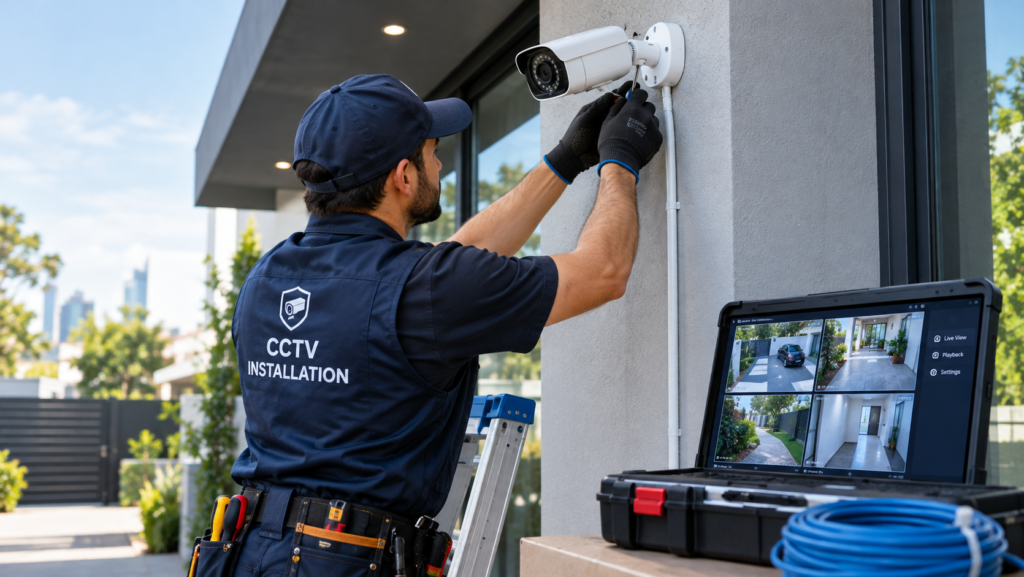
Closed-circuit television systems serve as a core component of modern property security, providing visual monitoring, threat deterrence, and valuable event documentation. While the accessibility of retail security cameras has led many property owners to consider self-installation, the physical positioning, network integration, and system configuration required for reliable coverage demand specialized expertise. A security camera system is only as effective as its weakest connection or blind spot. Understanding why professional installation matters reveals how proper planning, technical calibration, and architectural alignment transform basic security hardware into a dependable, long-term protection system.
The Risks and Hidden Costs of DIY Security Camera Setup
Installing a security system independently often appears cost-effective initially, but self-installation frequently introduces technical vulnerabilities that compromise safety. Consumer-grade installation approaches regularly suffer from common missteps that diminish video quality and system resilience.
The most frequent challenges associated with unguided setups include:
- Improper Camera Placement: Mounting cameras too high, too low, or at incorrect angles can create severe blind spots, lens flare from ambient lighting, or distorted facial details during critical events.
- Inadequate Power and Cabling Management: Running exposed cables leaves wiring vulnerable to physical tampering, weather degradation, and pest damage, while inadequate power delivery can lead to intermittent camera drops.
- Network Bottlenecks: Placing high-resolution video streams on standard home or business Wi-Fi networks without bandwidth management leads to frame loss, delayed alerts, and network congestion.
- Storage and Configuration Errors: Failing to calculate bandwidth requirements or retention periods properly can result in overwritten footage or incomplete event logs when evidence is needed.
Addressing these issues post-installation often requires costly troubleshooting, structural repairs, or entire system overhauls.
| Installation Factor | DIY Setup | Professional Setup |
| Coverage Planning | Relies on trial-and-error placement | Uses visual range analysis to eliminate blind spots |
| Cable Infrastructure | Often exposed or improperly rated | Concealed, weather-rated, and code-compliant |
| Network Optimization | Shared standard bandwidth; prone to lag | Isolated VLANs, managed PoE switches, and QoS |
| Lighting Calibration | Limited adjustment for glare or dark zones | WDR and IR tuned specifically for environment |
| Regulatory Compliance | Risk of building code or privacy violations | Aligned with local electrical and structural codes |
Strategic Site Assessment and Coverage Optimization
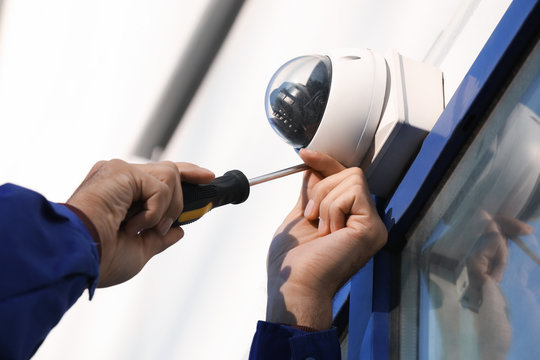
A foundational phase of any surveillance deployment is a thorough site evaluation. Professional technicians do not simply mount hardware where electrical outlets are convenient. Instead, they analyze the physical layout of a building to establish a comprehensive security perimeter.
Site evaluation involves assessing entry and exit pathways, structural obstacles, lighting conditions throughout the day, and potential points of unauthorized access. Technicians determine the exact focal lengths, lens types, and field-of-view parameters needed for each location. For instance, narrow corridors require vertical aspect ratios, whereas open parking lots require wide-angle or multi-sensor panoramic lenses.
Furthermore, elevation and angle play critical roles in visual clarity. Cameras positioned too high capture the tops of heads rather than identifiable facial features, while cameras mounted too low are vulnerable to vandalism. Professional placement balances physical protection of the device with optimal line-of-sight coverage.
Network Architecture, Power Delivery, and Cybersecurity
Modern surveillance systems rely on complex digital networks to transmit high-definition video feeds, record data, and issue real-time alerts. Integrating these devices demands robust network planning to maintain high performance and prevent cyber vulnerabilities.
Hardwired infrastructure using Power over Ethernet (PoE) remains the industry standard for commercial and high-end residential setups. PoE technology delivers network communication and electrical power through a single Ethernet cable, eliminating the need for localized power outlets at every camera location. Proper cabling execution involves selecting appropriate cable ratings, such as plenum-rated cables for air handling spaces or outdoor-rated shielded cables to prevent environmental degradation and electrical interference.
System integrators configure virtual local area networks (VLANs) to isolate video traffic from general network activity. Network isolation prevents high-bandwidth video streams from slowing down operational activities while protecting the security system against unauthorized remote access. Modern surveillance hardware must be secured using strong authentication protocols, encrypted data transmission, and regular firmware management to eliminate potential entry points for network breaches.
Arranging a professional CCTV installation ensures that cabling standards, power distribution networks, and cybersecurity settings are properly configured, creating a stable platform for continuous surveillance.
Environmental Calibration and Hardware Durability
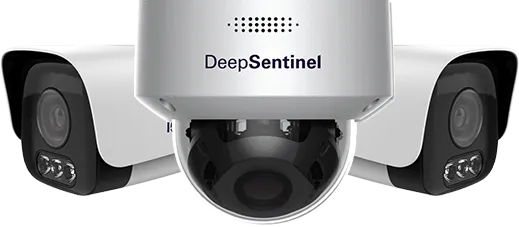
Outdoor security cameras are subjected to changing weather conditions, direct sunlight, extreme temperatures, moisture, and dust accumulation. Ensuring long-term hardware functionality requires selecting appropriate enclosures and calibrating optical settings to suit local conditions.
Hardware ratings provide standardized metrics for equipment durability:
- Ingress Protection (IP) Ratings: Indicates resistance to solid objects and liquids. Outdoor deployments typically require an IP66 or IP67 rating to withstand dust storms and heavy water exposure.
- Impact Protection (IK) Ratings: Quantifies resistance to mechanical impacts. An IK10 rating provides maximum enclosure protection against vandalism and direct physical hits.
Beyond physical housing, camera sensors must be calibrated for shifting light dynamics. Exterior environments feature severe exposure contrasts, such as bright direct sunlight paired with dark shadow zones. Experienced technicians adjust Wide Dynamic Range (WDR) settings to balance light levels across the frame, ensuring details remain clear in both bright and shadowed areas.
Similarly, night vision performance requires precise adjustment. Technicians position infrared (IR) illuminators to prevent light reflection off nearby walls, eaves, or glass surfaces, which can blind the camera sensor and obscure low-light footage.
System Integration and Regulatory Compliance
Surveillance systems rarely operate in isolation. In comprehensive security designs, closed-circuit cameras function alongside intrusion alarms, access control systems, and fire safety equipment.
Unifying these physical security layers improves situational awareness and operational efficiency:
- Event-Driven Recording: Linking intrusion sensors to video management software allows cameras to automatically record at higher frame rates or alter pan-tilt-zoom angles when a perimeter line is breached.
- Access Verification: Integrating entry doors with overhead surveillance provides visual logs of every individual entering a facility using keycards or PIN credentials.
- Emergency Protocols: System integration ensures that door locks release automatically during fire alarms while cameras focus on designated evacuation routes.
Additionally, professional installers maintain compliance with local building codes, national electrical standards, and privacy guidelines. Running wiring through commercial structures requires adhering to strict fire containment and structural regulations. Aligning system configuration with legal standards protects property owners from potential code violation fines and ensures captured footage remains admissible during legal proceedings or insurance claims.
Ensuring Long-Term System Reliability
Physical security infrastructure represents a significant long-term investment. Beyond initial setup, ongoing system reliability depends on proper initial testing, stress analysis, and routine maintenance.
Professional technicians conduct complete system validation prior to operational sign-off. This process includes testing storage redundancy, verifying failover protocols, confirming remote notification alerts, and fine-tuning motion detection zones to eliminate false triggers caused by wind, foliage, or passing vehicles.
Partnering with technical specialists ensures that your surveillance system is designed, installed, and calibrated for long-term performance. By combining strategic camera placement, clean structural wiring, secure network design, and integrated threat verification, property owners establish a resilient physical security framework that provides clear visibility and dependable protection.
Please Write Your Comments