Window Sensors: The Complete Guide to Types, Working, and Installation
Updated: 11-Dec-2025
460
Introduction
Window security is one of the most overlooked areas in home protection, yet over 30% of break-ins occur through windows. This is why Window Sensors have become a crucial part of modern home security systems. Whether you’re building a smart home, upgrading your alarm system, or simply looking to protect your family, understanding window sensors is essential.
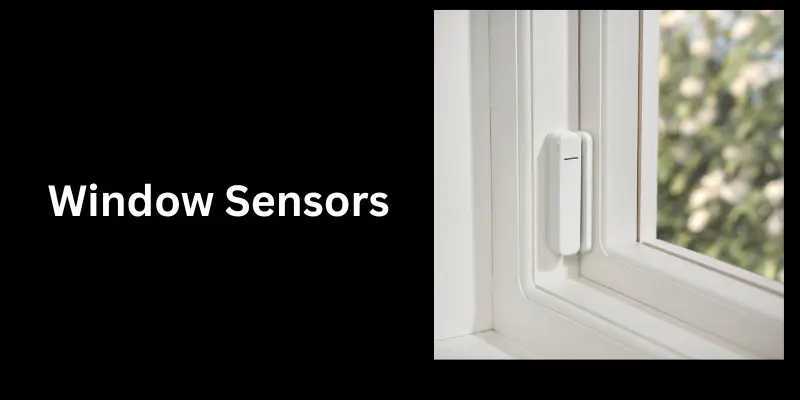
Home security has evolved significantly over the last decade, with smart systems becoming more accessible and user-friendly. Among the many security devices available, Window Sensors remain one of the simplest yet most effective tools for protecting your property.
A window sensor is a device that alerts you when a window is opened, tampered with, or broken. Whether you live in a house, apartment, office, or shop, these sensors form the first line of defense in your security setup.
What Are Window Sensors? (Meaning & Purpose)
Window sensors are detection devices installed on windows to monitor their status. They send alerts when:
- A window is opened
- A window is forced open
- Glass is broken
- A vibration is detected
- The sensor is tampered with
Depending on the type, they can communicate through Wi-Fi, Zigbee, Z-Wave, Bluetooth, or RF.
Primary purposes of window sensors include:
- Intrusion detection
- Child safety
- Elder monitoring
- Perimeter protection
- Smart home automation triggers
- Insurance compliance
How Window Sensors Work
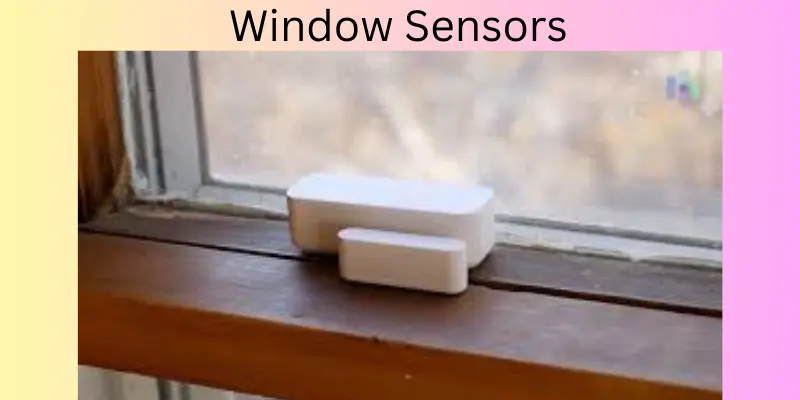
Most window sensors use magnetic contact technology. The sensor has two parts:
- Sensor (main body)
- Magnet (attached to the window)
When the window is closed
The magnet stays aligned with the sensor → circuit is complete → no alarm.
When the window is opened or separated
The magnet moves away → circuit breaks → sends alert to the alarm system or smart hub.
Working mechanisms depending on type:
| Sensor Type | How It Works | Trigger Event |
|---|---|---|
| Magnetic Contact Sensor | Magnetic field breaks | Window opens |
| Dual-Magnetic Sensor | Two magnetic fields compare | Tampering |
| Vibration Sensor | Detects shock/impact | Forced entry |
| Glass Break Sensor | Detects frequency of shattering glass | Glass breaking |
| Acoustic Sensor | Sound-picks glass frequencies | Loud break |
| Smart Window Sensor | Communicates with smart hub | Any event |
Types of Window Sensors
Window sensors come in several designs and technologies to suit different needs. Below are all the primary, secondary, and LSI keyword-based types.
1. Magnetic Contact Window Sensors (Most Common)
- Uses magnet + reed switch
- Ideal for home and office security
- Affordable and easy to install
2. Surface-Mount Window Sensors
- Visible on window frame
- Strong signal
- Ideal for wooden frames
3. Recessed Window Sensors
- Hidden inside the frame
- Great aesthetics
- Requires drilling
4. Wireless Window Sensors
- Battery-powered
- Works with Wi-Fi, Zigbee, Z-Wave
- Quick installation
5. Glass Break Sensors
- Detects physical shattering
- Ideal for large windows / sliding doors
6. Vibration Window Sensors
- Detects impact, drilling attempts
- Good for tamper protection
7. Dual-Technology Window Sensors
- Combines vibration + magnetic detection
- Reduced false alarms
8. Smart Window Sensors
Connected to smart home ecosystems like:
- Alexa
- Google Home
- Apple HomeKit
- SmartThings
- Ring
- Home Assistant
Enable automation such as:
- Turn off AC when window opens
- Trigger camera recording
- Turn on lights
Comparison Table: Window Sensors (Types, Features & Ideal Use)
| Sensor Type | Features | Best For |
|---|---|---|
| Magnetic Contact | Simple, affordable, reliable | Standard home windows |
| Recessed Sensor | Hidden, aesthetic | Premium homes, offices |
| Wireless Sensor | No wiring, easy installation | Renters, apartments |
| Glass Break | Sound/vibration detection | Large glass windows |
| Vibration Sensor | Detect tampering | High-risk areas |
| Smart Sensor | Automation & app alerts | Smart homes |
| Dual-Tech Sensor | Very accurate | Commercial security |
Features to Look for in the Best Window Sensors
To ensure strong home security, choose sensors with:
Tamper Protection
Alerts if someone removes the sensor.
Strong Adhesive or Screw Mount
Ensures durability.
Smart Home Compatibility
Zigbee, Z-Wave, Alexa, Google Home, or HomeKit. Battery Life (1–5 Years)
Choose long-lasting battery-powered sensors.
Low False Alarm Rate
Essential for vibration or glass sensors.
Wide Detection Range
Important for sliding windows.
Window Sensor Installation Guide (Step-by-Step)
Installing window sensors is easy, especially if they’re wireless.
Step 1: Clean the window frame
Dirt reduces adhesive strength.
Step 2: Place sensor on non-moving part
Usually the window frame.
Step 3: Place magnet on moving part
The window panel.
Step 4: Align the two pieces
Make sure there’s minimal gap when closed.
Step 5: Connect to smart hub or alarm panel
Use the mobile app or control panel.
Step 6: Test the sensor
Open and close the window to confirm alerts.
Compatibility With Smart Home Systems
Most common smart platforms supported:
- Amazon Alexa
- Google Home
- Apple HomeKit
- Samsung SmartThings
- Ring Alarm
- Abode
- SimpliSafe
- Home Assistant
Benefits of Window Sensors
Window sensors offer a range of security and convenience benefits.
1. Prevent Burglaries
Alerts you instantly if someone tries to open or break a window.
2. Child Safety
Notifies you if children open windows or balcony sliders.
3. Protect Sliding Windows
Vibration sensors work on glass sliders too.
4. Smart Automation
Integrate with smart lights, cameras, alarms.
5. Reduce Energy Waste
Automatically turn off AC/heating when window opens.
6. Insurance Discounts
Certified sensors may reduce home insurance premiums.
Limitations of Window Sensors
While useful, they have some minor limitations:
- Unable to detect entry if window is already open
- False alarms from strong wind (vibration sensors)
- Battery replacement required
- Some require drilling
- Need proper alignment
Buying Guide: How to Choose the Best Window Sensor
When buying a window sensor, consider:
Type of window
Sliding, casement, double-hung, bay, etc.
Smart vs Non-smart
Do you want app alerts or a simple alarm?
Power source
Battery vs hard-wired.
Budget
Magnetic sensors are cheapest.
Home automation ecosystem
Pick sensors compatible with your system.
Aesthetic needs
Use recessed sensors for hidden installation.
Do Window Sensors Work If the Window Is Open?
No.
Most standard magnetic window sensors only work when the window is closed. They function by keeping the magnet and sensor aligned.
If the window is already open, the sensor cannot detect entry because the magnetic circuit is already broken.
Exceptions
Some specialized sensors still work with an open window:
- Vibration window sensors
- Smart motion-based window sensors
- Advanced contact sensors with open-position monitoring
But regular magnetic sensors do not work on an open window.
Which Window Sensor Is Best For Sliding Windows?
The best sensors for sliding windows are:
1. Vibration Sensors
Detect impact, shaking, or forced entry on sliding glass panels.
2. Glass Break Sensors
Trigger when glass shatters — perfect for large sliding doors/windows.
3. Long-Range Magnetic Contact Sensors
Specifically designed for sliding frames with extra gap tolerance.
Best Overall Choice
Vibration Sensors are considered the most reliable for sliding windows because the panels don’t always align perfectly for magnetic sensors.
Do I Need a Hub for Window Sensors?
Not always. It depends on the type of sensor.
You DO need a hub for:
- Zigbee sensors
- Z-Wave sensors
- RF/Proprietary sensors
- SmartThings, Aqara, Eufy hubs, etc.
You DO NOT need a hub for:
- Wi-Fi window sensors
- Bluetooth window sensors
- Basic non-smart magnetic sensors
Simple Rule:
If you want smart automation (Alexa, Google Home, routines), you may need a hub unless the sensor uses Wi-Fi.
Can Window Sensors Detect Broken Glass?
Only certain types can detect broken glass.
Sensors That Detect Broken Glass:
- Glass Break Sensors (acoustic sound detection)
- Vibration Sensors (impact detection)
- Dual-technology window sensors (sound + vibration)
Sensors That Cannot Detect Broken Glass:
- Standard magnetic contact sensors
- Basic open/close window alarms
If you want complete perimeter security, combining contact sensors + glass break sensors is the best setup.
Wireless vs Wired Window Sensors — Which Is Better?
Both have advantages depending on your home security needs.
Wireless Window Sensors (Best for Most Homes)
Pros:
- Easy DIY installation
- No drilling required
- Works with smart home systems
- Battery-powered
- Ideal for rented homes and apartments
Cons:
- Battery replacement needed
- Slightly more expensive
- Can lose connection with weak Wi-Fi or hub distance
Wired Window Sensors (Best for Permanent Installations)
Pros:
- No batteries needed
- More stable and reliable
- Great for large properties or commercial use
- Harder to tamper with
Cons:
- Requires professional installation
- Drilling and wiring needed
- Not ideal for rented homes
- Limited smart features
Which Is Better Overall?
For most homeowners, wireless window sensors are better because they’re simple, modern, and smart-home friendly.
For commercial buildings or new construction, wired sensors are stronger and long-lasting.
Are Window Sensors Compatible With Alexa?
Yes, many modern window sensors are compatible with Alexa, but only if:
They are smart window sensors
Traditional magnetic sensors are not compatible.
They support Alexa directly
Wi-Fi sensors often connect straight to Alexa through the app.
They connect through a smart home hub
Zigbee or Z-Wave sensors require a hub such as:
- Amazon Echo (Select models with Zigbee)
- SmartThings Hub
- Hubitat Hub
What You Can Do With Alexa-Compatible Window Sensors:
- Get voice alerts (“Alexa, is the bedroom window open?”)
- Receive notifications on your phone
- Trigger routines (e.g., turn off AC when window opens)
- Arm/disarm home security modes
Best Window Sensors For Google Home
Google Home works best with Wi-Fi and Matter-enabled sensors. Below are the top options:
1. Google Nest Detect Sensors
- Made for Google Nest Secure
- Reliable and feature-rich
- Detects both opening and movement
2. Aqara Door & Window Sensor (Matter Version)
- Works through Aqara Hub M2 or M3
- Supports Google Home, Alexa, Apple Home
3. Eve Door & Window Sensor (Matter)
- Highly accurate
- Excellent for smart automation
- Works natively with Google Home if you use a Matter hub
4. Wyze Contact Sensors (V2)
- Wi-Fi-based
- Integrates through Google Home
- Affordable but effective
5. SwitchBot Contact Sensor
- Works via SwitchBot Hub
- Provides both contact + motion detection
- Supports Google Home routines
Best Choice Overall
Aqara Door & Window Sensor (Matter) – Most compatible, accurate, and affordable.
Z-Wave Window Sensor For SmartThings
SmartThings supports many Z-Wave sensors. Here are the best Z-Wave options:
1. Aeotec Door/Window Sensor 7
- Most recommended Z-Wave sensor
- Fast response
- Long battery life
- Perfect pairing with SmartThings
2. Fibaro Z-Wave Window & Door Sensor
- Slim, elegant design
- Strong signal range
- Supports temperature sensing
3. Zooz ZSE41 Door/Window Sensor
- Budget-friendly
- Quick pairing
- Reliable for automations
4. Ecolink Z-Wave Plus Sensor
- Very stable
- Popular among SmartThings users
- Great for larger homes
FAQs About Window Sensors
1. Do Window Sensors Work With Sliding Windows?
Yes. Many magnetic and vibration sensors work perfectly on sliding windows. Some brands offer dedicated sliding-window sensors.
2. Can Window Sensors Detect Glass Breaking?
Only glass break sensors can detect shattering sounds or vibrations. Standard magnetic sensors only detect opening/closing.
3. How Long Do Window Sensor Batteries Last?
Most wireless window sensors last 1–5 years depending on usage and brand.
4. Are Window Sensors Easy To Install?
Yes. Wireless sensors require no drilling and install with adhesive tape in minutes. Recessed sensors may require drilling.
5. Do I Need a Smart Hub?
Only if your sensor uses Zigbee, Z-Wave, or proprietary RF. Wi-Fi sensors do not require a hub.
6. Can Window Sensors Trigger Smart Home Automations?
Yes. You can set automations like turning off AC when a window opens or activating a camera when suspicious activity is detected.
Summary
Window sensors are one of the most affordable, effective, and essential components of any home security system. They protect your home, family, and valuables by monitoring windows for suspicious activity. With options ranging from magnetic sensors to advanced smart window sensors that integrate with Alexa, Google Home, and HomeKit, you can easily find the perfect solution for your home.
Whether you live in a house or apartment, window sensors enhance safety, convenience, and automation. By choosing durable, tamper-proof, smart-compatible sensors, you improve your overall home security and peace of mind.
Conclusion
Window sensors are a smart investment for anyone looking to secure their home affordably and efficiently. They provide real-time alerts, integrate with smart home systems, help save energy, and protect against break-ins. With multiple types available, from magnetic to glass break sensors, you can choose one that fits your home’s needs perfectly.
If you’re building a smart home or upgrading your security setup, Window Sensors should be one of the first devices you install.
Please Write Your Comments