What Plumbing Paperwork Should You Receive After a Renovation?
Updated: 24-Sep-2026
5
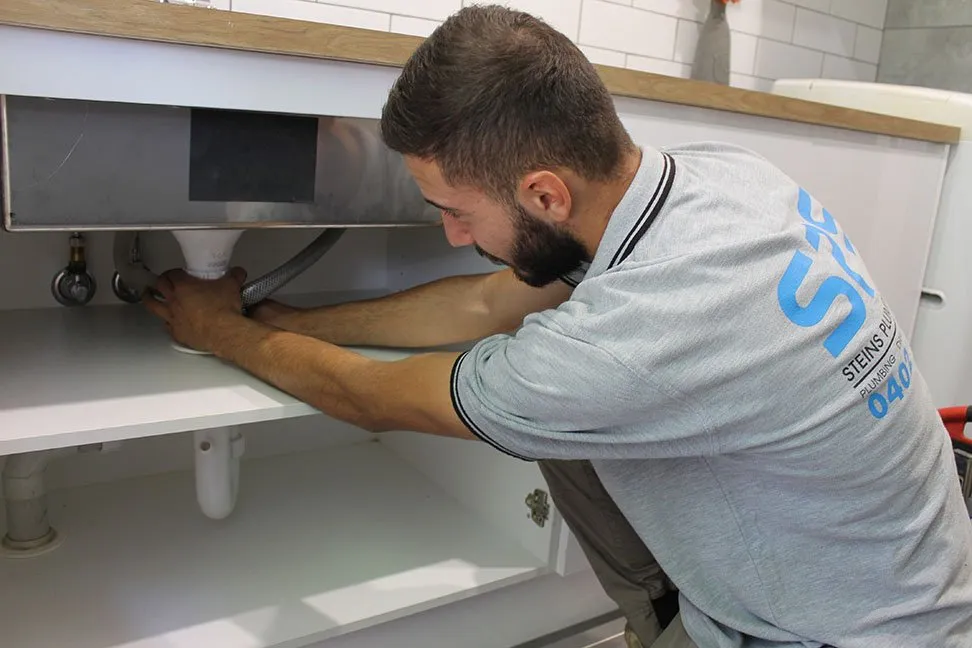
Renovating a bathroom, kitchen, laundry or other part of a home often involves more than choosing fixtures and arranging trades. When plumbing or drainage work is carried out in NSW, documentation can form an important part of the project. The paperwork required depends on the type of work, whether an inspection is required and where the property is located, so homeowners should understand what documents may apply rather than assuming an invoice is the only record they need.
One of the key documents is an NSW plumbing certificate of compliance, which confirms completed plumbing or drainage work complies with the applicable legislation, regulations and standards and identifies the responsible plumber or drainer. NSW Government guidance states that plumbers and drainers must complete a Certificate of Compliance when plumbing and drainage work is completed and provide a copy to the person who arranged the work.
A Certificate of Compliance Records the Completed Work
A Certificate of Compliance, commonly called a CoC, provides a formal record relating to the plumbing or drainage work carried out. According to Building Commission NSW, it confirms compliance with the Plumbing and Drainage Act, relevant regulation, the Plumbing Code of Australia and applicable requirements of AS/NZS 3500. It also identifies the plumber or drainer responsible for the work, making it more than simply a receipt showing that a contractor has been paid.
Property owners should keep their copy with other renovation and property records after the project is completed. The exact regulatory submission process varies according to the location and whether an inspection is required. In metropolitan areas covered by Building Commission NSW, relevant documents can be submitted through the MyInspections Gateway, while regional NSW generally relies on the applicable local plumbing regulator.
A Notice of Work May Be Required Before Plumbing Begins
Some plumbing and drainage projects require a Notice of Work, or NoW, before work starts. This document describes the plumbing or drainage work that will be carried out and identifies the person responsible for completing it. It is primarily part of the regulatory process rather than simply paperwork produced at the end of a renovation, and the plumber or drainer is responsible for submitting it to the appropriate regulator when required.
Not every renovation requires the same process. NSW Government guidance identifies circumstances where a Notice of Work does not need to be supplied, including certain minor works such as replacing tapware or an existing hot water system and bathroom renovations where fixture locations have not changed. Because renovation scopes vary considerably, homeowners should discuss documentation requirements with their licensed plumber before work begins rather than assuming the same rules apply to every project.
Drainage Work May Require a Sewer Service Diagram
A Sewer Service Diagram, or SSD, shows the location of private sewer pipes on a residential, commercial or industrial property. When applicable drainage work is completed, the diagram creates a useful record of how private sewer lines are arranged around the property. NSW Government guidance requires plumbers and drainers to provide a copy of the SSD to the person who arranged the work and submit it to the appropriate regulator where required.
This information can remain useful well after the renovation has finished. Future plumbers, builders and property owners may need to understand where private sewer pipes run before undertaking further building, landscaping or drainage work. An accurate diagram can therefore become part of the property’s long-term documentation rather than being treated as paperwork that can be discarded once the current renovation is complete.
Plumbing Inspections Can Be Part of the Process
Some plumbing and drainage work needs to be inspected at particular stages, meaning paperwork should be considered throughout the project rather than only when the renovation is finished. For regional NSW, official guidance notes that inspections may be required after drainage work is completed but before it is covered, after water supply work but before walls or ceilings are closed, and when all plumbing and drainage work is finished. The relevant local plumbing regulator should be consulted for specific regional requirements.
For properties in Sydney, the Illawarra, Blue Mountains, Newcastle and Hunter areas, Building Commission NSW manages relevant inspection processes, with MyInspections used for documentation and inspection-related administration. This is one reason homeowners should engage appropriately licensed trades from the beginning of a renovation. Waiting until walls, floors or cabinetry have been completed before asking about inspection requirements can make the process unnecessarily complicated.
Keep Invoices and Other Renovation Records as Well
Compliance documents should be kept alongside practical records from the renovation, including invoices, receipts, product information and any relevant warranties. These documents serve different purposes. A Certificate of Compliance relates to the plumbing or drainage work and applicable requirements, while invoices and warranties can record what products were installed, when the work occurred and what commercial warranty arrangements may apply.
Keeping everything together can make future property maintenance easier. If a tap, hot water system or other fixture needs attention several years later, knowing the model, installation date and contractor involved can provide useful background information. Good record keeping can also help when planning another renovation because the next tradesperson has more information about previous work rather than having to establish the property’s history from scratch.
Ask About Documentation Before the Renovation Is Finished
Plumbing paperwork is easier to manage when it is discussed at the beginning of a project. Before work starts, homeowners can ask the plumber what documentation is expected for the particular scope, whether inspections are likely to be required and what records will be supplied after completion. This is particularly useful when a renovation involves moving fixtures, changing drainage or carrying out more extensive plumbing alterations.
Homeowners should also avoid assuming that every renovation requires exactly the same documents. A straightforward fixture replacement and a major bathroom renovation involving relocated drainage can have very different requirements. Confirming the process with the licensed plumber and, where necessary, the relevant NSW plumbing regulator helps ensure the documentation matches the actual work being performed.
Conclusion
Plumbing documentation is an important part of completing a renovation properly in NSW. Depending on the work, the relevant records can include a Certificate of Compliance, Notice of Work and Sewer Service Diagram, alongside invoices, warranties and other project information. These documents provide a clearer record of who completed the work, what was changed and, where applicable, how the plumbing and drainage work was handled under NSW requirements.
Rather than waiting until the renovation is complete, homeowners should ask about required plumbing paperwork while the project is being planned. Keeping the final documents in a safe place provides useful information for future repairs, renovations and property maintenance, while also making it easier to demonstrate what plumbing work was carried out and who was responsible for completing it.
Please Write Your Comments