Ecobee vs Nest: Which Smart Thermostat is Best for Americans
Updated: 6-Sep-2025
420
In the United States, energy costs are rising, and homeowners are searching for smart solutions to cut bills while staying comfortable. Smart thermostats have become an essential part of modern homes, offering automation, convenience, and significant energy savings. Among the most popular brands are Ecobee and Nest (Google Nest).
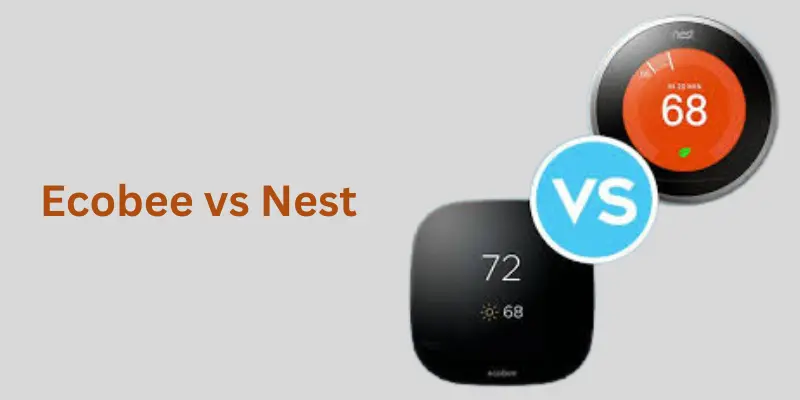
If you’re an American homeowner wondering, “Ecobee vs Nest: which thermostat is right for me?”, this comprehensive guide breaks down everything you need to know. From design and features to price, privacy, and performance, we’ll compare both in detail so you can make an informed choice.
The Rise of Smart Thermostats in America
Before diving into Ecobee vs Nest, it’s important to understand why smart thermostats matter in American homes.
- Energy efficiency: Heating and cooling account for nearly 50% of household energy use in America (U.S. Department of Energy).
- Smart savings: A smart thermostat can save Americans 10–15% annually on energy bills.
- Convenience: Remote access via apps allows busy Americans to adjust settings on the go.
- Sustainability: With climate concerns growing, Americans are increasingly adopting eco-friendly technologies.
Both Ecobee and Nest were pioneers in this space, making them trusted brands for energy-conscious American homeowners.
Background: Ecobee and Nest in the U.S. Market
- Ecobee: A Canadian company founded in 2007, Ecobee introduced one of the first Wi-Fi-enabled thermostats. It is now widely available in the U.S. through Amazon, Best Buy, and HVAC professionals. Its strong integration with Alexa, Apple HomeKit, and SmartThings makes it attractive for American families who don’t want to be tied to just one ecosystem.
- Nest (Google Nest): Founded in 2010 and acquired by Google in 2014, Nest revolutionized the market with its learning thermostat. Today, it’s part of the Google Nest smart home ecosystem, tightly integrated with Google Assistant, Nest Hub, and Nest Cams. It’s popular with U.S. households already using Google smart devices.
Ecobee vs Nest: Side-by-Side Comparison Table
| Feature | Ecobee Smart Thermostat | Google Nest Thermostat |
|---|---|---|
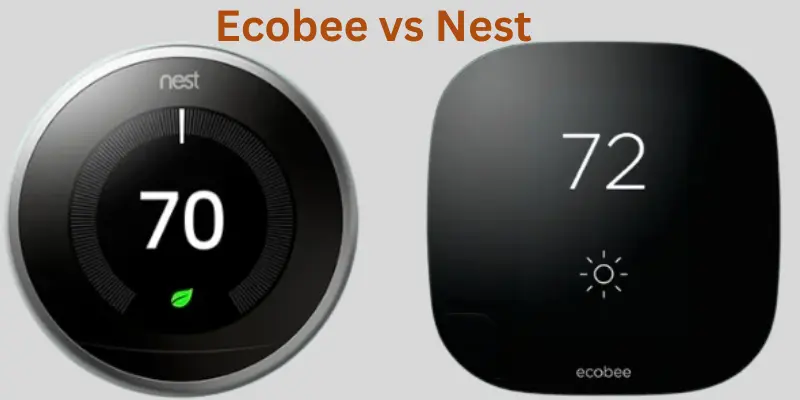
| Design | Sleek touchscreen, rectangular | Round, iconic dial-style design |
| Installation | May require C-wire, easier with Power Extender Kit | Often easier, sometimes works without C-wire |
| Smart Features | Room sensors, Alexa built-in, HomeKit support | AI learning, Google Assistant integration |
| Voice Assistants | Alexa, Siri, Google Assistant | Google Assistant (limited Alexa via workaround) |
| Energy Savings | Focuses on comfort with room sensors | Strong AI-based energy-saving features |
| Mobile App | Ecobee app (iOS/Android), intuitive | Google Home app, simple but less detailed |
| Sensors | External room sensors included | Built-in motion sensors, optional extras |
| Integration | Works with Alexa, Siri, HomeKit, SmartThings | Works best in Google ecosystem |
| Price Range | $150–$250 (Ecobee3 Lite, Ecobee Smart Thermostat Premium) | $130–$250 (Nest Thermostat, Nest Learning Thermostat) |
| Privacy | Independent company, transparent policies | Google ecosystem, more data collection |
| Warranty | 3 years (most models) | 2 years (Nest Thermostat) to 3 years (Nest Learning Thermostat) |
Detailed Comparison
1. Design & Display
- Ecobee: Features a modern rectangular touchscreen with a full-color display. It feels like using a smartphone and is intuitive for all ages.
- Nest: Famous for its round dial design inspired by traditional thermostats. Sleek and minimal, it adds elegance to American homes.
Verdict: Nest wins on aesthetics, Ecobee wins on usability.
2. Ease of Installation
- Ecobee: Often requires a C-wire for installation. However, it comes with a Power Extender Kit (PEK), making it compatible with most U.S. HVAC systems.
- Nest: Can often work without a C-wire, which is handy for older American homes. Google’s step-by-step app instructions make DIY installation simple.
Verdict: Nest is slightly easier for DIY installation, Ecobee better for complex setups.
3. Smart Features
- Ecobee: Offers room sensors that detect temperature and occupancy, ensuring balanced comfort across large U.S. homes. The Premium model even includes air quality monitoring.
- Nest: Known for its AI learning capability. Over time, it “learns” your habits and automatically adjusts schedules. Perfect for Americans who prefer a hands-off approach.
4. Energy Savings
- Ecobee: Prioritizes comfort by balancing temperatures across multiple rooms. It can cut heating/cooling costs by up to 23% annually.
- Nest: Focuses on energy savings with its learning algorithms. Google claims Nest saves U.S. households an average of 10–15% on heating and cooling bills.
Verdict: Both save energy, but Nest has the edge in AI-driven efficiency.
5. Mobile App & User Experience
- Ecobee App: Intuitive, detailed controls, energy reports, scheduling, and remote sensor monitoring.
- Google Home App (Nest): Clean and simple. However, some advanced controls were lost when Nest was merged into Google Home.
Verdict: Ecobee app is more detailed; Nest app is simpler.
6. Integration & Ecosystem
- Ecobee: Works seamlessly with Alexa, Siri (HomeKit), Google Assistant, and SmartThings. It’s a flexible choice for Americans who mix different smart devices.
- Nest: Works best inside the Google ecosystem (Nest speakers, displays, cameras). Limited compatibility outside.
Verdict: Ecobee is more versatile; Nest is better if you’re fully in Google’s ecosystem.
7. Sensors
- Ecobee: Comes with room sensors (in Premium model) to detect occupancy and temperature in different rooms. Excellent for U.S. households with uneven heating/cooling.
- Nest: Built-in motion and ambient light sensors. Optional Nest Temperature Sensors can be purchased separately.
Verdict: Ecobee wins with included sensors.
8. Price & Value
- Ecobee:
- Ecobee3 Lite: ~$150
- Ecobee Smart Thermostat Premium: ~$250
- Nest:
- Nest Thermostat: ~$130
- Nest Learning Thermostat: ~$249
Verdict: Nest Thermostat is cheaper, but Ecobee offers better bundled value with sensors.
9. Privacy & Data Usage
- Ecobee: Transparent policies. Collects data only to improve performance and energy reporting.
- Nest: Part of Google, which is known for extensive data collection. Some Americans have privacy concerns.
Verdict: Ecobee wins for privacy-conscious users.
10. Customer Support & Warranty
- Ecobee: 3-year warranty, responsive customer support (phone + chat).
- Nest: 2–3 year warranty depending on model. Google support is reliable but sometimes slower.
Verdict: Ecobee has slightly better support.
11. Popularity & Reviews in the U.S.
- Ecobee: Highly rated for flexibility, comfort, and integrations. Popular on Amazon and Best Buy.
- Nest: Extremely popular due to brand recognition and ease of use. Especially loved by Americans in the Google ecosystem.
12. Smart Home Integration
- Ecobee: Best for Americans who use Apple HomeKit or Amazon Alexa.
- Nest: Best for Americans who rely on the Google Home ecosystem.
If your home already has Google Nest Hub, Chromecast, or Google Wi-Fi, Nest integrates seamlessly. If you’re an iPhone or Alexa household in America, Ecobee may be better.
13. Design and Aesthetics
- Ecobee: Sleek rectangular design, modern but less iconic.
- Nest: Circular, polished, and considered a design statement in American homes.
Which Smart Thermostat is Better for Americans?
- Choose Ecobee if you:
- Own an older American home without C-wire.
- Use Apple HomeKit or Alexa devices.
- Want room-level comfort with sensors.
- Prefer detailed energy reports.
- Choose Nest if you:
- Use Google Home or Android devices.
- Prefer a sleek, minimal design.
- Want AI-powered learning for hands-off control.
- Need a budget-friendly option.
The Future of Smart Thermostats in America
As American households embrace energy-efficient smart homes, both Ecobee and Nest continue to evolve:
- Ecobee: Expanding into home security with smart cameras and sensors.
- Nest: Integrating deeper into Google’s AI-powered ecosystem.
- Trend: Expect more automation, renewable energy support, and advanced energy savings in future models.
Pros and Cons
Ecobee Pros
- Works with Alexa, Siri, Google Assistant
- Room sensors included (Premium model)
- Excellent app with detailed reports
- Better privacy policies
- Great for large or multi-room homes
Ecobee Cons
- Requires C-wire in many cases
- More expensive than basic Nest Thermostat
Nest Pros
- Beautiful, iconic design
- Easy installation (works without C-wire in many homes)
- Powerful AI learning features
- Lower-cost Nest Thermostat available
- Best for Google Home users
Nest Cons
- Limited compatibility outside Google ecosystem
- Fewer advanced app controls after Google Home integration
- Privacy concerns with Google data policies
FAQs
1. Which thermostat saves more money: Ecobee or Nest?
Both save energy, but Nest’s AI learning often results in slightly higher savings for U.S. homeowners who let it auto-manage schedules.
2. Does Ecobee work with Google Home?
Yes. Ecobee is compatible with Google Assistant, though Nest integrates more deeply into the Google ecosystem.
3. Is Ecobee better than Nest for Alexa users?
Yes. Ecobee has Alexa built-in, making it the better choice for Alexa households in America.
4. Do I need a C-wire for Ecobee or Nest?
Ecobee often requires a C-wire (but includes a Power Extender Kit). Nest may work without one in many U.S. homes.
5. Which thermostat is easier to install in American homes?
Nest is generally easier for DIY, while Ecobee may require more wiring steps.
6. Which is better for privacy, Ecobee or Nest?
Ecobee. It’s independent of Google’s ecosystem and has clearer privacy policies.
Summary
When comparing Ecobee vs Nest for Americans:
- Choose Ecobee if… you want flexibility, privacy, compatibility with Alexa/Siri, or need multiple room sensors for balanced comfort.
- Choose Nest if… you want a sleek design, easy installation, powerful AI learning, and are already invested in the Google Home ecosystem.
Both are excellent smart thermostats that can reduce U.S. energy bills and improve comfort. The right choice depends on your smart home setup, privacy preferences, and budget.
Conclusion
In the battle of Ecobee vs Nest, there is no single winner. Instead, the decision comes down to American lifestyle preferences:
- Tech-savvy, data-driven Americans may love Ecobee.
- Minimalist, Google ecosystem users may prefer Nest.
Both thermostats are excellent investments for reducing energy bills, improving comfort, and contributing to a sustainable future in America.
Please Write Your Comments