Carbon Monoxide Sensor: Your Ultimate Guide to CO Detection and Safety
Updated: 21-Jul-2025
300
A carbon monoxide sensor is a critical safety device designed to detect the presence of carbon monoxide (CO), a colorless, odorless, and deadly gas produced by incomplete combustion of fuels. Whether it’s in homes, vehicles, or industrial settings, these devices save countless lives every year by providing timely alerts. From portable carbon monoxide sensors to smart CO alarms, understanding the different types and their applications can help in preventing carbon monoxide poisoning and ensuring optimal protection.
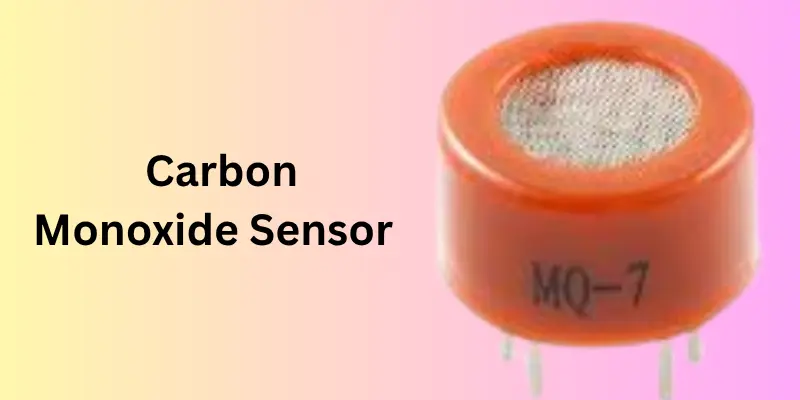
This guide explores everything you need to know about CO sensors, their types, placement, maintenance, and why they are essential for residential, commercial, and industrial CO monitoring.
What Is a Carbon Monoxide Sensor?
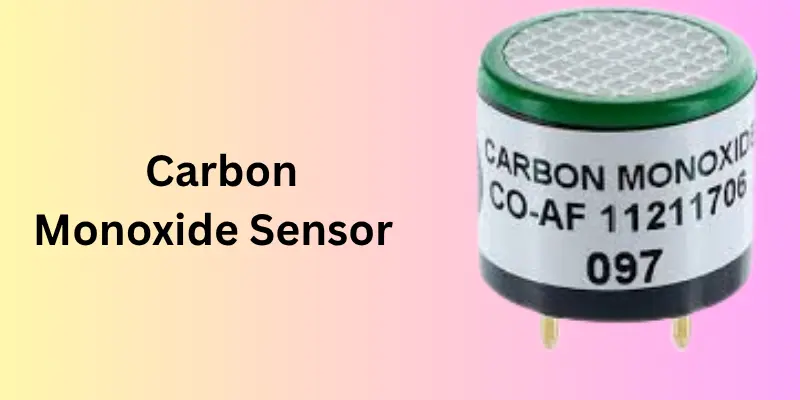
A carbon monoxide sensor or CO sensor is a device that detects unsafe levels of CO gas in the environment and triggers an alarm to warn occupants. Modern CO detectors use electrochemical CO sensors, which are highly accurate and reliable for both residential carbon monoxide detectors and industrial CO sensors.
These sensors come in various configurations, such as:
- Battery-operated CO detectors
- Hardwired CO sensors
- Wireless CO sensors
- Digital carbon monoxide detectors with displays
- Multi-gas detectors for professional use
- Fire and CO combo detectors for comprehensive protection
How Do Carbon Monoxide Sensors Work?
Most CO sensors rely on electrochemical technology, where a chemical reaction inside the sensor generates an electrical current proportional to CO levels. This current is analyzed to detect concentrations as low as 10 ppm (parts per million).
Other types include:
- Semiconductor sensors – Used in HVAC systems and vehicles.
- Infrared CO sensors – Common in industrial applications.
- Combustion gas sensors – Detect multiple gases including CO.
The CO sensor sensitivity range typically spans from 10 ppm to 1,000 ppm, ensuring detection of both low-level and dangerous concentrations.
Difference between CO sensor and smoke detector
| Feature | Carbon Monoxide Sensor | Smoke Detector |
|---|---|---|
| What it detects | Carbon monoxide gas (odorless) | Smoke particles (visible/odor) |
| Sensor type | Electrochemical or metal oxide | Ionization or photoelectric |
| Alarm trigger | CO ppm levels rise dangerously | Smoke from fires |
| Placement | Outside bedrooms, all levels | On ceilings near sleeping areas |
| Can they be combined? | Yes (combo smoke + CO alarms) | Yes (combo smoke + CO alarms) |
Importance of Carbon Monoxide Sensors
Carbon monoxide is often called the “silent killer” because it’s impossible to detect without specialized equipment. Key benefits of CO sensors include:
- Early warning for CO exposure to prevent poisoning.
- Protection in residential and industrial environments.
- Compliance with safety standards in workplaces.
- Integration with smart home systems for real-time alerts.
Types of Carbon Monoxide Sensors
| Type | Application | Features |
|---|---|---|
| Residential CO Detector | Homes and apartments | Battery/plug-in, digital display |
| Industrial CO Sensor | Factories, warehouses | High sensitivity, rugged design |
| Portable Carbon Monoxide Sensor | Travel, vehicles | Compact, battery-operated |
| Smart Carbon Monoxide Sensor | Smart homes | App alerts, Wi-Fi connectivity |
| HVAC Carbon Monoxide Sensor | Heating and cooling systems | Continuous monitoring |
| CO Gas Sensor Module | Embedded systems, IoT devices | Small, integratable units |
| Fire and CO Combo Detectors | Homes and offices | Dual protection |
What is the most accurate carbon monoxide detector?
The most accurate carbon monoxide detectors use electrochemical sensors, which are highly sensitive to CO gas and minimize false alarms.
Top Accurate Models:
| Brand & Model | Features | Accuracy |
|---|---|---|
| Google Nest Protect | Electrochemical sensor, smart alerts, self-testing | ★★★★★ (High) |
| Kidde Nighthawk | Digital display, continuous monitoring | ★★★★☆ |
| First Alert CO710 | Long battery life, easy-to-read screen | ★★★★☆ |
Why Electrochemical?
It responds quickly to even low CO levels and offers precise ppm readings (parts per million).
Placement Guide for CO Detectors
Proper placement ensures maximum effectiveness. Follow these CO detector placement guide tips:
- Install CO alarms on every level of your home, including basements.
- Place near sleeping areas so alarms can wake occupants.
- Avoid locations near fuel-burning appliances to prevent false alarms.
- In vehicles, use a CO sensor for vehicles to monitor exhaust leaks.
Signs Your CO Detector Needs Attention
A carbon monoxide alarm beeping often signals:
- Low battery – Replace or recharge.
- End of lifespan – Most CO sensors last 5-7 years.
- Detected CO – Evacuate immediately and call emergency services.
To know how long do carbon monoxide sensors last, check the manufacturer’s guidelines or digital displays on newer models.
Top Features in Modern CO Sensors
- Digital display CO detectors show real-time CO levels.
- Smart home CO alarms integrate with systems like SimpliSafe and Nest.
- Wireless CO sensors are easy to install without hardwiring.
- Battery-operated CO detectors provide backup during power outages.
Carbon Monoxide Sensor for Different Settings
- Residential Carbon Monoxide Detector – Essential for home safety.
- Industrial CO Sensor – For factories and confined spaces.
- CO Sensor for Vehicles – Detect exhaust gas leaks in cars, RVs.
- HVAC Carbon Monoxide Sensor – Ensures safe heating and ventilation.
Carbon Monoxide Safety Tips
- Test your CO alarms monthly.
- Replace batteries at least twice a year.
- Keep fuel-burning appliances well-maintained.
- Know the symptoms of CO poisoning: headache, dizziness, nausea.
- Never use portable generators indoors.
Top 10 Best Carbon Monoxide Sensors (2025)
| Rank | Model & Brand | Price (USD) | Key Features |
|---|---|---|---|
| 1 | Kidde Nighthawk Plug-In CO Alarm | ~$45 | Electrochemical sensor, digital display, plug-in with battery backup |
| 2 | First Alert CO615 Value CO Detector | ~$25 | Reliable electrochemical detection, battery-operated |
| 3 | Kidde 10-Year Sealed Lithium CO Detector | ~$35 | 10-year sealed battery, maintenance-free |
| 4 | Google Nest Protect (2nd gen) | ~$130 | Smart CO + smoke combo, voice alerts, smart home integration |
| 5 | Aegislink Interlinked Smoke/CO Combo | ~$80 | Interconnected alarms, battery-powered |
| 6 | Kidde Battery Operated Smoke & CO Detector | ~$60 | Combined smoke/CO, voice alerts |
| 7 | Gentex “Place Any Space” Smart CO Alarm | ~$139 | Hardwired smart CO + smoke, Wi-Fi, motion sensing |
| 8 | First Alert Smart Smoke & CO Detector (Google) | ~$129 | Hardwired with battery backup, Google Home compatible |
| 9 | Kidde Smart Smoke/CO Alarm with Ring | ~$75 | Hardwired, Ring app alerts |
| 10 | MOES 3‑in‑1 CO Monitor (CO/temp/humidity) | ~$30 | Multi-function digital monitor Amazon |
International Stats: CO Poisoning & Sensor Adoption
- The global incidence of CO poisoning is approximately 137 cases per million people, with around 4.6 deaths per million annually Amazon
- Between 2000–2021, global CO-related mortality dropped by ~53%, although high-income North America saw a ~30% increase in mortality rates during the same period.
- In 2021, an estimated 28,900 deaths and 1.18 million years of life lost were attributed to unintentional CO poisoning worldwide The Washington Post.
- Historical data from Germany shows ~374 CO fatalities per year (2000–2009), rising to 648 cases in 2015 (~0.8 deaths per 100,000).
- In the U.S., non-fire-related CO poisonings cause over 20,000 emergency visits and around 400 deaths annually Wikipedia.
- CO deaths tend to spike during winter months and holiday travel seasons—especially in hotels and VRBOs—with 905 poisoning incidents and 22 deaths in U.S. lodging between 2005–2018 The Washington Post.
Buyer’s Guide: Choosing the Right CO Sensor
Residential CO Sensors
- Power source: Opt for models with sealed 10‑year lithium batteries (e.g., Kidde Sealed Lithium) or plug-in with battery backup for uninterrupted operation.
- Detection tech: Ensure electrochemical sensors for accuracy and reliability.
- Display & Alerts: Digital readouts and voice alerts enhance usability; smart models (Nest, Gentex) offer app notifications.
- Interconnectivity: For homes with multiple alarms, consider “interlinked” (wired or wireless) units for simultaneous alerts.
- Combo features: Smoke + CO combo detectors offer dual protection efficiently.
- Smart home integration: Choose Google Home or Alexa compatible units for remote alerts and smart features.
- Placement: Install alarms on every level, near bedrooms, and in basements as per NFPA 720 guidelines.
Industrial & Specialized CO Sensors
- High sensitivity or ruggedness: Industrial CO sensors withstand harsher environments and continuous monitoring needs.
- Multi-gas detection: In workplaces where various gases may be present, opt for multi-gas detectors or combustion gas sensors.
- HVAC/vehicle sensors: Embedded CO gas sensor modules monitor HVAC systems or automotive cabins—ensuring occupant safety.
- Portability: Use portable CO monitors or sensor modules for spot checks in industrial inspections or travel safety.
- Connectivity: For maintenance-heavy applications, pick sensors that integrate with CO monitoring devices and building automation systems.
Maintenance & Lifespan
- Sensor lifespan: Most CO detectors last 5–10 years; newer smart models alert end-of-life. Replacement is essential Wikipedia.
- Monthly testing: Use the “test” button monthly—remember, it validates electronics, not gas detection — schedule replacements promptly.
Price vs Performance
- Basic battery models: $25–$40, reliable and sufficient for small homes.
- Smart/hardwired combos: $75–$150+, suited for tech-savvy homes and interconnectivity.
- Industrial-grade units: $200+, with advanced sensing, rugged housing, and additional certifications.
Best Carbon Monoxide Sensor for Home Use
For homes, the ideal carbon monoxide sensor balances accuracy, reliability, and features like battery backup or smart alerts.
Top features to look for:
- Electrochemical sensing technology (most accurate for CO detection).
- Digital display showing CO levels in real time.
- Battery backup to ensure function during power outages.
- Loud alarm (85 dB or higher) for early warnings.
- Smart features like mobile app alerts.
Examples:
| Model | Features | Price (USD) |
|---|---|---|
| Kidde Nighthawk | Plug-in with battery backup, digital readout | $40–$50 |
| Google Nest Protect | Smart alerts, smoke + CO combo, app control | $119 |
| First Alert CO615 | Dual power (plug-in + batteries), easy setup | $35–$45 |
Why?
Kidde and First Alert are best for budget homes, while Nest Protect is ideal for smart homes.
Portable CO Detectors for Camping and RVs
Portable CO detectors are crucial for campers, RVs, and travelers because propane stoves, heaters, and vehicle exhaust can leak CO.
Features to consider:
- Compact size for easy carry.
- Battery-powered operation.
- Durable casing (for outdoor use).
- Optional multi-gas detection (CO, propane, methane).
Recommended Models:
| Model | Features | Price (USD) |
|---|---|---|
| Sensorcon CO Inspector | Rugged, waterproof, real-time readings | $149–$200 |
| Kidde Battery-Operated CO | Lightweight, affordable, loud alarm | $30–$40 |
| X-Sense XC01-WR | Portable, long battery life, test mode | $40–$50 |
Battery Life of a Wireless CO Sensor
Wireless CO sensors depend entirely on battery performance.
Typical battery life:
- Standard CO detectors: 5–7 years for sensor lifespan; replace batteries yearly.
- Smart CO alarms (like Nest Protect):
- Non-replaceable lithium batteries lasting 10 years.
- Others require AA batteries every 6–12 months.
Pro Tip:
Always test alarms monthly and replace them entirely after 5–10 years per manufacturer guidelines.
Smart CO Alarms with Smartphone Alerts
Smart CO detectors connect to Wi-Fi or Bluetooth for real-time mobile notifications.
Benefits:
- Push alerts if CO levels rise, even when away.
- Integration with smart home systems (Alexa, Google Home).
- Silence alarms or run diagnostics via app.
Top Picks:
| Model | Features | Price (USD) |
|---|---|---|
| Google Nest Protect | Smoke + CO, app alerts, self-testing | $119 |
| First Alert Onelink | Voice alerts, Alexa-enabled, app control | $99–$130 |
| X-Sense Smart CO Alarm | Wi-Fi enabled, real-time app notifications | $60–$80 |
Industrial-Grade Carbon Monoxide Monitoring Systems
For factories, warehouses, and commercial buildings, industrial CO systems are designed for large-scale monitoring.
Features:
- Continuous real-time monitoring of multiple zones.
- Multi-sensor integration (CO, NO2, other gases).
- Alarm relay outputs for HVAC and ventilation control.
- Network connectivity (Modbus, BACnet).
Examples:
| Model | Features | Application Area |
|---|---|---|
| Honeywell Sensepoint XCD | Fixed gas detector, multi-gas, display | Industrial plants |
| Dräger Polytron 5000 | Explosion-proof housing, accurate CO readings | Oil & gas facilities |
| Aeroqual Series 500 | Portable industrial CO monitor | Warehouses, construction |
Best Carbon Monoxide Sensor for Garage
Garages are prone to CO buildup from car exhaust, so you need a highly sensitive, durable CO sensor.
Why special garage sensors?
- Must handle temperature variations.
- Designed to detect CO from vehicles faster.
Recommended:
| Model | Features | Price (USD) |
|---|---|---|
| Macurco CM-E1 | Low-profile, connects to ventilation systems | $150–$250 |
| Aeroqual Series 500 | Portable, industrial-grade sensitivity | $350+ |
Carbon Monoxide Alarm Requirements by Code
International Standards:
- NFPA 720 (USA): Requires CO detectors outside each sleeping area and on every level of a home.
- UK Building Regulations (Approved Document J): CO alarms must be installed in rooms with solid fuel appliances.
- EU Standard EN 50291: Governs residential CO alarms.
General requirements:
- Install CO alarms 5 feet above the floor (breathing zone height).
- One per floor and garage.
- Replace sensors every 5–10 years.
CO Sensors for HVAC Systems in Buildings
HVAC systems can spread CO throughout a building if leaks occur. Specialized CO sensors for HVAC help detect and trigger ventilation or shutdown systems.
Features:
- Duct-mounted CO sensors.
- Integration with building automation systems (BAS).
- Real-time alerts to facility managers.
Top models:
| Model | Features |
|---|---|
| Honeywell C7232A | Duct mount, adjustable alarm thresholds |
| Johnson Controls FEC | Multi-point CO detection, HVAC control |
Affordable Carbon Monoxide Detector Under $50
You can find reliable budget-friendly CO alarms perfect for small apartments or secondary units.
4
Best Picks:
| Model | Features | Price (USD) |
|---|---|---|
| Kidde Battery-Operated CO | Simple design, loud 85 dB alarm | $20–$30 |
| First Alert CO400 | Compact, battery powered | $15–$25 |
| X-Sense XC01-WR | Digital display, test/silence | $40–$50 |
What is the Difference Between an Ionization Sensor and a CO Sensor?
| Feature | Ionization Sensor | CO Sensor |
|---|---|---|
| Purpose | Detects smoke particles from fast-flaming fires | Detects carbon monoxide gas |
| Working Principle | Uses a small amount of radioactive material to ionize air | Uses electrochemical or metal oxide sensors to sense CO |
| Sensitivity | Best for fast, flaming fires | Sensitive to low CO ppm levels |
| Placement | In living spaces for fire detection | Near sleeping areas, garages for CO safety |
| Can detect CO? | No | Yes |
Summary
A carbon monoxide sensor is a vital safety device that detects the presence of CO gas and prevents deadly exposure. Whether you choose a digital CO detector, smart carbon monoxide sensor, or a portable CO monitor, regular testing and proper placement are key to maximizing protection.
From residential carbon monoxide detectors to industrial CO monitoring devices, investing in these life-saving tools ensures peace of mind.
Conclusion
The importance of a carbon monoxide sensor cannot be overstated. With advanced features like digital displays, smart home integration, and multi-gas detection, modern CO sensors are more reliable than ever. Always ensure correct placement, routine maintenance, and timely replacement to keep your loved ones safe.
For homes, workplaces, and vehicles alike, a CO sensor is a small investment with life-saving potential. Don’t wait for the silent killer to strike—equip your space with a quality carbon monoxide detector today.
Please Write Your Comments