Best Batteries for Smoke Detectors – Types, Lifespan & Replacement Guide
Updated: 5-Aug-2025
672
Smoke detectors are essential life-saving devices in every home or commercial property, and their functionality heavily depends on reliable power—most often provided by batteries for smoke detectors. Whether you have a basic ionization unit or a smart smoke detector, a fully charged battery ensures that the alarm functions correctly in case of fire or smoke.
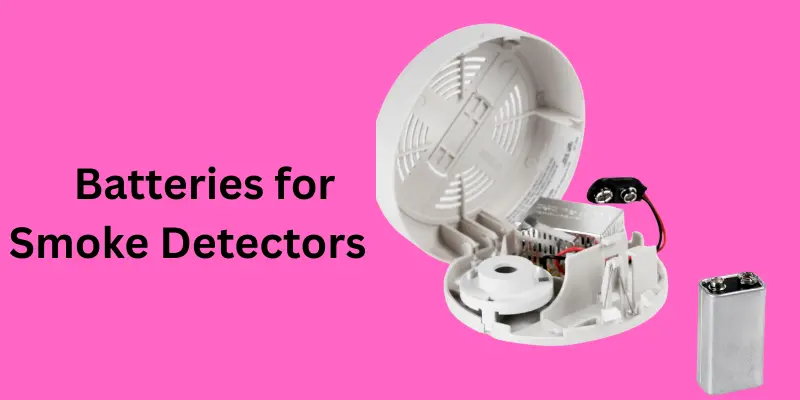
In this guide, we cover everything you need to know about smoke detector batteries—from types and lifespan to proper smoke detector battery replacement procedures.
Types of Batteries for Smoke Detectors
Different smoke alarms require specific types of batteries. Let’s explore the most common options:
a. AA Battery for Smoke Detector
- Standard AA batteries are commonly used in many First Alert smoke detectors and other conventional models.
- Typically alkaline, with a battery life expectancy of 6–12 months.
b. Lithium Battery for Smoke Detector
- 9V or AA-sized lithium batteries are known for their long battery life—often up to 10 years.
- Ideal for wireless smoke detector batteries and modern smart alarms.
c. CR123A Battery for Smoke Detector
- Compact and powerful, the CR123A battery for smoke detector is often used in smart smoke detectors and high-end security systems.
- Known for stability and performance in extreme temperatures.
d. Rechargeable Smoke Detector Battery
- Less common but available in some smart and eco-friendly models.
- Requires USB or dock-based charging; convenient for connected devices.
Best Practices: Smoke Detector Battery Replacement
Knowing how to change smoke detector battery correctly is crucial for safety. Follow these steps:
- Turn off the alarm’s power (if hardwired).
- Open the battery compartment.
- Remove the old battery for smoke detector.
- Insert the new battery, ensuring correct polarity.
- Test the alarm using the test button.
Tip: Replace batteries every 6-12 months, or follow the manufacturer’s recommendation.
Universal Smoke Detector Battery Options
If you’re unsure which battery to buy, consider a universal smoke detector battery option. These are compatible with most major brands like First Alert, Kidde, and BRK. Ensure you check your model specifications before purchase.
Smart Smoke Detector Battery Features
Smart smoke detectors come with enhanced battery technology. Some features include:
- Battery health alerts via mobile app
- Extended battery life expectancy (up to 10 years)
- Support for wireless smoke detector batteries
- Rechargeable or sealed battery units
These systems reduce the risk of alarm failure due to dead batteries.
Battery Life in Smoke Detectors: What to Expect
Here’s a quick overview of typical battery life in smoke detectors:
| Battery Type | Expected Lifespan |
|---|---|
| Alkaline AA/9V | 6–12 months |
| Lithium 9V or AA | Up to 10 years |
| CR123A Lithium | 3–5 years |
| Rechargeable (Smart Devices) | 1–5 years (depending on usage) |
Batteries for Fire Alarm vs. Smoke Detector
While the terms are often used interchangeably, a fire alarm system may contain multiple detectors, including heat, smoke, and CO. Thus, the batteries for fire alarms must support broader functionality. Always consult your system’s manual for battery requirements.
Best Batteries for First Alert Smoke Detectors
First Alert smoke detectors typically require:
- 9V Alkaline Batteries (for older models)
- AA Batteries (for select newer models)
- Sealed Lithium Batteries (for 10-year detectors)
Recommended Battery Brands:
| Brand | Type | Features | Est. Life | Price (USD) |
|---|---|---|---|---|
| Energizer Max | 9V Alkaline | Reliable, widely available | 1 year | $2–$3 |
| Duracell Coppertop | 9V Alkaline | Trusted performance | 1 year | $2.50–$3.50 |
| Energizer Ultimate Lithium | AA Lithium | Long-lasting, high-performance | 5–10 years | $2–$3 each |
| Panasonic CR123A | Lithium | Used in smart detectors | 10 years | $3–$5 |
| Rayovac 9V Fusion | Alkaline | Budget-friendly, solid lifespan | 1 year | $1.50–$2.50 |
Note: Always refer to the user manual of your First Alert model to confirm battery requirements.
Best Lithium Batteries for Smoke Detectors (10-Year Life)
Lithium batteries are ideal for long-term use, especially in sealed detectors:
Top Lithium Battery Choices:
| Brand | Battery Type | Lifespan | Special Features |
|---|---|---|---|
| Energizer Ultimate Lithium (AA) | AA | Up to 10 years | High energy density, leak-resistant |
| Panasonic CR123A Lithium | CR123A | 10 years | Stable voltage, used in smart alarms |
| Duracell Lithium 9V | 9V | 5–10 years | Advanced performance in cold weather |
| Tenergy CR123A | CR123A | 8–10 years | Good value, reliable for alarms |
Lithium batteries are not rechargeable and must not be used in alarms that specify alkaline use only.
Smoke Detector with Sealed Battery vs Replaceable Battery
| Feature | Sealed Battery Smoke Detector | Replaceable Battery Smoke Detector |
|---|---|---|
| Battery Type | Built-in 10-year lithium | 9V, AA, or CR123A (Alkaline/Lithium) |
| Lifespan | 10 years (entire unit) | 6–12 months (battery only) |
| Maintenance | No battery replacement required | Battery must be changed regularly |
| Cost | Higher upfront ($20–$50) | Lower upfront ($10–$30) |
| Tamper Resistance | High (ideal for rentals, seniors) | Moderate |
| Recommended For | Long-term peace of mind | Budget-conscious or tech-savvy users |
| Disposal | Whole unit disposed after 10 years | Only battery replaced periodically |
Sealed battery alarms are increasingly required by law in several regions due to safety and maintenance advantages.
Do All Smoke Alarms Use 9V Batteries?
No, not all smoke alarms use 9V batteries.
Common Battery Types by Alarm Type:
| Battery Type | Used In |
|---|---|
| 9V Alkaline | Traditional models (First Alert, Kidde) |
| AA Alkaline | Some modern and cost-effective models |
| CR123A Lithium | Smart or wireless smoke/CO alarms |
| Sealed Lithium (non-replaceable) | 10-year smoke detectors |
Always check the back label or manual of your smoke alarm to determine the correct battery type.
What is a Battery?
A battery is a device that stores chemical energy and converts it into electrical energy to power electronic devices.
Main Components:
- Anode (−): Releases electrons
- Cathode (+): Accepts electrons
- Electrolyte: Enables the flow of charge between anode and cathode
How a Battery Works
- Chemical reaction occurs between materials in the anode and cathode.
- Electrons flow from anode to cathode through an external circuit (your device).
- Electric current powers the smoke detector.
- When chemicals are exhausted, the battery is dead or must be recharged.
In lithium batteries, the chemical reaction is more efficient, providing a longer lifespan.
Top 10 Manufacturers of Batteries for Smoke Detectors
| Rank | Manufacturer | Country | Battery Type | Typical Use | Lifespan | Where to Use | Price (USD) |
|---|---|---|---|---|---|---|---|
| 1 | Energizer | USA | AA, 9V, Lithium | Smoke, CO alarms | Up to 10 years | Homes, offices | $2–$5 |
| 2 | Duracell | USA | 9V, CR123A, Lithium | Alarms, remotes | Up to 10 years | Residential, industrial | $2–$4 |
| 3 | Panasonic | Japan | CR123A, Lithium | Smart detectors | 5–10 years | Homes, security systems | $3–$6 |
| 4 | Rayovac | USA | 9V, AA | Basic smoke alarms | 6–12 months | Budget-conscious areas | $1.50–$3 |
| 5 | Tenergy | USA/China | CR123A, AA Lithium | Smart alarms | 5–10 years | Commercial spaces | $2–$5 |
| 6 | Samsung SDI | South Korea | Lithium-ion cells | Rechargeable batteries | Varies | Rare in alarms | $3–$6 |
| 7 | Sony | Japan | Alkaline | Electronics | 1 year | Home appliances | $1–$2 |
| 8 | Varta | Germany | AA, 9V, Lithium | Smoke detectors | 5–10 years | EU markets | $2–$4 |
| 9 | GP Batteries | Hong Kong | AA, CR123A | Smoke and CO alarms | 2–8 years | Asia, global | $1.50–$4 |
| 10 | Amazon Basics | USA | 9V, AA Alkaline | Budget smoke alarms | 6–12 months | Home use | $1–$2 |
International Standards for Batteries in Smoke Detectors
| Standard/Guideline | Region/Body | Purpose |
|---|---|---|
| UL 217 | USA (Underwriters Labs) | Battery performance in smoke alarms |
| UL 2034 | USA | CO alarm power source testing |
| EN 14604 | EU | Battery requirements for household smoke alarms |
| BSI Kitemark Certification | UK | Verifies battery and device quality |
| NFPA 72 (National Fire Alarm Code) | USA (NFPA) | Specifies battery type, backup requirements for alarms |
| ISO 7240-7 | International | Fire detection devices with battery standards |
| RoHS | EU | Regulates toxic substances in batteries |
| REACH | EU | Chemical safety of battery materials |
Compliance with these standards ensures reliability, safety, and legal acceptance of smoke detector batteries.
Compatibility Operating Chart for Batteries Used in Smoke Detectors
| Battery Type | Voltage | Common Smoke Alarm Models | Replaceable? | Lifespan | Environment Suitability |
|---|---|---|---|---|---|
| 9V Alkaline | 9V | First Alert, Kidde (classic) | Yes | 6–12 months | General home use |
| 9V Lithium | 9V | Select models, long-life versions | Yes | 5–10 years | High-temp, long-term usage |
| AA Alkaline | 1.5V | First Alert newer models | Yes | 1–2 years | Normal temp homes |
| AA Lithium | 1.5V | Smart smoke detectors | Yes | 5–10 years | Extended use, cold/hot zones |
| CR123A Lithium | 3V | Wireless/smart alarms | Yes | 7–10 years | Commercial & tech alarms |
| Sealed Lithium | Built-in | 10-year alarms (Kidde, BRK) | No | 10 years | All environments |
FAQs
1. How long do smoke detector batteries last?
The lifespan of smoke detector batteries depends on the battery type, smoke alarm model, and usage environment:
Standard Battery Lifespans:
- 9V Alkaline Batteries: Typically last 6 to 12 months in standard smoke detectors.
- AA Batteries (Alkaline): Usually last 1 to 2 years depending on usage.
- Lithium 9V or CR123A Batteries: Can last 5 to 10 years, especially in sealed, long-life alarms.
- Sealed Lithium Battery Smoke Detectors: Come with a built-in 10-year battery that lasts the full life of the detector.
Key Tips:
- Test monthly to ensure battery power.
- Replace batteries every 6 months if using alkaline types (common advice from fire departments).
- Replace the whole smoke detector unit every 10 years, even if the battery is still functional.
2. Can I use rechargeable batteries in smoke alarms?
While technically possible, rechargeable batteries are generally not recommended for most smoke alarms.
Why Not:
- Voltage Differences: Rechargeable NiMH batteries typically produce 1.2V, whereas alkaline batteries produce 1.5V. This lower voltage may trigger false low-battery alerts.
- Shorter Runtime: Rechargeables tend to self-discharge faster and may not last long enough for reliable performance.
- Incompatibility: Some smoke alarms explicitly warn against using rechargeables in their manuals.
Exceptions:
- A few smart smoke alarms or specific rechargeable battery-compatible units may allow it, but always check the manufacturer’s instructions first.
3. What type of battery goes in a Kidde smoke detector?
Kidde smoke detectors typically use one of the following battery types, depending on the model:
Common Battery Types:
- 9V Alkaline Battery – Most older or basic Kidde models.
- AA Alkaline Battery – Some newer models (e.g., Kidde i9040).
- CR123A Lithium Battery – Select wireless or smart models.
- Sealed Lithium Battery (10-year life) – Found in newer models like Kidde i9010 or Kidde P3010 series.
How to Know:
- Check the battery compartment or user manual.
- Look for the model number on the back of the detector and search it on Kidde’s website.
4. How to stop smoke alarm from beeping after battery change?
If your smoke alarm keeps beeping even after replacing the battery, follow these steps:
Step-by-Step Fix:
- Check Battery Orientation – Make sure the battery is inserted correctly (+/- terminals aligned).
- Reset the Alarm:
- Remove the battery.
- Press and hold the test/reset button for 15–30 seconds to discharge any residual charge.
- Reinsert the battery and mount the detector.
- Clean the Detector – Use compressed air to remove dust or insects which might trigger false alarms.
- Ensure Proper Sealing – Make sure the battery compartment closes tightly.
- Replace the Detector – If it still beeps, the unit may be faulty or has reached the end of its 10-year life.
5. Why does my smoke detector still beep with new battery?
If your smoke alarm continues to chirp or beep despite a new battery, it may be due to one of the following issues:
Possible Causes:
- Improper Battery Installation – Incorrect terminal alignment or loosely fitted battery.
- Residual Electrical Charge – The detector’s memory might still register a low battery signal.
- Dirty Sensor – Dust, insects, or cobwebs inside the sensing chamber can trigger false beeping.
- Environmental Factors – High humidity, extreme temperatures, or steam may activate the sensor.
- End-of-Life Warning – If the detector is 8–10 years old, the beeping might indicate it’s time for replacement.
- Interconnected System Error – In hardwired units, one faulty detector can cause all connected alarms to beep.
Summary:
Selecting the right battery for smoke detector ensures uninterrupted safety. From AA batteries to lithium options like CR123A, it’s essential to match your device’s needs with a reliable power source. Don’t forget to maintain a schedule for smoke detector battery replacement and opt for universal or smart batteries when possible.
Conclusion
Whether you’re using a First Alert smoke detector or a high-tech smart model, keeping your smoke alarm powered with the best battery option is vital for home safety. Consider your device type, check the battery life, and perform timely replacements. Reliable batteries for smoke detectors aren’t just a convenience—they’re a life-saving necessity.
Please Write Your Comments