Smoke Detector Sensor: A Complete Guide to Fire Safety Technology
Updated: 23-Jul-2025
450
A smoke detector sensor is a critical component of modern fire safety systems, designed to provide early warnings of fire hazards. Whether in residential, commercial, or industrial settings, these devices save lives by detecting smoke particles and alerting occupants before a fire spreads. From photoelectric smoke detectors to ionization smoke sensors and advanced smart smoke detectors, understanding this technology is vital for ensuring safety at home and in workplaces.
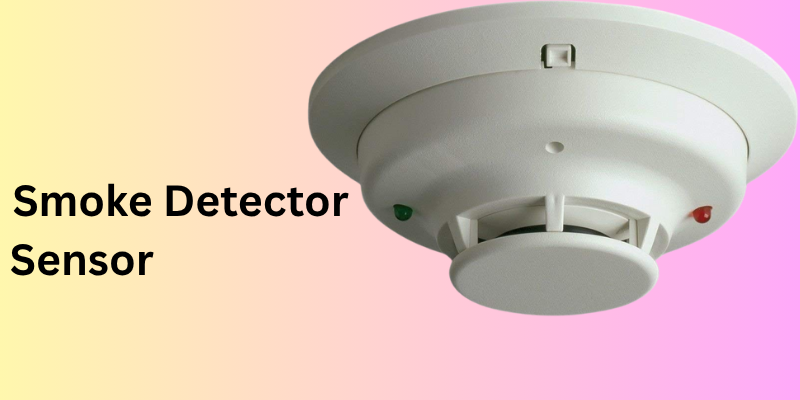
Table of content
What is a Smoke Detector Sensor?
A smoke detector sensor is an electronic device that senses smoke, typically as an indicator of fire. When smoke particles are detected, the system triggers an alarm to prompt evacuation or fire suppression actions. These sensors are integral parts of fire protection devices and smoke detection systems worldwide.
History and Evolution of Smoke Detector Sensors
The first smoke detection technology emerged in the early 20th century, evolving from basic heat sensors to advanced IoT smoke sensors today. Modern wireless smoke detector sensors and hardwired smoke detectors with battery backup offer improved sensitivity and reliability.
Types of Smoke Detector Sensors
1. Photoelectric Smoke Detector Sensor
Also called photo sensor smoke detectors, these use a light beam to detect smoke. When smoke particles scatter the light, the alarm activates. They excel at detecting slow, smoldering fires.
2. Ionization Smoke Sensor
This type uses radioactive material to ionize air. Smoke entering the chamber disrupts the ion flow, triggering an alarm. Ionization detectors are highly sensitive to fast-flaming fires.
3. Dual Sensor Smoke Detectors
Combining both photoelectric and ionization technologies, dual sensor smoke detectors like the First Alert Dual Sensor Smoke Detector provide comprehensive protection against all fire types.
4. Heat and Smoke Detectors
These combine temperature sensing with smoke detection, ideal for areas with high dust or steam where false alarms are common.
5. Smart Smoke Detectors
Smart smoke detectors offer features like wireless connectivity, mobile app alerts, and integration with home smoke alarm systems and IoT platforms.
Residential vs. Commercial Smoke Detectors
| Feature | Residential Smoke Detectors | Commercial Smoke Detectors |
|---|---|---|
| Power Source | Battery-operated or hardwired | Hardwired with battery backup |
| Sensitivity | Moderate | High (Early warning systems) |
| Connectivity | Often standalone | Networked (smoke detection systems) |
| Example Products | Kidde Dual Sensor Smoke Detector | System Sensor Duct Smoke Detector |
Applications of Smoke Detector Sensors
- Home Smoke Alarm Systems: Ceiling mounted smoke sensors protect homes from fire hazards.
- Industrial Smoke Detector Sensors: Used in factories and warehouses for high-sensitivity detection.
- Commercial Buildings: Networked smoke detection systems with system sensor duct smoke detectors.
- Air Quality Monitoring: Advanced detectors can also monitor pollutants alongside smoke.
Smoke Detection Technology and Innovations
Wireless Connectivity in Smoke Alarms
Modern wireless smoke detectors allow seamless integration with smart home systems.
IoT-Enabled Smoke Sensors
IoT smoke sensors provide remote monitoring, maintenance alerts, and enhanced data analytics for fire safety.
Early Warning Smoke Detection
Enhanced sensitivity levels detect fires in their earliest stages, providing crucial extra minutes for evacuation.
Installation and Maintenance
Smoke Alarm Installation Guide
- Install ceiling mounted smoke sensors in every bedroom, hallway, and living area.
- Keep detectors at least 10 feet away from cooking appliances to prevent false alarms.
- Follow manufacturer guidelines for system sensor duct smoke detector wiring diagrams.
Lifespan and Maintenance
- Replace battery-operated smoke detectors every 10 years.
- Test alarms monthly.
- Replace batteries annually unless using long-life models.
Photoelectric vs Ionization Detectors
| Feature | Photoelectric Detector | Ionization Detector |
|---|---|---|
| Best for | Smoldering Fires | Fast-Flaming Fires |
| False Alarm Rate | Lower | Higher (prone to steam/cooking) |
| Response Time | Slower for flames, faster for smoke | Faster for flames, slower for smoke |
Popular Smoke Detector Sensor Models
- Kidde Dual Sensor Smoke Detector – Combines ionization and photoelectric sensors.
- Firex Hardwired Smoke Detector with Ionization Sensor – Reliable for commercial use.
- First Alert Dual Sensor Smoke Detector – Top-rated for home safety.
- System Sensor Smoke Detector – Designed for industrial applications.
Top 10 Smoke Detector Sensors (2025)
| Rank | Brand & Model | Price (approx) | Features |
|---|---|---|---|
| 1 | X‑Sense SC01 | ~$50 | Photoelectric + CO combo, 10‑year lithium battery, real‑time digital readout; praised for reliability |
| 2 | First Alert PRC710 | ~$45 | Photoelectric + CO, ultra‑thin, long battery, distinct beeps for smoke/CO |
| 3 | X‑Sense Wireless Interconnected (3‑pack) | ~$120 (3) | Interconnected radio, 5‑year battery, compact design, UL‑217 compliant |
| 4 | Google Nest Protect (2nd Gen) | ~$129 | Smart voice alerts, split‑spectrum detection, phone notifications, night‑light |
| 5 | Kidde i4618 Hardwired | ~$40 | Ionization sensor for fast‑burn fires, reliable hardwired with battery backup |
| 6 | Kidde 30CUD10V Combo | ~$60 | Battery‑operated smoke + CO, 10‑year lifespan, easy install |
| 7 | SimpliSafe Wireless Smoke Detector | ~$35 | Battery‑powered, easy SimpliSafe system integration |
| 8 | Gentex “Place” Smart Combo | ~$139 | Hardwired smart alarm; Wi‑Fi, motion, temp/humidity; Alexa enabled |
| 9 | First Alert SM500V (Wireless Interconnect) | ~$60 | Battery‑powered with bridge; voice alerts, links with wired units The Washington Post |
| 10 | Kidde TruSense (battery combo) | ~$55 | Photoelectric + CO combo; 10‑year battery; note: earlier TruSense line faced recall for late alarming Wikipedia |
Highlights & Buying Tips
- Best overall: X‑Sense SC01 excels with its digital CO display, integrated CO & smoke sensing, and 10-year battery.
- Top smart choice: Nest Protect offers advanced split‑spectrum detection, voice alerts, app notifications—and acts as a night light.
- Best hardwired option: Kidde i4618 gives reliable ionization-based fast-fire detection with backup battery.
- For interconnected systems: X‑Sense wirelessly connects multiple units up to 820 feet apart.
- DIY smart bridges: For homes with existing wired units, First Alert’s SM500V + bridge integrate battery wireless alarms The Washington Post.
- New contender: Gentex Place introduces smart hardwired alarming with environmental sensors—great features, but limited ecosystem integration today.
- Caution: Kidde’s TruSense series had a recall in 2021 due to slow alarming—ensure you’re buying the updated version Wikipedia.
Choosing the Right One for You
- Want smart alerts & voice guidance? Go for Nest Protect or Gentex Place.
- Looking for simple reliability with long battery life? X‑Sense SC01 or Kidde 30CUD10V are excellent.
- Need wireless interconnection across multiple rooms? X‑Sense wireless packs or First Alert’s interconnectable units with bridge are ideal.
- Have wired systems and want to add battery units? First Alert SM500V + bridge makes it easy to expand.
- Need hardwired reliability? Choose Kidde i4618.
Best Smoke Detector Sensor for Home Use
For most homes, a dual sensor smoke detector (photoelectric + ionization) is the best option. It offers protection against both smoldering and fast-flaming fires. Models like the First Alert Dual Sensor Smoke Detector or the Nest Protect Smart Smoke Detector are highly recommended. They combine advanced detection with mobile alerts, self-testing features, and voice notifications.
Why?
✔ Photoelectric detects slow, smoky fires.
✔ Ionization detects fast, flaming fires.
✔ Smart features add extra convenience and safety.
Photoelectric Smoke Detector Sensor Advantages
- Faster response to smoldering fires (e.g., furniture burning).
- Less prone to false alarms from cooking smoke or steam.
- Ideal for bedrooms, hallways, and living areas.
- Safer for areas where slow-burning fires are common.
- No radioactive material (unlike ionization detectors).
Difference Between Smoke and Heat Detectors
| Feature | Smoke Detector | Heat Detector |
|---|---|---|
| Detection Method | Senses smoke particles in air | Senses high temperatures or rapid heat rise |
| Response Time | Faster for most fires | Slower (only reacts to heat) |
| Use Case | Homes, offices, public buildings | Kitchens, garages, industrial areas |
| False Alarms | Can occur from steam or dust | Rare, but may react late to smoldering fires |
| Best For | Early fire detection | Environments with dust/steam/smoke interference |
Smart Smoke Detectors with Mobile Alerts
Smart detectors like Nest Protect and First Alert Onelink Safe & Sound send real-time notifications to your smartphone. Features include:
✔ Mobile alerts for smoke, CO, and low battery.
✔ Integration with Alexa, Google Assistant, and Apple HomeKit.
✔ Self-testing and voice alarms.
✔ Multi-room interconnectivity.
Affordable Smoke Detector Sensors for Small Businesses
Small businesses can benefit from affordable options like:
- Kidde i4618AC (hardwired with battery backup)
- First Alert BRK 3120B (dual sensor)
- X-Sense SD01 (photoelectric + 10-year battery)
These models offer reliable protection, easy installation, and compliance with commercial fire safety standards without a high price tag.
Smoke Detector Sensor with Carbon Monoxide Detection
Combination smoke & CO detectors save space and enhance safety:
- Nest Protect 2nd Gen – Dual-sensor smoke detector + CO sensor + smart alerts.
- First Alert SCO501CN-3ST – Wireless interconnect, battery operated.
- Kidde KN-COSM-IBA – Hardwired with battery backup.
Why choose combo models?
✔ Protect against fire and CO poisoning.
✔ Fewer devices to maintain.
✔ Ideal for homes with gas appliances or attached garages.
Industrial-Grade Smoke Sensors for Warehouses
Warehouses require high-sensitivity, industrial smoke detectors like:
- System Sensor D4120 Duct Smoke Detector
- Honeywell NOTIFIER FSP-951 Series
- Edwards EST SIGA-PS Series Photoelectric Detectors
These are designed for:
✔ Large spaces with high ceilings.
✔ Ductwork smoke detection.
✔ Networked smoke detection systems for real-time monitoring.
What’s the difference between optical and ionization smoke sensors?
| Feature | Optical (Photoelectric) | Ionization |
|---|---|---|
| Detection Method | Light beam scatter from smoke | Ionized air disruption |
| Best For | Smoldering fires (slow burn) | Flaming fires (fast burn) |
| False Alarms | Fewer (less sensitive to steam) | More (steam, dust) |
| Placement | Near kitchens/living areas | Near bedrooms/hallways |
Tip: Dual-sensor alarms combine both for better protection.
IoT-Enabled Smoke Detection Systems for Smart Homes
IoT smoke detectors bring smart features:
- Mobile app alerts (smoke, CO, battery status).
- Integration with smart home ecosystems.
- Remote silencing of false alarms.
- Cloud-based history logs for safety audits.
Top IoT models:
✔ Nest Protect
✔ First Alert Onelink Safe & Sound
✔ X-Sense Smart Smoke Alarm
Pros and Cons of Ionization Smoke Sensors
| Pros | Cons |
|---|---|
| Fast response to flaming fires | Slower response to smoldering fires |
| Inexpensive and widely available | Higher false alarm rate (steam/cooking) |
| Compact design | Contains small amount of radioactive material |
| Good for kitchens and utility rooms | Less effective for slow-burning fires |
Dual Sensor Smoke Alarms vs Single Sensor
| Feature | Dual Sensor Smoke Alarm | Single Sensor Smoke Alarm |
|---|---|---|
| Detection Capability | Smoldering + Flaming fires | One type only (photoelectric or ionization) |
| Safety Level | Higher | Moderate |
| False Alarms | Lower (better balance) | More prone if wrong type is chosen |
| Cost | Slightly more expensive | Cheaper |
| Recommended For | Whole-home protection | Supplemental or specific rooms |
Summary
A smoke detector sensor is an essential component of modern fire safety, offering early detection of potential hazards. With various technologies like photoelectric, ionization, and dual sensor smoke detectors, they cater to different fire scenarios. Advanced features in smart smoke detectors and IoT smoke sensors have revolutionized fire protection for homes and businesses alike.
Conclusion
Choosing the right smoke detector sensor is critical for effective fire safety. From residential smoke detectors to industrial smoke detector sensors, ensuring proper installation and regular maintenance is key. Invest in modern wireless smoke detector sensors with battery backup to enhance protection and peace of mind.
FAQs
Where to place smoke detector sensors in a home?
Smoke detectors should be installed:
- Inside every bedroom
- Outside each sleeping area (like hallways)
- On every level of the home, including the basement.
- In living rooms and stairways where smoke can travel.
- At least 10 feet (3 meters) from cooking appliances to avoid false alarms.
- Mount on the ceiling, at least 4 inches from the wall, or on a wall 4–12 inches from the ceiling.
Tip: Don’t install near windows, doors, or ducts where drafts could interfere with detection.
No, a standard smoke detector cannot detect gas leaks like natural gas or propane.
To detect gas leaks, you need a gas leak detector or a combination smoke and gas detector specifically designed for this purpose.
How often should I replace my smoke detector sensor?
- Replace the entire smoke detector unit every 10 years, as recommended by the NFPA (National Fire Protection Association).
- Replace the batteries at least once a year (unless it has a sealed 10‑year battery).
- Test monthly to ensure proper functioning.
Are wireless smoke detectors reliable?
Yes, modern wireless smoke detectors are highly reliable and meet UL and NFPA standards.
They:
✔ Communicate with each other for whole-home coverage.
✔ Are easy to install without wiring.
✔ Often come with long-life batteries or rechargeable options.
Choose models with strong interconnect signals (like X‑Sense or First Alert) for large homes.
Do smoke detector sensors work without Wi‑Fi?
Yes. Most smoke detectors work independently of Wi‑Fi for smoke detection and alarming.
- Wi‑Fi is only needed for smart features like app notifications or integration with home automation systems.
- Basic models and hardwired detectors function fully without internet.
How to test if a smoke detector sensor is working?
- Press and hold the “Test” button until you hear a loud alarm (may take a few seconds).
- For a smoke test: Blow out a candle near the sensor or use canned smoke.
- Check indicator lights: Green for power, red for alarming.
- Repeat monthly.
If no sound or weak alarm, replace batteries or the unit.
Which smoke detector sensor is best for kitchens?
Photoelectric (optical) smoke detectors are best for kitchens because they:
- Are less prone to false alarms from cooking smoke or steam.
- Detect slow, smoldering fires common in kitchen environments.
Example: X‑Sense SC01 or Nest Protect with steam-resistant design.
Please Write Your Comments