Workplace Safety: Creating a Safer, Healthier, and More Productive Work Environment
Updated: 31-May-2026
148
Workplace safety is one of the most important responsibilities of any organization. Every employee has the right to work in an environment where hazards are identified, to know more regarding hazards dig out the article Airborne Hazards the risks are controlled, and safety remains a daily priority. You may explore the article What is safety for more information. A safe workplace protects employees from injuries and illnesses while helping businesses maintain productivity, reduce costs, and build a positive reputation.
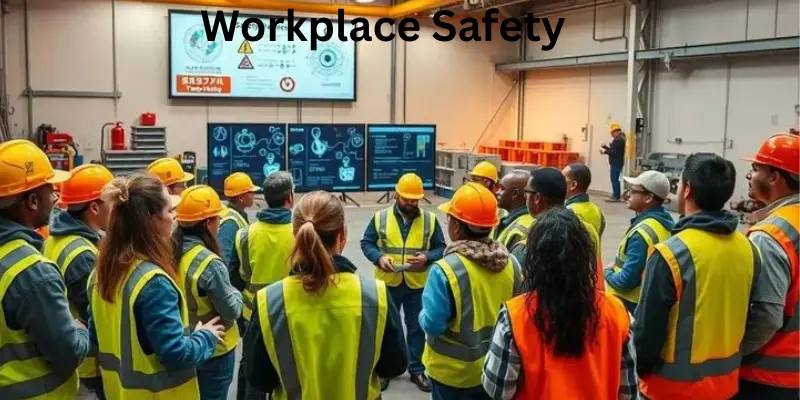
Many workplace accidents are preventable. Most incidents occur because of unsafe practices, inadequate training, poor hazard awareness, lack of supervision, or failure to follow established safety procedures. Organizations that invest in workplace safety create an environment where employees can perform their duties confidently and efficiently.
Workplace safety is not limited to construction sites, factories, or warehouses. Offices, healthcare facilities, retail stores, educational institutions, and service-based businesses also face safety challenges. Slips, trips, falls, ergonomic injuries, electrical hazards, and workplace stress can affect employees in almost every industry.
A strong workplace safety program focuses on prevention rather than reaction. Instead of responding to accidents after they occur, businesses should identify potential risks early and implement measures that eliminate or reduce those risks. This proactive approach protects employees and contributes to long-term organizational success. The article Risk Analysis is very helping in this regards.
What Is Workplace Safety?
Workplace safety refers to the policies, procedures, practices, and measures designed to protect employees, visitors, contractors, and other individuals from hazards that may exist within a work environment. The goal is to prevent injuries, illnesses, property damage, and operational disruptions.
A comprehensive workplace safety strategy includes hazard identification, Risk Assessment, employee training, emergency preparedness, safety equipment, incident reporting, and continuous improvement. These elements work together to create an environment where risks are managed effectively.
Workplace safety is often viewed as a compliance requirement, but its value extends far beyond regulations. Organizations that prioritize safety frequently experience higher employee satisfaction, lower turnover rates, improved productivity, and fewer workplace disruptions.
Why Workplace Safety Matters
Safety directly affects employees, employers, and business performance. Every workplace injury has consequences that extend beyond medical treatment. Accidents can lead to lost workdays, reduced morale, operational delays, legal liabilities, and financial losses.
Employees who feel safe are more likely to remain focused on their responsibilities. They can perform tasks without unnecessary fear of injury. This confidence contributes to greater efficiency and stronger engagement.
For employers, workplace safety helps reduce compensation claims, equipment damage, investigation costs, and productivity losses. Businesses with strong safety records often earn greater trust from clients, partners, and stakeholders.
Safety also contributes to organizational culture. When employees see management actively supporting safety initiatives, they recognize that their well-being is valued. This strengthens trust and encourages greater participation in workplace safety programs.
Common Workplace Hazards
Every workplace contains hazards. Some risks are obvious, while others develop gradually over time. Understanding these hazards is the first step toward effective prevention.
Physical Hazards
Physical hazards are among the most common workplace risks. They include slippery floors, uneven surfaces, falling objects, excessive noise, machinery, moving vehicles, and inadequate lighting.
Falls remain one of the leading causes of workplace injuries. Poor housekeeping practices, cluttered walkways, and wet surfaces significantly increase accident risks.
Chemical Hazards
Employees may be exposed to hazardous chemicals through cleaning products, solvents, fuels, paints, industrial compounds, and manufacturing materials.
Chemical exposure can cause skin irritation, respiratory problems, burns, poisoning, and long-term health complications. Proper storage, handling procedures, labeling, and employee training are essential for reducing these risks. Use of chemocal resistacnce suits, Chemical Splash Goggles and Chemical-Resistant Gloves are very essential.
Biological Hazards
Biological hazards involve exposure to bacteria, viruses, fungi, mold, and other harmful microorganisms. Healthcare workers, laboratory personnel, sanitation staff, and food service employees often face higher levels of biological risk.
Organizations should establish hygiene protocols, sanitation procedures, and infection-control measures to protect employees from biological hazards.
Ergonomic Hazards
Ergonomic hazards develop when employees perform repetitive motions, lift heavy objects incorrectly, maintain poor posture, or work at improperly designed workstations.
Musculoskeletal disorders can develop gradually and significantly affect employee health. Proper workstation design, lifting techniques, and ergonomic assessments help reduce these risks.
Psychosocial Hazards
Modern workplace safety extends beyond physical protection. Stress, burnout, workplace harassment, excessive workloads, and poor communication can affect mental health and overall well-being.
Organizations that support employee wellness often experience better productivity and lower absenteeism.
The Role of Risk Assessment in Workplace Safety
Risk assessment forms the foundation of every effective workplace safety program. It helps organizations identify hazards before incidents occur.
A proper risk assessment begins with identifying potential dangers within the workplace. Management should evaluate work processes, equipment, materials, and employee activities to determine where risks exist.
The next step involves assessing the likelihood and severity of each hazard. High-risk situations require immediate attention, while lower-risk issues may be addressed through routine improvements.
Control measures should then be implemented to eliminate hazards whenever possible. If elimination is not feasible, organizations should reduce risks through engineering controls, administrative controls, safety procedures, and protective equipment.
Risk assessments should be reviewed regularly because workplaces constantly evolve. New equipment, processes, materials, and personnel can introduce additional hazards.
Building a Strong Workplace Safety Culture
Workplace safety is most effective when it becomes part of organizational culture rather than a standalone program.
Safety culture reflects the attitudes, beliefs, and behaviors that employees and management demonstrate toward workplace safety. A strong culture encourages everyone to take responsibility for identifying hazards and preventing accidents.
Leadership plays a critical role in shaping safety culture. Employees observe management actions more closely than written policies. When leaders consistently prioritize safety, employees are more likely to follow established procedures.
Open communication is equally important. Employees should feel comfortable reporting hazards, near misses, and safety concerns without fear of criticism or punishment.
Recognition programs can also strengthen safety culture. Acknowledging safe behaviors encourages employees to remain engaged and proactive.
Workplace Safety Equipment and Its Importance
Safety equipment serves as one of the most visible components of workplace safety. While safety policies and training help prevent incidents, protective equipment provides an additional layer of defense when hazards cannot be completely eliminated.
Different workplaces require different types of safety equipment depending on the tasks being performed and the risks involved. Construction sites, manufacturing facilities, warehouses, laboratories, and healthcare environments all face unique safety challenges.
Employers should evaluate workplace hazards carefully before selecting safety equipment. The equipment provided must match the risks employees encounter during their daily activities.
Protective equipment should never be viewed as a substitute for hazard elimination. The primary objective should always be to remove or reduce hazards at their source. Safety equipment becomes essential when residual risks remain.
Organizations should also inspect safety equipment regularly. Damaged or poorly maintained equipment may create a false sense of security and fail when protection is needed most.
For businesses seeking detailed guidance on personal protective equipment, specialized resources covering PPE selection, inspection, maintenance, and usage can provide valuable information.
Employee Training and Workplace Safety
Even the best safety policies are ineffective if employees do not understand how to apply them. Training transforms written procedures into practical workplace behaviors.
Safety training should begin during employee onboarding. New workers need to understand workplace hazards, emergency procedures, reporting systems, and job-specific safety requirements before performing their duties independently.
Training should not end after orientation. Regular refresher sessions help employees stay aware of changing workplace conditions and reinforce safe work practices.
Effective safety training programs often include:
- Hazard recognition
- Safe equipment operation
- Emergency response procedures
- Incident reporting requirements
- Fire prevention practices
- Safe lifting techniques
- Chemical handling procedures
- Workplace housekeeping standards
Practical demonstrations are often more effective than theoretical presentations. Employees retain information better when they can see procedures being performed and practice them under supervision.
Organizations should also document training activities. Accurate records help verify compliance requirements and identify areas where additional instruction may be necessary.
Workplace Safety Responsibilities
Creating a safe workplace requires cooperation between employers and employees. Safety becomes more effective when everyone understands their responsibilities.
Employer Responsibilities
Employers are responsible for establishing and maintaining a safe work environment. This includes identifying hazards, implementing control measures, providing training, maintaining equipment, and developing emergency procedures.
Management should conduct regular inspections and address safety concerns promptly. Employees must have access to the resources necessary to perform their work safely.
Employers should also encourage reporting of hazards and incidents. Problems identified early are generally easier and less expensive to resolve.
Employee Responsibilities
Employees play an equally important role in workplace safety. Workers should follow established procedures, use safety equipment correctly, report hazards, and participate in safety initiatives.
Ignoring safety rules can place both the individual and coworkers at risk. Employees should never bypass safeguards or engage in unsafe shortcuts to save time.
Safety is most successful when employees actively contribute to hazard identification and continuous improvement efforts.
Incident Reporting and Accident Investigation
Many organizations focus heavily on preventing accidents but pay less attention to learning from incidents that do occur.
Incident reporting provides valuable information about workplace risks. Even minor incidents and near misses can reveal weaknesses in existing safety systems.
A near miss occurs when an incident could have caused injury or damage but did not due to chance or timing. These events should be investigated with the same seriousness as actual accidents because they often highlight hidden hazards.
Accident investigations should focus on identifying root causes rather than assigning blame. The goal is to understand why an incident occurred and how similar events can be prevented in the future.
Common investigation findings include:
- Inadequate training
- Poor communication
- Equipment failures
- Insufficient supervision
- Unsafe work procedures
- Environmental conditions
Organizations that consistently analyze incidents often achieve significant improvements in workplace safety performance.
Emergency Preparedness in the Workplace
No workplace can completely eliminate emergencies. Fires, medical incidents, chemical spills, severe weather events, power outages, and security threats can occur unexpectedly.
Emergency preparedness helps organizations respond quickly and effectively when these situations arise.
Every workplace should have a documented emergency response plan that clearly outlines responsibilities and procedures. Employees should know exactly what actions to take during different types of emergencies.
Emergency plans should address:
- Evacuation procedures
- Emergency exits
- Assembly points
- Fire response
- Medical emergencies
- Hazardous material incidents
- Communication protocols
- Emergency contact information
Regular emergency drills help employees become familiar with procedures and identify potential weaknesses in response plans.
Preparation often determines whether an emergency remains manageable or develops into a serious crisis.
The Financial Benefits of Workplace Safety
Some organizations view safety programs as operational expenses. In reality, workplace safety often generates substantial financial benefits.
Workplace accidents can be extremely costly. Direct expenses may include medical treatment, workers’ compensation claims, equipment repairs, legal costs, and regulatory penalties.
Indirect costs are often even greater. These may include lost productivity, overtime expenses, project delays, recruitment costs, employee turnover, and reputational damage.
Strong safety programs help organizations reduce these expenses significantly.
Businesses with lower injury rates often experience:
- Reduced insurance costs
- Improved productivity
- Lower absenteeism
- Better employee retention
- Fewer operational disruptions
- Increased customer confidence
Investing in workplace safety is often less expensive than managing the consequences of preventable accidents.
Technology and the Future of Workplace Safety
Technology is transforming workplace safety across multiple industries. Modern tools allow organizations to identify risks more effectively and respond to hazards faster than ever before.
Digital safety management systems help organizations track inspections, incidents, corrective actions, and compliance requirements.
Wearable devices can monitor employee location, fatigue levels, environmental conditions, and exposure to hazardous substances.
Artificial intelligence is increasingly being used to analyze workplace data and identify patterns that may indicate elevated risk levels.
Drones are helping organizations inspect hazardous areas without exposing workers to unnecessary dangers.
Virtual reality training programs provide realistic simulations that allow employees to practice emergency responses and hazardous tasks within controlled environments.
As technology continues to evolve, workplace safety programs will become more proactive, data-driven, and efficient.
Common Workplace Safety Mistakes
Many workplace accidents result from preventable mistakes rather than unexpected events.
Common safety mistakes include:
- Ignoring minor hazards
- Delaying equipment maintenance
- Providing inadequate training
- Poor housekeeping practices
- Failing to investigate near misses
- Lack of employee involvement
- Inconsistent enforcement of safety rules
- Inadequate communication
Organizations should regularly evaluate their safety programs to identify and correct these weaknesses before they contribute to accidents.
Workplace Safety Checklist
Employers can use the following checklist to evaluate workplace safety performance:
- Hazards are identified and documented.
- Risk assessments are reviewed regularly.
- Employees receive safety training.
- Emergency procedures are documented.
- Safety equipment is inspected routinely.
- Work areas are clean and organized.
- Incident reporting systems are active.
- Safety meetings are conducted regularly.
- Employees can report concerns freely.
- Corrective actions are completed promptly.
- Emergency exits remain accessible.
- First-aid resources are available.
- Equipment maintenance schedules are followed.
- Safety policies are reviewed periodically.
- Management actively supports workplace safety initiatives.
- A simple checklist can reveal improvement opportunities that might otherwise go unnoticed.
Workplace safety continues to evolve as industries adopt new technologies, respond to emerging risks, and place greater emphasis on employee well-being. Organizations that stay ahead of these changes are often better prepared to protect their workforce and maintain operational efficiency.
One significant trend is the growing use of data-driven safety management. Businesses are collecting and analyzing safety data to identify patterns, predict risks, and implement preventive measures before incidents occur.
Employee well-being is also becoming a central part of workplace safety strategies. Companies increasingly recognize that mental health, fatigue management, stress reduction, and work-life balance can influence safety performance.
Remote and hybrid work arrangements have introduced new safety considerations. Employers are paying greater attention to home-office ergonomics, digital well-being, and employee support programs.
Another emerging trend is continuous learning. Instead of relying solely on annual training sessions, organizations are incorporating regular safety discussions, microlearning programs, and ongoing awareness campaigns.
The future of workplace safety will likely combine technology, employee engagement, and proactive risk management to create safer and healthier work environments.
How Workplace Safety Supports Long-Term Business Success
Many organizations initially invest in safety programs to meet regulatory requirements. Over time, however, they often discover that workplace safety contributes to much broader business objectives.
A safe workplace supports operational stability. Employees can perform their responsibilities with confidence, equipment experiences fewer disruptions, and projects are less likely to be delayed by accidents.
Workplace safety also strengthens organizational reputation. Clients, customers, investors, and business partners often view strong safety performance as an indicator of responsible management.
Employee retention is another important benefit. Workers are more likely to remain with organizations that demonstrate a genuine commitment to their well-being.
Safety and productivity are closely connected. Employees who feel protected are generally more focused, motivated, and engaged in their work. This creates positive outcomes for both individuals and businesses.
Organizations that treat safety as a long-term investment rather than a compliance obligation often achieve sustainable growth and stronger overall performance.
Creating a Continuous Improvement Mindset
Workplace safety is not a one-time project. It is an ongoing process that requires regular evaluation and improvement.
New hazards can emerge as businesses expand, adopt new technologies, introduce different equipment, or modify operational procedures. A safety program that was effective several years ago may not fully address current workplace conditions.
Continuous improvement begins with regular monitoring. Organizations should review safety performance indicators, incident reports, inspection findings, and employee feedback.
Employee participation is particularly valuable during improvement efforts. Workers often have direct knowledge of workplace conditions and can identify practical solutions that management may overlook.
Successful organizations encourage employees to share ideas, report concerns, and contribute to safety discussions. This collaborative approach strengthens safety culture and helps organizations adapt to changing risks.
A commitment to continuous improvement ensures that workplace safety remains effective, relevant, and aligned with organizational goals.
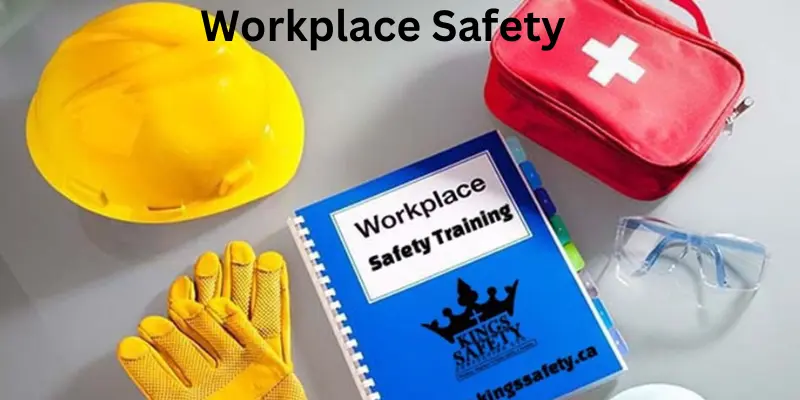
Frequently Asked Questions About Workplace Safety
What is workplace safety?
Workplace safety refers to the policies, procedures, and practices designed to protect employees from injuries, illnesses, and hazards while performing their job duties. It involves risk assessment, hazard control, employee training, emergency preparedness, and ongoing safety management.
Why is workplace safety important?
Workplace safety protects employees, reduces accidents, minimizes financial losses, improves productivity, and supports a positive organizational culture. A safe work environment benefits both employees and employers.
What are the most common workplace hazards?
Common workplace hazards include slips, trips, falls, electrical risks, chemical exposure, ergonomic issues, machinery-related dangers, biological hazards, and workplace stress.
Who is responsible for workplace safety?
Workplace safety is a shared responsibility. Employers must provide a safe work environment, training, and resources, while employees must follow safety procedures, use equipment properly, and report hazards.
How can workplace accidents be prevented?
Accidents can be prevented through hazard identification, risk assessments, employee training, proper supervision, routine inspections, effective communication, and continuous improvement of safety programs.
How often should workplace safety training be conducted?
Safety training should be provided during employee onboarding and reinforced regularly through refresher sessions, toolbox talks, safety meetings, and updates whenever workplace conditions change.
What is a workplace safety culture?
A workplace safety culture reflects the attitudes, values, and behaviors that employees and management demonstrate toward safety. A strong safety culture encourages proactive hazard reporting, accountability, and continuous improvement.
What role does technology play in workplace safety?
Technology supports workplace safety through digital inspections, incident tracking, wearable devices, predictive analytics, virtual training programs, and real-time monitoring systems.
Conclusion
Workplace safety is far more than a legal obligation or administrative requirement. It is a fundamental element of a successful organization. Every workplace, regardless of industry or size, faces risks that can affect employees, operations, and long-term business performance.
Organizations that prioritize workplace safety create environments where employees can work confidently, efficiently, and productively. Through hazard identification, risk assessment, employee training, emergency preparedness, and continuous improvement, businesses can significantly reduce workplace incidents and protect their most valuable asset—their people.
Effective workplace safety programs are built on commitment, communication, and consistency. When leadership actively supports safety initiatives and employees participate in the process, safety becomes part of everyday operations rather than a separate activity.
As workplaces continue to evolve, safety strategies must evolve as well. Businesses that remain proactive, embrace innovation, and foster a strong safety culture will be better positioned to manage risks and achieve sustainable success.
Workplace safety is ultimately an investment in people, productivity, and organizational resilience. The organizations that understand this principle are often the ones that achieve lasting growth while protecting the well-being of everyone who contributes to their success.
Please Write Your Comments