Safety Training: Complete Guide to Building a Safer and More Productive Workplace
Updated: 1-Jun-2026
162
Safety training is one of the most important investments any organization can make. Every workplace, regardless of size or industry, faces hazards that can affect employees, equipment, operations, and overall business performance. Effective safety training equips workers with the knowledge and skills needed to identify Risk Analysis, prevent accidents, respond to emergencies, and maintain a safe working environment.
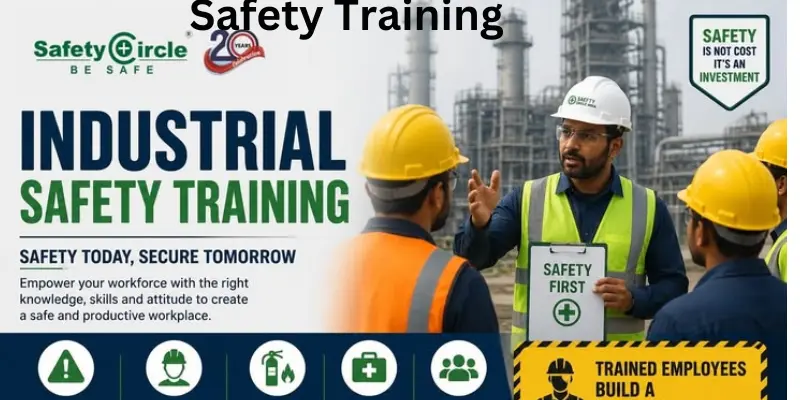
Organizations that prioritize safety training often experience fewer workplace injuries, lower compensation costs, higher employee morale, improved productivity, and stronger regulatory compliance. Safety training is not simply about meeting legal requirements. It is about creating a workplace culture where safety becomes a shared responsibility.
At bestsafetyequipments.com, we understand that proper safety equipment and quality training work together to protect employees and businesses. A workforce that knows how to use personal protective equipment correctly is significantly better prepared to avoid workplace incidents.
What Is Safety Training and Why Is It Important?
Safety training refers to structured programs designed to educate employees about workplace hazards, safety procedures, emergency protocols, and regulatory requirements. These programs help workers understand potential risks and learn how to perform their duties safely. The article Workplace Safety and Work Place Safety Tips furnishes a depth knoweldge in this regards.
Many workplace incidents occur because employees are unaware of hazards or have not received adequate instruction. Proper safety training closes this knowledge gap by teaching workers how to recognize dangers before accidents happen.
The importance of safety training extends beyond injury prevention. It helps organizations:
- Reduce workplace accidents
- Improve employee confidence
- Increase productivity
- Enhance legal compliance
- Protect company assets
- Reduce downtime
- Strengthen workplace culture
- Lower insurance costs
When employees understand safety expectations, they are more likely to follow procedures consistently and contribute to a safer environment.
How Safety Training Prevents Workplace Accidents
Workplace accidents often result from unsafe behaviors, insufficient knowledge, poor communication, or lack of awareness. Safety training directly addresses these issues by teaching employees practical methods for risk reduction.
Employees learn how to:
- Identify hazardous conditions
- Follow safe operating procedures
- Use equipment properly
- Wear protective gear correctly
- Report unsafe situations
- Respond during emergencies
Training also encourages workers to think proactively about safety rather than react after an incident occurs.
Organizations that maintain regular safety training programs typically see measurable reductions in injury rates and near-miss incidents.
Types of Safety Training Every Workplace Should Provide
Different workplaces require different safety programs. The most effective safety training strategy combines general safety education with job-specific instruction.
Workplace Safety Orientation Training
New employees should receive safety orientation before beginning work. This training introduces company safety policies, emergency procedures, reporting systems, and hazard awareness.
Orientation training establishes safety expectations from the first day of employment.
Personal Protective Equipment Safety Training
Personal protective equipment (PPE) serves as the last line of defense against workplace hazards. Employees must understand when PPE is required and how to use it correctly.
PPE safety training commonly covers:
- Safety helmets
- Safety glasses
- Face shields
- Gloves
- Respirators
- Hearing protection
- Safety footwear
- High-visibility clothing
Workers should learn proper inspection, maintenance, storage, and replacement procedures.
Fire Safety Training
Fire emergencies can occur in virtually any workplace. Fire safety training helps employees understand fire prevention measures and emergency response procedures.
Key topics include:
- Fire hazard identification
- Fire extinguisher usage
- Evacuation procedures
- Emergency exits
- Assembly points
- Fire prevention practices
Regular fire drills reinforce emergency preparedness.
Hazard Communication Safety Training
Many workplaces handle chemicals and hazardous substances. Hazard communication training teaches employees how to understand chemical labels, safety data sheets, and safe handling practices.
Employees should know:
- Chemical hazards
- Label interpretation
- Exposure risks
- Spill response procedures
- Storage requirements
- Emergency actions
This training helps reduce chemical-related incidents and occupational illnesses.
Electrical Safety Training
Electrical hazards remain a leading cause of workplace injuries and fatalities. Electrical safety training teaches employees how to recognize and avoid electrical risks.
Topics may include:
- Electrical hazard recognition
- Lockout and tagout procedures
- Equipment inspection
- Safe work practices
- Emergency response
Proper training reduces the likelihood of shocks, burns, and electrocutions.
Fall Protection Safety Training
Falls continue to be a major source of serious injuries across many industries. Employees working at heights require specialized training.
Fall protection programs generally address:
- Fall hazards
- Harness inspection
- Anchor point selection
- Ladder safety
- Scaffold safety
- Rescue procedures
Regular practice helps employees maintain competency.
Machine Safety Training
Workers who operate machinery must understand proper operating procedures and safety precautions.
Machine safety training often includes:
- Safe startup procedures
- Emergency stops
- Guarding systems
- Inspection routines
- Lockout procedures
- Maintenance safety
Proper instruction reduces equipment-related injuries.
Emergency Response Safety Training
Emergencies can include fires, chemical spills, medical incidents, natural disasters, or security threats.
Emergency response training prepares employees to act quickly and effectively under pressure.
Areas of focus include:
- Emergency communication
- Evacuation procedures
- First aid awareness
- Incident reporting
- Shelter-in-place procedures
- Crisis management
Prepared employees can significantly reduce the impact of emergencies.
Safety Training Requirements Across Different Industries
Safety training requirements vary according to industry-specific hazards and regulations.
Construction Safety Training
Construction environments present numerous risks including falls, struck-by incidents, electrical hazards, and equipment accidents.
Construction safety programs often cover:
- Fall protection
- Scaffold safety
- Excavation safety
- Crane safety
- PPE requirements
- Hazard recognition
Continuous training is essential due to changing worksite conditions.
Manufacturing Safety Training
Manufacturing facilities often involve machinery, chemicals, material handling, and repetitive tasks.
Training commonly addresses:
- Machine guarding
- Lockout and tagout
- Ergonomics
- Chemical safety
- Forklift operation
- Emergency response
Proper instruction helps minimize operational risks.
Warehouse Safety Training
Warehouse workers face hazards related to lifting, storage systems, forklifts, and moving equipment.
Important training topics include:
- Manual handling
- Forklift safety
- Storage practices
- Slip prevention
- Traffic management
- PPE usage
Effective warehouse safety programs reduce injuries and improve efficiency.
Healthcare Safety Training
Healthcare professionals encounter biological hazards, chemicals, sharps injuries, and patient handling risks.
Training often focuses on:
- Infection control
- Bloodborne pathogens
- Patient lifting techniques
- Chemical safety
- PPE usage
- Emergency procedures
Regular updates help healthcare workers remain protected.
Office Safety Training
Office environments may appear low risk, but employees still face hazards.
Office safety training may include:
- Ergonomics
- Fire safety
- Emergency evacuation
- Electrical safety
- Slip and trip prevention
- Workplace violence awareness
Small improvements can significantly reduce injuries.
How Often Should Employees Receive Safety Training?
The frequency of safety training depends on industry regulations, workplace hazards, job responsibilities, and company policies.
Most organizations provide:
- New hire orientation training
- Annual refresher training
- Task-specific training
- Equipment-specific training
- Emergency response drills
- Retraining after incidents
Employees should also receive additional instruction whenever procedures, equipment, or regulations change.
Regular reinforcement helps ensure safety knowledge remains current and effective.
What Makes a Safety Training Program Effective?
Not all safety training programs produce the same results. Effective programs go beyond presentations and encourage employee participation.
Characteristics of successful safety training include:
Clear Learning Objectives
Employees should understand exactly what they are expected to learn and apply in their daily work.
Real Workplace Examples
Training becomes more relevant when workers can connect lessons to actual workplace situations.
Hands-On Practice
Practical exercises improve knowledge retention and build confidence.
Employee Engagement
Interactive training sessions encourage participation and increase effectiveness.
Regular Refreshers
Periodic reinforcement helps prevent knowledge gaps and unsafe behaviors.
Performance Evaluation
Organizations should measure training effectiveness through assessments, observations, and incident tracking.
How Safety Training Supports Regulatory Compliance
Many workplace safety regulations require employers to provide appropriate training. Regulatory agencies expect organizations to ensure employees understand workplace hazards and safe operating procedures.
Proper safety training demonstrates that employers have taken reasonable steps to protect workers.
Compliance benefits include:
- Reduced legal risks
- Improved inspection outcomes
- Lower penalty exposure
- Better documentation
- Stronger accountability
Organizations should maintain detailed training records to support compliance efforts.
Creating a Strong Safety Culture Through Safety Training
A strong safety culture develops when safety becomes integrated into everyday operations.
Training plays a central role in building this culture by helping employees understand that safety is everyone’s responsibility.
Organizations can strengthen safety culture by:
- Encouraging hazard reporting
- Recognizing safe behaviors
- Providing ongoing education
- Involving employees in safety discussions
- Conducting regular inspections
- Addressing concerns promptly
Employees who feel involved are more likely to support workplace safety initiatives.
Common Safety Training Mistakes Companies Should Avoid
Even well-intentioned organizations can make training mistakes that reduce effectiveness.
Common issues include:
Treating Training as a One-Time Event
Safety knowledge requires ongoing reinforcement. Single-session training rarely produces lasting results.
Using Generic Content
Training should address actual workplace hazards rather than relying solely on general information.
Ignoring Employee Feedback
Workers often provide valuable insights into workplace risks and training needs.
Lack of Practical Demonstrations
Employees learn more effectively when they can practice skills in realistic situations.
Poor Documentation
Incomplete records can create compliance challenges and make it difficult to verify training completion.
Failure to Update Materials
Training content should reflect current regulations, procedures, and workplace conditions.
Best Methods for Delivering Workplace Safety Training
Organizations can use several methods to educate employees effectively.
Classroom Training
Traditional instructor-led sessions allow direct interaction and discussion.
Online Learning
Digital platforms provide flexibility and consistent delivery.
Hands-On Workshops
Practical demonstrations improve skill development and retention.
Toolbox Talks
Short safety discussions reinforce key topics regularly.
Simulation Exercises
Emergency drills and simulations prepare employees for real-world situations.
Peer-to-Peer Learning
Experienced employees can help reinforce safety expectations among coworkers.
Combining multiple training methods often produces the best results.
Measuring the Success of Safety Training Programs
Organizations should evaluate whether safety training achieves its intended objectives.
Key performance indicators may include:
- Injury rates
- Near-miss reports
- Safety observations
- Compliance audits
- Employee feedback
- Training completion rates
- Incident investigation findings
Regular evaluation helps identify opportunities for improvement.
Continuous monitoring ensures safety programs remain effective as workplace conditions evolve.
The Relationship Between Safety Equipment and Safety Training
Safety equipment alone cannot prevent workplace incidents. Employees must understand how to use protective equipment properly.
Training should cover:
- Equipment selection
- Proper fitting
- Inspection procedures
- Maintenance requirements
- Storage practices
- Replacement schedules
When safety equipment and training work together, organizations achieve stronger protection for employees.
At bestsafetyequipments.com, promoting both quality safety products and workplace education helps businesses create comprehensive protection strategies.
Future Trends in Safety Training
Workplace safety continues to evolve with technology and changing work environments.
Emerging trends include:
- Virtual reality safety simulations
- Mobile learning platforms
- Microlearning modules
- Artificial intelligence training tools
- Wearable safety technology
- Data-driven risk analysis
These innovations provide new opportunities to improve employee engagement and safety performance.
Organizations that adopt modern training approaches can better prepare workers for evolving workplace challenges.
Top 10 Safety Training Institutes in the World
Choosing the right safety training institute is important for building a successful career in occupational health and safety. The following organizations are widely recognized for their global certifications, professional training programs, industry reputation, and international acceptance.
1. NEBOSH (National Examination Board in Occupational Safety and Health)
NEBOSH
NEBOSH is one of the most respected safety qualification providers worldwide. Its certifications are recognized across construction, oil and gas, manufacturing, logistics, and other industries. The NEBOSH International General Certificate (IGC) is considered one of the most valuable safety qualifications globally.
2. IOSH (Institution of Occupational Safety and Health)
IOSH
IOSH is the world’s largest chartered body for health and safety professionals, with members in more than 130 countries. Its Managing Safely and Working Safely courses are highly respected by employers worldwide.
3. National Safety Council (NSC)
National Safety Council
Based in the United States, NSC delivers workplace safety, first aid, driver safety, and health and safety management training globally. The organization works with thousands of instructors and companies around the world.
RRC International
RRC International has nearly a century of experience in professional safety education and has trained learners in more than 200 countries. It is highly regarded for NEBOSH and IOSH preparation courses.
5. Astutis
Astutis
Astutis is a leading provider of NEBOSH, IOSH, and environmental management training. It has trained over 140,000 professionals and serves thousands of corporate clients worldwide.
6. 3t Global
3t Global
3t Global specializes in industrial, offshore, energy, and technical safety training. The company delivers hundreds of accredited courses and trains over 130,000 delegates annually.
7. EIOSH Global
EIOSH Global
EIOSH Global offers internationally recognized health and safety qualifications, including IOSH, OSHA-aligned, and other professional certification pathways. Its programs are delivered across more than 60 countries.
8. National Association of Safety Professionals (NASP)
National Association of Safety Professionals
NASP provides professional certifications such as Certified Safety Manager (CSM) and Certified Safety Director (CSD). These certifications are recognized across many industries, particularly in North America.
Phoenix Health & Safety
Phoenix Health & Safety is among the UK’s leading safety training providers and offers accredited NEBOSH, IOSH, and construction safety courses for professionals and organizations.
Green World Group
Green World Group has established a strong presence across Asia, the Middle East, and Africa. It is known for NEBOSH, IOSH, OSHA, fire safety, and environmental health and safety training programs.
Which Safety Training Certification Is Most Valuable?
The most widely recognized safety certifications internationally include:
- NEBOSH International General Certificate (IGC)
- IOSH Managing Safely
- OSHA 30-Hour Safety Training
- Certified Safety Professional (CSP)
- Certified Safety Manager (CSM)
- NEBOSH Diploma
- ISO 45001 Lead Auditor Certification
These qualifications are highly valued in construction, oil and gas, manufacturing, logistics, power plants, and industrial sectors worldwide.
Conclusion
Safety training remains one of the most powerful tools for preventing workplace injuries and building a culture of responsibility. Employees who receive proper training are better equipped to identify hazards, follow safe work practices, respond to emergencies, and use safety equipment correctly.
An effective safety training program combines orientation, hazard awareness, practical instruction, refresher education, and continuous improvement. Organizations that invest in workplace safety education often experience lower injury rates, improved productivity, stronger compliance, and higher employee confidence.
Safety is not achieved through equipment alone or policies alone. It is created when trained employees consistently apply safe practices every day. By making safety training a priority, businesses can protect their workforce, strengthen operations, and create a safer future for everyone.
Frequently Asked Questions (FAQs) About Safety Training
1. What is safety training?
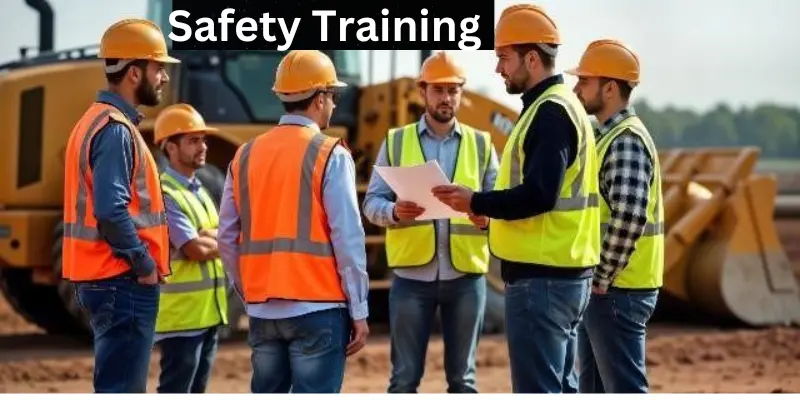
Safety training is the process of educating employees about workplace hazards, safe work practices, emergency procedures, and the proper use of safety equipment. Its purpose is to prevent accidents, injuries, and illnesses while creating a safer work environment.
2. Why is safety training important in the workplace?
Safety training helps employees recognize risks, follow safety procedures, and respond effectively during emergencies. It reduces workplace accidents, improves productivity, strengthens compliance with regulations, and promotes a positive safety culture.
3. How often should employees receive safety training?
Employees should receive safety training during onboarding and participate in regular refresher sessions. Additional training may be required when new equipment, processes, or hazards are introduced, or after workplace incidents occur.
4. What topics are commonly covered in safety training programs?
Common safety training topics include personal protective equipment (PPE), fire safety, hazard communication, electrical safety, fall protection, emergency response, machine safety, ergonomics, and workplace hazard recognition.
5. Who is responsible for providing safety training?
Employers are responsible for ensuring that employees receive appropriate safety training based on their job duties and workplace hazards. Supervisors, safety officers, and qualified trainers often deliver the training and monitor compliance.
6. How can companies measure the effectiveness of safety training?
Organizations can evaluate safety training through employee assessments, workplace observations, safety audits, incident reports, near-miss tracking, and feedback surveys. A reduction in accidents and improved compliance often indicate successful training outcomes.
Please Write Your Comments