Why Stucco Remains a Popular Exterior Finish in Modern Construction
Updated: 16-Mar-2026
1
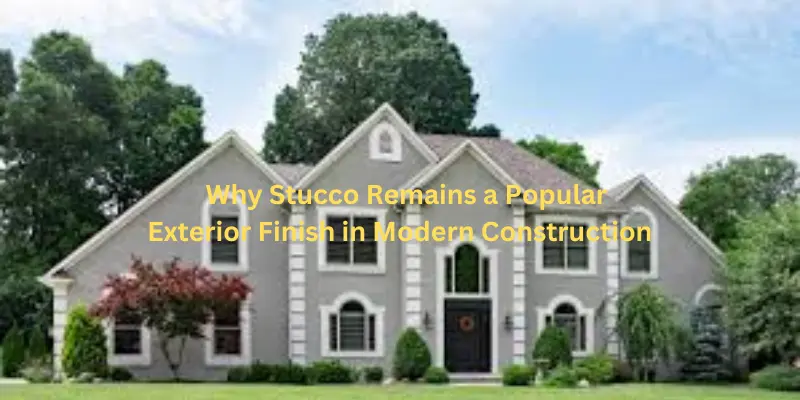
When it comes to exterior wall finishes, few materials have maintained their relevance for as long as stucco. Used for centuries across different regions and climates, stucco has proven itself to be both durable and versatile. Today, it continues to be a preferred choice for architects, builders, and homeowners who want an exterior finish that balances strength, aesthetics, and practicality.
Understanding how stucco works and why it remains widely used can offer insight into broader trends in construction materials and exterior design.
The History of Stucco in Architecture
Stucco has been used as a building material for thousands of years. Ancient civilizations such as the Greeks and Romans used lime-based stucco to coat masonry walls, creating smooth surfaces that could be painted or decorated. Over time, the material evolved with the introduction of cement and modern additives, which improved durability and weather resistance.
In many parts of the world, especially regions with varying climates, stucco became a practical solution for protecting buildings from environmental wear. Its ability to form a hard, continuous surface made it particularly useful for exterior walls exposed to sun, wind, and moisture.
What Makes Stucco Different from Other Exterior Finishes
Unlike siding materials that are installed in panels or boards, stucco is applied as a layered coating over a supporting structure. Typically, the system includes a base layer, reinforcement such as mesh or lath, and one or more finishing coats. Once cured, the material forms a solid shell that adheres tightly to the wall surface.
This method of application creates several advantages. Stucco can conform to different architectural shapes and textures, allowing builders to create smooth finishes, rough textures, or decorative patterns. It also forms a continuous surface with minimal seams, which helps reduce the risk of water intrusion compared to some panel-based systems.
Another key difference lies in how stucco interacts with temperature changes. Modern stucco systems are designed to accommodate expansion and contraction, which is important in areas where buildings experience seasonal weather fluctuations.
Durability and Longevity
One of the reasons stucco continues to be widely used is its longevity. When installed properly and maintained over time, stucco can last several decades without major replacement. The cement-based composition creates a tough outer layer that resists impacts, weather exposure, and general wear.
In many cases, stucco finishes outlast other exterior materials because they are less prone to issues like rot or insect damage. This durability makes stucco a common choice for both residential and commercial construction projects where long-term exterior protection is important.
Even when damage occurs, such as small cracks or surface wear, localized repairs are often possible without replacing the entire wall system. This ability to repair sections helps extend the lifespan of stucco exteriors.
Climate Performance and Insulation
Exterior materials must perform well in different weather conditions, especially in regions where temperatures fluctuate throughout the year. Stucco systems help protect buildings by creating a thick outer barrier that shields the structure from wind, moisture, and temperature changes.
In colder climates, exterior finishes must withstand repeated freeze-thaw cycles. Modern stucco systems are engineered with materials and installation techniques that help manage these stresses. When properly installed, stucco can resist cracking and maintain structural integrity despite changing weather conditions.
The material can also contribute to energy efficiency when used with insulated wall assemblies. By adding an extra layer to the exterior wall system, stucco helps improve thermal performance and reduce heat transfer through the building envelope.
Aesthetic Flexibility in Modern Architecture
Beyond its functional benefits, stucco offers a wide range of visual possibilities. Builders can apply different textures, pigments, and finishes to achieve a variety of architectural styles. Smooth contemporary finishes, traditional textured surfaces, and decorative detailing are all possible with stucco systems.
This flexibility allows stucco to complement both historic and modern architecture. In many neighborhoods, stucco homes coexist with brick, stone, and wood siding while maintaining a distinctive appearance.
Architects often choose stucco when they want a seamless exterior look that can unify multiple surfaces or emphasize architectural features such as curves, arches, or recessed walls.
Maintenance Considerations
Although stucco is durable, routine inspection and maintenance help ensure it performs well over time. Small cracks can develop due to structural movement or environmental changes, and addressing them early helps prevent moisture from entering the wall system.
Cleaning the exterior surface periodically can also maintain the material’s appearance. Because stucco is porous, dirt and dust may accumulate on the surface over time, but these can typically be removed with gentle washing.
For property owners planning renovation or exterior upgrades, consulting experienced professionals can help determine whether repairs, refinishing, or a full exterior update is necessary. Builders and property managers often work with specialists such as Stucco Contractors in Colorado Springs when evaluating exterior wall systems, especially when dealing with climate-specific construction requirements and modern stucco installation techniques.
The Role of Stucco in Sustainable Building
Sustainability has become a growing focus in modern construction, and stucco contributes to this trend in several ways. The material itself is composed of widely available ingredients such as cement, sand, lime, and water. Because stucco surfaces last for many years, the need for replacement materials is reduced compared to shorter-lived exterior finishes.
Additionally, stucco can be applied over many types of structural systems, including masonry, concrete, and framed construction. This adaptability allows it to be integrated into a wide range of building designs without requiring specialized structural changes.
Long-lasting exterior materials like stucco also help reduce maintenance cycles and renovation waste over time, which aligns with sustainable building practices focused on durability and lifecycle performance.
Why Builders Continue to Use Stucco
Despite the introduction of new exterior materials over the years, stucco remains a trusted choice in the construction industry. Its durability, versatility, and long history of successful use make it a practical option for a variety of building projects.
From residential homes to commercial properties, stucco offers a combination of protective performance and design flexibility that few other materials can match. As construction methods continue to evolve, stucco systems are also improving, incorporating new technologies and installation techniques that enhance both appearance and durability.
For architects, builders, and property owners alike, stucco represents a balance between tradition and modern construction practices—one reason it continues to play an important role in exterior building design.
Please Write Your Comments