Why Lift Safety Starts with the Right Components
Updated: 6-Jul-2026
91
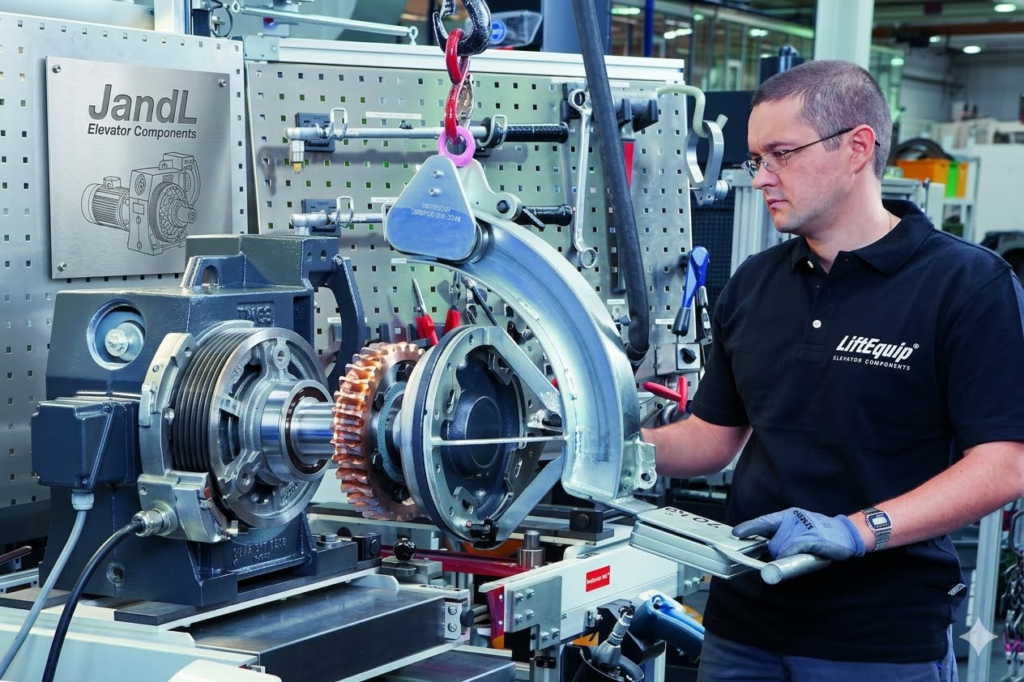
Lifts play a vital role in modern buildings. From apartment blocks and hotels to hospitals, offices, shopping centres and industrial sites, they help people move safely and efficiently between floors every day. Because lifts are used so often, it can be easy to take them for granted. However, behind every smooth journey is a complex system of components working together to keep passengers, engineers and building users safe.
When it comes to lift safety, regular maintenance and inspections are essential, but the quality and reliability of the components inside the system are just as important. A lift is only as dependable as the parts that keep it running. From door operators and guide shoes to control panels, buttons, rollers, relays and emergency systems, each component has a role to play in preventing faults, reducing downtime and protecting passengers.
For building owners, facilities managers and maintenance teams, understanding the importance of reliable lift parts is a key step towards creating safer buildings.
Safety Depends on Every Part Working Correctly
A lift is made up of many mechanical, electrical and safety-related components. If one part begins to wear, fail or operate inconsistently, it can affect the performance of the entire system. In some cases, a small issue may simply cause inconvenience, such as a lift stopping between floors or doors failing to close properly. In more serious cases, worn or poor-quality parts can create safety risks.
For example, lift doors are one of the most frequently used parts of any lift system. They open and close hundreds or even thousands of times a week, depending on the building. Door rollers, tracks, sensors, operators and safety edges all need to function properly to prevent trapping hazards and ensure the lift only moves when it is safe to do so.
Similarly, control components help manage the lift’s movement, stopping accuracy, response times and emergency features. If these parts are unreliable, the user experience can quickly become frustrating or unsafe. That is why sourcing dependable lift parts is so important for long-term safety and performance.
Preventing Breakdowns Before They Happen
Lift breakdowns are more than an inconvenience. In busy buildings, a lift out of service can cause disruption, accessibility problems and increased pressure on other lifts. In hospitals, care homes or high-rise buildings, a faulty lift can have a serious impact on daily operations.
Many breakdowns can be traced back to worn components that were not replaced in time. Parts such as buttons, switches, contacts, bearings, door shoes and belts naturally wear through use. If they are ignored, they can cause larger issues across the lift system.
A proactive maintenance approach helps prevent this. Instead of waiting for a fault to occur, engineers can identify parts that are showing signs of wear and replace them before they fail. This not only improves safety but can also reduce long-term repair costs. Replacing a worn component early is often far less expensive than dealing with a full breakdown or emergency call-out.
High-quality replacement parts also help engineers complete repairs quickly and confidently. When the correct components are available, lift downtime can be reduced, and the building can return to normal operation faster.
Passenger Confidence Matters
Safety is not only about meeting technical standards. It is also about giving passengers confidence. People expect lifts to feel secure, smooth and dependable. If a lift makes unusual noises, stops unevenly, has slow doors or buttons that do not respond properly, users may begin to question whether it is safe.
This is especially important in public buildings, hotels, residential developments and commercial properties where the lift experience reflects the overall quality of the building. A lift that operates smoothly gives users reassurance. A lift that feels unreliable can damage trust and create avoidable complaints.
Reliable components contribute directly to this experience. Smooth door movement, responsive controls, clear indicators and accurate floor levelling all help passengers feel safe. For elderly users, wheelchair users, parents with pushchairs and anyone with mobility challenges, lift reliability is particularly important.
Supporting Engineers with the Right Equipment
Lift engineers rely on access to the correct parts to carry out safe and effective repairs. Using unsuitable, poor-quality or incorrect components can make maintenance more difficult and may lead to repeat faults. In safety-critical systems, precision matters.
The right parts allow engineers to restore lift performance properly. Whether they are replacing a worn door component, updating a control part or repairing a damaged fixture, quality parts help ensure the work is completed to a professional standard.
This also supports compliance. Lift systems are subject to safety regulations, inspections and ongoing maintenance requirements. Building owners and maintenance companies have a responsibility to ensure lifts remain safe for use. Using suitable replacement components is an important part of meeting that responsibility.
Reducing Risk in High-Traffic Buildings
Some lifts work harder than others. In high-traffic locations such as offices, hospitals, transport hubs, warehouses and shopping centres, components are under constant pressure. The more often a lift is used, the faster certain parts may wear.
In these environments, safety planning should be even more proactive. Maintenance teams should pay close attention to parts that experience frequent movement or contact. Door systems, buttons, rollers, switches and control equipment should be monitored closely to avoid sudden failures.
Using durable components designed for regular use can help extend service life and reduce the risk of unexpected issues. This is particularly important where lift access is essential for business operations or public safety.
The Role of Modernisation
Not every lift safety improvement requires a completely new lift installation. In many cases, replacing outdated or worn components can improve reliability, appearance and usability. Lift modernisation can involve upgrading control systems, replacing buttons and indicators, improving door equipment or refreshing internal fixtures.
These upgrades can make a lift safer, more efficient and more user-friendly. Modern components may offer better performance, improved durability and enhanced compatibility with current safety expectations. For older buildings, modernisation can be a practical way to improve lift safety without the disruption of a full replacement.
Choosing Quality Over Short-Term Savings
When replacing lift components, it can be tempting to focus only on cost. However, the cheapest option is not always the safest or most cost-effective in the long run. Poor-quality parts may wear faster, fail sooner or create further maintenance problems.
Quality components offer better value because they support reliability, safety and reduced downtime. For building owners and facilities managers, this means fewer complaints, fewer emergency repairs and a better experience for everyone using the lift.
Safety equipment should always be chosen with care, and lift components are no exception. A lift is a daily-use system that people trust with their wellbeing. Every part should support that trust.
Conclusion
Lift safety is built on many small details working together. Regular inspections, skilled engineers and responsible maintenance all matter, but the quality of the components inside the lift is just as important.
From preventing breakdowns to improving passenger confidence, reliable lift components play a major role in keeping buildings safe and accessible. For any organisation responsible for lift maintenance, choosing the right parts is not simply a technical decision. It is a safety decision.
By investing in dependable components and replacing worn parts before they fail, building owners and maintenance teams can reduce risk, improve performance and help ensure every lift journey is as safe as it should be.
Please Write Your Comments