When Do Medical Bills Provide Prima Facie Proof They Were Reasonable After a Tennessee Workplace Injury?
Updated: 13-Oct-2026
13

September 25, 2026
Imagine a subcontractor drops a tool that hits your hard hat and leaves you with treatment bills. Your damaged personal protective equipment may help explain the impact; the invoices document the charges for your care.
Tennessee’s statutory evidence rules control how a court treats prima facie proof that medical bills were reasonable. Under Tennessee Code Annotated § 24-5-113, properly itemized bills attached to the complaint in a Tennessee third-party injury case may provide prima facie proof that medical bills were reasonable and necessary. The combined amount cannot exceed $25,000. Bills of any size, served at least 90 days before trial, can earn a rebuttable presumption of reasonableness. Neither route independently establishes causation.
When Do Medical Bills Count as Prima Facie Proof of Reasonableness?
The attach-and-file route kicks in once injury-related bills are itemized in the complaint, or civil warrant and copies ride along with the filing. Section 24-5-113(a) covers bills paid or incurred because of an injury.
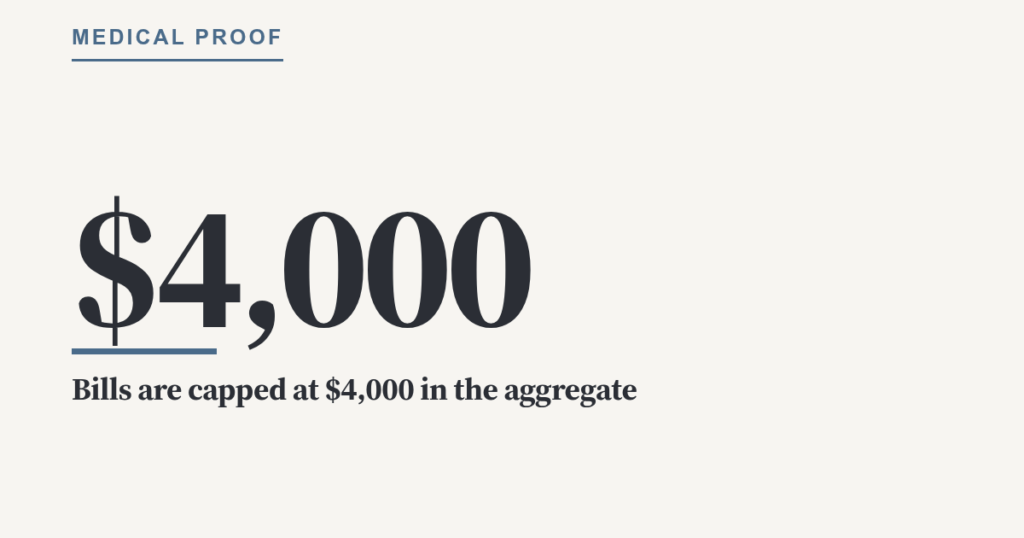
This amount applies under subsection (a) for necessity and reasonableness.
Prima facie evidence settles the point unless the other side successfully challenges it. Holding a stack of invoices is one thing; the statute requires itemizing them in the filing and attaching copies.
The law offers two routes. Subsection (a) reaches both necessity and reasonableness, capped at $25,000 in the aggregate. Subsection (b) reaches reasonableness with no dollar cap, in exchange for advance service on the other parties.
| Route | Required procedure | Amount covered | Evidentiary effect | What may remain disputed |
| Attach and file | Itemize bills and attach copies to the complaint or civil warrant | Combined amount of $25,000 or less | Prima facie evidence of necessity and reasonableness | Causation and properly raised challenges |
| Pretrial service | Serve an itemization or copies at least 90 days before trial | Any amount | Rebuttable presumption of reasonableness | Causation and medical necessity |
The cap applies to the combined bills under that procedure, not to each invoice on its own. Several small bills can add up to more than the cap. Keep one complete itemization; do not treat each provider’s invoice as its own claim.
What Changes When Medical Bills Are Served 90 Days Before Trial?
The Tennessee medical bills presumption of reasonableness may apply to medical bills served 90 days before trial and remains rebuttable. Timely service can create a rebuttable presumption that the charges are reasonable, including charges above the attach-and-file cap. Under subsection (b), the treatment applies when bills are served at least 90 days before trial in a personal injury action brought by an injured party against those alleged to have caused the injury.
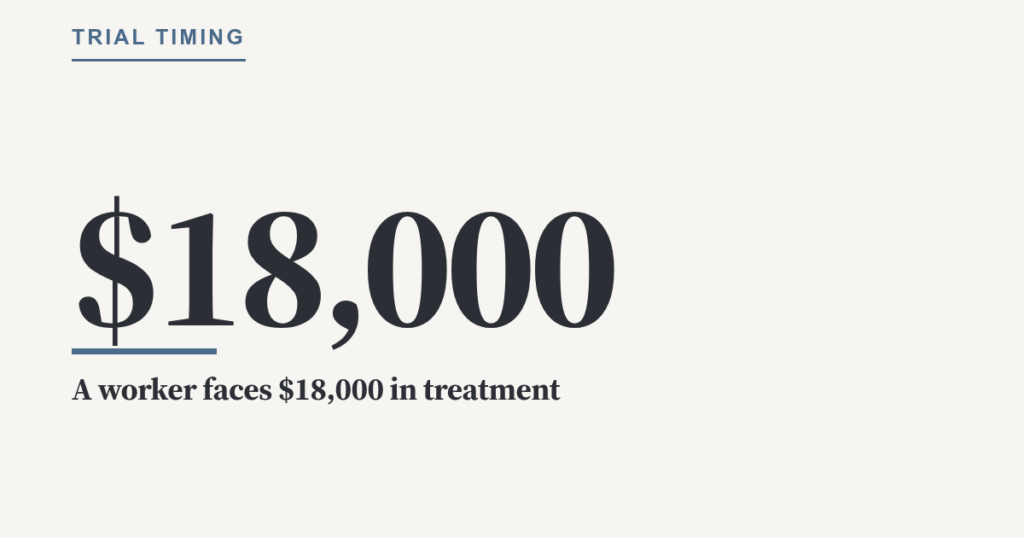
The example describes treatment after a third-party delivery vehicle strikes a worker at a jobsite.
A rebuttable presumption leaves the door open: the opposing party may introduce evidence against it. A party planning to dispute reasonableness must serve a statement at least 45 days before trial naming the disputed bills. That procedure touches the charges. It does not resolve every possible dispute about the injury.
Consider a worker facing $18,000 in treatment after a third-party delivery vehicle strikes them at a jobsite. Proper pretrial service can put those charges’ reasonableness to rest. Medical evidence must still tie the claimed treatment to that collision.
Later treatment generates new invoices. Send them to your attorney promptly so they can supplement the billing materials through the applicable procedure, if the rules permit. Papers served months ago will not cover charges that did not exist then.
Does Prima Facie Proof of Medical Bills Show Causation or Medical Necessity?
No. A presumption about a bill’s reasonableness does not, by itself, prove the workplace incident caused the condition being treated.
This also raises a related question: do medical bills prove medical necessity in Tennessee? Not by themselves under subsection (b).
Reasonableness addresses the amount charged. Necessity asks whether the care was needed, and causation links the allegedly responsible party’s conduct to the injury that required treatment.
Subsection (b) provides a rebuttable presumption of reasonableness, not a presumption of medical necessity or causation. Subsection (a), by contrast, can provide prima facie evidence of necessity and reasonableness when its conditions are satisfied. Neither provision independently establishes the causal connection.
Separate invoices for an emergency department visit and diagnostic imaging identify charges for particular services, but they do not explain why every service was medically needed after the incident.
A bill is not a diagnosis. Disputed medical issues may call for treatment records and testimony from a treating clinician or another qualified witness. A record showing when symptoms began speaks to causation; an imaging charge does not.
What Evidence Should You Preserve After a Workplace Injury?
Keep both physical evidence and care records. They serve separate purposes. A cracked helmet or defective equipment guard may document how the incident occurred; a medical invoice records charges.
Workplace safety records hold details that get hard to reconstruct later. An incident report may list witnesses and equipment numbers. Surveillance footage can be overwritten, and construction gear gets moved or replaced.
- Keep damaged personal protective equipment in its post-incident condition, subject to lawful custody arrangements.
- Photograph the equipment, its identifying labels, and the surrounding scene.
- Retain itemized medical bills, treatment records, and payment statements together.
- Request the incident report and preserve available witness contact information.
- Track later appointments and obtain each new provider’s bill.
Do not repair, clean, discard, or otherwise alter protective equipment that may be evidence. Custody may sit with your employer or an investigator, so document who holds the item and request that its condition be preserved.
Keep copies of footage requests and inspection records. Log each equipment transfer, including the recipient’s name and transfer date.
How Do Third-Party Injury Claims Differ From Tennessee Workers’ Compensation?
The medical-bill provisions here govern personal injury litigation against an allegedly responsible party. They are not the proof rules of a workers’ compensation proceeding. Subsections (a)(3) and (b) frame their application around personal injury actions against those responsible for the injury.
A workers’ compensation matter generally concerns benefits tied to an employment-related injury. A separate third-party case may concern an outside driver or equipment manufacturer whose conduct allegedly caused harm. The involvement of an outside company does not by itself make the claim succeed.
The same event can produce separate proceedings with separate procedural requirements. In a Tennessee personal injury case, medical bills must satisfy the evidentiary rules of that action. Tennessee Code Annotated § 24-5-113 provides presumptions for bills attached to the complaint or civil warrant, or for itemizations or copies served on the other parties at least 90 days before trial.
Keep the incident file and the billing file apart. Give your attorney information on both proceedings; do not assume a document submitted in one traveled to the other.
Common Questions About Missing Bills and Continuing Care
Can you add missing medical bills later?
Possibly, if the applicable deadlines and court rules still permit submission. A missing bill does not earn a presumption merely because another document mentions related treatment. Section 24-5-113 requires the billing material itself and compliance with the attachment or service procedure. Under Tennessee law, missing or supplemental bills must be served at least 90 days before trial under subsection (b) to receive the statutory presumption of reasonableness.
Is an incident report enough to prove the medical charges?
No. An incident report may document the occurrence and the initial account, but it is not the billing documentation described in § 24-5-113. It ordinarily does not establish a clinic’s reasonable charge or explain why the event led to particular treatment. Keep the report with your medical documents, not in place of them.
Does damaged personal protective equipment prove who caused the injury?
Not by itself. Physical damage may support an account of impact or equipment failure, but it does not fully explain responsibility. Photographs and maintenance records may show the equipment’s condition beforehand, and witness accounts may explain how the damage occurred.
Protect the Evidence Before Deadlines Control the Case
This article offers general legal information, not legal advice. Preserve workplace evidence, collect complete bills and treatment records, and note any outside person or company tied to the incident. Filing and service deadlines run on their own clocks, so Tennessee-specific advice early in the case matters. Give your attorney the incident history and all medical paperwork, including bills for ongoing treatment. Keep original equipment secure under the applicable custody arrangement, and organize each provider’s bills by treatment date.
Please Write Your Comments