What the 2021 IECC Means for Builders—and How to Turn Compliance into a Competitive Advantage
Updated: 14-Feb-2026
101
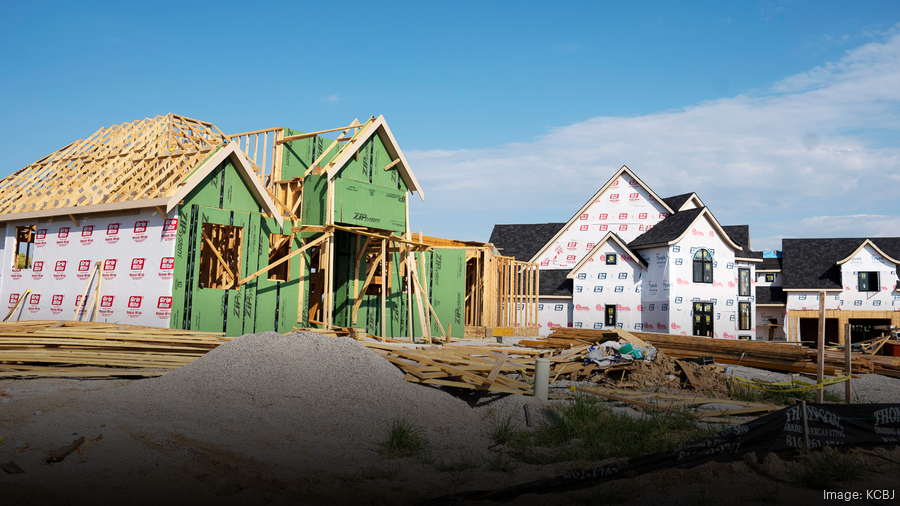
Energy codes aren’t just another box to check—they shape how homes are designed, built, tested, and sold. The 2021 International Energy Conservation Code (IECC) represents one of the most significant updates in recent years, raising performance expectations for residential construction across many jurisdictions.
For builders, that can feel like added complexity. But with the right approach, the 2021 IECC isn’t just about compliance—it’s an opportunity to improve quality, reduce callbacks, and differentiate in a competitive housing market.
Understanding the 2021 IECC: A Shift Toward Measurable Performance
The 2021 IECC emphasizes verifiable performance over prescriptive shortcuts. While prescriptive paths still exist, there is greater attention to:
- Blower door testing and air sealing
- Duct leakage testing
- Higher insulation standards in certain climate zones
- Improved fenestration (window and door) performance
- Enhanced lighting and mechanical efficiency requirements
In practical terms, this means homes must not only be built to spec but also tested to confirm they meet energy performance benchmarks. For many builders, especially those operating in multiple climate zones, the updated code requires a more coordinated strategy between designers, framers, HVAC contractors, and energy raters.
The result? Greater accountability—and better-performing homes.
Why Builders Should Care Beyond Compliance
It’s tempting to treat energy codes as a regulatory hurdle. However, the 2021 IECC offers tangible benefits when implemented strategically.
1. Reduced Warranty and Comfort Complaints
Homes that pass stringent blower door and duct leakage testing tend to have fewer hot and cold spots, less moisture intrusion, and more stable indoor temperatures. This reduces post-closing service calls and improves customer satisfaction.
2. Improved Appraisal and Market Positioning
Energy efficiency increasingly factors into buyer decisions. While you should avoid making exaggerated claims, highlighting verified performance testing and code compliance can help position homes as higher quality and more future-ready.
3. Better Trade Coordination
Meeting stricter performance metrics requires tighter collaboration between trades. When air barriers, insulation, and HVAC systems are aligned from the design phase, construction runs more smoothly and predictably.
Key Areas Builders Must Address
While specific requirements vary by climate zone and local adoption, several areas consistently demand attention under the 2021 IECC.
Air Sealing and Blower Door Testing
Blower door testing is mandatory in most jurisdictions adopting the 2021 IECC. The code sets maximum air changes per hour (ACH) at 50 Pascals, depending on climate zone.
This shifts air sealing from a “best practice” to a measurable requirement. Builders should:
- Conduct pre-drywall air sealing inspections
- Train crews on sealing top plates, rim joists, and penetrations
- Coordinate closely with insulation contractors
- Consider mid-construction blower door tests to catch issues early
Duct Sealing and Mechanical Efficiency
Duct leakage testing is also required in many scenarios. Poorly sealed ducts can dramatically reduce system efficiency, even in well-insulated homes.
Builders should confirm:
- Ducts are sealed with mastic or approved materials
- Mechanical systems meet updated efficiency standards
- HVAC sizing aligns with Manual J calculations
Insulation and Thermal Envelope Upgrades
The 2021 IECC may increase insulation R-values in certain assemblies. It also emphasizes continuous insulation and proper installation quality.
Insulation must not only meet R-value targets but also be installed without gaps, compression, or misalignment with the air barrier.
Prescriptive vs. Performance Paths: Choosing the Right Strategy
Builders typically have two main compliance pathways:
- Prescriptive Path – Follow detailed component requirements exactly.
- Performance Path – Demonstrate the home meets overall energy targets through modeling.
For production builders, the performance path can offer flexibility. For example, you may offset higher window U-values with improved air sealing or upgraded HVAC efficiency.
Working with an experienced energy consultant can help determine which path offers the most cost-effective route for your specific floor plans and climate zone. For builders looking for a detailed breakdown of these options and how they apply in real-world construction scenarios, Central Energy Audits’ 2021 IECC guide for builders provides a clear overview of code pathways and implementation considerations:Central Energy Audits’ 2021 IECC guide for builders.
Practical Steps to Prepare Your Team
Transitioning to stricter code standards doesn’t have to disrupt your workflow. A proactive approach can make compliance feel routine rather than reactive.
Step 1: Review Plans Before Permitting
Ensure architectural and mechanical plans reflect current IECC requirements. Small specification changes at the design phase are far less costly than field corrections.
Step 2: Conduct Trade Training
Even experienced crews may not fully understand how air barrier continuity or duct sealing affects test results. Short training sessions can prevent failed inspections and retesting fees.
Step 3: Schedule Testing Strategically
Blower door and duct tests should be scheduled at the optimal time—not rushed at the end of construction. Some builders conduct preliminary testing before drywall to identify leaks early.
Step 4: Document Everything
Keep detailed records of insulation inspections, air sealing details, and HVAC commissioning. Documentation can streamline inspections and protect against disputes.
Avoiding Common Mistakes
Builders adapting to the 2021 IECC often encounter similar pitfalls:
- Waiting until final inspection to think about air sealing
- Overlooking small penetrations in framing
- Assuming HVAC subcontractors are handling duct sealing properly
- Failing blower door tests due to attic bypasses or recessed lighting leaks
- Misunderstanding climate zone–specific requirements
These issues are rarely about lack of skill—they’re usually about coordination. Establishing a clear internal checklist for every build can dramatically reduce failures.
Turning Code Compliance into a Selling Point
While the IECC is a regulatory framework, it can also serve as a differentiator.
Homebuyers increasingly value energy-efficient construction, even if they don’t know the technical details. Without making performance guarantees or financial promises, builders can highlight:
- Verified blower door testing
- Reduced air leakage
- Improved indoor comfort
- Modern mechanical systems
- Compliance with the latest energy standards
Framing compliance as part of a quality-driven building philosophy enhances brand perception.
Looking Ahead: The Future of Residential Energy Codes
Energy codes tend to move in one direction—toward higher performance and lower energy consumption. Builders who adapt early develop internal systems that make future updates easier to implement.
The 2021 IECC is not just a code cycle; it represents a broader shift toward measurable performance, tighter envelopes, and more efficient mechanical systems. Builders who integrate energy considerations into design, trade coordination, and quality control processes will find compliance increasingly streamlined.
Conclusion
The 2021 IECC raises the bar for residential construction, but it also provides a roadmap for building higher-quality, better-performing homes. By focusing on air sealing, duct performance, insulation quality, and strategic compliance pathways, builders can move beyond basic code adherence and create long-term value.
Rather than viewing these updates as burdensome regulations, forward-thinking builders see them as tools for improving craftsmanship, reducing callbacks, and strengthening their reputation in the market. With proper planning and informed guidance, compliance becomes less about passing inspections—and more about building smarter from the ground up.
Please Write Your Comments