The Long Road to Relief: Why Patients Travel for Advanced Jaw and TMJ Care
Updated: 19-Feb-2026
60
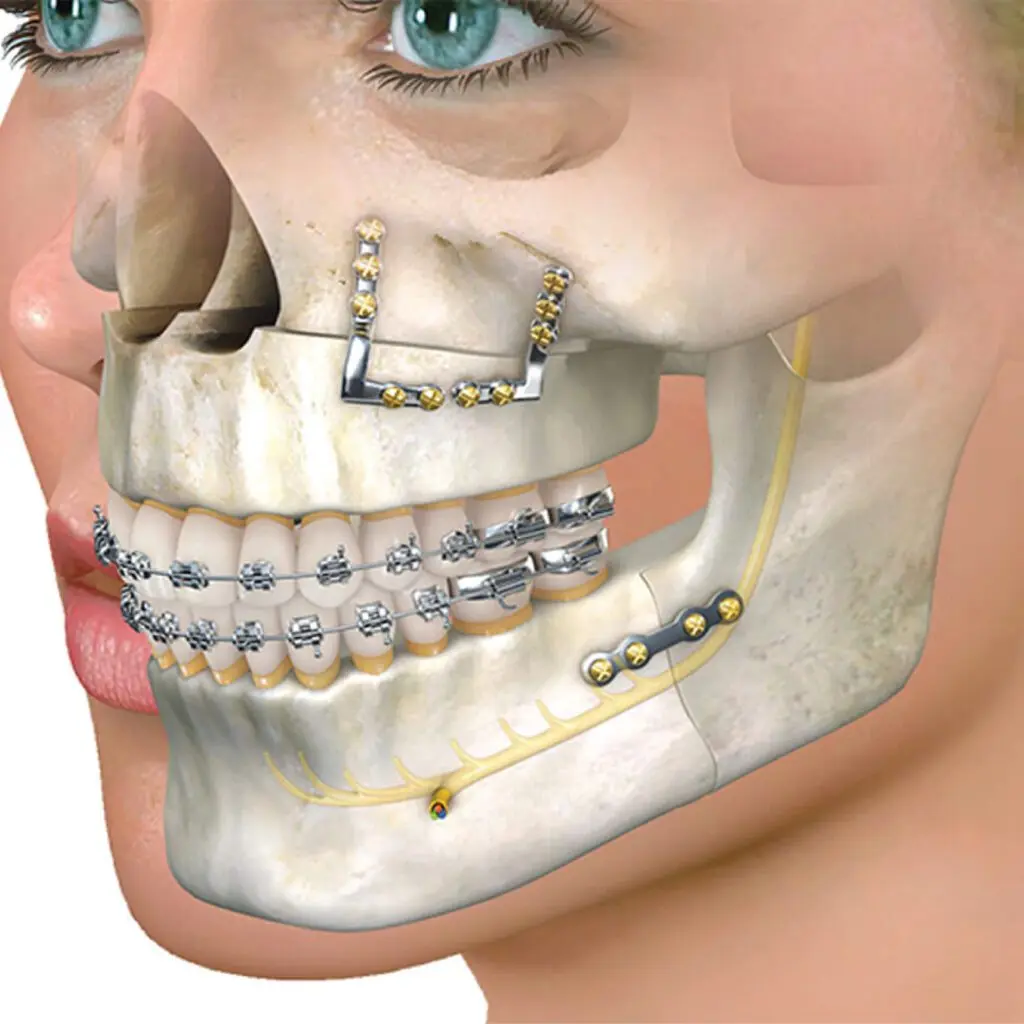
Some medical problems can be treated quickly and locally. Others are more complicated—conditions that don’t fit neatly into one specialty, don’t respond well to standard approaches, and often require years of trial-and-error before a clear diagnosis emerges.
Chronic jaw disorders and advanced TMJ conditions frequently fall into the second category.
For many patients, the most frustrating part is not just pain. It is the sense that their symptoms are being treated in fragments. One provider focuses on the teeth. Another focuses on muscles. Another focuses on sleep. Another focuses on imaging. Meanwhile, the patient is left trying to connect the dots.
This is one reason why certain patients choose to travel for care when their case becomes complex.
Why Jaw and TMJ Problems Are So Often Misdiagnosed
Jaw disorders can imitate other conditions. Symptoms may resemble:
- Sinus pressure
- Ear infections
- Migraines
- Neuralgia
- Neck and shoulder strain
- Dental sensitivity
- Sleep-related breathing issues
A patient might spend years moving between dentists, ENTs, neurologists, and general practitioners without receiving a unified explanation.
This happens because jaw function sits at the intersection of multiple systems: skeletal structure, joint mechanics, muscle coordination, and airway dynamics.
A narrow evaluation can miss the underlying structural cause.
The Unique Challenge of TMJ Degeneration
Some TMJ issues are temporary and muscular. Others are structural and progressive.
Structural TMJ degeneration may involve:
- Disc breakdown
- Arthritic joint changes
- Loss of condylar bone height
- Joint collapse altering jaw position
- Facial asymmetry developing over time
As the joint changes shape, the bite can change as well. Many patients report that their teeth no longer fit together the way they used to. Others notice their face appears to be shifting, shortening, or becoming more uneven.
These changes are not cosmetic concerns. They are signs that the structural foundation of the jaw system may be deteriorating.
When the First Treatment Plan Doesn’t Work
A large number of complex patients share a similar history: they have already tried multiple treatments.
This may include:
- Bite splints
- Physical therapy
- Orthodontics
- Medication
- Injections
- Previous jaw surgery
Some people improve with these methods. Others do not—especially when the underlying issue is skeletal instability or progressive joint failure.
In cases where symptoms persist or worsen, the question becomes less about “What should I try next?” and more about “Was the correct diagnosis ever made in the first place?”
Revision Surgery: A Different Category of Expertise
Revision jaw surgery is not simply repeating a previous procedure. It is often more complex than the first operation.
Revision cases may involve:
- Scar tissue
- Hardware removal
- Changes in anatomy from previous repositioning
- Joint degeneration that progressed after the first surgery
- Bite relapse caused by TMJ resorption
Patients seeking revision care often feel discouraged. They may be hesitant to trust another treatment plan after having already invested time, money, and emotional energy into prior care.
This is why revision surgery is generally handled by specialists who focus on high-complexity cases.
Total TMJ Replacement: When the Joint Itself Has Failed
In some cases, the TMJ becomes so damaged that it cannot function normally. This may happen due to:
- Severe arthritis
- Inflammatory joint disease
- End-stage degeneration
- Joint collapse after multiple procedures
- Ankylosis (fusion of the joint)
Total TMJ replacement is a structural solution designed for advanced joint failure. It replaces the diseased joint components with prosthetic materials to restore stability and movement.
It is not a first-line option. It is typically reserved for patients whose joint anatomy has reached a point where conservative approaches are no longer capable of restoring function.
The Travel Factor: Why Location Becomes Secondary
When a condition affects eating, speaking, sleep, and daily comfort, patients often prioritize expertise over convenience.
People travel for complex jaw and TMJ care for several reasons:
- They want a surgeon who handles high volumes of revision cases
- They need a comprehensive approach that considers joints and skeletal balance together
- They are looking for clarity after years of conflicting opinions
- They require advanced procedures that are not widely performed
In these situations, travel becomes part of the process—similar to how patients travel for rare orthopedic reconstruction or specialized cancer treatment.
The Value of a Single, Unified Diagnosis
Perhaps the most important benefit of specialized evaluation is not the procedure itself, but the diagnosis.
A unified diagnostic approach can answer questions like:
- Is the problem muscular or structural?
- Are the TMJs healthy enough to support jaw correction?
- Is the bite issue dental or skeletal?
- Is the airway contributing to the patient’s symptoms?
- Why did prior treatment fail?
For many patients, this clarity is the first meaningful step toward relief—even before treatment begins.
Closing Thoughts
Complex jaw disorders are rarely solved through quick fixes. They require careful evaluation, advanced planning, and experience with difficult cases, especially when prior treatment has not been successful.
For patients facing TMJ degeneration, relapse after jaw surgery, or persistent functional instability, the decision to seek specialized care is often driven by a simple goal: finding an answer that finally makes sense.
In advanced cases, consulting a Maxillofacial Surgeon can provide the kind of comprehensive evaluation that helps patients move from uncertainty to a realistic plan—based on structure, function, and long-term stability.
Please Write Your Comments