The Evolution of Rapid Fortification: From Rocks to Modern Mesh
Updated: 2-Apr-2026
7
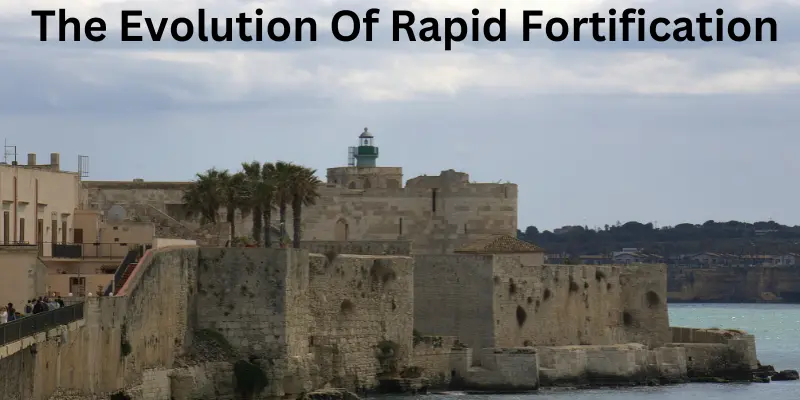
In the world of civil engineering and disaster response, the ability to build a protective wall in hours rather than weeks is a game-changer. For centuries, the standard for this was the gabion—a simple wire cage filled with heavy stones used to prevent erosion or fortify positions. While effective, the traditional version was often slow to assemble and required specific, bulky materials.
The landscape shifted significantly with the introduction of the hesco barrier. By lining a collapsible wire frame with a high-strength geotextile, engineers created a system that could be filled with almost any local material, from sand to common earth. This innovation turned a labor-intensive process into a streamlined operation, allowing a small crew with a front-end loader to deploy hundreds of feet of protection in a single afternoon.
Today, these units are essential for everything from flood mitigation to perimeter security in high-risk zones. However, the integrity of such a structure depends entirely on the quality of its components. The gauge of the steel and the durability of the fabric liner are critical factors that determine whether a wall holds or fails under pressure.
For project managers and government agencies, sourcing these materials from a certified hesco barrier manufacturer is the only way to ensure the product meets the rigorous safety standards required for life-saving infrastructure. In an era of unpredictable weather and shifting security needs, having a reliable “wall in a box” remains one of our most effective tools for resilience.
Please Write Your Comments