Stroke Center: Why Rapid Treatment Can Save Lives and Improve Recovery
Updated: 28-Jun-2026
55
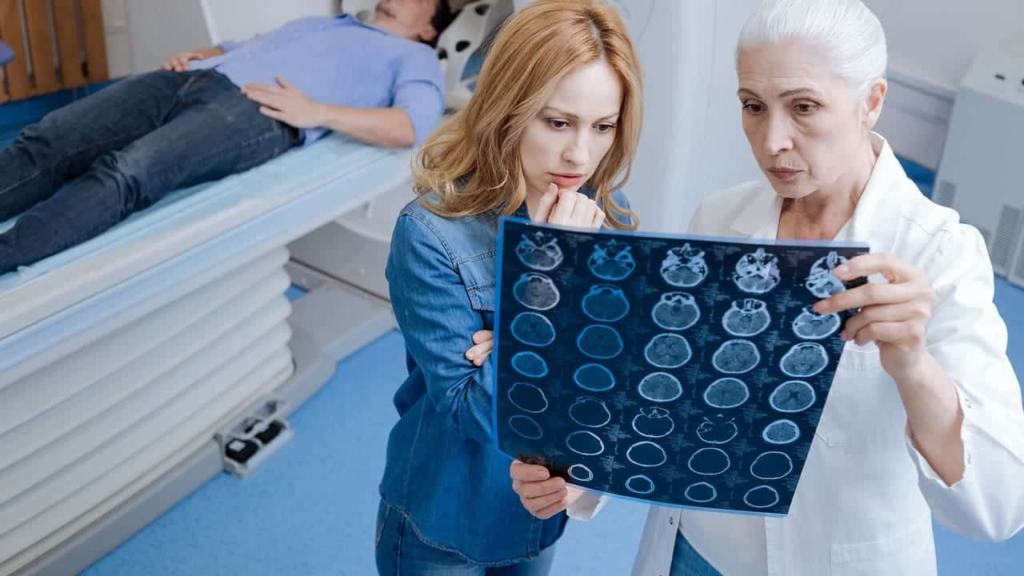
A stroke is one of the most serious medical emergencies a person can experience. It occurs when blood flow to part of the brain is interrupted, depriving brain cells of the oxygen and nutrients they need to function. Every minute counts because brain cells begin to die within minutes after blood supply is disrupted. Early recognition, immediate medical attention, and access to specialized care can significantly improve the chances of recovery.
Fortunately, advances in modern medicine have transformed how strokes are diagnosed and treated. Specialized stroke centers now provide rapid assessment, advanced imaging, and coordinated care designed to reduce long-term disability and improve patient outcomes.
Understanding What a Stroke Is
There are two primary types of stroke.
Ischemic Stroke
This is the most common type and occurs when a blood clot blocks an artery supplying the brain. Prompt treatment aims to restore blood flow as quickly as possible.
Hemorrhagic Stroke
A hemorrhagic stroke happens when a blood vessel ruptures and causes bleeding within or around the brain. Treatment focuses on controlling the bleeding, reducing pressure, and preventing further damage.
Because both conditions require different treatments, rapid diagnosis is essential.
Recognizing Stroke Symptoms
One of the easiest ways to recognize a possible stroke is by remembering the FAST method:
- F – Face: One side of the face droops.
- A – Arms: One arm feels weak or numb.
- S – Speech: Speech becomes slurred or difficult.
- T – Time: Call emergency medical services immediately.
Other warning signs may include:
- Sudden vision problems
- Severe headache
- Loss of balance
- Confusion
- Difficulty walking
- Numbness on one side of the body
Even if symptoms disappear quickly, immediate medical evaluation is important because a transient ischemic attack (TIA), often called a mini-stroke, can be a warning sign of a future stroke.
Why Specialized Stroke Centers Matter
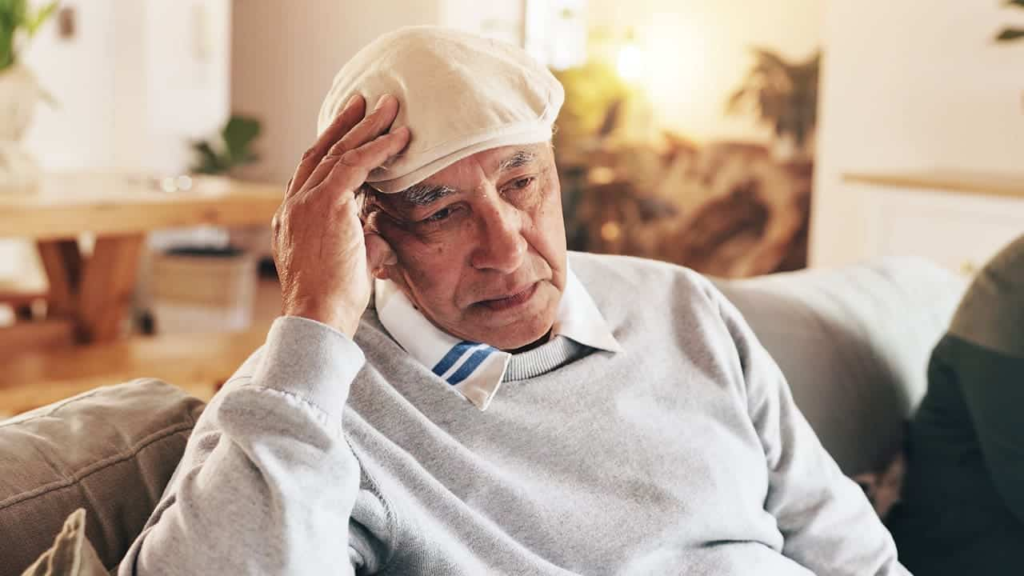
Treating a stroke requires speed, expertise, and access to advanced medical technology.
Unlike general emergency departments, a Stroke Center is specifically organized to evaluate and treat stroke patients as quickly as possible. Specialized teams work together to diagnose the type of stroke, begin appropriate treatment, and monitor recovery through every stage of care.
These centers often provide:
- 24/7 emergency stroke response
- Advanced CT and MRI imaging
- Neurologists and neurosurgeons
- Intensive monitoring
- Rehabilitation planning
- Multidisciplinary patient care
This coordinated approach helps reduce treatment delays while improving long-term outcomes.
Advanced Treatment Options
Medical advances have greatly improved stroke treatment over the past decade.
Depending on the type and timing of the stroke, treatment may include:
Clot-Dissolving Medication
For eligible ischemic stroke patients, medications may restore blood flow when administered within an appropriate treatment window.
Mechanical Thrombectomy
Certain patients with large vessel blockages may benefit from minimally invasive procedures that physically remove blood clots from the brain. These procedures have dramatically improved outcomes for many severe ischemic strokes.
Specialized Monitoring
Patients receive continuous observation to manage blood pressure, oxygen levels, neurological status, and potential complications throughout recovery.
Prevention Is Just as Important
Although emergency treatment saves lives, preventing stroke remains the most effective strategy.
Major risk factors include:
- High blood pressure
- Diabetes
- High cholesterol
- Smoking
- Obesity
- Physical inactivity
- Heart rhythm disorders such as atrial fibrillation
Healthy lifestyle choices, regular medical checkups, and managing chronic conditions can significantly reduce stroke risk. Experts estimate that many strokes are preventable through appropriate risk-factor management.
Choosing Quality Stroke Care
When selecting a healthcare provider, patients and families should look for hospitals with dedicated neurological expertise and comprehensive emergency services.
Healthcare organizations such as Liv Hospital offer specialized neurological services focused on rapid diagnosis, modern treatment techniques, and multidisciplinary patient care. Patients seeking more information about available medical specialties and healthcare services can visit the hospital’s main website.
For those interested in learning more about comprehensive Stroke Center services, available treatment options, and specialized neurological care, additional information can be found through the dedicated Stroke Center resource.
Supporting Recovery After a Stroke
Recovery continues long after emergency treatment.
Many patients benefit from:
- Physical therapy
- Speech therapy
- Occupational therapy
- Nutritional guidance
- Lifestyle modification
- Regular neurological follow-up
A personalized rehabilitation plan helps patients regain independence while reducing the likelihood of future complications.
Family support also plays an important role throughout the recovery process.
Looking Ahead
Stroke care continues to evolve through advances in medical imaging, minimally invasive procedures, artificial intelligence, and rehabilitation technologies. These innovations are helping healthcare teams diagnose strokes faster and deliver more personalized treatment than ever before.
As awareness grows, more people are recognizing the importance of seeking immediate medical attention when symptoms appear. Faster treatment not only saves lives but also increases the likelihood of a meaningful recovery.
Conclusion
A stroke is a medical emergency where every minute matters. Recognizing symptoms early and receiving treatment at a specialized Stroke Center can dramatically improve outcomes by reducing brain damage and increasing the chances of recovery.
Modern stroke centers combine advanced technology, experienced specialists, and coordinated care to deliver timely treatment when it matters most. Along with prevention, education, and ongoing rehabilitation, specialized stroke care continues to improve the quality of life for patients around the world.
Please Write Your Comments