Mold Remediation PPE: 10 Safety Equipment Items for Safer Mold Cleanup
Updated: 26-Jun-2026
215
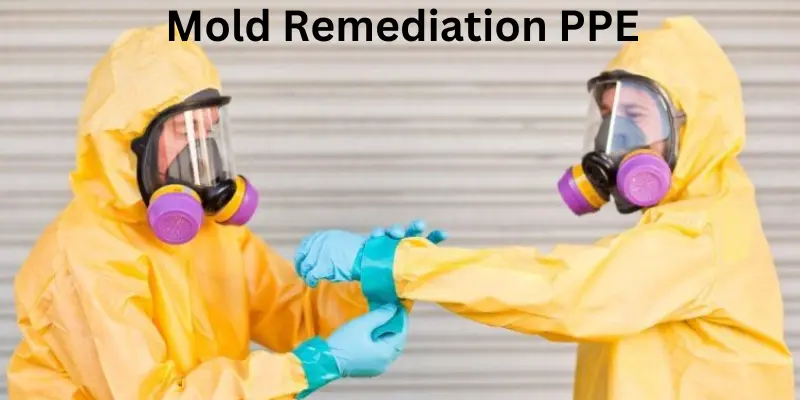
Mold cleanup looks simple from the outside. A stained wall. A musty basement corner. A patch behind a cabinet. It is easy to treat it like a normal cleaning job.
That is where people get into trouble.
The risk usually starts when moldy material is disturbed. Scrubbing, cutting drywall, pulling carpet, peeling wallpaper, moving boxes, or running a fan can send dust and mold spores into the air. PPE is not decoration in that situation. It protects your lungs, eyes, skin, clothes, and the clean parts of the building.
For a very small patch, the equipment list may be basic. For a wet basement, attic sheathing, wall cavity, or any area with heavy growth, the job needs stronger protection and better containment.
Why Mold Cleanup Needs PPE
Mold work has three basic safety rules.
Do not touch mold with bare hands.
Do not get mold or spores in your eyes.
Do not breathe mold or spores.
That does not mean every mold job is safe for DIY cleanup. It means anyone who disturbs mold needs to think about exposure before starting.
Mold can affect people differently. Some people get mild irritation. Others deal with coughing, wheezing, eye irritation, skin reactions, or asthma symptoms. People with mold allergies, chronic lung issues, or weaker immune systems need to be more careful.
Here is the safety equipment worth knowing before mold cleanup begins.
1. NIOSH-Approved N95 Respirator
A paper dust mask is not enough for mold work. Use a NIOSH-approved N95 respirator at minimum when disturbing mold.
An N95 respirator covers the nose and mouth and filters fine airborne particles. It is usually enough for small, limited cleanup areas when the work does not involve long exposure or heavy demolition.
Fit matters. Facial hair, loose straps, or the wrong size can let contaminated air leak around the mask. If the respirator does not seal to your face, it is not doing the job you think it is doing.
2. Half-Face or Full-Face Respirator
An N95 may be enough for short, small-area cleanup. Longer work is different.
If the job involves ripping out moldy drywall, removing wet insulation, pulling carpet, or working for several hours, a reusable half-face or full-face respirator may be the better choice.
A half-face respirator still needs separate eye protection. A full-face respirator protects both breathing and eyes, but it has to fit properly. For heavy work, this is usually where professional equipment and training become important.
3. Properly Fitted Goggles
Mold cleanup is not the place for open safety glasses.
Use goggles that seal well enough to keep dust and small particles out. Safety glasses with open sides are better than nothing for some jobs, but they are not the right choice when moldy material is being scraped, cut, removed, or bagged.
This matters during overhead work too. Attics, ceiling cavities, and basement joists can drop dust straight into your face.
4. Gloves That Match the Cleaning Method
Gloves protect against mold contact and against the cleaner being used.
For mold cleanup, long gloves are better than short disposable gloves. They should reach past the wrist and ideally toward the middle of the forearm. If you are using stronger cleaners, choose glove material that can handle the chemical.
Thin disposable gloves are easy to tear. They are also a poor choice for wet drywall, sharp debris, rough wood, or contaminated insulation.
5. Disposable Coveralls
Clothing can carry mold dust out of the work area.
Disposable coveralls help keep contamination off your clothes and skin. They are especially useful when working in basements, crawl spaces, attics, or rooms where moldy material is being removed instead of lightly cleaned.
The point is not to look professional. The point is to avoid walking mold dust into clean rooms, furniture, cars, and laundry.
6. Boots or Boot Covers
Feet track debris farther than people think.
Rubber boots are useful because they can be cleaned. Disposable boot covers are useful when you need to move near clean areas without carrying dust with you.
For bigger jobs, boot protection should be part of the containment plan. Mold cleanup is not only about what happens where the growth is visible. It is also about what leaves that space on shoes, clothing, tools, and trash bags.
7. Head Covering
Hair collects dust during overhead work. That matters in attics, crawl spaces, ceiling cavities, and basements with exposed joists.
A disposable hood or head covering can reduce exposure and keep dust from leaving the work area with you. It is a small item, but it makes sense when the work involves demolition, insulation, ceiling areas, or tight spaces.
Once a job needs full body protection, sealed containment, and careful removal steps, most homeowners should stop and bring in trained help.
8. HEPA Vacuum
A standard shop vacuum can make a mold problem worse by blowing fine particles back into the air.
A HEPA vacuum is different. It is designed to trap fine particles during cleanup. It can be used after contaminated materials are removed and the area is ready for detailed cleaning.
The filter itself should be treated as contaminated. Changing or cleaning vacuum filters without PPE can undo a lot of careful work.
9. Plastic Sheeting, Tape, and Containment
PPE protects the person doing the work. Containment protects everyone else.
Plastic sheeting and tape help keep dust inside the work area. For smaller jobs, this may mean sealing off a doorway and nearby vents. For larger jobs, containment may need negative air pressure, sealed entry points, and controlled removal of contaminated material.
This is where many DIY cleanups fail. Someone removes the visible mold, but the dust spreads into nearby rooms. The cleanup looks finished, yet the building is now more contaminated than before.
10. Moisture Meter and Humidity Gauge
Mold cleanup fails when the water problem stays.
A moisture meter helps check whether drywall, wood, carpet, or concrete is still holding water. A humidity gauge helps track indoor moisture. Both tools matter because mold is usually a moisture problem before it is a cleaning problem.
In Minnesota homes, basements, attics, roof leaks, ice dams, sump issues, poor ventilation, and foundation moisture can all feed mold if they are not corrected.
PPE helps during cleanup. It does not fix the leak.
When DIY Mold Cleanup Is Not Enough
Small, surface-level mold on a hard material may be manageable with the right PPE, careful cleaning, and moisture control. Larger jobs are different.
Call a professional when mold covers a large area, returns after cleaning, appears inside wall cavities, follows flooding or sewage backup, affects HVAC areas, or involves anyone in the building with asthma, allergies, chronic lung disease, or a weakened immune system.
For bigger projects in the Twin Cities, a local team like Mold Remediation Minneapolis can inspect the source, set containment, remove contaminated materials, use HEPA air scrubbing, and confirm the area is ready before repairs begin.
Final Safety Checklist Before Mold Cleanup
Before touching mold, ask five questions.
Do you know where the moisture came from?
Can the area be dried completely?
Do you have the right respirator, gloves, goggles, and protective clothing?
Can you keep dust from spreading into clean rooms?
Do you know when to stop and call a professional?
If any answer is uncertain, slow down.
Mold cleanup is not only about removing what you can see. It is about controlling exposure, removing damaged material safely, keeping spores from spreading, and fixing the water problem that allowed mold to grow in the first place.
Good PPE does not make a bad cleanup plan safe. It only works when the work itself is planned, contained, and finished properly.
Please Write Your Comments