Metal Roofing Safety: How Better Materials, Proper PPE, and Good Installation Practices Reduce Jobsite Risk
Updated: 8-Jul-2026
99
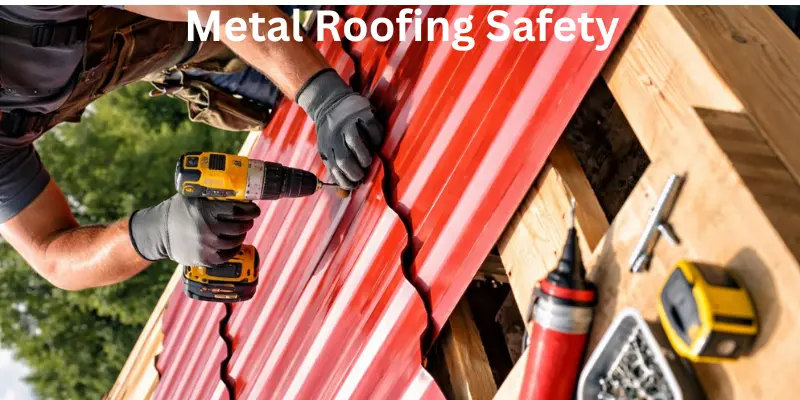
Metal roofing has become a strong part of modern construction.It is strong, clean-looking, weather-resistant, and often chosen for homes, commercial buildings, agricultural structures, garages, workshops, and industrial spaces. But anyone who has worked around roofing knows one thing clearly: a roof is not a forgiving place to make mistakes.
The surface may be high, sloped, windy, hot, wet, icy, or crowded with tools and materials. Panels can be long and awkward to move. Edges may be sharp. Fasteners, ladders, harnesses, boots, gloves, eye protection, and handling methods all matter. Good roofing work is not only about the final appearance. It is also about how safely the crew can get there.
Metal roofing safety is built in layers. Workers need proper PPE for sharp edges, hot surfaces, falls, flying debris and eye risks. The jobsite also needs to be planned well, so people are not moving around in a hurry or guessing what comes next.
The materials matter too. When panels, coatings and fasteners are consistent, the work is easier to control and safer to carry out.
That is why choosing panels from a reliable metal roofing manufacturer can make a difference. It gives contractors materials they can handle with more confidence, while also supporting better roof performance over time.
Safety begins before the first panel reaches the roof.
Metal Roofing Has Its Own Safety Challenges
Every roofing material brings risk, but metal roofing has some specific concerns. Metal roofing is not always easy to handle on site. Large panels can bend, shift and catch the wind, while sharp edges can cut through careless handling. Once rain, frost, dust or morning dew sits on the surface, footing can become risky as well.Reflected sunlight can strain the eyes. Hot panels can cause discomfort or burns in summer conditions.
The risk is not always dramatic. Many jobsite injuries come from small repeated mistakes: carrying a panel without enough people, stepping too quickly, using worn gloves, leaving loose fasteners underfoot, working with poor visibility, or rushing because the weather is changing.
Metal roofing also requires precision. Panels must be aligned correctly. Fasteners must be placed properly. Flashing, trims, underlayment, ventilation, and sealing details need care. When a crew is disorganized, safety and quality both suffer.
A safe installation is rarely accidental. It is planned.
PPE Is Necessary, But It Is Not the Whole Answer
PPE is one of the most visible parts of jobsite safety. Roofers may need cut-resistant gloves, safety glasses, hard hats, fall arrest systems, high-grip footwear, hearing protection, and weather-appropriate clothing. Some jobs may also require face protection, knee protection or more specialised equipment.
Gloves are especially important when working with metal panels. Thin or damaged gloves can leave hands exposed to sharp edges, so workers need gloves that protect well while still allowing grip and movement.
Footwear is just as important. Roofing boots should give stable traction without damaging the panels. A poor sole can become risky on metal surfaces, especially when moisture, dust or frost is present.
Eye protection should never be treated as optional. Cutting, drilling, fastening and handling panels can send metal fragments, dust, glare or debris toward the eyes.
Fall protection is the most serious layer of all. Harnesses, anchors, guardrails, ropes and safe access systems need to be used properly. Wearing fall protection the wrong way is not much better than not wearing it at all.Workers need training, not just equipment.
PPE reduces risk, but it does not remove the hazard. A harness will not make a weak ladder safe. Gloves will not fix poor material handling. Safety glasses will not stop loose panels from sliding. PPE works best when the whole jobsite is managed properly.
Better Materials Can Make Installation Safer
Material consistency is often discussed in terms of performance and appearance, but it also affects safety. Panels that arrive damaged, badly cut, uneven in size or difficult to line up can slow the whole roofing job down.
Poorly fitting panels slow the job because they need extra adjustment before they can be secured. Inconsistent edges often mean more cutting, while weak coatings can scratch or chip as the panels are moved into place.When fastener compatibility is unclear, installation becomes slower, less certain and harder to control.
Uncertainty creates risk. Crews begin improvising. Extra cuts are made. Tools are moved more often. Workers stay longer on difficult roof areas. People rush to correct mistakes before weather changes.
Good materials do not remove the need for skill, but they make skilled work easier to perform safely. Clean edges, reliable panel profiles, accurate lengths, proper coatings, and compatible accessories all help installation move in a more controlled way.
A dependable metal roofing manufacturer does more than supply panels. It supports a smoother process by giving contractors materials they can trust before they climb onto the roof.
Planning the Jobsite Before Work Starts
A metal roofing project should not begin with workers simply carrying panels upward and figuring it out as they go. The site needs a plan.
Where will materials be stored? How will panels be lifted? How many workers are needed to carry longer sheets safely? Is the weather suitable? Where are the fall protection anchor points? Is the ladder secure? Are tools organized? Are power cords and loose fasteners kept away from walking paths?
These questions may sound basic, but they prevent injuries. A messy roof or ground area becomes dangerous quickly. Workers should not have to step around scattered screws, offcuts, packaging, extension cords, and tools while carrying metal panels.
Weather should also be taken seriously. Wind is a major issue with metal roofing. A long panel can catch wind like a sail. Even experienced workers can lose control if conditions are poor. Wet or icy surfaces add another layer of danger. Heat can also affect concentration, grip, and stamina.
A good crew knows when to pause. Pushing through unsafe conditions is not professionalism. It is gambling.
Safe Handling Reduces Cuts, Strains, and Falls
Metal panels should be handled with care from delivery to installation. Metal panels should be moved with care, not dragged or rushed. Sliding panels along the ground or over other materials can ruin the finish and leave rough, exposed edges. Lifting more than you can manage is just as risky, as it puts needless strain on the back, shoulders and arms.If the lift is not coordinated, a panel can slip, drop or move suddenly.
Long panels should usually be carried by more than one person, with clear communication. Workers need to know who is leading, when to lift, when to stop, and where to place the material. Nobody should be walking backward blindly across uneven ground or roof surfaces.
Storage matters too. Store panels on a stable surface where they won’t slide or tip over. Loose sheets can become a hazard in seconds, and leftover offcuts are best removed straight away rather than left where someone might trip or step on them.Good handling protects both the worker and the product. Fewer dents, scratches, cuts, and rushed corrections mean a safer installation and a better roof.
Cutting and Fastening Need Control
Cutting metal roofing creates its own risks. Cutting metal panels can create sharp fragments, hot edges, noise, sparks from certain tools and flying particles. Flying debris, loud cutting noise and sharp edges all create risks on the job. Wearing eye and hearing protection, using sturdy gloves, and keeping cutting work in a controlled area helps reduce those dangers.
The tool should match the material. The wrong cutting method can cause problems fast. Edges may come out rough, panels may not fit cleanly, coatings can get damaged, and the pieces become harder to handle safely. Afterward, sharp cutoffs and metal shavings should not be left lying around.Even small shavings left on panels can stain, scratch or cause injury.
Fastening needs the same care. Screws need to be driven and placed properly. Fasteners need to sit right. Too tight, too loose, or slightly misplaced, they can weaken the roof’s performance and open up leak points. Loose screws left behind on the roof also become an easy slip hazard.
Workers should keep fasteners organized and avoid carrying open containers that can spill across the work area.
Safety and workmanship are connected here. A cleaner process usually produces a cleaner roof.
Installation Quality Protects Future Workers Too
A poorly installed metal roof does not only create problems for the owner. It can also create risks for future maintenance workers.
Loose panels, weak flashing, poor fastening, sharp exposed edges, bad drainage, and unstable access areas can make later inspection or repair more dangerous. A roof that performs badly may require more frequent service, which means more people climbing, walking, lifting, and working at height.
Good installation reduces those future visits. When panels are aligned properly, fasteners are secure, drainage is planned, and flashing details are handled correctly, the roof is less likely to create recurring problems.
Safety should not be viewed only as something that happens during installation. A well-built metal roof supports long-term safety by reducing failures, leaks, movement, and unnecessary emergency repairs.
Training Is as Important as Equipment
A worker can wear the right PPE and still be unsafe if they do not understand the job. Training is what turns equipment into protection.
Crews should know how to move on metal roofing surfaces, how to use fall protection, how to lift panels, how to respond to wind, how to operate cutting tools, how to identify unsafe conditions, and how to communicate during installation.
Newer workers should not be left to learn only by watching from a distance. Roofing is too risky for vague instruction. Clear habits must be taught early: three points of contact, organized tools, proper lifting, no rushing near edges, careful panel handling, and immediate reporting of hazards.
A strong safety culture does not treat caution as weakness. It treats caution as part of the craft.
FAQs About Metal Roofing Safety
What PPE is most important for metal roofing?
Fall protection is the most critical, followed by proper footwear, cut-resistant gloves, eye protection, and hard hats. Depending on the work being done, hearing protection and other safety gear may also be needed.
Are metal roofs slippery during installation?
Yes, they can be. Moisture, frost, dust, loose debris and steep slopes can make metal roofing surfaces risky. Workers need proper footwear, fall protection and the judgement to avoid unsafe weather.
Why does material quality matter for safety?
When materials are consistent, the job moves with fewer surprises. Panels line up better, cuts are cleaner and fastening is more predictable. Poor or uneven materials can keep workers on the roof longer, with more rework and more chances for something to go wrong.
Can metal panels cause cuts?
Yes. Freshly cut edges, metal offcuts and drilled sections can all be surprisingly sharp, so handling them with care and wearing suitable gloves is simply good practice.
Does good installation reduce future risk?
Yes. A properly installed metal roof is less likely to need frequent repairs, emergency service, or unsafe maintenance work later.
Final Thoughts
Metal roofing safety is built from several parts. PPE matters. Training matters. Weather awareness matters. Material handling matters. Installation quality matters. None of these should be treated as optional.
The safest jobsites are usually the most organized ones. Materials are consistent. Workers know the plan. Panels are moved carefully. Tools are controlled. PPE is worn correctly. Weather is respected. Nobody is expected to rush through unsafe conditions just to keep the schedule looking neat.
A metal roof should protect the building for years. The installation process should also protect the people putting it in place. When better materials, proper equipment, and disciplined work practices come together, the result is safer for crews, better for contractors, and stronger for the building owner.
Please Write Your Comments