5 Knee Pain Treatment Options to Discuss With Your Doctor
Updated: 1-Aug-2026
28
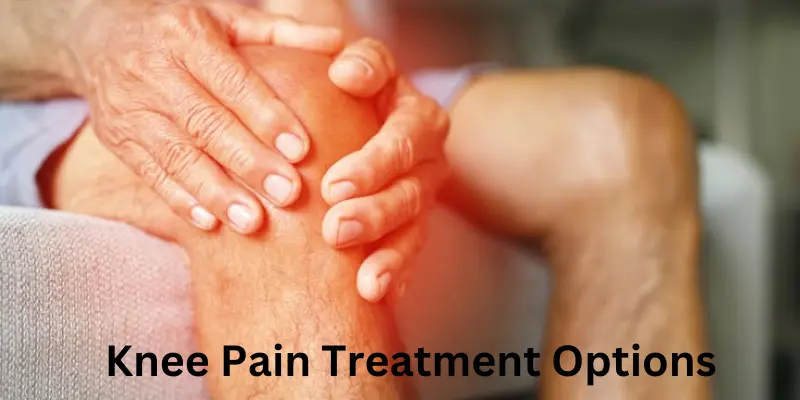
Nearly 25% of adults experience frequent knee pain, making it one of the most common reasons people visit their doctor. If you’re among them, you’ve likely wondered whether your discomfort requires simple rest or more serious intervention. The truth is, you’ve got more treatment options than you might realize, ranging from straightforward exercises to advanced medical procedures. Understanding what’s available will help you have a more productive conversation with your healthcare provider about finding the right solution for your specific situation.
Understanding the Causes and Severity of Knee Pain
Knee pain affects millions of people each year, ranging from a dull ache after exercise to debilitating discomfort that disrupts daily activities. You’ll need to identify what’s causing your pain before pursuing treatment. Common culprits include arthritis, ligament injuries, meniscus tears, tendinitis, and bursitis. Overuse, aging, obesity, and previous injuries can increase your risk.
Pay attention to your pain’s severity and characteristics. Does it feel sharp or dull? Is it constant or intermittent? Can you bear weight on your knee? These details help your doctor determine the underlying issue. Mild pain might resolve with rest and home care, while severe or persistent symptoms require medical evaluation. If you’re experiencing swelling, instability, or can’t put weight on your leg, seek immediate medical attention.
Physical Therapy and Targeted Exercise for Strength and Mobility
Once you’ve identified the source of your knee pain, physical therapy often serves as the cornerstone of non-surgical treatment.
A licensed therapist will design exercises targeting the muscles surrounding your knee, particularly your quadriceps, hamstrings, and calves. Strengthening these muscles reduces stress on your joints while improving stability. You’ll likely perform low-impact exercises like leg raises, wall sits, and resistance band work. Your therapist may also incorporate balance training and stretching to enhance flexibility.
Range-of-motion exercises prevent stiffness and maintain joint function. Expect gradual progression, starting gently and increasing intensity as your knee tolerates more activity. Most patients attend sessions two to three times weekly for several weeks. You’ll receive home exercises to reinforce progress between appointments. Consistency proves essential for achieving lasting results and preventing future injuries.
Medications for Managing Pain and Inflammation
When physical therapy alone doesn’t provide adequate relief, medications can help control your knee pain and reduce inflammation. Over-the-counter options like acetaminophen can manage mild to moderate pain, while nonsteroidal anti-inflammatory drugs (NSAIDs) such as ibuprofen and naproxen target both pain and swelling.
For more severe symptoms, your doctor might prescribe stronger NSAIDs or corticosteroid injections directly into your knee joint. These injections provide rapid inflammation reduction and can offer relief lasting several weeks to months.
If you’re dealing with osteoarthritis, hyaluronic acid injections can improve joint lubrication and cushioning. Your physician may also recommend topical creams containing NSAIDs or capsaicin for localized relief. Always discuss potential side effects and medication interactions with your doctor before starting any treatment regimen.
Knee Braces Supportive Devices and Activity Modification
While medications address pain from the inside, supportive devices work externally to stabilize your knee and reduce stress on the joint. Your doctor might recommend knee braces, which range from simple sleeves providing compression to hinged braces offering structural support. These devices can reduce pain during activities and prevent further injury. Supportive devices also include orthotic inserts that correct alignment issues contributing to knee pain. You’ll find that proper footwear makes a significant difference in reducing joint stress.
Activity modification is equally important. You’ll need to adjust high-impact exercises like running to low-impact alternatives such as swimming or cycling. Your doctor can help you identify movements that aggravate your condition and suggest safer alternatives that maintain your fitness while protecting your knee.
Injection Treatments for Persistent Knee Pain
If braces and activity changes don’t provide enough relief, your doctor may suggest injection treatments to target pain directly at its source. Corticosteroid injections reduce inflammation and can provide relief lasting several weeks to months. They’re particularly effective for arthritis-related pain but shouldn’t be used too frequently as they may weaken tendons over time.
Hyaluronic acid injections, often called viscosupplementation, supplement the joint’s natural lubricating fluid. These injections may improve mobility and reduce pain for three to six months, especially if you’ve got osteoarthritis.
Platelet-rich plasma (PRP) injections use your own blood’s healing properties to promote tissue repair. While research continues on their effectiveness, some patients experience significant improvement. Your doctor will evaluate your specific condition to determine which injection therapy might work best for you.
Surgical Options When Conservative Treatments Are Not Enough
After exhausting conservative treatments like physical therapy, medications, and injections, surgery becomes a viable option for severe knee damage or persistent pain that limits your daily activities.
Arthroscopic surgery allows your surgeon to diagnose and treat knee problems through small incisions using a tiny camera. This minimally invasive approach addresses torn meniscus, damaged cartilage, and loose bone fragments with faster recovery times.
Partial knee replacement removes only the damaged portion of your knee joint, preserving healthy bone and tissue. You’ll experience quicker rehabilitation compared to total replacement.
Total knee replacement becomes necessary when arthritis affects your entire joint. Your surgeon replaces damaged bone and cartilage with metal and plastic components, typically providing 15-20 years of pain relief and improved mobility. Osteotomy realigns your leg bones to redistribute weight away from damaged areas.
Choosing the Right Treatment Plan With Your Doctor
Your doctor will evaluate multiple factors during your consultation, including your age, activity level, overall health, and the severity of your knee damage through physical examinations and imaging results. They’ll discuss how your condition impacts daily activities and what goals you want to achieve through treatment. Depending on your diagnosis, your physician may recommend options such as a visco gel injection to improve joint lubrication and reduce discomfort associated with osteoarthritis.
You should ask about success rates, recovery times, potential risks, and long-term outcomes for each recommended option. Don’t hesitate to seek a second opinion if you’re uncertain about major procedures like surgery.
Creating an effective treatment plan requires open communication between you and your healthcare provider. Share your concerns, lifestyle needs, and pain tolerance honestly. Together, you’ll develop a personalized approach that balances symptom relief with your quality of life expectations and addresses your specific knee condition.
Please Write Your Comments