How Infrared Inspection Windows Improve Electrical Reliability Programs
Updated: 22-Sep-2026
3
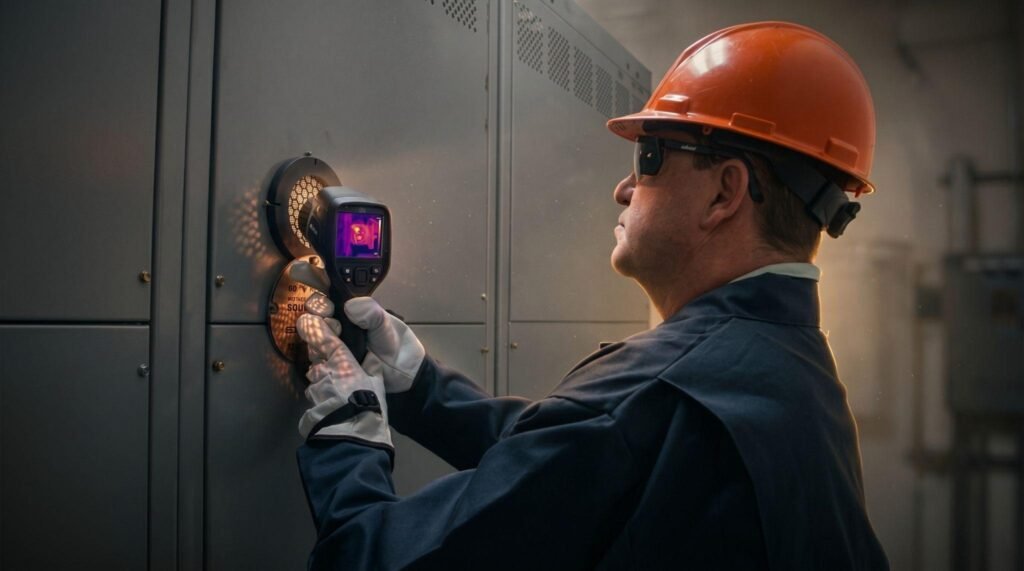
Ask a maintenance manager what gets in the way of electrical reliability, and you will probably hear familiar answers: limited time, stretched resources, aging equipment, and the pressure to keep production moving.
Most teams understand the value of regular inspections. The challenge is making those inspections practical enough to happen consistently, then turning the findings into useful maintenance decisions.
Infrared inspection windows help address that challenge. By giving technicians a way to inspect selected components inside electrical enclosures with the panels closed, they make it easier to build equipment condition checks into everyday maintenance.
That seemingly simple change can have a much bigger effect on the reliability program around it.
What an infrared window does
Think about the planning involved in a traditional inspection that requires access to energized components. There are procedures to follow, people to coordinate, and hazards to assess. Across a facility with dozens or hundreds of panels, that preparation adds up.
An infrared inspection window provides a permanent viewing point made from material that transmits infrared energy to a thermal camera. Properly selected and positioned, it allows a trained technician to examine target components while the enclosure remains closed.
The window does not prevent electrical faults or remove every hazard. The equipment, task, and conditions still determine the necessary safety precautions. Its contribution is removing the need to open the panel for that particular inspection.
For a busy maintenance team, easier access can make a scheduled inspection more achievable. It can also make returning to check a previously identified concern less disruptive.
Consistency matters because electrical reliability depends on understanding change.
Repeatable surveys through fixed points
A single thermal image captures a moment. A series of comparable images helps build a history. When teams inspect the same connections and components over time, they have a better basis for recognizing unusual behavior and deciding where to investigate.
Imagine a connection that appears warmer than similar connections during a routine inspection. The technician records the finding, checks the operating conditions, and flags it for review. Previous images may help establish whether the difference is new or part of a developing pattern.
That information gives the maintenance team something specific to work with. They can assess urgency, investigate the cause, and plan an appropriate response.
However, comparisons need context. A component carrying a heavier load may run hotter without having developed a fault. Ambient temperature, surface characteristics, camera settings, and the window’s infrared transmission also affect interpretation.
A useful inspection procedure therefore records more than a temperature. It identifies the asset, the target, relevant operating conditions, and the measurement settings. Windows provide repeatable access; trained people and consistent methods make the resulting information useful.
This is where infrared windows fit naturally into condition-based maintenance.
A condition-based maintenance device
Rather than relying entirely on calendar dates or waiting for something to fail, teams use evidence about equipment condition to guide their work. Thermal findings contribute to those decisions alongside maintenance history, operating data, and other inspection methods.
Consider a production line with several electrical assets competing for attention. One has a stable inspection history. Another shows a developing thermal anomaly at an important connection. That difference can help the team focus its investigation and resources where they are most needed.
The potential benefit is time to act. Depending on the severity of the finding, the team may be able to arrange a controlled shutdown, obtain replacement parts, and coordinate work with production. An urgent condition may require immediate action.
Either way, detecting a concern gives the organization an opportunity to make an informed decision before an unexpected interruption makes the decision for them.
Of course, that opportunity disappears if the inspection report sits unread.
Every significant finding needs a clear next step and an owner. The asset should be identifiable, the concern documented, and the recommended action tracked through completion. After corrective work, a follow-up inspection under suitable operating conditions helps assess the result.
This also gives operations and maintenance a more useful conversation. Instead of a vague warning that equipment might be unreliable, the discussion can focus on an identified condition, its potential consequences, and the work needed to address it.
Getting these benefits starts before the first window is installed.
Considerations for installation
Placement should follow the inspection targets. A window is only useful if the technician can see the components that matter. Internal barriers, viewing angles, camera access, and the distance to the target all deserve attention.
The selected window must also suit the camera, enclosure, and operating environment. Installation should follow manufacturer instructions and appropriate electrical safety procedures. Building inspection access into new equipment designs can make these considerations easier to address early.
For an existing facility, a practical starting point is the equipment whose failure would cause the greatest disruption. Identify inspection gaps, establish suitable viewing points, and build those assets into a documented route.
Then measure whether the program is improving. Are scheduled inspections being completed? Are previously inaccessible targets now covered? Are findings leading to timely corrective work? Are recurring problems being investigated?
Those questions keep the focus on reliability outcomes.
They also give managers a clearer view of what has actually been inspected, which areas remain unassessed, and where additional access or inspection methods are still needed.
Conclusion
Infrared inspection windows earn their place by helping teams see equipment condition more consistently and act with better information. Combined with trained inspectors, clear procedures, and follow-through, they can turn a difficult inspection task into a dependable part of keeping the facility running.
Make engineered reliability solutions part of your maintenance routine. Contact IRISS to find the right infrared windows for your equipment and inspection needs.
Please Write Your Comments