How to Store Power Tools Without Rusting: 10 Essential Tips
Updated: 6-Nov-2026
10
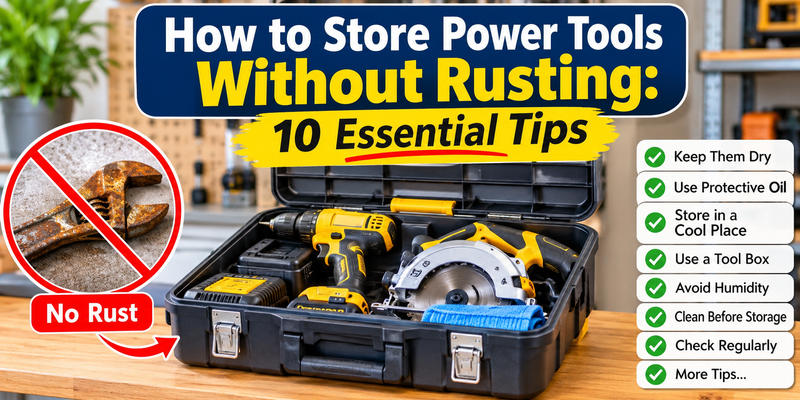
Power tools can be a significant investment, whether you’re a professional tradesperson or a DIY enthusiast. From cordless drills and circular saws to angle grinders and electric sanders, keeping your equipment in good condition is essential for performance, safety and longevity.
Unfortunately, rust is one of the most common problems affecting stored tools. Garages, sheds, workshops and even work vans can expose equipment to moisture, condensation and fluctuating temperatures, all of which increase the risk of corrosion.
The good news is that rust is largely preventable with the right preparation and storage conditions.
In this guide, we’ll explain how to store power tools without rusting, including how to protect metal components, control moisture and keep equipment in good working order between uses.
Key Takeaways
- Moisture is the main cause of rust, so power tools should always be clean and dry before storage.
- Store equipment in a dry environment with stable temperatures wherever possible.
- Use protective cases, suitable toolboxes and silica gel packs to help reduce moisture exposure.
- Apply an appropriate rust-preventative product to exposed metal surfaces, following the manufacturer’s guidance.
- Avoid leaving tools directly on damp concrete floors or against cold external walls.
- Store lithium-ion batteries separately when recommended by the manufacturer, away from extreme temperatures.
- Inspect tools regularly for early signs of corrosion, damaged cables and battery problems.
Why Do Power Tools Rust in Storage?
Rust forms when iron or steel reacts with oxygen and moisture, producing iron oxide.
Many power tools contain steel components, including drill chucks, blades, shafts, fasteners and internal mechanisms. These parts can corrode when exposed to damp conditions.
Even if a tool isn’t directly exposed to rain, moisture in the surrounding air can cause problems.
Common causes of rust include:
- High humidity: Moisture in the air can settle on exposed metal components.
- Condensation: Moving tools between warm and cold environments can cause water droplets to form.
- Damp garages and sheds: Poor insulation, leaks and inadequate ventilation increase moisture exposure.
- Wet tools: Equipment stored immediately after outdoor work may retain moisture.
- Dust and debris: Dirt can hold moisture against metal surfaces.
- Damaged protective coatings: Scratches can expose bare steel to corrosion.
Rust can affect more than appearance. Severe corrosion may interfere with moving components, reduce cutting performance and compromise equipment safety.
10 Ways to Store Power Tools Without Rusting
1. Clean Your Power Tools Before Storage
One of the easiest ways to prevent rust is to clean your tools after use.
Dust, sawdust, soil and construction debris can accumulate around moving parts and ventilation openings. Some contaminants retain moisture, increasing the risk of corrosion.
Before cleaning any power tool, switch it off, disconnect it from the mains or remove the battery where appropriate.
Use a soft brush or dry cloth to remove loose debris. Follow the manufacturer’s instructions when cleaning ventilation openings and delicate components.
Avoid spraying water directly onto electrical tools or immersing them in cleaning solutions.
Pay particular attention to exposed metal parts such as drill chucks, blades and fasteners.
2. Make Sure Tools Are Completely Dry
Never put damp power tools straight into a toolbox or storage case.
If you’ve been working outdoors in wet conditions, inspect your equipment for moisture before packing it away.
Wipe down accessible surfaces with a clean, dry cloth and allow the tool to dry in a suitable environment.
Don’t use excessive heat, such as placing tools directly against radiators or using high-temperature heat guns, as this may damage plastic components, seals and electronics.
If water has entered a power tool’s electrical components, do not operate it until it has been assessed and made safe in accordance with the manufacturer’s guidance.
3. Store Tools in a Dry Environment
Where you store your power tools is just as important as how you prepare them.
Garages and sheds are convenient, but they can experience significant temperature fluctuations and humidity changes.
Cold surfaces may attract condensation, particularly when warmer, moisture-laden air enters the space.
Before choosing a storage location, check for:
- Roof leaks or water ingress.
- Condensation on walls and windows.
- Damp concrete floors.
- Musty smells or visible mould.
- Poor drainage around doors.
- Inadequate ventilation.
A dry, weatherproof environment is generally preferable for long-term tool storage.
For professional tradespeople managing larger equipment collections, dedicated storage for business equipment can provide additional space away from overcrowded garages, vans and workshops.
When considering off-site storage, check that the facility is suitable for your equipment, offers appropriate security and permits the items you intend to store.
4. Use Proper Toolboxes and Protective Cases
A suitable toolbox can help protect power tools from dust, accidental impacts and environmental exposure.
Many manufacturers supply moulded plastic cases designed specifically for their equipment.
These are useful because they keep tools organised and protect vulnerable components during transportation.
For additional protection, consider:
- Toolboxes with secure closures.
- Cases with suitable moisture-resistant seals.
- Foam inserts that prevent equipment moving around.
- Compartments for accessories and removable components.
- Rust-resistant storage cabinets.
However, even a sealed toolbox can trap moisture if damp tools are placed inside.
Always ensure the equipment and case are dry before closing them.
5. Use Silica Gel Packs to Absorb Moisture
Silica gel packs can help control moisture inside small, enclosed storage spaces.
They contain a desiccant that absorbs water vapour from the surrounding air.
Placing suitable silica gel packs inside toolboxes, cases or storage drawers may help reduce humidity around metal components.
For best results:
- Use packs sized appropriately for the storage container.
- Replace or regenerate them according to the manufacturer’s instructions.
- Keep them away from children and pets.
- Avoid placing loose desiccant material where it could enter tool mechanisms.
Silica gel is most useful inside enclosed containers.
It is not a substitute for fixing leaks or controlling excessive humidity throughout an entire garage or workshop.
6. Apply Rust-Preventative Products to Exposed Metal
Some power tools have exposed steel components that benefit from additional corrosion protection.
Depending on the tool and manufacturer’s instructions, a suitable rust-inhibiting product may help protect these surfaces.
Examples include certain protective oils, corrosion-inhibiting sprays and specialist tool maintenance products.
However, not every lubricant or rust-prevention spray is suitable for every power tool.
Avoid applying products to electrical contacts, ventilation openings, braking mechanisms, friction surfaces or components where contamination could affect safe operation.
For saw blades and other cutting accessories, follow the manufacturer’s cleaning and preservation recommendations.
Remove any protective coating before use if the product instructions require it.
7. Keep Tools Off Damp Floors
Concrete floors can be cold and may be affected by moisture, especially in garages and outbuildings.
Leaving toolboxes directly on a damp floor increases the risk of moisture reaching equipment.
Where practical, use:
- Wall-mounted shelving.
- Raised storage cabinets.
- Suitable workbench storage.
- Heavy-duty shelving units.
- Stable tool racks.
Keeping equipment raised also makes it easier to inspect the floor for leaks or condensation.
Ensure shelves and cabinets are properly secured and rated for the weight of the tools they hold.
8. Avoid Sudden Temperature Changes
Moving tools rapidly between cold and warm environments can lead to condensation.
For example, a metal tool brought into a warm, humid workshop after spending the night in a cold van may develop moisture on its surface.
This is particularly relevant during autumn and winter.
Where possible, avoid exposing equipment to repeated extreme temperature changes.
If cold tools are brought indoors, allow them to acclimatise before use, following the manufacturer’s guidance.
Check for condensation before connecting batteries or switching on electrical equipment.
9. Store Power Tool Batteries Correctly
Cordless power tools introduce another storage consideration: their batteries.
Lithium-ion batteries don’t rust in the same way as exposed steel, but poor storage conditions can affect their performance and safety.
Follow the battery manufacturer’s instructions, particularly regarding temperature, charge level and long-term storage.
General precautions include:
- Avoid storing batteries in extreme heat or freezing conditions.
- Keep batteries dry and away from direct sunlight.
- Protect terminals from contact with metal objects.
- Inspect batteries for swelling, damage or unusual heat.
- Never use or charge a visibly damaged battery.
- Avoid leaving batteries in vehicles exposed to extreme temperatures.
For extended storage, some manufacturers recommend keeping batteries at a partial charge rather than fully depleted.
Always follow the specific instructions for your battery system.
10. Inspect and Maintain Tools Regularly
Even properly stored tools should be checked periodically.
Regular inspections can help identify small problems before they develop into more serious damage.
Look for:
- Orange or brown discolouration on metal.
- Corrosion around drill chucks or fasteners.
- Moisture inside cases.
- Damaged power cables.
- Cracked housings.
- Worn or damaged blades.
- Battery damage or leaking components.
- Stiff or seized moving parts.
If corrosion affects a safety-critical component, have the equipment assessed by a competent repair professional before using it.
Routine maintenance can extend the useful life of your tools and reduce the risk of unexpected failures.
How to Store Different Types of Power Tools
Different tools have different storage requirements, particularly where exposed metal components are concerned.
| Power tool | Parts vulnerable to corrosion | Recommended storage approach |
| Cordless drill | Chuck, fasteners and metal fittings | Clean and dry before storing in its case |
| Circular saw | Steel blade, spindle and fittings | Remove debris and protect the blade appropriately |
| Angle grinder | Spindle, fasteners and accessories | Store dry and inspect discs before use |
| Electric sander | Metal fittings and exposed mechanisms | Remove dust and store in a protective case |
| Impact driver | Bit holder and metal fittings | Keep clean, dry and protected from condensation |
| Jigsaw | Blade and blade clamp | Remove debris and inspect the blade before storage |
| Mitre saw | Blade, rails and exposed steel components | Clean thoroughly and use suitable protective covers |
| Power planer | Blades and exposed metal surfaces | Follow manufacturer maintenance and storage guidance |
Can You Store Power Tools in a Garage?
Yes, power tools can be stored in a garage, provided the environment is sufficiently dry and secure.
However, garages are often more vulnerable to temperature fluctuations than indoor rooms.
An uninsulated garage may become very cold overnight and warm rapidly during the day, creating conditions where condensation can form.
To reduce rust risk:
- Check for leaks and persistent dampness.
- Keep tools in suitable protective cases.
- Use shelving or cabinets rather than storing equipment directly on the floor.
- Monitor humidity with a hygrometer.
- Use moisture control measures where necessary.
- Avoid leaving batteries in extreme temperatures.
If your garage regularly experiences condensation or water ingress, consider a more suitable storage location.
Can You Store Power Tools in a Shed?

A shed can provide useful extra space, but it may not be ideal for valuable power tools unless it is properly maintained.
Timber sheds and metal outbuildings can be particularly susceptible to condensation, depending on their construction and ventilation.
Before using a shed for tool storage, check that the roof, walls and doors are weatherproof.
Consider installing suitable shelving and improving ventilation where necessary.
For high-value equipment, security should also be a priority.
A shed with inadequate locks or poor structural security may expose tools to theft as well as environmental damage.
How to Stop Tools Rusting in a Van
For builders, electricians, plumbers and other tradespeople, work vans often double as mobile storage spaces.
Unfortunately, vans can expose tools to condensation, wet equipment and significant temperature changes.
To help protect power tools stored in a van:
- Remove wet clothing, materials and other moisture sources where practical.
- Use suitable protective cases and tool storage systems.
- Avoid leaving equipment on damp van floors.
- Check for leaks around doors, windows and seals.
- Allow wet equipment to dry before packing it away.
- Protect batteries from extreme temperatures.
- Remove valuable tools overnight where practical and follow your insurer’s security requirements.
If you regularly carry more equipment than you need for daily jobs, keeping less frequently used tools in a separate secure location may reduce clutter and make your van easier to organise.
What Is the Best Humidity Level for Storing Power Tools?
Lower humidity generally reduces the risk of corrosion, although the ideal storage conditions depend on the equipment and its manufacturer’s recommendations.
For many indoor storage environments, keeping relative humidity below approximately 60% can help reduce moisture-related problems.
However, this is not a guarantee against rust.
Condensation can still form when metal surfaces become colder than the surrounding air’s dew point.
A digital hygrometer can help monitor humidity in garages, workshops and storage areas.
If readings remain consistently high, investigate possible sources of moisture and consider appropriate ventilation or dehumidification.
How Long Can Power Tools Be Stored Without Rusting?
Power tools can remain in good condition for many years when stored correctly.
There is no fixed period after which rust will develop.
A clean, dry tool kept in a suitable environment may remain free from corrosion for extended periods, while a tool stored damp in a poorly ventilated shed could develop rust much sooner.
For long-term storage, pay particular attention to exposed metal surfaces, batteries, humidity and manufacturer-recommended maintenance.
What Should You Do If Your Power Tools Have Already Started Rusting?
If you notice rust developing on a power tool, first determine which components are affected.
Light surface corrosion on a removable, non-safety-critical metal accessory may sometimes be treatable using an appropriate cleaning product.
However, corrosion affecting internal mechanisms, electrical components, blade mounts, guards or other safety-critical parts requires greater caution.
Before attempting any maintenance:
- Disconnect the power source.
- Consult the manufacturer’s instructions.
- Avoid allowing liquids or abrasive debris into electrical components.
- Inspect the affected part for damage.
- Seek professional repair advice if the tool’s safe operation may be compromised.
Never assume a tool is safe simply because visible rust has been removed.
Common Power Tool Storage Mistakes
Several everyday habits can shorten the lifespan of power tools.
Leaving tools wet: Packing equipment away immediately after outdoor work can trap moisture inside cases.
Storing tools on concrete floors: Damp surfaces may expose toolboxes and equipment to moisture.
Using unsuitable lubricants: Some products can damage materials or interfere with moving and electrical components.
Ignoring battery storage requirements: Extreme temperatures and damaged batteries create performance and safety concerns.
Overcrowding toolboxes: Poor organisation can lead to damaged accessories and make inspections more difficult.
Failing to check humidity: A garage or shed may appear dry while still experiencing significant condensation.
Neglecting maintenance: Small signs of corrosion can worsen if equipment is left unchecked for months.
Frequently Asked Questions
What is the best way to prevent power tools from rusting?
Clean and completely dry your tools before storage, keep them in a dry environment and protect exposed metal components according to the manufacturer’s instructions. Suitable cases and moisture control can provide additional protection.
Does WD-40 prevent power tools from rusting?
Certain WD-40 products are designed to provide corrosion protection, but suitability depends on the specific formulation and tool component. Always check the product label and power tool manufacturer’s instructions before applying any spray or lubricant.
Can silica gel stop tools from rusting?
Silica gel can help absorb moisture inside enclosed toolboxes and storage cases, potentially reducing corrosion risk. It is less effective in large, open spaces and cannot compensate for significant dampness.
Should you oil power tools before storing them?
Some exposed metal components may benefit from an appropriate protective oil, but not all tools or surfaces should be lubricated. Follow the manufacturer’s maintenance recommendations.
Is it safe to leave cordless drills in a cold garage?
Cold temperatures can affect battery performance, and changing temperatures may cause condensation. Follow the manufacturer’s temperature recommendations and avoid charging or operating batteries outside their specified limits.
Can power tools rust inside a toolbox?
Yes. A toolbox can trap moisture if damp tools are placed inside or if condensation develops. Make sure tools and cases are dry before closing them.
Is a plastic or metal toolbox better for preventing rust?
Both can protect tools when used correctly. The more important factors are keeping equipment dry, preventing condensation and choosing a case appropriate for the storage environment.
How do you remove rust from a drill chuck?
Minor surface corrosion may sometimes be treatable using manufacturer-approved maintenance methods. If rust affects the chuck’s operation or ability to grip accessories securely, professional inspection or replacement may be necessary.
Keeping Your Power Tools Rust-Free
Preventing rust on power tools is largely about keeping moisture under control.
Cleaning equipment after use, drying it thoroughly, choosing suitable storage conditions and protecting exposed metal components can all help extend its working life.
For tradespeople, proper storage also makes it easier to organise equipment, reduce unnecessary wear and keep valuable tools ready for the next job.
Whether you keep your tools in a garage, workshop, van or dedicated storage space, taking a few simple precautions now can help prevent expensive repairs and replacements later.
Please Write Your Comments