How to Find the Right Security and Sensor Lighting Installer for Your Property
Updated: 2-Jun-2026
79
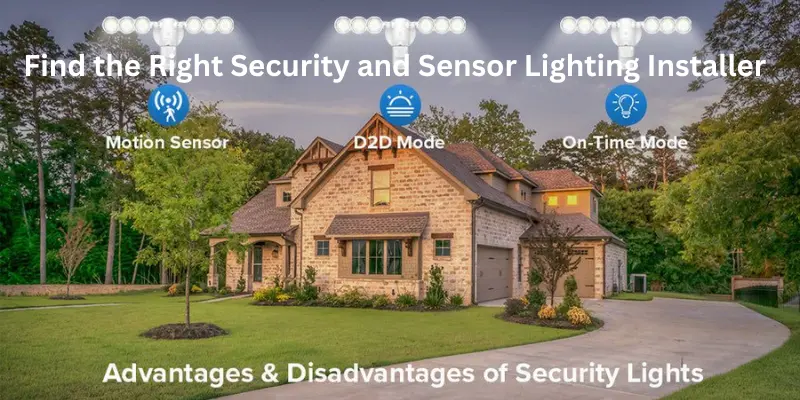
A dark property is an invitation. Not the kind you send to friends, but the kind that makes a home, a business, a driveway, or a side access path quietly attractive to someone who does not belong there. Research consistently shows that well-lit properties are far less likely to be targeted by intruders. Bright light eliminates hiding spots, increases the risk of being seen, and creates a psychological deterrent that is often enough to send someone looking for an easier target elsewhere.
But security lighting is about more than just bolting a floodlight to a wall and hoping for the best. Done poorly, outdoor lighting can create glare that actually reduces visibility, trigger false activations that annoy you and your neighbours, waste energy by running all night when nobody is around, or fail to illuminate the areas that matter most. Done well, a properly designed and installed security and sensor lighting system provides targeted illumination exactly where it is needed, activates only when genuine movement is detected, integrates seamlessly with your existing security infrastructure, and operates efficiently without inflating your electricity bill.
The difference between these two outcomes almost always comes down to the person who installs it. A qualified professional with experience in security lighting design and installation will assess your property, identify vulnerabilities, recommend appropriate products, position sensors for optimal coverage, and ensure the entire system complies with Australian electrical and wiring standards.
This guide is for Australian homeowners and business operators who want to understand the full scope of what security and sensor lighting involves, what to look for in a provider, how much to budget, and how to get the most value from their investment.
What a Security and Sensor Lighting Installer Actually Provides
The scope of professional security and sensor lighting goes well beyond screwing a light fitting to an eave. Understanding the full range of services helps you appreciate the value of professional installation and ensures you choose a provider who can deliver a complete solution.
Site Assessment and Lighting Design
A qualified installer will begin by assessing your property to identify the areas that need illumination. This is not a quick glance from the driveway. A thorough assessment involves walking the entire perimeter of the property, identifying dark spots, potential entry points, blind corners, and areas where existing lighting is inadequate or poorly positioned.
The assessment considers the layout of the property including fences, gates, garden beds, and structures that create shadows. It accounts for neighbouring properties, street lighting, and any existing security systems such as CCTV cameras that rely on adequate light to capture clear footage. The result is a lighting plan that maps out the location, type, and angle of each fitting, the position and detection range of each sensor, and the wiring requirements for the installation.
For residential properties, the key areas typically include the front entrance and porch, the driveway and garage approach, side access paths, the backyard and rear entry points, garden sheds and outbuildings, and any pool or entertaining areas. For commercial properties, the focus extends to car parks, loading docks, fire escapes, perimeter fencing, signage, and staff entry points.
Sensor Technology Selection
Modern sensor lighting uses several different detection technologies, and the right choice depends on the application. A knowledgeable installer will recommend the appropriate sensor type for each location.
Passive Infrared (PIR) sensors are the most commonly used in residential and commercial security lighting. They detect changes in infrared radiation caused by a warm body moving through the detection zone. PIR sensors are reliable, affordable, and well-suited to most outdoor applications. They work best when the subject moves across the sensor’s field of view rather than directly towards it. Mounting height, angle, and sensitivity adjustment are critical to minimising false triggers from animals, wind-blown foliage, and passing traffic.
Microwave sensors emit microwave pulses and detect movement by measuring the change in frequency of the reflected signal. They are more sensitive than PIR sensors and can detect movement through thin walls, glass, and some building materials. This makes them suitable for enclosed areas or applications where a wider detection range is needed. However, their sensitivity also means they are more prone to false triggers if not properly adjusted.
Dual-technology sensors combine PIR and microwave detection, requiring both technologies to register movement before activating the light. This significantly reduces false alarms while maintaining reliable detection of genuine movement. Dual-tech sensors are an excellent choice for areas where false triggers are a persistent problem, such as near busy roads, trees, or pet-frequented zones.
Photoelectric (PE) cells and dusk-to-dawn sensors detect ambient light levels rather than movement. They automatically switch lights on at dusk and off at dawn, ensuring consistent illumination throughout the night without any manual intervention. PE cells are commonly used for pathways, car parks, signage, and general perimeter lighting that needs to remain on all night.
Some advanced sensor platforms now incorporate machine learning capabilities that can distinguish between habitual movement patterns and genuinely unusual activity. While these systems are more common in commercial applications, the technology is becoming increasingly accessible for residential use.
Product Selection and Quality
The quality of the lighting fixtures and sensors installed on your property directly affects performance, longevity, and energy efficiency. A professional installer will recommend products from reputable manufacturers that are designed for Australian conditions.
LED technology is now the standard for security lighting. Modern LED floodlights and spotlights deliver bright, focused illumination while consuming a fraction of the energy of older halogen equivalents. LED fittings also generate far less heat, last significantly longer, and are available in a range of colour temperatures to suit different applications. Cooler white light, around 5000 to 6500 Kelvin, provides the sharpest visibility for security purposes, while warmer tones around 3000 to 4000 Kelvin offer a more inviting appearance for entranceways and entertaining areas.
IP ratings indicate how well a fitting is protected against dust and water ingress. For outdoor security lighting in Australia, a minimum IP65 rating is recommended, meaning the fixture is fully dust-tight and protected against water jets from any direction. Coastal properties may require fittings with higher corrosion resistance due to salt air exposure.
Reputable brands commonly used in Australian security lighting installations include Clipsal, HPM, Housewatch, Matelec, Robus, and Ensa, among others. Your installer should be able to explain why they recommend a particular product and how it compares to alternatives on the market.
How to Choose the Right Professional for the Job
Security and sensor lighting installation is prescribed electrical work in Australia, meaning it must be carried out by a licensed electrical contractor or a licensed electrician working under a contractor. Choosing the right person involves more than confirming their licence. Here is what to evaluate.
Licensing and Compliance
This is non-negotiable. In every Australian state and territory, hardwired electrical work must be performed by a licensed professional. The specific licensing requirements and regulatory bodies vary by state. In Western Australia, the Department of Mines, Industry Regulation and Safety oversees electrical licensing. In New South Wales, it falls under NSW Fair Trading. In Victoria, Energy Safe Victoria is the relevant authority.
Verify the installer’s licence before any work begins. Any legitimate professional will provide their licence details on request. Additionally, confirm they carry current public liability insurance and, if they have employees, workers’ compensation coverage.
All installations must comply with AS/NZS 3000:2018, the Australian and New Zealand Wiring Rules, which govern the safety requirements for electrical installations. Your installer should be familiar with these standards and ensure every aspect of the work meets them.
Experience With Security Lighting Specifically
Electrical work is a broad field, and not every licensed electrician has deep experience with security and sensor lighting design. An installer who regularly handles security lighting projects will understand how to position sensors for optimal coverage while minimising false triggers, how to select the right combination of sensor technology and lighting fixture for each area, how to integrate lighting with existing security systems such as CCTV cameras and alarm panels, and how to wire the system for reliability and ease of future maintenance.
Ask prospective installers about their experience with security lighting projects. How many have they completed? Do they handle residential, commercial, or both? Can they provide examples or references from similar projects? A provider who specialises in or frequently handles security lighting work will deliver a more refined result than one who encounters it only occasionally.
Communication and Quoting
A professional installer will visit your property to conduct an assessment before providing a quote. Be cautious of anyone who offers a price over the phone without seeing the site. Every property is different, and a meaningful quote requires an understanding of the layout, existing wiring, mounting surfaces, power supply, and specific coverage requirements.
The quote should be in writing and should itemise the cost of each fitting and sensor, the labour required for installation, any additional electrical work such as running new circuits or upgrading a switchboard to accommodate the additional load, and any ongoing costs such as timers or smart controls. Ensure the quote specifies the brands and models of products being installed so you can verify their quality independently.
Warranty and After-Sales Support
Quality lighting products typically carry manufacturer warranties ranging from two to five years. The installer should also provide a workmanship warranty covering the installation itself. Ask about the duration of the workmanship warranty and what it covers. A provider who stands behind their work with a meaningful guarantee is demonstrating confidence in their quality.
After-sales support matters as well. Sensor lighting systems occasionally need adjustment, particularly in the weeks after installation as you observe how the system performs in different conditions. An installer who is willing to return for fine-tuning, answer questions, and address any issues promptly is worth choosing over one who disappears after the invoice is paid.
If you are in Perth and looking for a qualified Security & Sensor Lighting Installer who understands local conditions, exploring your options with a trusted local provider is a smart place to start.
Budgeting for Security and Sensor Lighting
Understanding the typical costs involved helps you set realistic expectations and compare quotes on a fair basis.
Residential Installations
For a standard residential property, a basic security lighting setup covering the front entrance, driveway, and one or two side access paths might cost between $800 and $2,000 including supply and installation of quality LED sensor fittings. A more comprehensive system covering the full perimeter of the home, backyard, and outbuildings can range from $2,000 to $5,000 depending on the number of fittings, the sensor technology selected, and the complexity of the wiring.
Individual sensor floodlight installation typically costs between $150 and $400 per unit, including supply and labour. This varies depending on the product selected, the mounting location, and whether existing wiring is available or a new circuit needs to be run.
Commercial Installations
Commercial security lighting costs vary significantly based on the size of the premises, the number and type of fittings required, the sensor technology, and any integration with broader security systems. A small retail shopfront might spend $1,500 to $4,000, while a warehouse, car park, or multi-tenancy commercial building could invest $5,000 to $20,000 or more.
Commercial installations may also require compliance with the Building Code of Australia, which specifies requirements for exterior lighting in certain building classifications. Your installer should be familiar with these requirements and ensure the system meets them.
Ongoing Costs
One of the significant advantages of modern LED sensor lighting is its low ongoing cost. LED fittings consume minimal power and have operational lifespans of 30,000 to 50,000 hours or more. Because sensor-activated lights operate only when triggered, rather than running continuously, the energy consumption is further reduced. Energy savings of 20 to 60 per cent are achievable compared to traditional lighting approaches that leave fixtures on all night.
Maintenance requirements are minimal. LED fittings rarely need globe replacement, and quality sensors require only occasional cleaning and adjustment. Budget for an annual check of your system to ensure all sensors are functioning correctly, fittings are clean and undamaged, and the system continues to provide adequate coverage.
Getting the Most From Your Security Lighting System
A well-installed system is only as effective as its configuration and ongoing management. Here are practical steps to maximise the value of your investment.
Sensor Positioning and Adjustment
The position, angle, and sensitivity of each sensor determine how effectively the system performs. PIR sensors should generally be mounted at a height of two to three metres, angled slightly downward, and positioned so that expected movement crosses the sensor’s field of view rather than approaching it head-on.
After installation, spend a few evenings observing how the system responds. Walk through each detection zone and verify that the lights activate reliably. Note any areas where coverage is inconsistent or where false triggers occur. Most sensors allow adjustment of sensitivity, detection range, and the duration the light remains on after activation. Fine-tuning these settings in the first few weeks will significantly improve long-term performance.
If false triggers from animals, wind-blown vegetation, or passing traffic are a problem, discuss the issue with your installer. Solutions may include repositioning the sensor, reducing its sensitivity, narrowing its detection angle, installing pet-immune sensors, or upgrading to dual-technology sensors that require two types of detection to trigger.
Integration With Other Security Systems
Security lighting is most effective when it works as part of a broader security strategy rather than operating in isolation. Motion-activated lights paired with CCTV cameras ensure that the cameras capture clear, well-lit footage when movement is detected. Lights integrated with an alarm system can activate throughout the property when the alarm is triggered, flooding the entire perimeter with light.
Smart home integration allows you to control and monitor your security lighting remotely through a smartphone app. You can receive notifications when sensors are triggered, adjust settings from anywhere, and set automated schedules for lighting that operates on a dusk-to-dawn cycle. If your property already has a home automation system, discuss integration options with your installer.
Maintenance and Seasonal Adjustment
Security lighting systems require minimal maintenance, but a small amount of regular attention ensures ongoing reliability. Clean sensor lenses every few months to remove dust, cobwebs, and insect residue that can reduce sensitivity or cause false triggers. Check that all fittings are securely mounted and that no water has entered the housings.
Seasonal changes in vegetation can affect sensor performance. Trees and shrubs that have grown into a sensor’s detection zone can cause false activations. Trim foliage regularly to keep detection zones clear.
As daylight hours change with the seasons, dusk-to-dawn sensors will automatically adjust. However, timer-based systems may need manual adjustment to align with changing sunset and sunrise times.
Common Mistakes to Avoid With Security Lighting
Awareness of the most frequent pitfalls helps you make better decisions and get more value from your system.
Installing too much light. More is not always better. Excessive lighting creates glare, washes out CCTV footage, wastes energy, and can cause light pollution that affects neighbours. Targeted, well-positioned lighting is more effective than flooding the entire property with brightness.
Poor sensor placement. Sensors positioned too high miss close-range movement. Sensors positioned too low are triggered by animals. Sensors aimed at heat sources such as air conditioning units, dryer vents, or dark-coloured surfaces that absorb and radiate heat will produce constant false activations. Correct positioning requires experience and an understanding of how each sensor technology responds to its environment.
Choosing the cheapest products. Budget fittings with low IP ratings, poor-quality LEDs, or unreliable sensors will deteriorate quickly in Australian conditions, particularly in areas exposed to rain, dust, UV, or salt air. Investing in quality products from reputable manufacturers costs more upfront but delivers significantly better performance and longevity.
DIY installation of hardwired fittings. In Australia, any installation that involves hardwired electrical connections must be performed by a licensed professional. Attempting to install hardwired sensor lights yourself is illegal, voids your home insurance, and creates genuine risks of electric shock and fire. Battery-operated and solar-powered sensor lights can be self-installed, but they are generally less powerful and less reliable than hardwired alternatives.
Neglecting the back and sides of the property. Many homeowners focus their security lighting on the front of the house and the driveway, neglecting the side access paths, back fence line, and rear entry points. Intruders are far more likely to approach from the least visible areas. A comprehensive lighting plan covers the entire perimeter, not just the street-facing elevation.
Solar-Powered and Battery-Operated Alternatives
While hardwired sensor lighting remains the gold standard for reliability and performance, solar-powered and battery-operated alternatives have improved significantly and may suit certain applications.
Solar sensor lights are ideal for locations where running electrical wiring is impractical or cost-prohibitive, such as garden sheds, remote fence lines, or temporary installations. Modern solar units with integrated lithium batteries can provide reliable illumination after a full day’s charge, though their performance is dependent on adequate sun exposure and will diminish during extended periods of overcast weather or during winter months with shorter daylight hours.
Battery-operated sensor lights offer easy installation and portability but require regular battery replacement or recharging. They are best suited to supplementary roles rather than as the primary security lighting for a property.
For critical security applications, particularly entry points, driveways, and areas covered by CCTV, hardwired LED sensor lighting installed by a licensed professional remains the recommended choice. Solar and battery units can complement a hardwired system by providing additional coverage in areas where wiring is not feasible.
The Regulatory Landscape for Outdoor Lighting in Australia
Beyond the electrical safety requirements governed by AS/NZS 3000, there are other regulations and standards that may affect your security lighting installation.
Local council regulations in some areas restrict the intensity and direction of outdoor lighting to minimise light pollution and nuisance to neighbouring properties. Before installing high-powered floodlights, particularly in residential areas, check with your local council about any applicable restrictions.
The Building Code of Australia specifies lighting requirements for certain commercial buildings, including exterior illumination levels, emergency lighting, and lighting controls. Commercial installations must comply with these requirements, and your installer should be familiar with the relevant sections.
AS/NZS 1680 sets out lighting standards for interior and exterior applications, including recommendations for illuminance levels, uniformity, and glare control. While these standards are primarily referenced in commercial contexts, the principles apply equally to well-designed residential installations.
For strata and body corporate properties, approval from the strata committee or body corporate may be required before installing security lighting that affects common areas or is visible from other lots. Check your strata by-laws before proceeding.
Frequently Asked Questions
Do I need a licensed electrician to install security sensor lights?
Yes, for any hardwired installation. In every Australian state and territory, connecting a light fitting or sensor to the mains electrical supply is classified as prescribed electrical work and must be performed by a licensed electrical contractor or a licensed electrician employed by one. This ensures the work complies with AS/NZS 3000 wiring rules, protects your safety, and maintains the validity of your home or contents insurance. Battery-operated and plug-in solar sensor lights do not require a licensed installer, but they offer lower performance and reliability compared to hardwired alternatives.
How much does it cost to have security sensor lights professionally installed?
Costs vary depending on the number of fittings, the type of sensor technology, the products selected, and the complexity of the wiring. As a guide, installing a single sensor floodlight typically costs between $150 and $400 including supply and labour. A comprehensive residential system covering the full perimeter might range from $2,000 to $5,000. Commercial installations can range from $1,500 for a small shopfront to $20,000 or more for larger premises. Always obtain a written quote based on a physical site inspection.
How do I stop my sensor lights from being triggered by animals and wind?
False triggers are one of the most common complaints with sensor lighting, and they are usually solvable. Options include adjusting the sensor’s sensitivity setting to a lower level, reducing the detection range so it does not extend beyond the area you want covered, repositioning the sensor so it does not point towards trees, shrubs, or heat sources, installing pet-immune sensors designed to ignore movement below a certain mass threshold, or upgrading to dual-technology sensors that require both PIR and microwave detection to trigger. Your installer can assess the situation and recommend the most effective solution.
Can security lighting be integrated with CCTV cameras and alarm systems?
Yes, and this is one of the most effective ways to enhance your overall security. Motion-activated lighting paired with CCTV ensures cameras capture clear, well-lit footage whenever movement is detected. Lights can also be connected to alarm panels so they activate across the entire property when the alarm is triggered. Smart home integration allows remote monitoring and control through a smartphone app. Discuss integration options with your installer during the initial assessment to ensure the system is designed with compatibility in mind.
How long do LED security lights last?
Quality LED security fittings have an operational lifespan of 30,000 to 50,000 hours or more, which translates to many years of typical use. Unlike traditional halogen or incandescent globes, LEDs do not burn out suddenly but gradually lose brightness over time. In practical terms, a well-made LED security light installed in a residential application can last 10 to 15 years or longer before needing replacement. LED technology also consumes significantly less energy and produces less heat than older lighting technologies, contributing to lower running costs and reduced fire risk.
Please Write Your Comments