How the Pelvis Adapts to Support Pregnancy and Childbirth
Updated: 7-Apr-2026
7
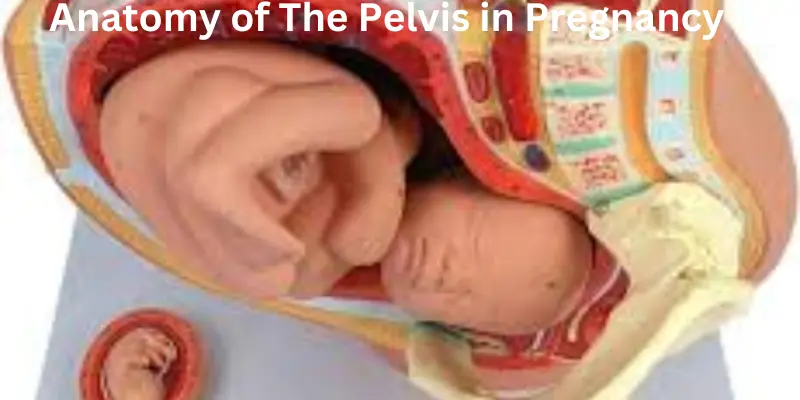
When studying pregnancy, much of the focus is placed on the uterus and foetal development. However, an equally important structure often receives less attention—the pelvis. Acting as both a support system and a passageway for birth, the pelvis plays a central role throughout pregnancy.
To fully understand the anatomy of the pelvis in pregnancy, it is essential to look beyond its static structure and examine how it adapts over time. The Pelvis as a Structural Foundation
The pelvis forms the base of the torso, connecting the spine to the lower limbs while supporting internal organs. In pregnancy, its role becomes more complex. It must:
- Support the increasing weight of the uterus
- Maintain balance as the body’s centre of gravity shifts
- Provide a pathway for the baby during childbirth
This combination of stability and flexibility makes the pelvis uniquely suited to its role in reproduction.Hormonal Influence and Increased Flexibility
One of the most important changes during pregnancy is the effect of hormones on the pelvic structure. Hormones such as relaxing increase ligament flexibility, particularly around the joints of the pelvis.
This leads to:
- Slight widening of the pelvic joints
- Increased mobility in the sacroiliac joints
- Greater flexibility in the pubic symphysis
These changes are subtle but essential. They allow the pelvis to adapt to the growing uterus and later facilitate the passage of the baby during delivery. Supporting the Growing Uterus
As the uterus expands, its weight is transferred downward into the pelvic region. The pelvis must absorb and distribute this load while maintaining structural integrity.
This results in:
- Increased pressure on the pelvic floor
- Adjustments in posture to maintain balance
- Engagement of surrounding muscles to support stability
The interaction between the pelvis and surrounding muscles becomes particularly important, as it helps prevent strain while accommodating growth. The Pelvic Inlet and Outlet in Childbirth
The pelvis is not just a supportive structure—it also acts as a passageway during labour. Two key areas are involved:
- Pelvic inlet: The upper opening through which the baby enters the pelvic cavity
- Pelvic outlet: The lower opening through which the baby exits during birth
The size, shape, and alignment of these areas influence how labor progresses. Understanding these dimensions is crucial for anticipating delivery outcomes and identifying potential complications. Foetal Movement Through the Pelvis
During the final stages of pregnancy and labor, the baby does not simply pass straight through the pelvis. Instead, it follows a series of movements known as the mechanism of labor.
These movements include:
- Engagement of the head into the pelvic inlet
- Rotation to align with the pelvic structure
- Gradual descent through the birth canal
Each step depends on the relationship between the foetus and the shape of the pelvis. This interaction highlights the importance of understanding pelvic anatomy in a dynamic context.Postural Changes and Their Impact
As pregnancy progresses, the body naturally adjusts posture to compensate for the growing abdomen. This often results in:
- Increased curvature of the lower spine
- Forward shift in body weight
- Greater reliance on pelvic stability
These postural changes place additional demands on the pelvis and surrounding muscles. Understanding this helps explain common discomforts experienced during pregnancy and emphasises the importance of structural support.The Pelvic Floor and Its Role
The pelvic floor is a group of muscles that sit at the base of the pelvis. During pregnancy, these muscles support the weight of the uterus and help maintain control of internal organs.
As pressure increases, the pelvic floor must:
- Provide continuous support
- Adapt to stretching and strain
- Prepare for the demands of childbirth
A strong and adaptable pelvic floor is essential for both pregnancy and recovery after delivery.Viewing the Pelvis as a Dynamic Structure
One of the most important insights in studying pregnancy is recognising that the pelvis is not rigid. It is a dynamic structure that responds to hormonal signals, mechanical pressure, and physiological change.
Rather than remaining fixed, it adjusts continuously to meet the demands of pregnancy and childbirth. This perspective helps learners understand not just the anatomy itself, but how it functions in real-life scenario.
Conclusion
The pelvis plays a vital yet often underappreciated role in pregnancy. From supporting the growing uterus to guiding the baby during childbirth, it is central to both structure and function.
By understanding how the pelvis adapts—through flexibility, movement, and interaction with other systems—learners gain a more complete view of pregnancy. This knowledge is essential for both academic study and practical application in healthcare settings.
Please Write Your Comments