How Temporary Protection Improves Safety and Compliance on Construction Sites
Updated: 21-Mar-2026
259
Introduction
Construction sites are dynamic environments with many moving parts. From workers handling heavy equipment to contractors navigating unfinished structures, the potential for accidents is high. Safety is therefore a top priority, not only to protect workers but also to ensure that projects comply with legal and regulatory requirements. One often overlooked but highly effective method for enhancing safety and compliance on construction sites is temporary protection. Temporary protection refers to measures that safeguard surfaces, structures and equipment during construction or renovation. This article explores how temporary protection contributes to safety, promotes compliance and adds value to construction projects in Australia.
What is Temporary Protection
Temporary protection encompasses a wide range of materials and methods used to shield parts of a construction site from damage and reduce hazards. Common examples include floor protection sheets, door coverings, wall guards, scaffolding protection, and barriers around hazardous areas. The purpose of these measures is twofold. First, they protect finished or partially finished surfaces from scratches, stains, impacts, and moisture. Second, they reduce the risk of injury by preventing slips, trips, falls and accidental contact with sharp or unstable surfaces.
In Australia, temporary protection is particularly important in high traffic areas, during refurbishment works, and on projects with multiple contractors operating simultaneously. By providing a controlled and safer environment, temporary protection can help sites meet occupational health and safety requirements and reduce the likelihood of accidents and delays.
Enhancing Worker Safety
Worker safety is the primary reason to implement temporary protection on construction sites. Floors, stairs and walkways are particularly vulnerable areas. Construction sites often have debris, dust and uneven surfaces that can cause slips and trips. Using temporary floor coverings such as heavy duty protective sheets or interlocking mats ensures that workers have a secure surface to walk on. This is particularly important in wet or high traffic conditions where falls can be serious.
Door and wall protection is also essential in areas where heavy equipment or materials are being moved. Protective panels, foam guards and plastic sheeting prevent accidental collisions that could cause injury or damage to structures. By clearly marking protected zones, workers are guided through safer pathways and can avoid areas where hazards are present.
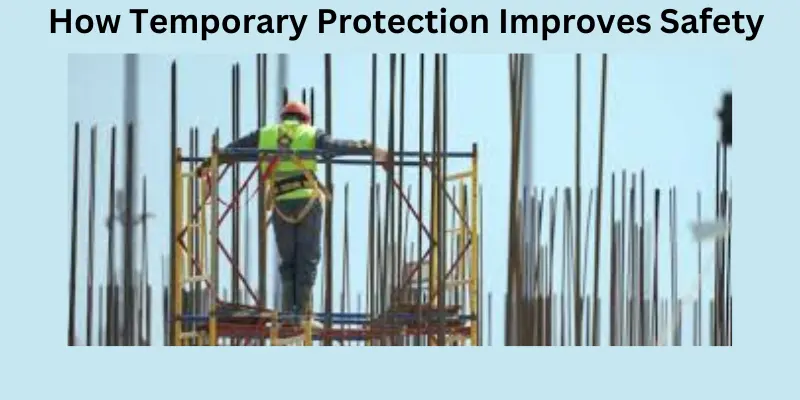
Scaffolding protection is another critical safety measure. Temporary barriers or netting around scaffolding not only prevent tools and debris from falling but also act as a visual and physical guide to keep workers safe while moving at height. This reduces the risk of serious injuries and demonstrates that the site is actively managing hazards.
Supporting Compliance with Regulations
Construction in Australia is governed by strict health and safety laws, including the Work Health and Safety Act and associated regulations. Sites are required to implement risk management strategies that protect workers and the public. Temporary protection is an important component of compliance because it demonstrates that hazards have been identified and mitigated.
Regulatory authorities may inspect construction sites to ensure that proper protective measures are in place. Using temporary protection can help sites meet compliance standards by showing that floors, walls, doors and walkways are safe and that the risk of accidents has been minimised. This not only protects workers but also protects site managers and contractors from potential fines, legal action or project delays resulting from unsafe conditions.
In addition to safety laws, compliance with insurance requirements is often necessary. Many insurance policies mandate that contractors take reasonable steps to prevent damage to property and injury to workers. Temporary protection satisfies this requirement by reducing the likelihood of costly accidents and structural damage, ultimately lowering insurance risks and claims.
Preventing Damage to Finished Work
Another significant benefit of temporary protection is the prevention of damage to completed or partially completed work. Construction sites often involve multiple trades working in sequence, such as carpenters, painters, electricians and plumbers. Without protection, floors, walls and fittings can be damaged during installation or movement of materials. Scratches, dents, stains and moisture damage are not only costly to repair but can also cause project delays and disputes between contractors.
Temporary protection materials such as plyboard sheets, plastic coverings, coreflute panels and foam guards act as a shield against these risks. For example, laying protective sheets on newly installed floors ensures that paint spills, dropped tools and foot traffic do not leave permanent marks. Similarly, door and wall guards prevent scuffs and impacts that could require refinishing. By preserving the quality of finished work, temporary protection reduces rework, saves costs and maintains project timelines.
Promoting Efficient Workflows
Temporary protection also contributes to efficiency on construction sites. By clearly delineating safe zones and protecting surfaces, workers can move freely without constantly worrying about causing damage or injury. This reduces interruptions and allows trades to focus on their tasks.
For example, when protective floor coverings are installed in high traffic areas, workers do not need to take extra precautions or limit movement. Tools and equipment can be transported safely without fear of damaging surfaces. This streamlined workflow leads to faster completion of tasks and can help contractors stay on schedule.
Moreover, temporary protection can facilitate the coordination of multiple trades working simultaneously. Protective barriers and coverings create distinct zones that prevent overlap and confusion, reducing the potential for accidents or delays. This level of organisation enhances site management and ensures that all teams can operate safely and efficiently.
Cost Benefits
While there is an upfront cost associated with purchasing and installing temporary protection, it is often outweighed by the savings it generates. Preventing damage to floors, walls, doors, windows and fittings reduces the need for costly repairs and replacements. Avoiding accidents also prevents potential medical expenses, legal claims and project delays.
In addition, temporary protection can extend the life of building materials. By shielding surfaces from moisture, dust and impact, it ensures that finishes remain intact until the project is complete. This is especially valuable in long term projects or sites where high quality finishes are required.
Investing in temporary protection is therefore not just a safety measure; it is a financial strategy that protects both the project and the people working on it.
Types of Temporary Protection
There are various materials and systems used for temporary protection on construction sites. These include:
- Floor protection sheets and mats to prevent slips and damage to finished flooring
- Door and wall guards to protect high traffic areas from impact and scratches
- Barrier systems to restrict access to hazardous zones and manage traffic flow
- Scaffolding nets and covers to protect workers and materials at height
- Coreflute panels for lightweight and water resistant protection of surfaces
- Foam and plastic guards for edges, corners and protrusions
Choosing the appropriate type of temporary protection depends on the specific risks and requirements of the project. A thorough site assessment ensures that all hazards are addressed effectively.
Conclusion
Temporary protection is an essential component of safety and compliance on construction sites. By protecting workers from slips, trips, falls and impacts, it directly reduces the risk of injury. By shielding finished or partially finished work, it prevents costly damage and rework. Temporary protection also demonstrates that a site is compliant with Australian health and safety regulations and insurance requirements.
Beyond safety and compliance, temporary protection enhances efficiency and workflow, allowing multiple trades to operate in a controlled environment. While there is a cost involved, the savings in repairs, insurance claims and project delays make it a worthwhile investment.
In short, temporary protection improves safety, supports compliance and protects project investments. For contractors, builders and site managers in Australia, incorporating temporary protection into every project is a smart strategy that benefits workers, clients and the overall success of construction projects.
Please Write Your Comments