From Hard Hats to White Cards: Building a Complete Safety Foundation on Australian Construction Sites
Updated: 24-Aug-2026
66
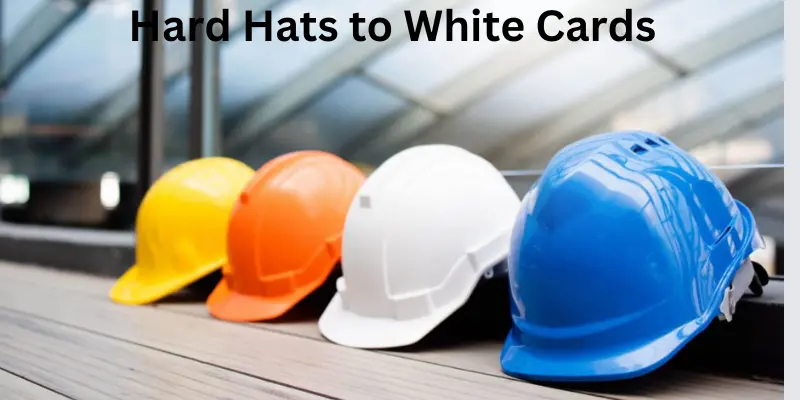
Walk onto any building site in Sydney, Melbourne or Perth and the first thing you’ll notice is the gear. Hard hats. High-vis vests. Steel-cap boots. It’s the uniform of the trade, and for good reason. But spend a bit more time around a working crew and you’ll notice something less obvious. The experienced hands move differently. They scan the site before they start. They know where the crane swings and where the trench edges sit. That awareness didn’t come from a vest or a pair of gloves. It came from training.
This is the part a lot of new workers miss. Personal protective equipment keeps your body safe from the hazards you can see. Proper induction training keeps you safe from the ones you can’t, at least not until someone points them out. Australian construction sites need both layers working together, not one propping up the other. Skip either and you’re leaving a gap that eventually gets tested.
Why Australian Building Sites Carry Real Risk
Construction remains one of the more dangerous industries to work in across Australia, and it’s not close. Falls from height, being struck by moving plant, electrocution, and manual handling injuries account for a large share of workplace incidents reported to state WHS regulators every year. Add in the physical nature of the work, the shifting layout of an active site, and the number of different trades often working in the same space at once, and you’ve got an environment where a small lapse in attention can turn serious fast.
Work health and safety laws exist because of this. Every state has its own regulator, SafeWork NSW, WorkSafe Victoria, WorkSafe Queensland and so on, but the underlying logic is the same everywhere. Employers have to identify hazards, control them where possible, and make sure the people on site actually understand what they’re walking into. That last part is where training earns its keep.
The Physical Layer: PPE Workers Rely On Every Day
Personal protective equipment is the most visible part of construction safety, and it’s usually the first thing employers sort out before anyone sets foot on site.
Head and Eye Protection
A hard hat is non-negotiable on almost every Australian site, and for obvious reasons. Falling tools, low clearances, and overhead work all make head protection one of the most basic requirements going. Safety glasses or goggles matter more than most people expect too, especially around cutting, grinding, or anywhere dust and debris are flying around.
Hands, Feet and Body Protection
Gloves get swapped depending on the task. A carpenter handling timber needs something different from an electrician working near live circuits or a labourer moving masonry. Steel-cap boots are standard across almost every role on a construction site, protecting against crush injuries and punctures from nails, offcuts, and general site debris. High-vis clothing rounds this layer out, and it does more than tick a compliance box. On a site with reversing trucks, excavators, and forklifts moving constantly, being seen is genuinely lifesaving.
Hearing and Respiratory Protection
Power tools, generators, and heavy machinery push noise levels well past safe thresholds without anyone really noticing until the damage is done. Hearing protection isn’t optional on most sites for this reason. Dust masks and respirators matter just as much, particularly for anyone cutting concrete, sanding, or working with materials that release fine particulates. Long-term exposure to silica dust in particular has become a much bigger focus for regulators across Australia in recent years, and rightly so.
The Knowledge Layer: Why Training Matters as Much as Gear
None of this equipment does much good if the person wearing it doesn’t understand why it matters or how the site actually operates. This is where training steps in, and it’s honestly the part that gets underestimated the most by people new to the industry.
Good induction training teaches you to read a site. It’s the difference between walking past an unmarked excavation and stopping to ask who’s responsible for it. It’s knowing what a exclusion zone actually means in practice, not just as a term someone mentioned once. Gear reacts to a hazard that’s already happened. Training helps you spot it before it does.
Getting Your White Card: The First Step Onto Any Australian Building Site
Before any of the PPE conversation matters, there’s a legal step that comes first. Anyone doing construction work in Australia needs to hold a general construction induction card, better known across the industry simply as a white card. It’s a nationally recognised qualification, formally called CPCWHS1001 Prepare to Work Safely in the Construction Industry, and it’s not optional. Turn up to a site without one and you won’t be allowed on it, regardless of how experienced you are or what gear you’re carrying.
The course covers the fundamentals every worker needs before stepping onto a site for the first time. That includes recognising common hazards, understanding your legal rights and responsibilities under WHS law, knowing how incidents get reported, and getting a working grasp of the roles different people play on a site, from supervisors to safety officers. It’s not a long course, usually completed in a single day, but the content sticks with you because it shapes how you think about risk from day one.
For anyone getting started in the trade or moving into construction from another industry, sorting this out early makes everything else easier. There are a number of registered training organisations offering white card courses in Australia, both online and face to face, depending on your state and how quickly you need it done. Getting it out of the way before you start job hunting means one less thing standing between you and your first day on site.
Bringing PPE and Training Together on Site
The best crews treat gear and training as one system rather than two separate boxes to tick. A worker who understands why a hazard exists is far more likely to actually wear their PPE correctly and consistently, rather than treating it as an inconvenience or something to put on only when the supervisor’s watching. Toolbox talks, the short safety briefings held before a shift or a specific task, are where this usually comes together in practice. A five minute conversation about what’s changed on site that day, paired with the right gear already on, does more for safety than either element could manage alone.
Employers carry responsibility here too. Supplying PPE is only half the job. Making sure it fits properly, gets replaced when it’s worn out, and actually matches the task at hand takes ongoing attention, not a one-off purchase order.
Practical Tips for New Workers and Employers
A few habits go a long way toward keeping a site genuinely safe rather than just technically compliant.
- Check PPE before every shift, not just when it looks obviously damaged
- Ask questions about anything on site you don’t understand, hesitation costs more than a five second question ever will
- Keep your white card and any other certifications accessible, some sites will ask to see them
- Report near misses, not just actual injuries, since patterns often show up before someone gets hurt
- Rotate and replace hearing and respiratory protection according to manufacturer guidance rather than waiting until it’s visibly worn out
- Attend toolbox talks properly rather than treating them as a formality
Building a Safety-First Culture
Safety on a construction site was never really about any single piece of equipment or any one course. It’s the combination, the hard hat and the hazard awareness, the steel-cap boots and the understanding of why the exclusion zone is there in the first place. Workers who take both seriously tend to last longer in the trade, and sites that build a genuine culture around both layers tend to have fewer bad days.
Whether you’re just starting out or you’ve been swinging a hammer for twenty years, it’s worth treating your safety foundation as something you keep building, not something you finish once and forget about.
Frequently Asked Questions
What PPE is required on an Australian construction site? Requirements vary by task and site, but common baseline items include a hard hat, high-vis clothing, steel-cap boots, safety glasses, and hearing protection. Additional items like respirators or specific gloves depend on the work being carried out.
Do I need a white card before I can wear PPE on site? Yes. The white card is a legal requirement to be on an Australian construction site at all, separate from whatever PPE you’re wearing. Sites will generally check for it before letting anyone start work.
How long does a white card last? A white card doesn’t expire once issued, though some states have introduced refresher requirements or additional checks over time, so it’s worth confirming current rules with your state’s WHS regulator.
Can I complete a white card course online? Parts of the course can often be completed online depending on the provider and your state, though some jurisdictions still require a face to face component before the card is issued.
Please Write Your Comments