Foundation Cracks: When Should Homeowners Be Concerned?
Updated: 4-May-2026
94
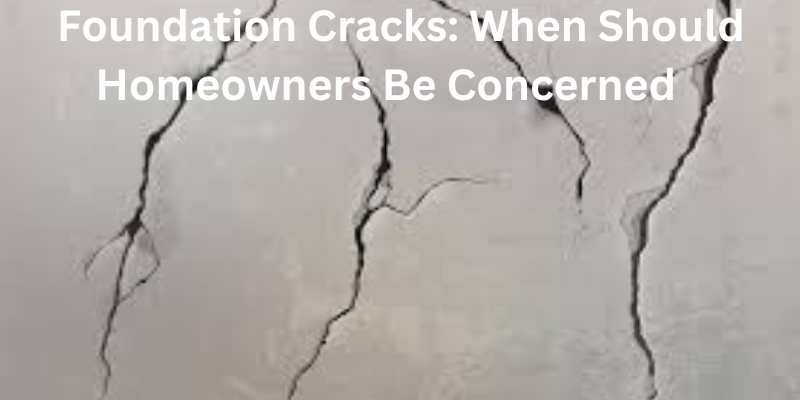
A home’s foundation is one of the most important parts of the entire structure. It supports the walls, floors, roof, masonry, chimney, and everything built above it. When the foundation is strong and stable, the home remains safe, level, and structurally sound. But when cracks begin to appear, many homeowners naturally start to worry.
Not every foundation crack means the home is in danger. Some small cracks can be caused by normal settling, concrete shrinkage, or minor seasonal movement. However, other cracks can point to serious structural problems, water damage, soil pressure, or foundation movement. Knowing the difference between minor cracks and warning signs can help homeowners avoid costly repairs and protect the long-term value of their property.
Foundation cracks should never be ignored, especially if they are growing, leaking, widening, or appearing alongside other structural symptoms. In many cases, early inspection and repair can prevent a small issue from becoming a major foundation problem.
Why Foundation Cracks Happen
Foundation cracks can happen for several reasons. Some are related to natural settling, while others are caused by moisture, drainage problems, soil movement, or poor construction. Understanding the cause of the crack is just as important as repairing the visible damage.
Common causes of foundation cracks include:
- Poor soil compaction before construction
- Natural settling of the home
- Heavy rain and poor drainage
- Water pressure against basement walls
- Freeze-and-thaw cycles
- Tree roots near the foundation
- Expansive soil that swells and shrinks
- Poor grading around the property
- Plumbing leaks under or near the foundation
- Weak or aging concrete
- Improper foundation installation
When soil around the home becomes too wet, it can expand and push against the foundation. When soil becomes too dry, it can shrink and leave gaps beneath the foundation. Over time, this movement can cause cracks, shifting, sinking, or bowing walls.
This is why homeowners should not only look at the crack itself. They should also consider drainage, landscaping, gutters, downspouts, basement moisture, and changes inside the home.
Small Hairline Foundation Cracks
Hairline cracks are thin cracks that are usually less than 1/8 inch wide. These often appear in poured concrete foundations as the concrete cures and shrinks. In many cases, small hairline cracks are not immediately dangerous.
However, even small cracks should be monitored. If a hairline crack grows wider, spreads across the wall, begins leaking water, or appears in several areas, it may need professional attention.
Hairline cracks are usually less concerning when they are:
- Very thin
- Not leaking water
- Not growing over time
- Vertical or slightly diagonal
- Limited to one small area
- Not accompanied by wall movement
Homeowners can mark the ends of a crack with a pencil and date it, then check it again over the next few months. If the crack changes, it is time to call a professional.
Even when a crack looks minor, water can still enter through small openings. If the basement becomes damp after rain, foundation crack repair may be needed to seal the opening and prevent moisture from spreading.
Vertical Foundation Cracks
Vertical cracks are among the most common types of foundation cracks. They usually run up and down the wall and are often caused by normal settling or concrete shrinkage. In many situations, vertical cracks are easier to repair than other types.
However, vertical cracks should still be inspected if they are wide, leaking, or expanding. A vertical crack that allows water into the basement may not be structurally serious at first, but it can lead to mold, dampness, damaged finishes, and future concrete deterioration.
Vertical cracks may be more concerning when:
- They are wider than 1/8 inch
- Water enters through them
- They continue to grow
- They appear in multiple areas
- The wall around the crack is uneven
- The crack reaches from floor to ceiling
- If the crack is stable and not caused by major movement, it can often be sealed professionally. But if the crack is connected to settlement or drainage problems, the underlying issue must also be corrected.
Diagonal Foundation Cracks
Diagonal cracks usually run at an angle across the foundation wall. These cracks can happen when one part of the foundation settles more than another. This type of movement is called differential settlement, and it can be more serious than normal settling.
Diagonal cracks often appear near corners, windows, doors, or basement openings. They may start small but widen over time if the soil beneath the home continues to move.
Diagonal cracks can be caused by:
- Uneven soil settlement
- Poor drainage near one side of the home
- Tree roots removing moisture from soil
- Soil erosion
- Weak foundation support
- Expansion and contraction of surrounding soil
A diagonal crack that is wider at one end than the other may indicate movement. Homeowners should pay close attention to cracks that keep growing or appear alongside sticking doors, uneven floors, or gaps around windows.
In these cases, it is wise to contact experienced foundation repair contractors for a proper inspection.
Stair-Step Cracks in Brick or Block Foundations
Stair-step cracks are one of the most important warning signs homeowners should recognize. These cracks follow the mortar joints in a stair-like pattern, usually in brick, block, or masonry foundation walls.
Stair-step cracks are often caused by foundation movement, settlement, or soil pressure. They may also appear on exterior brick walls when the foundation below has shifted.
Signs stair-step cracks may be serious include:
- Cracks wider than 1/4 inch
- Cracks that continue to spread
- Loose or separated blocks
- Bulging masonry walls
- Water entering through the cracks
- Cracks appearing near corners
- Doors or windows becoming difficult to open
Because stair-step cracks often involve masonry movement, simple surface patching is not enough. The wall may need structural evaluation, repointing, reinforcement, waterproofing, or foundation stabilization.
Homeowners should never ignore stair-step cracks, especially if they are growing or visible both inside and outside the home.
Horizontal Foundation Cracks
Horizontal cracks are usually more concerning than vertical or hairline cracks. A horizontal crack often means that pressure from the soil outside is pushing against the foundation wall. This is common in basement walls, especially when drainage is poor or water builds up around the foundation.
When soil becomes saturated with water, it becomes heavy and creates hydrostatic pressure. This pressure can push basement walls inward, causing horizontal cracks, bowing, or wall movement.
Horizontal foundation cracks may be caused by:
- Poor exterior drainage
- Clogged or broken gutters
- Short downspouts
- Heavy clay soil
- Frost pressure
- Water pressure against basement walls
- Improper backfilling during construction
A horizontal crack can be a sign that the wall is under stress. If the wall is bowing, leaning, or moving inward, the issue should be handled quickly. Waiting too long can increase the risk of structural failure.
This is one of the clearest situations where homeowners should contact a structural foundation repair specialist rather than relying on DIY patching.
Foundation Cracks That Leak Water
Any foundation crack that leaks water should be taken seriously. Even if the crack is not structurally dangerous at first, water intrusion can lead to bigger problems over time.
Water entering through foundation cracks can cause:
Basement dampness
Mold and mildew growth
Musty odors
Damaged flooring and drywall
Rust on appliances or supports
Efflorescence on concrete walls
Wood rot near framing
Worsening cracks during freeze-thaw cycles
If water enters the basement after heavy rain, the home may have drainage problems as well as foundation cracks. Repairing the crack is important, but the source of the water must also be addressed.
Common solutions may include crack injection, exterior waterproofing, interior drainage systems, sump pump installation, grading correction, gutter repairs, and downspout extensions.
A professional inspection can determine whether the issue needs simple sealing or a more complete waterproofing and foundation repair plan.
Cracks Around Windows and Doors
Cracks near windows and doors can sometimes indicate foundation movement. When the foundation shifts, the frame of the home can move slightly, creating stress around openings.
Homeowners should watch for:
- Cracks above door frames
- Cracks around basement windows
- Gaps between walls and trim
- Doors that stick or swing open
- Windows that become hard to close
- Uneven gaps around frames
- Cracks running from corners of windows
These signs do not always mean the foundation is failing, but they do suggest that movement may be affecting the structure. If cracks around doors and windows appear along with foundation cracks, an inspection is recommended.
Sinking or Settling Foundations
A sinking foundation is one of the more serious structural problems a home can experience. Foundation settlement happens when the soil beneath the home can no longer properly support the structure. As part of the foundation sinks, cracks may appear inside and outside the home.
Signs of a sinking foundation include:
- Uneven floors
- Sloping rooms
- Cracks in walls or ceilings
- Gaps between walls and floors
- Exterior brick cracks
- Separation around garage doors
- Chimney pulling away from the house
- Doors and windows sticking
Settlement can continue if the soil problem is not corrected. Depending on the cause, repairs may involve underpinning, pier installation, soil stabilization, drainage improvement, or structural reinforcement.
Homeowners should not wait until the damage becomes severe. The earlier settlement is identified, the better the chance of controlling repair costs.
Bowing or Leaning Basement Walls
Bowing basement walls are a serious warning sign. If a wall appears to curve inward, lean, or separate from other walls, it may be under excessive pressure from outside soil and water.
This often happens when drainage around the home is poor. Water collects in the soil, creating pressure that pushes against the foundation. Over time, this pressure can crack and move the wall.
Warning signs include:
- Horizontal cracks
- Walls curving inward
- Gaps between the wall and floor
- Separation at corners
- Water stains
- Crumbling concrete or block
- Visible movement after heavy rain
Bowing walls usually require professional structural repair. Depending on the severity, solutions may include wall anchors, carbon fiber reinforcement, steel supports, waterproofing, or partial rebuilding.
This is not a cosmetic problem. A bowing foundation wall should be inspected as soon as possible.
When Are Foundation Cracks Not an Emergency?
Some foundation cracks are not emergencies. Small, stable hairline cracks that are not leaking and not growing may simply be monitored. Minor vertical cracks in poured concrete walls are often repairable without major structural work.
A foundation crack may be less urgent when:
- It is very thin
- It is not leaking
- It has not changed over time
- There are no signs of wall movement
- Doors and windows still work normally
- Floors remain level
- There are no matching exterior cracks
Still, “not an emergency” does not mean “ignore it forever.” Even minor cracks should be checked periodically and sealed if they allow moisture into the home.
When Should Homeowners Call a Foundation Repair Contractor?
Homeowners should call a foundation expert whenever a crack looks unusual, continues to grow, leaks water, or appears with other structural signs. A professional can inspect the crack, identify the cause, and recommend the right repair.
Call a contractor if you notice:
- Horizontal cracks
- Stair-step cracks
- Cracks wider than 1/4 inch
- Water entering through cracks
- Bowing or leaning walls
- Cracks that keep growing
- Uneven or sloping floors
- Doors and windows sticking
- Gaps around frames or trim
- Chimney separation
- Cracks visible inside and outside
A professional foundation inspection helps determine whether the issue is cosmetic, moisture-related, or structural. This prevents homeowners from wasting money on temporary patches that do not solve the real problem.
Why DIY Foundation Crack Repair Can Be Risky
Many homeowners are tempted to fill foundation cracks themselves with store-bought sealants or patching materials. While this may temporarily improve the appearance, it does not always fix the cause.
DIY repairs can be risky because:
- They may hide serious movement
- They often fail when water pressure returns
- They do not correct drainage problems
- They may use the wrong material
- They can delay needed structural repairs
- They may make future inspections harder
Foundation cracks are symptoms. The real issue may be water pressure, soil movement, settlement, or structural stress. Without identifying the cause, the crack may return or worsen.
For long-term protection, homeowners should rely on professional diagnosis and proper repair methods.
How Foundation Cracks Are Repaired
The right repair depends on the type of crack, the cause, and the condition of the foundation. There is no one-size-fits-all solution.
Common foundation crack repair methods include:
- Epoxy crack injection
- Polyurethane crack injection
- Exterior waterproofing
- Interior drainage systems
- Sump pump installation
- Wall anchors
- Carbon fiber wall reinforcement
- Steel beam reinforcement
- Pier systems
- Underpinning
- Masonry repointing
- Block replacement
- Grading and drainage correction
For non-structural cracks, sealing may be enough. For structural movement, reinforcement or stabilization may be required. For water-related cracks, waterproofing and drainage improvements may be needed alongside crack repair.
How to Prevent Foundation Cracks from Getting Worse
While not every foundation crack can be prevented, homeowners can reduce the risk by managing water around the property.
Helpful prevention tips include:
- Keep gutters clean
- Extend downspouts away from the foundation
- Slope soil away from the house
- Avoid water pooling near basement walls
- Repair plumbing leaks quickly
- Keep large trees away from the foundation
- Monitor cracks over time
- Seal small cracks before water enters
- Maintain proper drainage around patios and driveways
- Schedule inspections after major storms
Water management is one of the most important parts of foundation protection. Many foundation problems begin when water is allowed to collect around the home.
Final Thoughts
Foundation cracks can be minor, serious, or somewhere in between. The key is knowing which warning signs matter. Small hairline cracks may simply need monitoring, but horizontal cracks, stair-step cracks, leaking cracks, bowing walls, sinking foundations, and widening gaps should never be ignored.
For homeowners, the safest approach is to act early. A professional inspection can determine whether the crack is cosmetic, moisture-related, or structural. Early repair can help protect the home, prevent water damage, and avoid more expensive structural repairs later.
If you notice foundation cracks around your home, especially cracks that are growing, leaking, or affecting walls, floors, doors, or windows, it is time to contact experienced foundation repair contractors. With the right solution, homeowners can restore stability, prevent further damage, and protect the long-term value of their property.
Please Write Your Comments