Fire Extinguisher Maintenance: The Safety Habit Every Workplace Overlooks
Updated: 13-Aug-2026
116
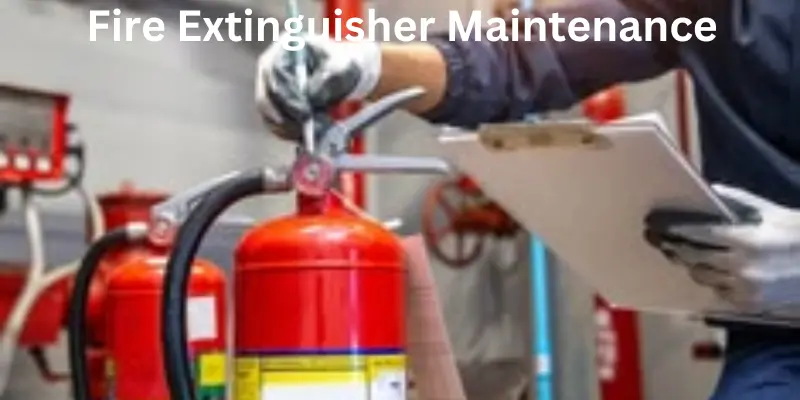
A fire extinguisher is one of the few pieces of safety equipment you buy hoping never to use. That mindset is exactly why so many extinguishers fail when the moment finally arrives. Mounted on a wall, gathering dust, they quietly lose pressure, corrode, or drift out of certification—turning a life-saving tool into a red decoration. Keeping extinguishers reliable isn’t complicated, but it does require a consistent maintenance rhythm that too many businesses skip.
Why Maintenance Matters More Than Purchase
Buying the right extinguisher is only the first step. Pressure gauges can fall out of range, seals degrade, powder inside dry-chemical units can cake and settle, and physical damage can compromise the cylinder. An extinguisher that looks fine on the outside may be completely unusable inside. Regular checks catch these problems early, well before an emergency exposes them. For workplaces, maintenance is also a compliance issue—fire codes and insurance policies often require documented servicing, and a lapse can carry real liability.
The Three Layers of Inspection
Effective extinguisher care works on three tiers. The first is the monthly visual check, which anyone on staff can perform: confirm the unit is in its designated spot, the gauge needle sits in the green zone, the pin and tamper seal are intact, and there’s no visible corrosion or damage.
The second is the annual professional inspection, a hands-on maintenance service performed by a certified technician who examines internal components and recertifies the unit. If you’re unsure how frequently your equipment needs attention, this guide on how often fire extinguishers should be inspected breaks down the schedule by extinguisher type and setting.
The third layer is hydrostatic testing, a pressure test of the cylinder itself performed every five to twelve years depending on the model. This step verifies the tank can safely hold pressure and hasn’t weakened over time. Because it requires specialized equipment, it’s handled by licensed providers—you can read more about what hydrostatic testing involves and why it’s non-negotiable for older cylinders.
Building a Simple System
The businesses that stay protected treat extinguisher upkeep like any other recurring task. Tag each unit with its inspection date, keep a log near the extinguisher or in a shared file, and set calendar reminders for monthly walkthroughs. Assign one person to own the process so responsibility never falls through the cracks. When an extinguisher is discharged—even partially—recharge or replace it immediately rather than returning it to the wall.
The Bottom Line
Fire extinguishers reward the boring discipline of routine care. A thirty-second monthly glance, a yearly professional service, and periodic pressure testing are all it takes to keep them ready. That small investment of attention is the difference between a contained incident and a catastrophic one. Don’t wait for a fire to discover your equipment isn’t up to the job—maintenance is the cheapest insurance you’ll ever buy.
Please Write Your Comments