Exterior Shiplap Siding Panels: Installation Tips for a Clean Finish
Updated: 17-Aug-2026
54
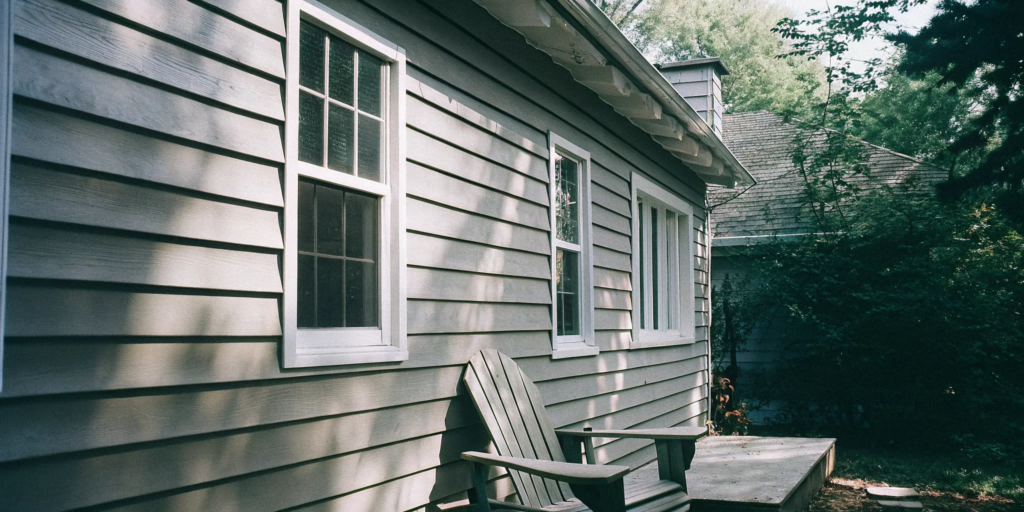
While shiplap siding has been a staple of American architecture for some time, today’s exterior shiplap panels are made of composite materials designed to last longer than wood boards.
If you’ve decided to install exterior shiplap siding panels on your home, getting the job done right will determine whether it’s professional. So, here’s what you need to know.
What Are Exterior Shiplap Siding Panels?
As the name suggests, exterior shiplap siding panels are boards that are laid horizontally or vertically on top of each other to create a unique look. Today, most shiplap siding panels are made of wood-plastic composite (WPC) rather than solid wood.
Why Choose Exterior Shiplap Siding Panels

- Old-fashioned style with improved durability: Looks like shiplap without the maintenance of wood.
- Durable in a variety of weather conditions: Composite material performs well in rain, humidity, and temperature changes.
- Low maintenance: No painting or varnishing is required to maintain shiplap’s beauty.
- Eco-friendly materials: Composite shiplap panels often contain recycled materials.
Benefits
- Long-lasting material with less maintenance than traditional wood siding.
- Being synthetic, all shiplap panels have a similar color and texture.
- Available in a variety of finishes to match the style of the building.
- It can be installed horizontally or vertically, depending on personal preference.
Drawbacks
- Material costs are higher than regular vinyl siding.
- Requires trim pieces (e.g., L-corners) to achieve a complete look.
- Minimum order quantities are required due to the manufacturing process.
- Installation issues can result in gaps and uneven shadow lines.
Installation Tips for a Clean Finish
- Plan your design before installation. Measure your total space and determine how many planks you need for the installation based on the minimum requirements.
- Start with a parallel line. Use a chalk line or level when installing the first layer of siding, as any slope in the row below will affect the other rows.
- Leave an even overlap. Evenly spaced lines create the unique look of shiplap; use spacers or jigs to ensure consistent overlap between planks.
- Pre-drill in cold weather. Cold weather can make composite materials brittle, increasing their tendency to crack near edges; therefore, pre-drilling for screws can help prevent this problem.
- Use matching corner trim. Instead of installing siding side by side, consider using factory-matched L-corner trim at the corners for a better aesthetic. Leave a gap for expansion. Composite materials expand and contract with temperature changes; therefore, you should leave adequate expansion gaps at your joints and trim joints.
- Install from top to bottom for ease of repair. When adjusting after a few days, installing from the top down will not damage other installed planks.
Maintenance Tips
- Clean the siding with a garden hose from time to time to remove dirt and debris.
- Do not pressure wash too close to the siding, as this can damage its finish.
- Inspect the siding trim and joints once a year, especially during adverse conditions.
- Replace or repair damaged boards immediately to prevent moisture from building up behind the siding.
Cost Considerations
Exterior shiplap siding panels are usually sold as slats, with a minimum order quantity (usually a dozen). The total cost will depend on the wall area and additional trim to cover corners and edges. To avoid disappointment, it is best to see a sample first before ordering a large quantity.
Common Mistakes to Avoid
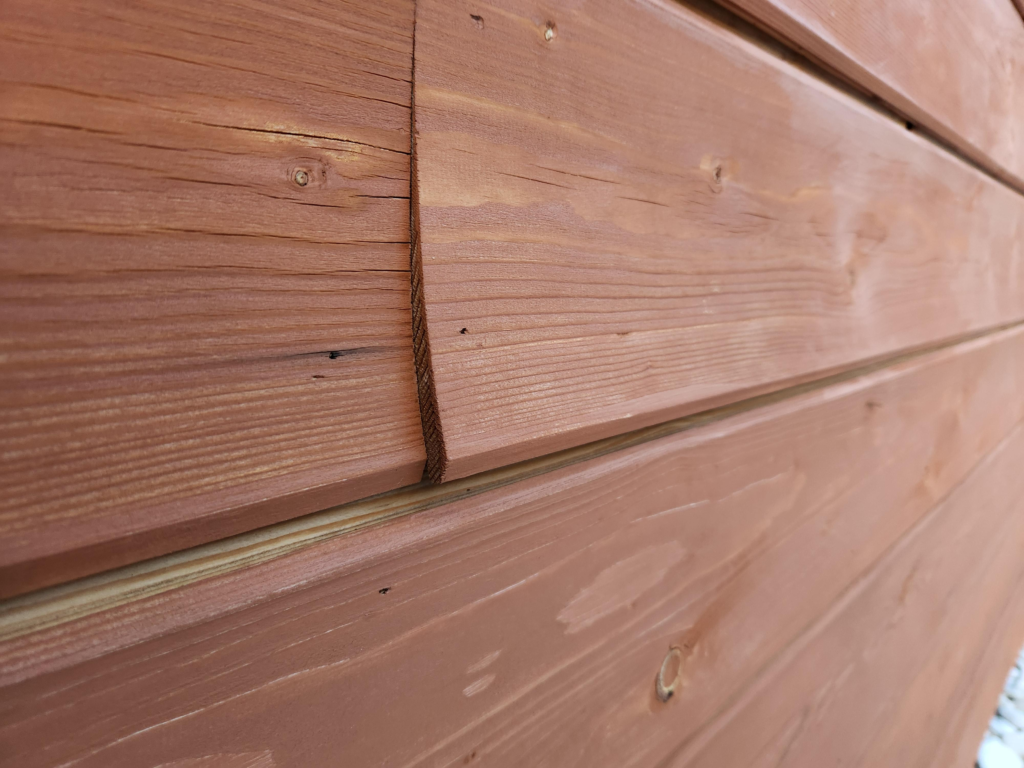
- Skipping the layout and starter line process results in an uneven first layer and damage to the entire wall.
- Ignoring expansion joints, which can eventually warp the wall as the material expands and contracts.
- Failing to order the appropriate corner trim results in your wall corners looking unfinished.
- Laying the material directly on the ground or in water reduces its effectiveness.
Who Should Buy Exterior Shiplap Siding Panels?
This siding is ideal for homeowners who want to modernize their home exterior with shiplap siding but don’t want the hassle of frequent maintenance; for builders working on new construction sites where durability is paramount; and for DIY enthusiasts who have some experience with simple hand tools and can take on a siding project that takes a weekend or up to a week.
Why Buy from USA Builders Depot
USA Builders Depot offers shiplap exterior siding panels in Black/Charcoal, Brown Teak, and Walnut Dark, made from high-quality WPC composite materials. Matching L-corner trim will help you finish the installation perfectly. Samples can be purchased in advance. Most deliveries take one week, and the company has a Trustpilot rating of 4.8/5.
FAQ
What are exterior shiplap siding panels made of?
Nowadays, the most common material for shiplap siding is wood-plastic composite (WPC), which combines wood fibers with plastic for improved durability.
Can I install shiplap siding myself?
Yes, shiplap panels can be installed with minimal effort; they’re easy to install yourself with the right tools.
Do I need special trim for corners?
Yes, you should use L-corner trim, just like shiplap siding, to get a neat installation at the corners.
How long does composite shiplap siding last?
Composite shiplap siding is very durable and requires virtually no maintenance.
Should I leave gaps between boards?
Yes, the manufacturer’s recommended expansion gap will help prevent warping caused by the composite material’s expansion and contraction due to temperature changes.
What colors are available?
Common finishes include dark finishes like black/charcoal and walnut, as well as warm finishes like brown teak.
Is there a minimum order quantity?
Yes, most slat suppliers have a minimum purchase requirement for slats.
How do I clean shiplap siding panels?
Rinse with water from your garden hose. Pressure washing too closely can damage the surface.
Conclusion
Using exterior shiplap siding panels gives you the classic shadow-line look of shiplap without the maintenance hassle of natural wood. The secret to a perfect installation is paying attention to the details, such as a straight starting line, even overlap, proper expansion joints, and matching corner trim.
If you do it right, you can enjoy the extraordinary beauty of your synthetic shiplap siding for many years to come.
Please Write Your Comments