Electrical Safety at Home and Work: When PPE Helps and When You Need a Professional Electrician
Updated: 4-Jul-2026
228
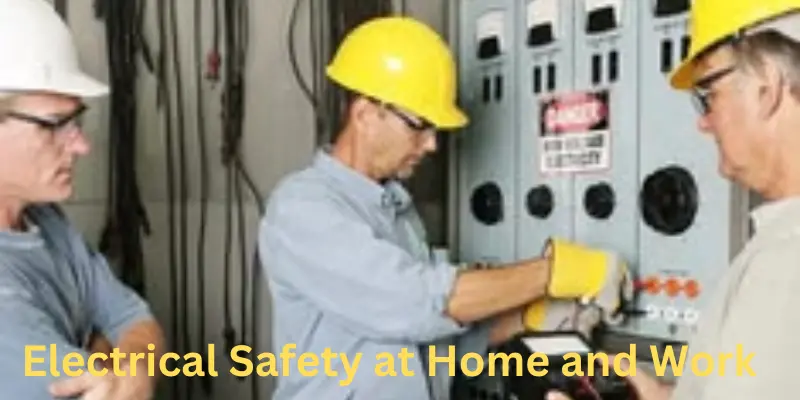
The electrical system is one of those parts of your home or work, that is hardly paid enough attention until something goes wrong.
At home, a loose outlet or flickering light may look like a small annoyance. At work, a buzzing panel or overloaded extension cord may get ignored because everyone is busy. But electrical problems rarely improve by themselves. They usually get warmer, looser, weaker, more stressed, and more dangerous over time.
PPE has a real place in electrical safety. Gloves, eye protection, insulated tools, non-conductive footwear, face shields and flame-resistant clothing can all help reduce exposure when there is a known hazard.Good PPE can prevent burns, cuts, shocks, and eye injuries during minor tasks or controlled work. But PPE is not a magic shield. It does not repair a bad circuit, stop a hidden fault, replace proper wiring, or make an unsafe panel safe.
That difference matters. Many people confuse “being careful” with “being qualified.” The two are not the same. A careful homeowner may know enough to turn off a breaker before replacing a light bulb or resetting a GFCI outlet. A trained electrician knows how to test, diagnose, isolate, repair, and verify electrical systems that may still hold risk even when they appear switched off.
This is where practical judgment becomes important. While basic precautions and electrical PPE can reduce minor risks, damaged wiring, overloaded panels, flickering lights, or burning smells should always be checked by a licensed electrician in Edmonton. That is not over-caution. It is how electrical fires, equipment damage, and serious injuries are prevented before they become emergencies.
Why Electrical Safety Is Different From Other Safety Concerns
A wet floor, a loose railing, or a sharp edge is often visible. Electrical hazards are not always so obvious. A cable can look fine on the outside while insulation inside the wall has become brittle. A breaker can keep tripping because it is doing its job, or because the panel itself is under pressure. An outlet can still power a device even while its wiring is loose behind the plate.
Electricity also moves faster than human reaction. A person cannot “pull away in time” from a severe shock. Muscle contraction, burns, falls, heart rhythm disruption, and secondary injuries can happen before the brain fully understands what is happening.
This is why electrical safety depends on layers. PPE is one layer. Safe work habits are another. Proper installation is another. Code-compliant materials, correct breaker sizing, grounding, bonding, circuit design, load calculation, and professional inspection all matter. Remove one layer, and the system becomes less forgiving.
In homes and workplaces, the most common electrical problems usually begin quietly. Small signs get dismissed. A plug feels warm. A light dims when an appliance starts. A power bar carries too many devices. A breaker trips once, then twice, then “only when the heater runs.” People adapt to the problem instead of solving it.
That habit is dangerous. Electrical systems are designed to operate within limits. When a system repeatedly gives warning signs, it is asking for attention.
What PPE Can Actually Do
PPE is designed to reduce exposure to injury, not eliminate the hazard itself. This distinction is important. A pair of insulated gloves may protect the hands during a controlled task, but it does not make a live wire harmless. Safety glasses may protect the eyes from a spark or flying debris, but they do not prevent an arc fault. Flame-resistant clothing may reduce burn severity, but it does not stop an overloaded panel from overheating.
For basic home safety, common PPE may include rubber-soled shoes, safety glasses, work gloves, and a flashlight with a reliable battery. In light maintenance settings, workers may also use insulated hand tools, voltage-rated gloves, hearing protection, hard hats, and protective clothing depending on the task.
In professional electrical environments, PPE selection becomes much more technical. The equipment must match the hazard. Voltage rating, arc flash risk, working distance, tool insulation, glove testing, and lockout procedures all come into play. Using the wrong PPE can create false confidence, which is sometimes worse than using none at all.
A person wearing gloves may still be unsafe if they are standing on a wet surface. Insulated tools may still be dangerous if the circuit is misidentified. A face shield may still be inadequate for a panel with serious arc flash potential. PPE works best when combined with training, testing, and a clear understanding of the system.
For homeowners, the safest rule is simple: PPE can support very minor tasks around electricity, but it should not be used as permission to open panels, repair wiring, replace breakers, or troubleshoot burning smells.
Safe Tasks Most People Can Handle With Care
There are a few electrical-related tasks that many homeowners or office staff can handle safely, provided they stay within simple boundaries. Replacing a light bulb, resetting a tripped GFCI outlet, turning off a breaker in an emergency, unplugging a damaged appliance, or checking whether a power bar is overloaded can usually be done without specialized training.
Even then, common sense matters. Hands should be dry. The floor should be dry. Damaged cords should not be touched while plugged in. Ladders should be stable. Bulbs should be cool before removal. Outdoor outlets should be protected from water. Any task that involves exposed wiring, unknown circuits, sparks, smoke, or heat should stop immediately.
Changing a cover plate is one thing. Pulling out an outlet to “see what is going on” is another. Resetting a breaker once is reasonable. Resetting it repeatedly because it keeps tripping is not. Unplugging an appliance with a damaged cord is safe if the plug itself can be reached without touching damaged insulation. Repairing that cord with tape and continuing to use it is not safe.
A good safety mindset is not built on bravery. It is built on limits. Knowing when to stop is often the most important skill a non-electrician can have.
Electrical PPE in the Workplace
Workplaces face a broader range of electrical safety issues because equipment use is heavier, systems are more complex, and more people interact with the same environment. Offices may have crowded power bars under desks. Warehouses may run chargers, lifts, heaters, compressors, and lighting systems. Shops, workshops and industrial spaces often put far more pressure on electrical systems than a normal home would. Machinery, tools, chargers, lighting and long operating hours can all push circuits hard.
In places like this, PPE is important, but it cannot carry the whole safety burden. Workers should know how to report an electrical issue, where the panels are, which equipment must not be touched, and what to do if a machine starts sparking, buzzing or giving off a hot smell. A breaker that keeps tripping should never be treated as a small nuisance. It is usually a warning that something needs to be checked properly.
Quick fixes can also create bigger risks. Damaged plugs, mismatched cords, worn outlets or extension leads used like permanent wiring may seem convenient for the moment, but they can turn a busy work area into a dangerous one.
PPE needs the same level of attention. Cracked gloves, tools with split insulation, scratched face shields and damaged safety footwear may still look usable at a glance, but they can fail at the exact moment protection is needed most.
PPE should be inspected, stored correctly, and replaced when compromised. It should also match the job. Wearing generic work gloves near electrical equipment is not the same as wearing properly rated insulating gloves.
Another common workplace problem is convenience culture. Someone needs one more outlet, so they add another power bar. A cord is too short, so an extension cord becomes permanent. When a machine trips the breaker, moving it to another outlet might get the day moving again. The problem is that it can hide a bigger electrical load issue that should have been checked, not worked around.
Electrical safety improves when workplaces treat small problems as early warnings instead of interruptions.
When PPE Is Not Enough
PPE cannot compensate for damaged wiring, overloaded circuits, improper grounding, moisture intrusion, outdated panels, or amateur repairs. These are system problems, not surface-level risks. Wearing gloves while dealing with faulty wiring does not make the wiring acceptable. Standing back from a smoking outlet does not solve the heat source inside the wall.
There are several signs that electrical PPE and basic caution are no longer enough.
A burning smell near an outlet, switch, appliance, or electrical panel should be treated as serious. It may mean insulation is overheating, wiring is loose, or a device is failing internally. If the burning smell is strong, or if there is smoke, the power should be turned off only if it is safe to do so. After that, the situation needs professional attention.
Flickering lights are sometimes nothing more than a loose bulb. But when lights keep flickering across different rooms, or when it happens every time an appliance runs, the issue may be deeper. Loose connections, overloaded circuits or supply problems can all show up this way. Buzzing outlets, crackling switches and warm cover plates should also be treated as warning signs.
A breaker that keeps tripping is not just being annoying. It may be reacting to an overload, a short circuit, a ground fault or a faulty appliance. Swapping it for a larger breaker without checking the wiring is extremely dangerous, because the wires may not be built to carry that extra load.
Small sparks can sometimes appear when certain devices are plugged in. Frequent sparks, large sparks, scorch marks, popping sounds, discoloured outlets or melted plugs are different. Those are signs that something may already be overheating or failing.
Water near electrical systems is another immediate red flag. Basements, garages, bathrooms, kitchens, outdoor outlets, and commercial wash areas all need careful protection. Moisture and electricity are a poor combination, even when the equipment appears to be working.
The Problem With DIY Electrical Repairs
DIY culture has helped people learn many useful skills. Painting, shelving, landscaping, furniture assembly, and basic home maintenance can be satisfying and cost-effective. Electrical work is different because the consequences of a mistake may remain hidden.
A poorly installed shelf falls. A poor paint job looks uneven. Bad wiring can sit inside a wall, heat up slowly, damage insulation, arc under certain loads, and become a fire risk months later. The person who made the repair may not even be present when the failure occurs.
Another issue is partial knowledge. A video may show how to replace an outlet, but it may not explain aluminum wiring, backstabbing, grounding issues, box fill limits, GFCI protection, AFCI requirements, shared neutrals, load calculations, or local code expectations. What looks simple in one house may not be simple in another.
Commercial spaces add further responsibility. Business owners have employees, customers, equipment, inventory, insurance considerations, and inspection requirements to think about. A temporary shortcut can become a liability. Electrical work in a workplace should never be treated casually just because someone “knows a bit about wiring.”
Good electricians do more than connect wires. They assess the condition of the system, identify risk patterns, choose suitable materials, follow applicable standards, test the work, and leave the installation safer than they found it.
Home Electrical Safety Habits That Actually Help
Home electrical safety begins with observation. Walk through the home now and then with attention to small details. Are cords pinched behind furniture? Are power bars warm? Are outlets loose? Are bathroom and kitchen outlets protected where needed? Are outdoor covers damaged? If an extension cord is being used every day, all year, it is no longer a temporary solution.
High-power appliances like space heaters, portable air conditioners, microwaves and kettles should not be run through light-duty cords. They can pull a heavy load and put the cord under more strain than it was made for.
They should be used according to manufacturer instructions and connected to suitable outlets.
Do not run cords under rugs. Heat can build, damage can be hidden, and foot traffic can weaken insulation. Do not ignore plugs that fit loosely into outlets. Loose contact can create heat. Do not tape over cracked cords and keep using them. If a cord is damaged or an appliance keeps acting up, replacing it is safer than trying to make do with it.
Keep electrical items away from water, especially near sinks, tubs and wet floors. Children should also be taught not to put anything into outlets. In homes with young kids, tamper-resistant outlets are often a sensible choice.Keep panel areas clear so breakers can be reached quickly during an emergency.
Labeling the electrical panel is also helpful. In a stressful moment, no one wants to guess which breaker controls the kitchen, basement, furnace, or garage. Clear labeling saves time and reduces unsafe trial-and-error.
Most of these habits are not expensive. They are simply consistent.
Workplace Electrical Safety Habits That Reduce Risk
At work, electrical safety depends on culture as much as equipment. People must feel comfortable reporting hazards without being dismissed. A worker who notices a burning smell should not be told to “just keep an eye on it.” A receptionist who sees sparks from a plug should not be expected to troubleshoot it. A warehouse employee should not have to decide whether a buzzing panel is serious.
Regular visual inspections can catch many early risks. Look for cracked plugs, exposed conductors, overloaded power strips, missing outlet covers, damaged extension cords, blocked panels, and equipment that repeatedly trips circuits. Any temporary wiring should be reviewed. Temporary should mean temporary, not permanent because it is convenient.
Training also helps. Employees do not need to become electricians, but they should know what unsafe conditions look like. Workers should know when to unplug faulty equipment and leave it alone, instead of opening it up or trying to fix it themselves. They should know who to call, what to explain, and when a faulty device should be taken out of use altogether.
In higher-risk workplaces, electrical safety needs a more formal system. Lockout and tagout procedures, arc flash labels, regular maintenance, PPE checks and written safety policies all help reduce risk. They also protect the people doing the work and the business responsible for the site.
Why Professional Diagnosis Matters
Electrical problems are not always as simple as they look.
A flickering light might only be a loose bulb, but not always. It can also come from a weak connection, voltage changes, an overloaded circuit or even a problem outside the building.
Not every workplace needs electrical PPE for the same reason. It depends on the job being done, the equipment in use and how close workers are to real electrical risk.A warm outlet may come from loose contact, heavy demand or poor installation.
Guessing will not find the real cause. A licensed electrician has the testing tools, experience and system knowledge to trace the problem properly. One burned outlet may lead to a wider wiring issue. A circuit that keeps getting overloaded may show that the building needs more capacity. What looks like one small fault can sometimes be the first sign of something larger.
An older panel may be struggling with modern electrical demand.
This matters in Edmonton homes and businesses, where heating equipment, garage tools, office devices, basement developments, renovations, and seasonal loads can all affect electrical performance. Older properties may have wiring that was never designed for today’s usage patterns. Newer properties can still develop faults through poor installation, moisture, settling, renovation changes, or overloaded circuits.
Calling a licensed electrician in Edmonton is not just about getting the fault repaired. It is about finding out why it happened, whether the same problem could return, and what needs to be done to make the electrical system safer from here.
PPE and Professional Work Should Support Each Other
The best safety approach is not PPE versus electricians. It is knowing how they fit together.
PPE has its place when people are working near known hazards, carrying out approved tasks or dealing with minor risks in a controlled way. It helps protect the body, reduce the chance of injury and remind everyone that the situation still needs to be treated with care.
Professional electrical service addresses the source of the hazard. It repairs wiring, corrects overloaded circuits, upgrades unsafe components, tests protection devices, installs proper equipment, and brings order to systems that may have been altered over years.
A homeowner using safety glasses while replacing a dead bulb is being sensible. A worker wearing proper gloves while unplugging damaged equipment is taking a precaution. But neither person should treat PPE as permission to investigate live wiring, panel faults, or burning smells.
Electrical safety requires humility. The system may know more than you do. If it smells hot, trips often, flickers strangely, sparks loudly, or behaves differently than it used to, listen to it.
FAQs About Electrical Safety
Can PPE prevent electrical shock?
PPE can reduce the risk of injury, but it does not make electrical work safe by itself.The equipment must be properly rated, correctly used, and suitable for the voltage and hazard. For most people, the safer choice is to avoid contact with electrical components and call a professional when a real electrical fault is suspected.
Is a tripping breaker always dangerous?
A breaker that trips once may be reacting to a temporary overload. A breaker that trips repeatedly should be checked. Do not keep resetting it without finding the cause. A breaker is there to protect the circuit. If it keeps tripping, something is wrong and should be checked rather than ignored.
Are power bars safe?
Power bars are fine for small electronics when they are used properly. They should not be overloaded, linked into other power bars, covered up, damaged, or used for heavy appliances they were never built to handle.If you rely on power bars everywhere, the space may not have enough proper outlets for current needs.
What should I do if I smell burning near an outlet?
Stop using that outlet and any nearby equipment right away.If it is safe to do so, switch off power to that area from the breaker. Do not remove the outlet cover or touch wiring. A burning smell is never something to brush off. It can mean a wire, connection or electrical part is getting too hot and starting to fail.
Do workplaces need special electrical PPE?
Some workplaces need electrical PPE, some do not. The answer depends on what workers are handling, what equipment is running and how much electrical exposure the job actually creates.The equipment, voltage, maintenance tasks and level of exposure all matter.
PPE should be chosen after a proper hazard assessment, not by guessing. Staff should also know how to report electrical hazards and understand that electrical work should only be handled by authorised people.
Final Thoughts
Electrical safety is not about fear. It is about respect. Most electrical systems do their job quietly for years when they are installed and looked after properly. The risk builds when small warning signs are brushed aside, quick fixes stay in place too long, or people mistake wearing PPE for knowing how to handle electrical work.
Use basic precautions. Keep cords in good condition. Avoid overloading outlets. Treat water, heat, sparks, and burning smells seriously. Wear appropriate PPE for minor, suitable tasks. But when the issue involves wiring, panels, repeated breaker trips, flickering lights, heat, smoke, buzzing, or uncertainty, step back.
The safest electrical decision is often the one that prevents a problem from becoming visible in the worst possible way.
Please Write Your Comments