Definition of Safety Equipment: Types, Uses, and Importance
Updated: 21-Aug-2026
1075
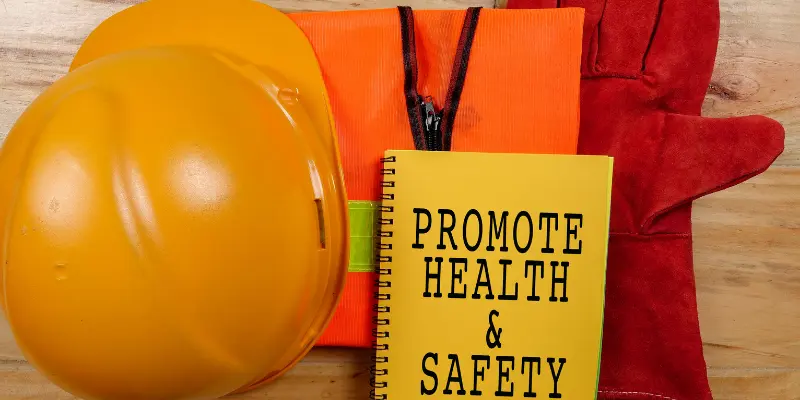
Safety equipment is used to reduce exposure to workplace hazards and help protect people from injuries, illnesses, and other safety risks. It includes a broad range of protective devices, equipment, barriers, emergency systems, and personal protective equipment used in workplaces and other environments.
Understanding the definition of safety equipment is important because different hazards require different forms of protection. A construction worker may need a hard hat and fall protection system, while a laboratory worker may require chemical-resistant gloves, eye protection, and protective clothing. The right equipment depends on the hazards present, the work being performed, and the level of protection required.
Here’s TOC for more information
What Is Safety Equipment?
The definition of safety equipment refers to tools, devices, systems, or protective gear designed to reduce the risk of injury, illness, property damage, or exposure to hazardous conditions.
Safety equipment can protect people from hazards such as falling objects, electrical energy, chemicals, excessive noise, harmful dust, moving machinery, fire, biological agents, and other workplace dangers.
Safety equipment is a broad term. It can include equipment worn by a worker, such as safety glasses or gloves, as well as equipment that protects people without being worn, such as guardrails, safety barriers, fire extinguishers, emergency alarms, and certain machine guarding systems.
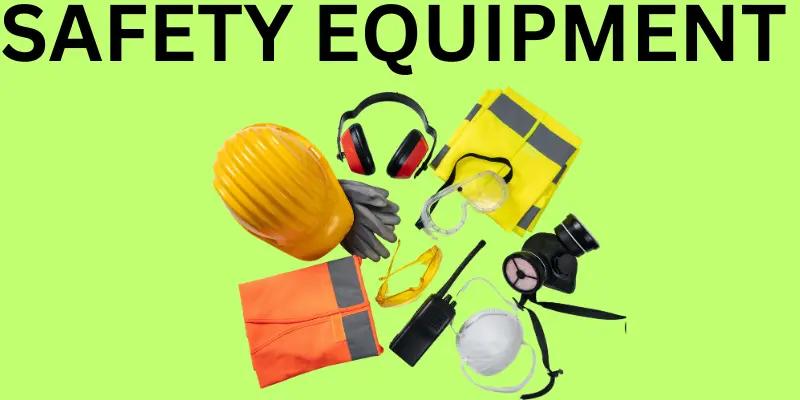
Personal protective equipment (PPE) is an important category of safety equipment, but the two terms should not be treated as exactly the same. OSHA defines PPE as equipment worn to minimize exposure to hazards that can cause serious workplace injuries or illnesses. Examples include gloves, safety glasses, safety shoes, hard hats, respirators, hearing protection, and protective clothing.
What Is the Purpose of Safety Equipment?
The main purpose of safety equipment is to reduce the likelihood or severity of harm when people are exposed to hazards.
Depending on the equipment and the hazard, safety equipment may:
- Protect workers from physical impact and falling objects.
- Reduce exposure to chemicals and hazardous substances.
- Protect the eyes and face from particles, splashes, and other hazards.
- Reduce exposure to excessive noise.
- Protect the hands from cuts, burns, chemicals, and other hazards.
- Protect the feet from impact, penetration, electrical hazards, and certain environmental conditions.
- Reduce exposure to airborne contaminants when appropriate respiratory protection is required.
- Help protect workers from falls when properly selected and used.
- Provide emergency protection during fires and other incidents.
- Separate people from dangerous machinery, restricted areas, or hazardous processes.
Safety equipment should be selected according to the hazards of the specific task or workplace rather than simply choosing the most protective-looking equipment.
What Are the Main Types of Safety Equipment?
Safety equipment can be grouped into several categories based on the hazards it is designed to control.
Head Protection
Hard hats and other protective helmets can help protect workers from falling or flying objects, impacts, and certain electrical hazards when the equipment is appropriate for the application.
Head protection is commonly used in construction, manufacturing, utilities, maintenance, and other environments where head hazards may exist.
Eye and Face Protection
Safety glasses, goggles, and face shields are designed to protect the eyes and face from hazards such as flying particles, chemical splashes, dust, sparks, and certain forms of radiation.
Hearing Protection
Earplugs and earmuffs can help reduce exposure to excessive workplace noise.
Hearing protection should be selected as part of a broader noise-control program. Engineering and work-practice controls should be considered before relying only on hearing protection when controlling hazardous noise.
Hand Protection
Safety gloves are available for different hazards, including cuts, abrasions, chemicals, heat, cold, and certain electrical risks.
No single glove protects against every hazard. The material, design, thickness, fit, and protection rating should be appropriate for the task.
Foot Protection
Safety footwear can help protect workers from falling objects, crushing hazards, punctures, slippery surfaces, and other workplace risks.
Depending on the job, workers may need protective toe caps, puncture-resistant soles, slip-resistant footwear, or other specialized protection.
Respiratory Protection
Respirators are used in situations where workers may be exposed to harmful airborne contaminants and where respiratory protection is required.
Respiratory protection should not be selected casually. The type of contaminant, concentration, exposure conditions, fit, and applicable requirements must be considered.
Fall Protection
Fall protection equipment may include personal fall arrest systems, harnesses, lanyards, lifelines, and related equipment.
Fall protection is particularly important in construction, maintenance, roofing, and other work where workers may be exposed to fall hazards.
Protective Clothing
Protective clothing may include coveralls, chemical-resistant clothing, high-visibility garments, flame-resistant clothing, and other specialized garments.
The correct clothing depends on the specific hazard. Protective clothing should not be selected solely on appearance or general durability.
Fire and Emergency Safety Equipment
Fire extinguishers, fire alarms, emergency lighting, first aid equipment, emergency communication systems, and other emergency equipment can help people respond to workplace emergencies.
The specific equipment required depends on the workplace, hazards, building conditions, applicable regulations, and emergency plans.
Safety Barriers and Machine Safeguards
Not all safety equipment is worn by workers. Guardrails, barriers, machine guards, protective screens, and similar systems can separate people from hazards.
These types of controls are particularly important because they can prevent contact with a hazard rather than relying only on workers to wear protective equipment.
What Is the Difference Between Safety Equipment and PPE?
Safety equipment is a broad term, while personal protective equipment is a specific category of protection.
PPE is generally equipment worn or used by an individual to reduce exposure to a hazard. Examples include safety glasses, gloves, hard hats, respirators, hearing protection, safety footwear, and protective clothing.
Safety equipment can also include items that do not form part of a person’s clothing or equipment. Examples include machine guards, guardrails, safety barriers, fire extinguishers, emergency alarms, and other protective systems.
For example, a hard hat is PPE because a worker wears it. A guardrail is safety equipment or a safety control, but it is not PPE because the worker does not wear it.
This distinction is important when selecting protection because controlling a hazard should not automatically mean relying only on PPE.
Why Is Safety Equipment Important in the Workplace?
Safety equipment plays an important role in reducing workplace risks and protecting workers from hazards that cannot always be eliminated.
However, PPE and other protective equipment should be considered within a broader hazard-control strategy. OSHA’s hierarchy of controls prioritizes elimination, substitution, engineering controls, administrative controls, and then PPE. Higher-level controls can remove or isolate hazards, while PPE protects the worker when exposure cannot otherwise be adequately controlled.
Safety equipment can therefore support workplace safety by:
- Reducing exposure to identified hazards.
- Providing protection during hazardous tasks.
- Supporting emergency preparedness.
- Reducing the potential severity of certain injuries.
- Helping organizations meet applicable safety requirements.
- Providing an additional layer of protection when other controls do not fully eliminate a hazard.
Employers should not treat safety equipment as a substitute for hazard elimination or effective engineering and administrative controls when those measures are feasible.
Safety Equipment for Different Workplaces
The appropriate safety equipment varies from one workplace to another because hazards are different.
Construction Sites
Construction workers may face falling objects, falls from heights, electrical hazards, moving equipment, dust, noise, and other risks. Depending on the work, appropriate protection may include hard hats, safety footwear, eye protection, hearing protection, gloves, high-visibility clothing, respiratory protection, and fall protection.
Manufacturing Facilities
Manufacturing environments can involve machinery, chemicals, noise, heat, sharp materials, and moving equipment. Safety equipment may include machine guards, eye protection, hearing protection, gloves, protective clothing, safety footwear, and other task-specific equipment.
Laboratories
Laboratories may involve chemical, biological, physical, and other hazards. Appropriate protection can include laboratory coats, gloves, eye protection, face protection, and other controls selected according to the substances and procedures involved.
Electrical Work
Electrical work may expose workers to shock, arc flash, burns, and other hazards. The appropriate protective equipment depends on the task, voltage, exposure, and applicable safety requirements. Electrical protection should always be selected by qualified personnel based on a proper hazard assessment.
Healthcare Environments
Healthcare workers may encounter biological hazards, contaminated materials, chemicals, sharps, and other risks. Depending on the task, protective equipment can include gloves, gowns, masks, eye protection, and face protection.
Warehouses and Distribution Centers
Warehouse hazards can include forklifts, falling materials, moving equipment, pedestrian traffic, noise, and manual handling risks. Appropriate safety equipment may include high-visibility clothing, safety footwear, eye protection, gloves, and other task-specific protection.
How to Choose the Right Safety Equipment
Choosing safety equipment should begin with identifying the hazards associated with the task or workplace.
A practical selection process includes:
Identify the hazards: Determine whether workers may encounter impact, chemical, electrical, mechanical, thermal, noise, respiratory, fall, or other hazards.
Evaluate the risks: Consider how workers could be exposed and how serious the potential consequences could be.
Use appropriate hazard controls: Follow the hierarchy of controls and consider elimination, substitution, engineering controls, and administrative or work-practice controls before relying on PPE alone.
Select suitable equipment: Choose the appropriate standard safety equipment designed for the specific hazard and task.
Check fit and compatibility: Equipment should fit the worker properly and should not interfere with other required protective equipment.
Consider applicable requirements: Safety equipment may need to meet applicable regulatory or consensus standards depending on the workplace, industry, and type of equipment.
Check applicable standards and requirements: Before selecting safety equipment, verify that it is appropriate for the identified hazard and meets the applicable workplace, regulatory, or consensus standards for the equipment and task. Requirements can vary by industry, hazard, equipment type, and jurisdiction, so users should follow applicable regulations and the manufacturer’s instructions rather than assuming that one certification or standard applies to every situation.
Train workers: Workers should understand why the equipment is required, how to use it correctly, its limitations, and how to care for it.
OSHA’s general industry PPE requirements specifically call for workplace hazard assessment and appropriate PPE selection, including proper fit.
How Should Safety Equipment Be Maintained?
Safety equipment must remain in suitable condition to provide the intended level of protection.
Maintenance practices may include:
- Inspecting equipment before use when required.
- Checking for damage, wear, contamination, or deterioration.
- Cleaning equipment according to the manufacturer’s instructions.
- Storing equipment in suitable conditions.
- Replacing damaged or unsuitable equipment.
- Following manufacturer instructions for maintenance and replacement.
- Keeping reusable equipment clean and sanitary when applicable.
- Removing equipment from service when it can no longer provide adequate protection.
OSHA guidance emphasizes that PPE should be safely designed, properly maintained, clean, reliable, and appropriately fitted.
Common Mistakes When Using Safety Equipment
Even appropriate safety equipment may not provide effective protection when it is selected or used incorrectly.
Common mistakes include:
- Choosing equipment without first identifying the hazard.
- Using damaged or worn protective equipment.
- Wearing equipment that does not fit properly.
- Using PPE as the only method of controlling a hazard when higher-level controls are feasible.
- Combining protective equipment that is not compatible.
- Failing to follow manufacturer instructions.
- Failing to train workers in proper use and limitations.
- Neglecting inspection, cleaning, maintenance, or replacement.
- Assuming that all safety equipment provides the same level of protection.
Proper selection, training, maintenance, and supervision are important parts of an effective safety equipment program.
Frequently Asked Questions About Safety Equipment
What is the definition of safety equipment?
Safety equipment refers to tools, devices, systems, or protective gear designed to reduce exposure to hazards and help prevent injuries, illnesses, or other harm.
What are examples of safety equipment?
Examples include hard hats, safety glasses, gloves, safety footwear, respirators, hearing protection, fall protection systems, fire extinguishers, safety barriers, machine guards, and emergency equipment.
Is PPE the same as safety equipment?
No. PPE is a category of protective equipment used by individuals to reduce exposure to hazards. Safety equipment is a broader term that can also include barriers, machine guards, emergency equipment, and other protective systems.
Why is safety equipment important?
Safety equipment provides protection against hazards that may cause injuries or illnesses. It can be particularly important when hazards cannot be completely eliminated through other control measures.
How do you choose the right safety equipment?
The correct equipment should be selected after identifying and evaluating the hazards associated with the task or workplace. Fit, compatibility, protection level, applicable requirements, and manufacturer instructions should also be considered.
How should safety equipment be maintained?
Safety equipment should be inspected, cleaned, stored, maintained, and replaced according to its type, condition, manufacturer instructions, and applicable workplace requirements.
Conclusion
The definition of safety equipment covers a broad range of tools, devices, protective gear, and systems designed to reduce exposure to workplace hazards and protect people from injury or illness.
Safety equipment includes PPE such as hard hats, gloves, safety glasses, respirators, hearing protection, and protective clothing, as well as non-wearable equipment such as machine guards, barriers, emergency equipment, and other protective systems.
The right equipment should always be selected according to the specific hazards of the workplace and task. Employers and workers should also recognize that PPE is only one part of hazard control. Whenever feasible, hazards should first be eliminated, substituted, or controlled through engineering and administrative measures, with PPE providing an additional layer of protection when needed.
A well-planned approach to safety equipment, combined with proper training, inspection, maintenance, and safe work practices, can help create a safer and more effective workplace.
Please Write Your Comments