Construction Safety Vest: Complete Guide to Types, Features, and Safety Standards
Updated: 23-Apr-2026
230
Introduction to Construction Safety Vest
A construction safety vest is one of the most essential pieces of personal protective equipment (PPE) used across construction sites worldwide. Designed to enhance visibility and ensure worker safety, these vests play a critical role in preventing accidents, especially in high-risk environments such as roadwork zones, heavy machinery areas, and low-light conditions. To get more information you may also read Construction Safety Manual
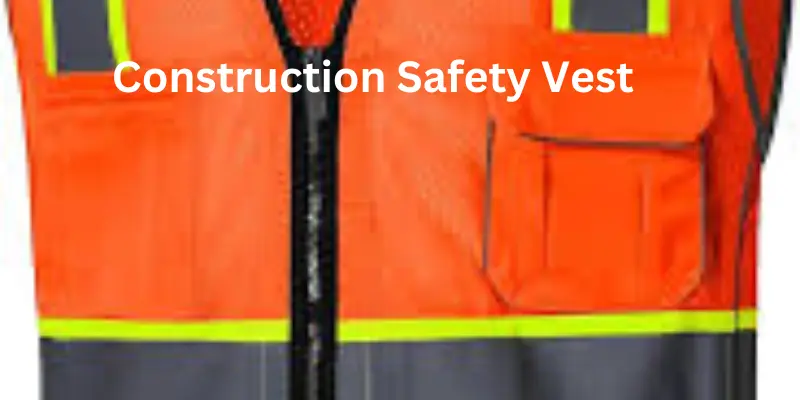
Construction sites are dynamic and often hazardous. Workers are exposed to moving vehicles, cranes, forklifts, and other equipment. In such environments, being visible at all times is not optional—it is a necessity. A properly designed construction safety vest ensures that workers can be easily seen, reducing the likelihood of collisions and injuries.
Importance of Construction Safety Vest
The importance of a construction safety vest cannot be overstated. It acts as a frontline defense against workplace accidents.
Enhanced Visibility
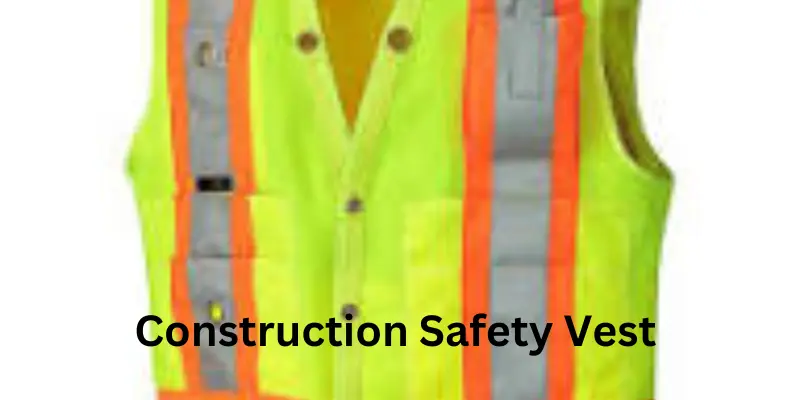
Construction safety vests are typically made with bright fluorescent colors like yellow, orange, or green. Reflective strips further enhance visibility during nighttime or low-light conditions.
Accident Prevention
By making workers easily noticeable, a construction safety vest significantly reduces the chances of accidents involving vehicles or machinery.
Compliance with Safety Regulations
Many countries have strict safety regulations requiring workers to wear a construction safety vest. Failure to comply can result in penalties or legal consequences.
Increased Worker Confidence
When workers feel safe, their productivity improves. Wearing a construction safety vest provides a sense of security and confidence.
Types of Construction Safety Vest
There are various types of construction safety vest designed for different working conditions.
Class 1 Safety Vest
Used in low-risk environments where traffic is minimal and slow-moving. These vests offer basic visibility.
Class 2 Safety Vest
Suitable for moderate-risk environments such as roadside construction. They provide greater visibility with more reflective material.
Class 3 Safety Vest
Designed for high-risk areas like highways where traffic is fast-moving. These vests offer maximum visibility, including sleeves.
Flame-Resistant Safety Vest
Used in environments where there is a risk of fire or electrical hazards.
Mesh vs Solid Fabric Vests
- Mesh Vests: Lightweight and breathable, ideal for hot weather.
- Solid Fabric Vests: Durable and better for harsh environments.
Key Features of Construction Safety Vest
Understanding the features of a construction safety vest helps in choosing the right one.
High-Visibility Colors
Fluorescent colors ensure visibility during the day.
Reflective Strips
Reflective tape enhances visibility at night or in low-light conditions.
Lightweight Material
Comfort is essential for long working hours. Most construction safety vests are made from lightweight materials like polyester.
Multiple Pockets
Modern vests come with pockets for tools, phones, and other essentials.
Adjustable Fit
Velcro or zipper closures allow for easy adjustments.
Materials Used in Construction Safety Vest
The effectiveness of a construction safety vest depends largely on its material.
Polyester
The most commonly used material due to its durability and lightweight nature.
Cotton Blends
Provide comfort but may not be as durable as synthetic materials.
Reflective Tape
Usually made from glass bead or microprismatic materials for enhanced reflection.
Standards and Regulations for Construction Safety Vest
Compliance with safety standards is crucial.
ANSI/ISEA Standards
Defines performance requirements for high-visibility safety apparel.
EN ISO Standards
European standards that specify requirements for visibility and durability.
OSHA Guidelines
Mandate the use of construction safety vest in hazardous work environments.
How to Choose the Right Construction Safety Vest
Selecting the right construction safety vest involves several considerations.
Work Environment
Assess whether the environment is low, medium, or high risk.
Weather Conditions
Choose breathable vests for hot climates and insulated ones for cold conditions.
Job Role
Different roles may require different vest types.
Fit and Comfort
Ensure the vest fits properly and does not restrict movement.
Benefits of Wearing Construction Safety Vest
Improved Safety
The primary benefit of a construction safety vest is enhanced safety.
Easy Identification
Helps identify workers quickly on site.
Regulatory Compliance
Ensures adherence to workplace safety laws.
Professional Appearance
Uniform safety gear enhances professionalism.
Common Mistakes When Using Construction Safety Vest
Wearing Incorrect Size
A poorly fitted vest can reduce visibility and comfort.
Ignoring Maintenance
Dirty or damaged vests lose their effectiveness.
Using Wrong Class
Using a low-visibility vest in a high-risk area can be dangerous.
Maintenance and Care of Construction Safety Vest
Regular Cleaning
Keep the vest clean to maintain visibility.
Inspect for Damage
Check for tears or faded reflective strips.
Proper Storage
Store in a dry and clean place to extend lifespan.
Technological Advancements in Construction Safety Vest
LED Safety Vests
Incorporate LED lights for enhanced visibility.
Smart Vests
Equipped with sensors to monitor worker health and environment.
GPS Tracking
Helps in locating workers on large construction sites.
Construction Safety Vest for Different Industries
Road Construction
High visibility is crucial due to traffic exposure.
Industrial Sites
Protection against machinery hazards.
Emergency Services
Used by firefighters, police, and rescue teams.
Environmental Impact of Construction Safety Vest
Sustainability is becoming increasingly important.
Eco-Friendly Materials
Some manufacturers are using recycled materials.
Longevity
Durable vests reduce waste.
Training and Awareness for Construction Safety Vest
Proper training ensures effective use.
Safety Training Programs
Teach workers how to use PPE correctly.
Awareness Campaigns
Promote the importance of wearing a construction safety vest.
Future Trends in Construction Safety Vest
Integration with AI
Smart vests may use AI to detect hazards.
Improved Comfort
Focus on ergonomic designs.
Sustainable Manufacturing
Eco-friendly production methods.
Cost Analysis of Construction Safety Vest
The cost of a construction safety vest varies depending on quality, features, and compliance standards. Understanding pricing helps businesses balance safety and budget.
Basic Cost Range
Entry-level construction safety vest options typically range from $3 to $10. These are suitable for low-risk environments and short-term use.
Mid-Range Vests
Mid-quality construction safety vest products cost between $10 and $30. They offer better durability, reflective material, and compliance with safety standards.
Premium Safety Vests
High-end construction safety vest designs range from $30 to $100 or more. These may include flame resistance, waterproofing, LED lighting, and smart features.
Cost Factors
- Material quality
- Reflective tape technology
- Certification standards
- Additional features (pockets, zippers, LED lights)
- Brand reputation
Long-Term Value
Investing in a high-quality construction safety vest reduces replacement costs and improves worker safety, making it cost-effective in the long run.
Comparison of Branded vs Non-Branded Safety Vests
Choosing between branded and non-branded construction safety vest options depends on safety priorities and budget.
Branded Construction Safety Vest
- Certified and tested for safety compliance
- Higher durability and quality materials
- Better reflective performance
- Often includes warranties
- Higher cost
Non-Branded Construction Safety Vest
- Lower upfront cost
- May lack proper certification
- Variable quality and durability
- Limited or no warranty
Key Takeaway
For high-risk environments, a certified branded construction safety vest is strongly recommended. Non-branded options may be suitable for low-risk or temporary tasks.
Role of Employers in PPE Compliance
Employers play a critical role in ensuring the proper use of construction safety vest and other PPE.
Providing Proper Equipment
Employers must supply workers with compliant construction safety vest gear suitable for their tasks.
Training and Education
Workers should be trained on how to wear and maintain a construction safety vest correctly.
Monitoring and Enforcement
Supervisors must ensure that workers consistently wear their construction safety vest.
Compliance with Regulations
Employers are responsible for adhering to safety regulations and avoiding legal penalties.
Creating a Safety Culture
Encouraging consistent use of construction safety vest fosters a culture of safety and responsibility.
Case Studies of Accidents Prevented by Safety Vests
Real-world examples highlight the importance of wearing a construction safety vest.
Road Construction Incident
A worker wearing a high-visibility construction safety vest was spotted by a truck driver in low-light conditions, preventing a potential collision.
Nighttime Maintenance Work
During highway repairs, workers wearing reflective construction safety vest gear avoided multiple near-miss accidents due to enhanced visibility.
Industrial Site Example
In a busy warehouse, forklift operators were able to quickly identify workers wearing construction safety vest apparel, reducing accident risks.
Key Insight
These cases demonstrate that a construction safety vest is not just a requirement—it is a life-saving tool.
Custom Branding on Construction Safety Vest
Customizing a construction safety vest offers both functional and branding benefits.
Company Logo Printing
Businesses can print logos on a construction safety vest to promote brand identity.
Worker Identification
Different colors or labels help distinguish roles on-site.
Enhanced Professionalism
A branded construction safety vest creates a uniform and organized appearance.
Compliance Considerations
Custom designs must not compromise visibility or reflective features.
Seasonal Considerations for Construction Safety Vest
Different seasons require different types of construction safety vest designs.
Summer Use
- Lightweight mesh construction safety vest
- Breathable materials to prevent overheating
Winter Use
- Insulated construction safety vest
- Compatibility with jackets and layered clothing
Rainy Conditions
- Waterproof construction safety vest
- Anti-fog reflective materials
Extreme Conditions
Selecting the right construction safety vest for the season improves comfort and safety.
Integration of IoT in Construction Safety Vest
Technology is transforming the traditional construction safety vest into a smart safety tool.
Smart Sensors
Modern construction safety vest designs include sensors that monitor worker movement and health.
Real-Time Alerts
IoT-enabled construction safety vest systems can alert workers about nearby hazards.
GPS Tracking
Helps locate workers on large construction sites.
Data Collection
Provides insights into worker safety and site conditions.
Future Impact
IoT integration will make the construction safety vest a central part of smart construction safety systems.
Global Market Trends of Safety Equipment
The demand for construction safety vest products is growing worldwide.
Increasing Safety Regulations
Governments are enforcing stricter rules, boosting demand for compliant construction safety vest gear.
Technological Innovation
Smart construction safety vest solutions are gaining popularity.
Growth in Construction Industry
Rising infrastructure projects increase the need for safety equipment.
Sustainability Trends
Manufacturers are producing eco-friendly construction safety vest options.
Market Outlook
The global safety equipment market is expected to grow steadily, with construction safety vest products playing a key role.
FAQs on Construction Safety Vest
1. What is a construction safety vest used for?
A construction safety vest is used to improve worker visibility and reduce accidents on construction sites.
2. Are construction safety vests mandatory?
Yes, in most countries, wearing a construction safety vest is required in hazardous work environments.
3. How do I choose the right construction safety vest?
Choose a construction safety vest based on risk level, job role, weather conditions, and compliance standards.
4. How often should a construction safety vest be replaced?
A construction safety vest should be replaced when it becomes faded, torn, or loses reflective effectiveness.
5. Can a construction safety vest be customized?
Yes, a construction safety vest can include logos and labels, but customization must not reduce visibility.
6. What is the difference between Class 1, 2, and 3 safety vests?
The difference lies in visibility levels. Class 1 is for low risk, Class 2 for moderate risk, and Class 3 for high-risk environments.
Summary
A construction safety vest is a vital component of workplace safety in the construction industry. It enhances visibility, reduces accidents, and ensures compliance with safety regulations. With various types, features, and advancements, choosing the right construction safety vest is essential for maximizing safety and efficiency.
Conclusion
In conclusion, the construction safety vest is more than just a piece of clothing—it is a life-saving tool. From improving visibility to ensuring compliance with safety standards, its importance cannot be ignored. Employers and workers alike must prioritize the proper selection, use, and maintenance of construction safety vests to create a safer working environment.
Please Write Your Comments