Commercial Kitchen Supplies Purchasing Patterns Reflect Ongoing Supply Chain Volatility
Updated: 12-Feb-2026
6
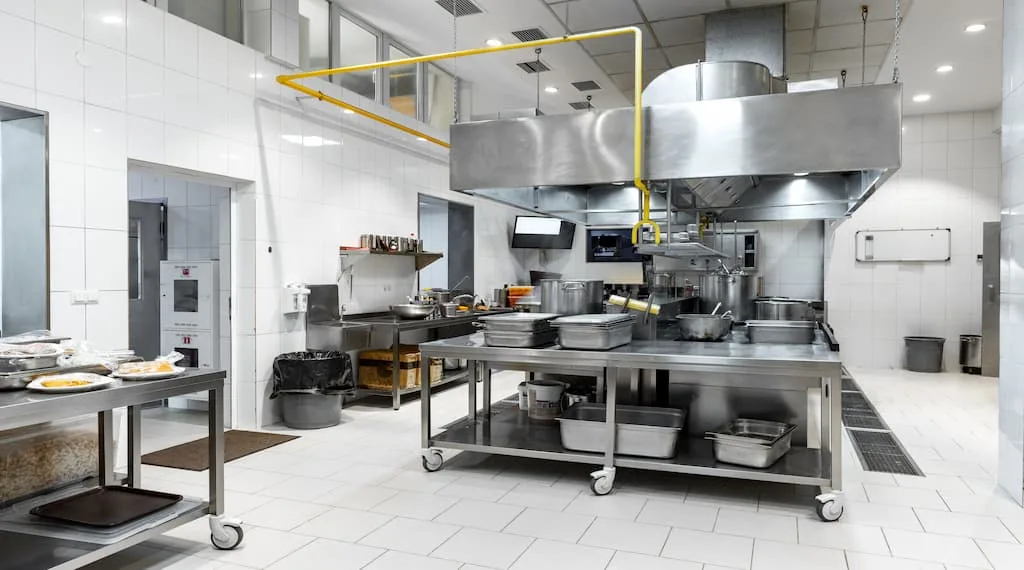
As hospitality operators deal with more volatility, increased disruption throughout industrial supply networks is changing the way commercial kitchen supplies are purchased. Industry research indicates that supplier dependability is becoming a significant operational concern rather than a secondary risk.
The Australian Industry Group reports that supply chain problems now affect 47% of industrial businesses, up from 35% in late 2024. Delays in equipment delivery, pricing swings, and heightened uncertainty about supplier performance for commercial kitchens are the results of this. Nearly 7,000 hospitality organisations change suppliers each month, according to Ordermentum data, demonstrating the scope of the industry’s continuous change.
Supply Chain Disruptions Intensify Across Australian Hospitality Sector
These difficulties are persistent. In Australia, supply chain volatility has become the new standard for equipment purchases. This persistent instability is caused by a number of factors coming together.
Trade routes around the world are impacted by geopolitical conflicts. Logistics networks are disrupted by severe weather events. Budgeting is a moving target because freight costs are constantly changing. Due to its remote location, Australia is much more affected by these worldwide pressures.
Australian businesses frequently experience the effects of shipping route congestion or disruption more keenly than their counterparts in other regions. The hospitality sector is affected in every way. Independent cafés have difficulties obtaining basic equipment. Large hotel chains planning major kitchen refits encounter similar obstacles.
The timeline of deterioration proves striking. While 2024 began with cautious optimism about supply chain normalisation, the second half brought renewed difficulties. By early 2025, the situation had worsened considerably. Hospitality operators found themselves forced to fundamentally rethink their procurement strategies.
Equipment Procurement Challenges Mount
Certain equipment categories face particularly acute pressure. Commercial refrigeration units already contend with new energy efficiency regulations introduced in January 2025. These units now face extended lead times and price volatility as well.
Operators planning kitchen upgrades report waiting periods that stretch weeks or even months longer than pre-pandemic norms. Cooking equipment procurement presents its own distinct challenges. Energy-efficient appliances are increasingly mandatory under updated Australian standards. These products are in high demand but limited supply.
Smart kitchen technology faces particularly long lead times. IoT-enabled equipment offers remote monitoring capabilities and promises operational benefits like predictive maintenance. Getting these advanced systems installed requires patience and flexible planning.
Complete Wholesale Suppliers has adapted its inventory strategies to anticipate these market pressures. However, industry-wide constraints remain significant. Regional variations add another layer of complexity. Metropolitan suppliers in Sydney and Melbourne generally maintain better stock levels than regional distributors. This creates inequities that disadvantage operators outside major cities.
Cost Pressures Force Strategic Purchasing Shifts
Rising operational costs squeeze hospitality businesses from multiple directions simultaneously. Wages continue climbing. Utility bills remain elevated. Equipment procurement costs now follow suit. The hospitality supply chain represents the second-largest cost center after labor. Effective procurement is therefore essential to preserving profitability.
Strategic planning is replacing reactive purchasing in forward-thinking businesses. Successful companies now keep thorough replacement schedules rather than ordering equipment simply when something fails. Before emergencies arise, they establish connections with several providers.
Business agility and quick adaptation are important lessons learned from the pandemic. Strategies for acquiring equipment are now subject to this flexibility. A growing number of operators who formerly relied on a single supplier continue to maintain backup arrangements.
According to industry data, effective procurement practices can cut expenses by five to fifteen percent. These savings can be the difference between success and failure for companies with infamously low profit margins.
Supplier Diversification Becomes Critical Strategy
The old model of single supplier relationships no longer serves operators well in volatile markets. Successful businesses now cultivate portfolios of suppliers. They balance established relationships with new partnerships that offer flexibility.
This diversification extends beyond simply having backup options. Smart operators develop truly strategic relationships with key suppliers. They share forecasts and communicate regularly about upcoming needs. They work collaboratively to solve problems before they become crises.
Local versus international sourcing decisions carry new weight. Overseas suppliers might offer better pricing. However, lead times and shipping reliability matter more in uncertain environments. Australian suppliers provide advantages in responsiveness and reduced logistical complexity despite potentially higher costs.
Regional sourcing presents another consideration. Building relationships with suppliers across different Australian states can provide alternatives when specific regions face weather disruptions or transport challenges. Complete Wholesale Suppliers has observed increased demand from operators seeking to establish secondary supplier relationships alongside their primary vendors.
Technology and Innovation Drive Adaptation
Technology provides effective solutions for managing supply chain unpredictability. Despite procurement issues, IoT-enabled commercial kitchen equipment offers substantial long-term value. Temperature is continuously monitored by smart refrigeration systems. This prevents spoilage and reduces waste.
Connected cooking equipment provides alerts when maintenance is needed. This prevents unexpected breakdowns during service periods. Energy-efficient appliances cut operational costs substantially. Current market research indicates that modern commercial kitchen supplies can reduce maintenance costs by up to 30% compared to older models.
Automation solutions help operators manage both labor shortages and operational consistency. Technology enables smaller teams to maintain output and quality standards. The global commercial kitchen appliances market reflects these trends. The industry is expected to develop at a compound annual growth rate of 6.2% to reach USD 133 billion by 2030.
Energy Efficiency Requirements Influence Equipment Selections
Purchase decisions are greatly impacted by new rules. January 2025 saw the introduction of revised energy-saving guidelines for commercial refrigeration systems. These standards set higher efficiency requirements.
While regulations increase upfront equipment costs, they promise substantial long-term savings on utility bills. The regulatory landscape continues evolving. Both Australian standards and international efficiency requirements matter for operators. This is particularly true for those purchasing imported equipment.
Energy Star certified appliances increasingly become baseline requirements rather than optional extras. Instead of focusing just on purchase pricing, operators assess equipment based on projected energy consumption over anticipated lifespans.
Long-Term Perspective: Making Plans for Continued Volatility
Industry analysis predicts that volatility will continue rather than end rapidly in the future. Supply chains and operational realities are increasingly impacted by climate change. Infrastructure and transportation networks are disrupted by extreme weather. The frequency and severity of these disruptions will probably increase.
Global trade is still changing due to geopolitical concerns. International supply chains are constantly unclear due to tariffs and trade restrictions. Australian operators with significant import dependencies face particular exposure to these macro pressures.
The labor market challenges compound supply chain issues. Skills shortages across the hospitality industry make it harder to maintain operations even when equipment arrives as planned. This reality makes equipment reliability and ease of maintenance more important than ever.
The Australian supply chain management market itself reflects these pressures and opportunities. The sector is expanding at a rate of 10.75% per year, with a growing emphasis on digital tools and strategic planning. Instead of only responding to disturbances, these investments assist companies in anticipating and adjusting to them.
Useful Advice for Purchasers of Equipment
To successfully traverse the current market conditions, equipment purchases and supplier management must be done more systematically. Operators are progressively developing planned replacement schedules, diversifying their supplier relationships to reduce risk, and assessing the whole cost of ownership, which includes maintenance and energy efficiency, rather than relying on reactive purchases.
Additionally, financial planning has moved toward more cautious budgeting, using equipment finance and contingency buffers to control cash flow while purchasing necessary commercial kitchen supplies.
Rather than being a temporary disturbance, these developments are a reflection of larger structural shifts in the hotel industry. Operators that see procurement as a strategic activity are better positioned to sustain their competitiveness given the company’s $14.8 billion annual revenue; those who continue to use pre-pandemic approaches are still under pressure.
As supply chains remain unpredictable and supplier churn rises, businesses that plan ahead, maintain flexible alliances, and invest in efficient equipment are discovering possibilities in the face of ongoing uncertainty.
Please Write Your Comments