Commercial Fire Alarms Installation for Safer Business Premises
Updated: 25-Jun-2026
142
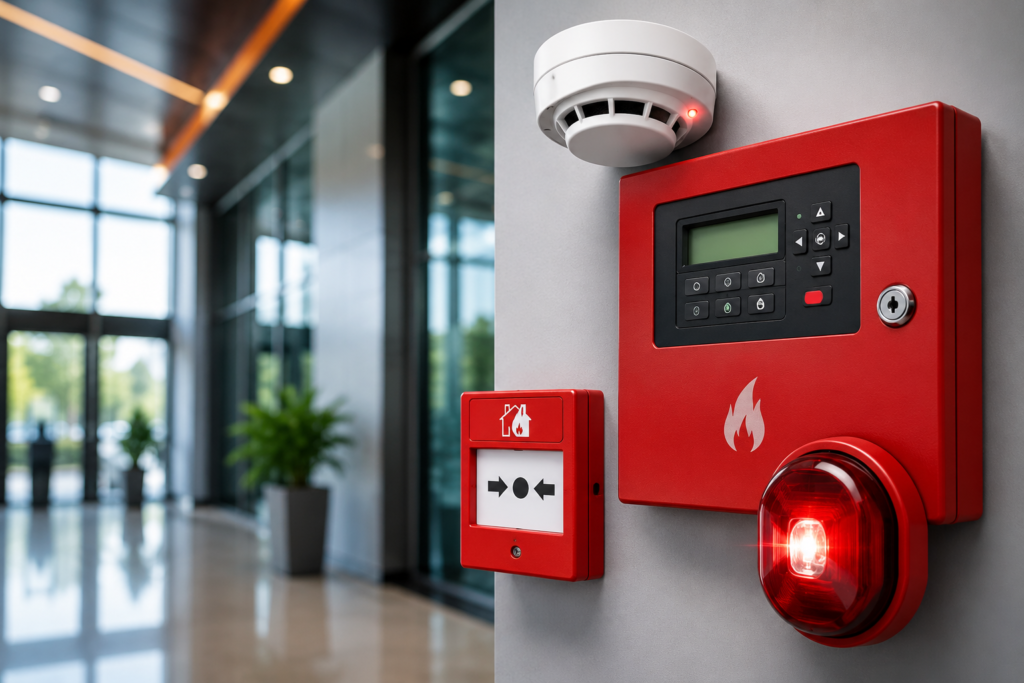
Fire safety remains one of the most important responsibilities for business owners, property managers, and facility operators. Regardless of industry, every commercial property faces potential fire risks that could threaten employees, customers, equipment, and business continuity.
While many organizations focus on cybersecurity, operational efficiency, and workplace productivity, fire protection is equally critical. A properly designed fire alarm system can provide early warning during emergencies, allowing occupants to respond quickly and helping minimize potential damage.
For businesses seeking to create safer environments and meet legal responsibilities, investing in professional fire safety solutions should be a priority rather than an afterthought.
Why Fire Safety Matters in Commercial Buildings
Commercial properties often contain a combination of people, equipment, inventory, and infrastructure that can be difficult to protect without the right systems in place.
Common fire risks include:
- Electrical faults
- Overloaded circuits
- Heating equipment
- Kitchen facilities
- Industrial machinery
- Human error
- Flammable materials
Even a small incident can result in significant financial losses, operational disruptions, and safety concerns if not detected quickly.
From what I’ve observed, many businesses only review their fire protection systems after major renovations, compliance inspections, or unfortunate incidents. Taking a proactive approach is often far more effective.
The Role of Fire Alarm Systems
A fire alarm system serves as an early warning mechanism designed to detect signs of fire and alert building occupants.
Modern systems may include:
Smoke Detection
Smoke detectors help identify potential fire conditions during the early stages of an incident.
Heat Detection
Heat sensors provide additional protection in environments where smoke detection may not be appropriate.
Audible and Visual Alerts
Alarm notifications ensure occupants are aware of potential dangers and can begin evacuation procedures.
System Monitoring
Many modern systems offer monitoring capabilities that support rapid emergency response.
Together, these components help create a safer environment for employees, visitors, and stakeholders.
Benefits of Professional Installation
Installing a commercial fire alarm system involves much more than simply mounting detectors.
Professional installation helps ensure:
Proper System Design
Every building has unique requirements based on its size, layout, occupancy levels, and operational activities.
Regulatory Compliance
Businesses must comply with applicable fire safety regulations and standards. Professional installers understand these requirements and help organizations meet their obligations.
Reliable Performance
Correct installation improves system reliability and reduces the risk of operational issues.
Long-Term Protection
A professionally designed system can adapt more effectively to future business growth and facility changes.
Fire Safety and Business Continuity
Many organizations view fire alarms primarily as safety equipment, but they also play a vital role in business continuity planning.
Effective fire protection can help:
- Reduce downtime
- Protect critical assets
- Minimize operational disruption
- Support insurance requirements
- Improve employee confidence
- Strengthen risk management strategies
A well-protected facility is often better positioned to recover quickly following unexpected events.
Choosing the Right Fire Alarm Solution
Not all commercial properties have the same fire safety needs.
Factors to consider include:
Building Size
Larger facilities typically require more comprehensive detection coverage.
Industry Requirements
Different sectors may face unique fire safety regulations and operational risks.
Occupancy Levels
Buildings with high numbers of employees or visitors often require enhanced protection measures.
Future Expansion Plans
Businesses should consider how future growth may impact fire safety requirements.
For organizations seeking reliable commercial fire alarms installation services, working with experienced fire safety professionals can help ensure systems are properly designed, installed, and maintained for long-term protection.
The Future of Commercial Fire Protection
Technology continues to improve the effectiveness of modern fire safety systems.
Emerging trends include:
Smart Building Integration
Fire alarm systems increasingly connect with broader building management platforms.
Remote Monitoring
Advanced monitoring capabilities can improve incident awareness and response times.
Improved Detection Technologies
Modern sensors continue to enhance detection accuracy while reducing false alarms.
Data-Driven Maintenance
Predictive maintenance solutions help organizations maintain system performance more efficiently.
Businesses that embrace these advancements can strengthen both safety and operational resilience.
Practical Fire Safety Tips for Businesses
Conduct Regular Inspections
Routine inspections help identify potential issues before they become significant problems.
Train Employees
Staff should understand evacuation procedures and emergency response protocols.
Review Fire Risk Assessments
Regular reviews help ensure evolving risks are properly addressed.
Maintain Fire Safety Equipment
Ongoing maintenance supports system reliability and regulatory compliance.
Conclusion
Fire safety should be a fundamental component of every organization’s risk management strategy. While no business can eliminate every potential hazard, proactive planning and reliable detection systems significantly improve preparedness.
Professional fire alarm systems provide early warning, support compliance efforts, and help protect people, property, and operations. By investing in effective fire protection measures today, businesses can create safer workplaces and strengthen their ability to respond to unexpected emergencies in the future.
Please Write Your Comments