A Practical Guide to Winter HVAC Maintenance in San Antonio
Updated: 8-Dec-2025
116
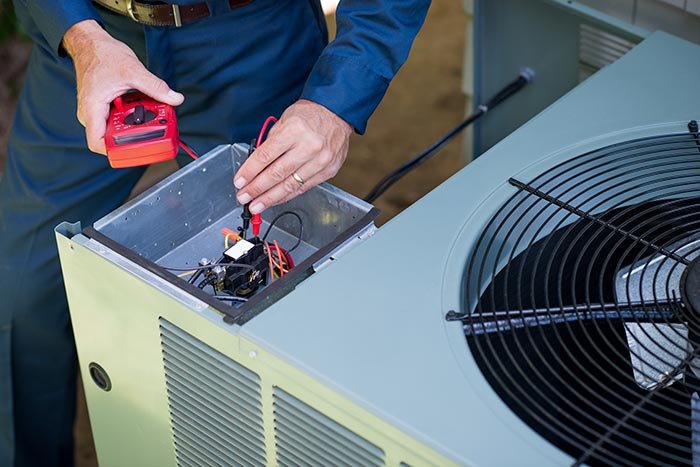
Winter in San Antonio may not be as intense as in colder regions, but the sudden cold snaps, temperature swings, and occasional icy mornings can still put your HVAC system to the test. Many homeowners think of HVAC care as a summertime priority—but winter maintenance is just as important for keeping energy bills predictable, preventing mid-season breakdowns, and extending the lifespan of your system.
This guide explains what makes winter HVAC maintenance essential in San Antonio, what you can do yourself, when to call a professional, and how to ensure your system runs safely and efficiently all season long.
Why Winter HVAC Maintenance Matters in San Antonio
San Antonio’s unique climate presents a few specific challenges that make winter maintenance especially valuable:
- Rapid temperature swings can force your system to shift between heating and cooling.
- Dust, cedar pollen, and dry air can clog filters and stress components.
- Heat pumps—common in the region—work harder during cold mornings.
- Systems that go unused for long periods can develop issues once heating mode is activated.
Because the HVAC system isn’t used heavily for heat most of the year, problems often go unnoticed until that first cold front hits. A quick tune-up before winter can prevent those uncomfortable surprises.
Key Components That Need Attention Before Winter
Seasonal maintenance helps ensure your HVAC system is operating safely, efficiently, and reliably. Here are the most important areas that should be inspected or serviced:
1. Air Filters
San Antonio’s dust and allergens can clog filters quickly, reducing airflow and forcing your system to work harder. Clean filters are the foundation of both comfort and efficiency.
2. Thermostat Calibration
If the thermostat is off by even a few degrees, your system may cycle unnecessarily, leading to discomfort and higher utility bills.
3. Ductwork
Leaky or poorly insulated ducts can waste heated air before it reaches your living spaces. This is especially common in older homes or attics with inconsistent insulation.
4. Blower and Motor Components
These parts drive airflow throughout your home. Dust buildup or worn parts can cause noise, uneven heating, or total system failure.
5. Heat Exchanger (for gas furnaces)
A cracked heat exchanger can be dangerous. Even though San Antonio gas furnaces don’t run as heavily as those in colder states, inspecting this component is extremely important for safety.
6. Outdoor Unit (for heat pumps)
Debris, leaves, and dirt around the outdoor unit can restrict airflow and reduce heating efficiency.
What Homeowners Can Safely Do Themselves
You don’t need to be an HVAC professional to take meaningful steps in winter prep. A few simple checks can improve performance and catch early signs of trouble.
Easy DIY Tasks
- Replace or clean air filters (every 1–3 months).
- Clear debris around the outdoor heat pump to maintain airflow.
- Vacuum indoor vents and registers to reduce dust and blockages.
- Check thermostat settings to ensure proper heating modes.
- Inspect door and window seals to prevent heat loss.
Tasks You Should Leave to a Professional
Some maintenance requires technical knowledge and tools. Avoid attempting:
- Checking refrigerant levels
- Repairing electrical wiring
- Inspecting furnace combustion components
- Opening sealed panels
- Diagnosing unusual noises or smells
These areas involve safety risks and system components that can be easily damaged without proper training.
If you’re looking for a trustworthy local provider for winter HVAC maintenance San Antonio, you can explore companies like winter HVAC maintenance San Antonio to better understand what a comprehensive seasonal service should include.
Benefits of Winter HVAC Maintenance

Regular winter maintenance does far more than simply prepare your home for colder days. Homeowners often notice improvements across comfort, performance, and cost.
Better Energy Efficiency
A well-tuned system uses less energy to produce the same level of warmth, which is especially helpful during longer stretches of cold weather.
Fewer Breakdowns
Most mid-season failures stem from issues that could have been caught during routine maintenance. A small adjustment today can prevent a costly repair later.
Improved Indoor Air Quality
Dust, pet dander, cedar pollen, and other airborne particles are especially common in South Texas winter. Clean filters and ducts help keep your air fresh and breathable.
Longer Equipment Lifespan
When your HVAC system runs efficiently, it doesn’t strain itself trying to compensate for clogged filters, dirty coils, or worn components. Less stress equals more years of reliable operation.
More Consistent Comfort
Winter mornings in San Antonio can feel surprisingly cold. Maintenance ensures even heating throughout your home and prevents annoying hot-and-cold zones.
When to Schedule Winter HVAC Maintenance
The best time to book winter HVAC service in San Antonio is early fall, before cold weather arrives. But if the season has already started, it’s not too late—maintenance is useful anytime your heater will be used regularly.
It’s especially important to schedule service if you notice:
- Burning or musty smells
- Loud or unusual noises
- Weak airflow
- Cold spots in the home
- High or rising winter utility bills
These symptoms often signal an issue that could worsen if left unaddressed.
Final Thoughts: Stay Comfortable All Winter Long
Winter in San Antonio may be milder than in northern regions, but your HVAC system still needs seasonal care to operate efficiently, safely, and reliably. A little preparation goes a long way—especially when temperatures drop without warning.
By handling basic tasks yourself and partnering with a qualified local professional for more complex maintenance, you’ll enjoy better comfort, lower energy costs, and fewer stressful breakdowns throughout the winter months.
Staying ahead of the season means staying warm, prepared, and confident that your system can handle whatever the Texas weather brings.
Please Write Your Comments