A Homeowner’s Guide to Preventing Plumbing Problems in Benbrook Before They Start
Updated: 4-Feb-2026
9
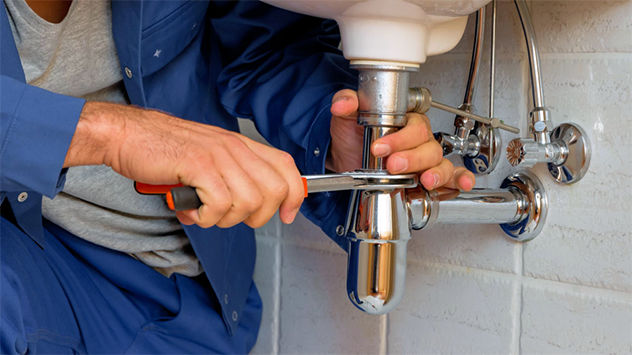
Most plumbing emergencies don’t come out of nowhere—they build quietly over weeks or months. A slow drain becomes a backed-up line. A tiny drip turns into cabinet damage. In a place like Benbrook, where heat, occasional hard freezes, and mineral-heavy water can all play a role, small habits make a big difference.
Below is a practical, homeowner-friendly approach to preventing common plumbing issues, spotting early warning signs, and knowing when it’s time to bring in a pro.
Know the “usual suspects” in Benbrook homes
Even if your house is newer, the same few systems tend to cause most headaches. The goal is to keep these areas stable so they don’t surprise you at the worst possible time.
1) Drains and sewer lines
Kitchen grease, soap scum, hair, and “flushable” wipes are still the top culprits. The tricky part is that problems often start as partial blockages—everything seems fine until it isn’t.
Early clues:
- Gurgling sounds after flushing or draining
- Water backing up in a different fixture (sink backs up when you run the washer)
- Repeated clogs in the same drain
2) Water heaters
Sediment buildup can reduce efficiency and shorten lifespan, especially in areas with harder water. It can also cause popping noises and inconsistent hot water.
Early clues:
- Hot water runs out faster than it used to
- Rusty tint in hot water
- Rumbling or popping from the tank
3) Outdoor lines and hose bibs
Outdoor plumbing takes a beating from weather swings, lawn equipment, and constant on/off use. Leaks here often go unnoticed because they don’t always show up indoors.
Early clues:
- Soggy patches near the foundation
- A hose bib that drips long after shutting it off
- Unexplained spikes in your water bill during irrigation season
A simple preventive routine you can actually keep up with
You don’t need a complicated checklist to stay ahead—just a repeatable rhythm. Think of it like changing air filters: small steps, predictable schedule.
Monthly: quick “house walk” (10 minutes)
Pick one day a month and do a fast scan:
- Look under sinks for moisture, staining, or warped wood
- Check toilets for running water (listen for random refills)
- Glance at your water heater pan and surrounding area for dampness
- Run water in rarely used fixtures to keep traps from drying out
Seasonally: adjust for weather
Benbrook weather can bounce between hot stretches and occasional freeze risk. A seasonal approach helps you avoid the most common weather-related failures.
Warm months:
- Make sure outdoor faucets shut off cleanly
- Inspect sprinkler connections and exposed valves
- Keep an eye on supply lines to fridges and dishwashers (higher usage can reveal weak points)
Cool months:
- Disconnect hoses and store them
- Insulate exposed exterior pipes if you have them
- Know where your main shutoff valve is—test that it turns (gently) so it’s not seized when you need it
Twice a year: “don’t skip these”
These are the tasks most people put off—but they prevent the expensive stuff.
- Flush the water heater (or have it done if you’re not comfortable).
- Check shutoff valves under sinks and behind toilets—stiff valves are a liability.
- Inspect caulking and grout around tubs/showers—water damage behind walls is a slow burn.
What not to do (even if it seems harmless)
A big chunk of plumbing damage comes from “normal” habits that add up.
Avoid chemical drain cleaners as a routine fix
Occasional use may seem fine, but repeated use can be harsh on pipes and doesn’t remove the underlying buildup. If you’re dealing with recurring clogs, mechanical clearing and proper diagnosis are safer long term.
Don’t treat your garbage disposal like a trash can
Even if it can grind it, it doesn’t mean your plumbing wants it.
Keep these out:
- Grease and oil (even “liquid” grease)
- Coffee grounds
- Eggshells
- Pasta and rice (they swell and cling)
- Fibrous foods (celery, corn husks)
Don’t ignore “small” toilet issues
A running toilet can waste a surprising amount of water. And a loose toilet base can damage the wax seal, leading to hidden leaks at the flange—one of those repairs that gets more expensive the longer it’s ignored.
When DIY is fine—and when it’s time to call a professional
Homeowners can handle plenty of minor maintenance. The key is knowing when you’re stepping into “diagnosis” territory—because guessing is how minor issues become major.
DIY-friendly
- Replacing a showerhead or faucet aerator
- Tightening a loose handle or visible supply connection (carefully)
- Clearing a simple hair clog near the drain opening
- Resetting a disposal (if it’s jammed and you know how to do it safely)
Call a plumber when you notice patterns
Patterns indicate a system issue, not a one-off.
Call for help if:
- The same drain clogs repeatedly
- Multiple fixtures are acting up at once
- You see water stains on ceilings or walls
- Your water pressure suddenly drops
- You smell persistent sewer odor indoors
If you want a local perspective on what typically fails in the area—and what proactive maintenance looks like for your home—this resource can help:licensed plumber serving Benbrook.
A “calm plan” for emergencies
If a pipe bursts or a fixture fails, your first 5 minutes matter more than your first 5 hours. A simple plan reduces damage and stress.
Keep this ready:
- Know the location of your main shutoff valve
- Keep a basic wrench and bucket accessible
- Store a few towels and a small wet/dry vacuum (if you have one) nearby
- Save your plumber’s contact info where you can find it quickly
If something leaks:
- Shut off the nearest valve (or main, if needed).
- Turn off the water heater if there’s significant leakage nearby.
- Contain water and ventilate the area.
- Don’t keep running water “to test it” if you suspect a main line or sewer issue.
The payoff: fewer surprises, longer-lasting fixtures, lower stress
Preventive plumbing isn’t about obsessing—it’s about staying aware. With a short routine, a few seasonal habits, and a clear line between DIY and “call a pro,” you can avoid the most common disruptions and protect your home from hidden water damage.
If you treat small signs as early warnings rather than annoyances, your plumbing system will usually return the favor by staying quiet, reliable, and out of the way—exactly how you want it.
Please Write Your Comments