Tank vs. Tankless Water Heaters: Which is Right for Your Home?
Updated: 6-Feb-2026
17
Tank water heaters, also known as storage water heaters, are devices that store a specific volume of hot water for various household needs. They operate by keeping a predetermined amount of water heated and readily accessible for use. Typically ranging from 20 to 80 gallons in capacity, these units are designed to meet the demands of multiple fixtures in a home simultaneously.
The operation of a tank water heater involves heating water to a set temperature, which is maintained by either electric or gas power source. Electric tank water heaters usually have heating elements within the tank, while gas-powered versions use a burner at the bottom of the tank. The recovery rate, which refers to how quickly the heater can replenish the hot water supply, varies between models based on size and design, often being crucial for households with high hot water demands.
One major advantage of tank water heaters is their initial lower cost compared to tankless water heater options. In addition, they provide a constant supply of hot water, making them particularly suitable for households that experience peak usage periods. However, they require more space for installation, often positioned in basements, utility rooms, or garages, and can consume energy continually to keep the water hot, impacting energy efficiency ratings.
Moreover, while these water heaters can last between 10 to 15 years, homeowners need to be aware of common maintenance issues, such as sediment build-up, which can lead to decreased efficiency and potential leaks. Regular maintenance is important for optimal performance, and periodic flushing of the tank is often recommended. Understanding these aspects can empower homeowners to make informed decisions as they weigh their options between traditional tank water heaters and modern alternatives.
Exploring Tankless Water Heaters
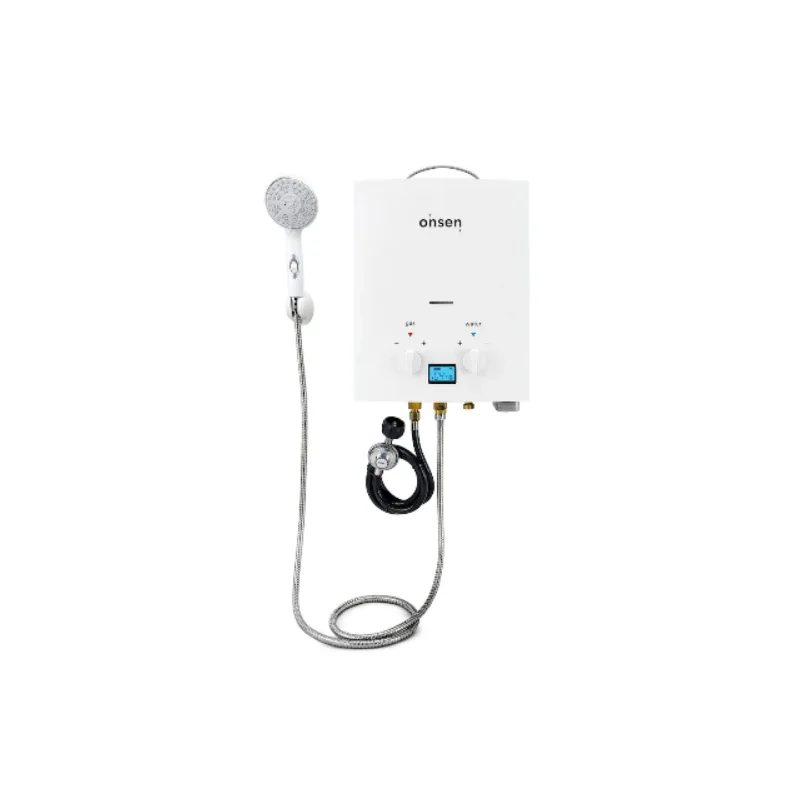
Tankless water heaters, also known as on-demand water heaters, represent a revolutionary approach to providing hot water for residential use. Unlike traditional tank heaters, which store a significant volume of heated water, tankless models heat water directly as it is needed. This efficiency is achieved through a powerful heating element that activates when a hot water tap is opened, ensuring that hot water is instantly available without the lag time often associated with tank systems.
One of the primary advantages of tankless water heaters is their space-saving design. They are typically much smaller than their tank counterparts and can be mounted on walls, freeing up floor space that is often critical in smaller homes or apartments. Moreover, energy efficiency is a considerable benefit; tankless systems only operate when hot water is requested, leading to potential savings on utility bills compared to traditional systems that constantly maintain water temperature.
Continuous supply of hot water is another significant feature, allowing homeowners to enjoy uninterrupted showers and appliance use without the concern of running out of hot water. However, this technology does come with its challenges. The initial upfront costs of purchasing and installing tankless systems can be higher than traditional heaters. Additionally, flow rates can limit the simultaneous use of hot water across multiple fixtures, necessitating the careful planning of installation to meet a household’s peak demand.
Regarding lifespan, tankless water heaters are designed to last longer than traditional tank units, typically offering up to 20 years of service with proper maintenance. Regular descaling and inspection can enhance their longevity and efficiency. Balancing these considerations will help homeowners make informed decisions regarding whether a tankless heater aligns with their hot water needs.
Comparing Costs and Savings
When evaluating the financial implications of selecting between tank and tankless water heaters, several factors merit consideration, including initial purchase and installation costs, as well as ongoing operating expenses. Generally, tank water heaters tend to be less expensive initially, with an average purchase price ranging from $250 to $1,000, while installation can add an additional $300 to $500. In contrast, tankless water heaters are typically more costly, with prices often reaching between $500 and $2,000, plus installation fees that can range from $1,000 to $1,500 depending on the complexity of the installation required.
Though tankless models carry higher upfront costs, they offer notable savings in the long run. Tank water heaters continuously heat and store water, leading to higher energy bills due to standby heat loss. Conversely, tankless water heaters heat water on demand, which can result in energy savings of approximately 30% over time. Homeowners can expect to see a reduction in their energy bills, translating to savings of approximately $100 to $300 annually, depending on usage and energy prices.
Additionally, many local and federal programs provide rebates or tax incentives for installing energy-efficient models, further enhancing the financial benefits of choosing a tankless water heater. Such incentives can reduce the effective purchase price, making the initial investment more palatable. For instance, a case study of a household that transitioned from a tank to a tankless system showed that after accounting for rebate savings, the net investment was recouped within five years through reduced energy costs.
Ultimately, while the upfront costs of tankless systems may deter some homeowners, the long-term savings, combined with potential incentives, make them a viable option worth exploring as part of the purchasing decision.
Making the Right Choice for Your Home
Choosing between tank and tankless water heaters is pivotal for ensuring your household’s comfort and efficiency. Various factors should guide this decision, primarily your household size and your family’s water usage patterns. Larger families typically require more hot water, making a tank heater’s storage capacity suitable in many cases, as it can provide a steady supply. However, smaller households with lower hot water demands may benefit more from the on-demand feature of tankless water heaters, which can serve the hot water needs without running out.
Space availability is also a critical consideration. Tank water heaters require more physical space for installation, while tankless models are compact and can often be mounted on walls, thereby saving valuable floor space. Assessing your home’s available room for installation will help determine which water heater type fits better into your architectural constraints.
Your budget may play a significant role in this decision as well. Initial costs for tank water heaters are generally lower, but bear in mind the long-term energy efficiency and savings that a tankless system may offer. Additionally, evaluate the existing plumbing and electrical systems in your residence. Older homes may lack the necessary infrastructure to support a tankless installation, necessitating further investments.
Maintenance requirements should not be overlooked either, as different systems will demand varied levels of care. Tankless models typically require descaling to prevent mineral buildup, while traditional tanks may need periodic flushing to remove sediment.
Ultimately, consulting with a professional can provide personalized recommendations tailored to your unique situation and ensure that the installation process adheres to local codes and standards. This informed approach will help you make the best decision for your home’s hot water needs.
Please Write Your Comments