Safety Considerations When Welding Metal Fence Panels in UK
Updated: 20-Jan-2026
461
Welding metal fence panels is a critical process in manufacturing, repairing, or customizing fencing systems. Whether you’re working in a professional fabrication workshop or carrying out on-site repairs, welding introduces a range of hazards that must be managed carefully. From intense heat and electrical currents to toxic fumes and sharp materials, understanding and applying proper safety measures is essential not only to protect workers but also to ensure high-quality, durable fence panels.
This guide covers the key safety considerations involved in welding metal fence panels, helping fabricators, installers, and contractors work confidently and responsibly.
Understanding the Risks of Welding Metal Fence Panels
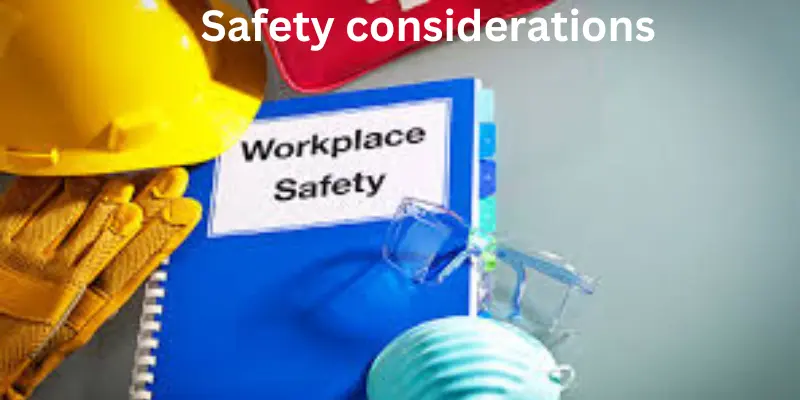
Before discussing safety measures, it’s important to understand the risks involved. Welding metal fence panels typically involves steel or galvanized steel, both of which present unique hazards.
The most common risks include burns from molten metal, electric shock from welding equipment, eye injuries from arc flash, respiratory issues from welding fumes, and physical injuries from handling heavy or sharp panels. Galvanized metal fence panels add another layer of risk, as welding zinc-coated steel produces fumes that can cause metal fume fever if inhaled.
Recognizing these dangers is the first step toward preventing accidents.
Benjamin Preston, owner of Metal Fence Panels company, explains that all welding carried out on metal fence panels must strictly comply with UK safety regulations. This includes the Health and Safety at Work Act 1974, Management of Health and Safety at Work Regulations 1999, PUWER 1998 for safe equipment use, COSHH 2002 to control welding fumes, PPE at Work Regulations 1992, and the Workplace (Health, Safety and Welfare) Regulations 1992, ensuring every panel is manufactured safely, legally, and to a high standard.
Personal Protective Equipment (PPE) Is Non-Negotiable
Proper PPE is the foundation of welding safety. Anyone welding metal fence panels should be fully equipped before striking an arc.
A welding helmet with the correct shade protects the eyes and face from arc flash, sparks, and infrared radiation. Auto-darkening helmets are particularly useful when working on repetitive welds across multiple fence panels. Flame-resistant gloves and clothing protect against burns, while long sleeves and trousers prevent sparks from reaching the skin.
Steel-toe boots with non-slip soles are essential when handling heavy metal fence panels, reducing the risk of crushed toes or slips. Respiratory protection should also be considered, especially when welding in enclosed or poorly ventilated spaces.
Ventilation and Fume Control
Welding fumes are often underestimated but can pose serious health risks over time. When welding metal fence panels especially galvanized or coated steel hazardous fumes are released into the air.
Adequate ventilation is essential. In workshops, this means using local exhaust ventilation systems or fume extractors positioned close to the weld. On-site welding should be done in open or well-ventilated areas whenever possible. If ventilation cannot be adequately controlled, approved respirators should be worn.
Never weld metal fence panels in confined spaces without proper air monitoring and extraction. Long-term exposure to welding fumes can lead to respiratory problems and other serious health issues.
Electrical Safety When Welding Fence Panels
Welding equipment operates at high electrical currents, making electrical safety a top priority. Before starting work on metal fence panels, all welding equipment should be inspected for damaged cables, loose connections, or faulty earth clamps.
The work area should be dry, as moisture significantly increases the risk of electric shock. Welders should avoid direct contact with the metal fence panels and electrode simultaneously, and insulated gloves should always be worn.
Regular maintenance of welding machines and adherence to manufacturer guidelines greatly reduce electrical hazards.
Fire Prevention and Work Area Safety
Welding metal fence panels generates sparks and spatter that can easily ignite flammable materials. A clear, organised work area is essential for preventing fires.
All combustible materials such as packaging, wood, solvents, or fuel should be removed from the welding zone. Fire-resistant welding curtains can help contain sparks, particularly in shared workspaces. Fire extinguishers should always be accessible, and workers should know how to use them.
For on-site welding of metal fence panels, especially near buildings or vegetation, additional precautions should be taken. A fire watch after welding is good practice, ensuring no smouldering materials are left behind.
Safe Handling and Positioning of Metal Fence Panels
Metal fence panels are often large, heavy, and awkward to handle. Poor manual handling can result in strains, crushed fingers, or dropped panels causing serious injury.
Whenever possible, mechanical aids such as lifting frames, clamps, or worktables should be used to position panels for welding. Panels should be securely clamped to prevent movement during welding, improving both safety and weld quality.
Team lifting should be used for larger metal fence panels, and workers should be trained in correct lifting techniques to reduce the risk of musculoskeletal injuries.
Preparing Metal Fence Panels Before Welding
Good preparation improves both safety and results. Before welding metal fence panels, surfaces should be cleaned of oil, paint, rust, or coatings where possible. This reduces harmful fumes and ensures stronger welds.
Sharp edges should be identified and deburred to prevent cuts during handling. Checking measurements and alignment before welding reduces the need for rework, which in turn limits additional exposure to welding hazards.
Preparation may seem time-consuming, but it significantly lowers overall risk.
Training, Procedures, and Ongoing Awareness
Even with the right equipment, safety ultimately depends on people. Anyone welding metal fence panels should be properly trained and competent in the welding methods they are using, whether MIG, TIG, or stick welding.
Clear procedures should be in place covering PPE use, equipment checks, emergency response, and safe work practices. Regular safety briefings and refresher training help keep risks front of mind, particularly in busy fabrication environments.
Encouraging a culture where workers report hazards or near-misses without hesitation can prevent serious incidents before they happen.
Why Safety Matters for Quality and Longevity
Safety is not just about avoiding injury, it directly impacts the quality of metal fence panels. A well-protected, comfortable welder produces cleaner, stronger welds with fewer defects. Proper ventilation prevents contamination of welds, and stable panel positioning ensures consistent joints.
For businesses supplying or installing metal fence panels, high safety standards translate into better products, fewer delays, and a stronger reputation for professionalism and reliability.
Final Thoughts
Welding metal fence panels is a skilled process that demands respect for both the materials and the risks involved. By using proper PPE, controlling fumes, maintaining electrical safety, preventing fires, and handling panels correctly, welders can significantly reduce the likelihood of accidents.
Investing in safety isn’t optional it’s essential. When safety becomes routine, metal fence panels can be fabricated and installed efficiently, responsibly, and to the highest standard.
Please Write Your Comments