How Roof Design and Materials Influence Long-Term Performance
Updated: 31-Dec-2025
262
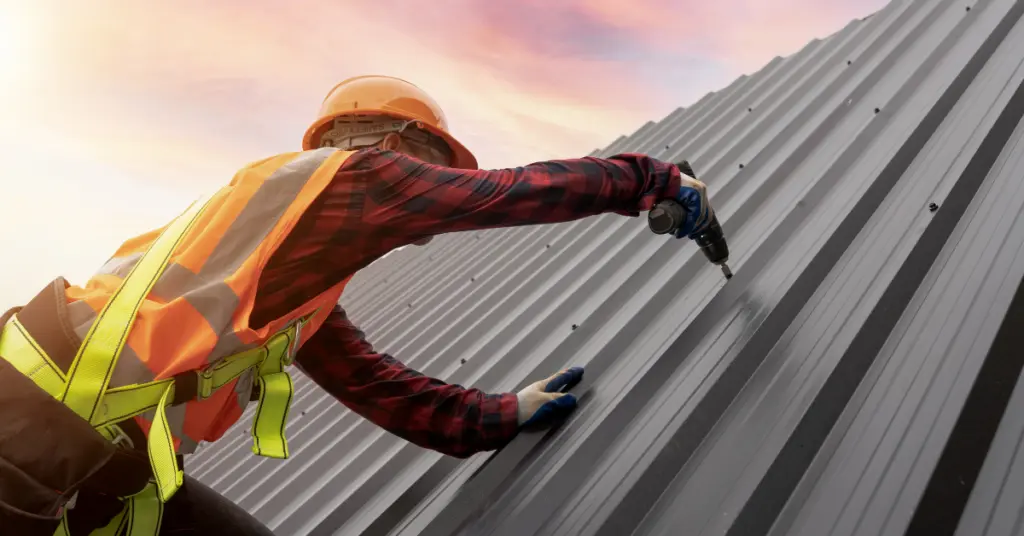
When people think about roof problems, weather is usually the first factor that comes to mind. While storms and heat certainly play a role, the design of a roof and the materials used are just as important in determining how well it performs over time. Many roofing issues stem not from sudden damage, but from design limitations or material fatigue that develop gradually.
Understanding how these elements work together can help homeowners better interpret early warning signs and make informed maintenance decisions.
The Role of Roof Slope and Drainage
Roof slope directly affects how water moves off a home. Low-slope or improperly pitched roofs tend to hold water longer, increasing the likelihood of moisture penetration. Standing water accelerates the breakdown of shingles, underlayment, and flashing, especially around valleys and roof penetrations.
Even well-installed roofs can experience problems if drainage paths become obstructed by debris or if gutters fail to direct water away from the structure. Over time, repeated exposure to slow-draining moisture weakens critical components and increases the risk of interior damage.
Why Roofing Materials Age Differently
Not all roofing materials respond to environmental stress in the same way. Asphalt shingles, for example, expand and contract daily due to temperature changes. This constant movement can cause cracking, granule loss, and adhesive failure as the roof ages. Metal roofs resist some of these issues but can develop fastener fatigue or seam separation if not properly maintained.
Tile roofs, while durable, can suffer from underlayment deterioration long before surface tiles show visible damage. In many cases, what appears to be a minor issue on the surface may indicate deeper material fatigue underneath.
Ventilation and Its Hidden Impact
Poor attic ventilation is one of the most overlooked contributors to roofing problems. Trapped heat and moisture can prematurely age shingles from the underside, causing them to curl or blister. Excess moisture can also lead to condensation, which damages roof decking and insulation without ever showing signs of an exterior leak.
Balanced ventilation helps regulate temperature, reduce moisture buildup, and slow material deterioration, extending the functional life of the roof system as a whole.
Maintenance as a Diagnostic Tool
Routine roof maintenance does more than preserve appearance—it reveals patterns. Repeated issues in the same areas often indicate design stress points rather than isolated incidents. Valleys, skylights, chimneys, and edge transitions are common examples where materials and structure interact in complex ways.
Recognizing these patterns early allows homeowners to address underlying causes through targeted Roof Repair rather than reacting to recurring symptoms.
Closing Perspective
A roof’s performance is shaped long before the first shingle is installed. Design choices, material behavior, ventilation, and drainage all influence how well it holds up over time. By understanding these factors, homeowners can better assess roof conditions, interpret subtle signs of wear, and take proactive steps before minor weaknesses escalate into larger structural concerns.
Please Write Your Comments