Maximizing Diesel Engine Performance Through Strategic Turbocharger Enhancement
Updated: 25-Sep-2026
13
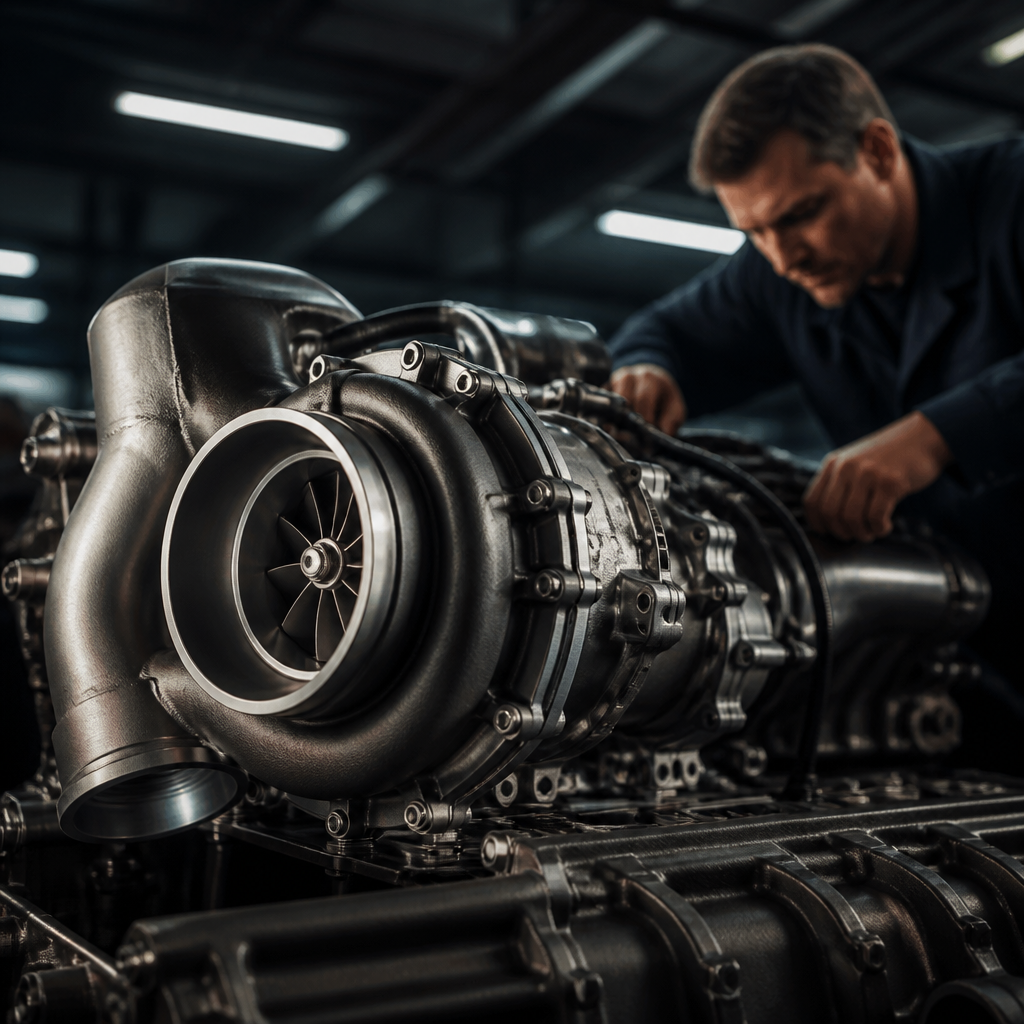
Diesel engines power the backbone of industrial work, from heavy machinery to agricultural equipment and commercial trucking. The turbocharger sits at the heart of diesel performance, forcing compressed air into the combustion chamber to extract more power from every drop of fuel. Yet many operators run equipment with stock turbochargers that leave significant performance on the table. Understanding when and how to enhance turbocharger systems can mean the difference between marginal output and optimized efficiency that pays dividends over thousands of operating hours.
The relationship between turbocharger capability and diesel engine output is direct and measurable. While gasoline engines rely on spark ignition, diesel engines compress air to extreme temperatures before injecting fuel, making forced induction not just beneficial but essential for modern performance standards. The turbocharger uses exhaust gases to spin a turbine that drives a compressor wheel, packing more oxygen molecules into the intake charge. This denser air allows more fuel to burn completely, generating additional torque and horsepower without increasing engine displacement. For professionals managing fleets or operating high-demand equipment, recognizing the signs that a turbocharger upgrade could benefit your operation becomes a valuable skill that directly impacts productivity and operating costs.
Recognizing When Your Turbocharger Limits Performance
Stock turbochargers are engineered for balance rather than maximum output. Manufacturers prioritize longevity, emissions compliance, and broad operating ranges over peak performance. This conservative approach serves most operators well under standard conditions, but falls short when demands increase. Several indicators suggest that a turbocharger has become the bottleneck in your diesel system. Excessive exhaust gas temperatures under load point to restrictions in the exhaust path, forcing the engine to work harder than necessary. Black smoke during acceleration indicates incomplete combustion from insufficient air delivery. A noticeable lag between throttle application and power delivery suggests the turbocharger struggles to build boost pressure quickly enough for responsive operation.
Learning how to upgrade a turbocharger requires understanding not just the component itself but the entire air delivery system that supports it. Every modification creates cascading effects throughout the engine management system, demanding careful consideration of fuel delivery, intercooling capacity, and structural durability before committing to changes.
Performance Limitations of Factory Specifications
Factory turbochargers typically feature smaller compressor and turbine wheels designed to spool quickly at low engine speeds, providing adequate response for everyday driving or standard work cycles. This design philosophy creates a ceiling on maximum airflow that becomes apparent when operators demand sustained high output. The compressor wheel reaches its efficiency limit earlier, generating heat rather than additional boost pressure. The turbine housing restricts exhaust flow at higher RPMs, creating backpressure that fights against the pistons during the exhaust stroke. These limitations compound under heavy loads or extended high-speed operation, reducing efficiency precisely when performance matters most.
Engineering Considerations for Turbocharger Selection
Selecting an appropriate turbocharger upgrade demands matching components to specific operating requirements rather than simply installing the largest unit available. Turbocharger sizing follows principles of compressor maps and turbine flow characteristics that determine where the unit operates efficiently. A turbocharger too small for the application will choke airflow and generate excessive heat. One too large will suffer from turbo lag, leaving a dead spot in throttle response that makes equipment difficult to operate smoothly. The ideal upgrade delivers improved flow capacity while maintaining acceptable spool characteristics for the engine’s typical operating range.
Compressor wheel diameter and blade design directly influence airflow capacity and efficiency. Larger wheels move more air but require more exhaust energy to accelerate, increasing lag time. Modern billet compressor wheels offer improved aerodynamics over cast designs, extending the efficiency range and raising the surge limit. Turbine housing selection determines how quickly exhaust gases accelerate the turbine wheel, with smaller A/R ratios providing faster spool at the cost of peak flow, while larger ratios support higher power levels with delayed response. The sweet spot depends entirely on how the equipment is used—agricultural tractors value low-end torque while highway trucks prioritize sustained high-speed efficiency.
Supporting Modifications for System Integration
A turbocharger upgrade rarely succeeds in isolation. The increased airflow demands complementary modifications throughout the intake and exhaust systems. High-flow air filters reduce restriction before the compressor inlet, ensuring the turbocharger receives unrestricted airflow. Upgraded intercoolers handle the additional heat generated by higher boost pressures, keeping intake temperatures down to prevent detonation and maintain power output. Exhaust manifolds and downpipes must handle increased flow without creating bottlenecks that negate the turbocharger’s improvements. Each supporting component must be sized appropriately to create a balanced system where no single element limits the others.
Operational Impact on Diesel Mechanics and Technicians
The professionals who maintain diesel equipment face increasing complexity as turbocharger technology advances. Diagnosing turbocharger issues requires understanding not just mechanical components but electronic boost control systems, variable geometry mechanisms, and integration with engine management computers. Technicians must distinguish between symptoms caused by the turbocharger itself versus problems in supporting systems—a plugged diesel particulate filter can mimic turbocharger failure, while a failing wastegate actuator produces symptoms identical to a worn turbo bearing. This diagnostic complexity elevates the skill requirements for diesel mechanics beyond basic mechanical aptitude.
Those pursuing careers in diesel service find that expertise in forced induction systems significantly impacts earning potential and employment opportunities. Understanding turbocharger operation, maintenance, and upgrade paths creates value for employers managing modern diesel fleets. The knowledge required extends from basic thermodynamics and fluid dynamics to practical skills in machining, fabrication, and electronic diagnostics. For professionals interested in this field, exploring compensation trends for diesel mechanics reveals how specialized skills in areas like turbocharger systems command premium wages in industrial and transportation sectors where downtime carries substantial costs.
Optimizing Overall Diesel Engine Efficiency
Turbocharger performance exists as one element within the larger context of diesel engine efficiency. Even the finest turbocharger delivers marginal benefits if other aspects of engine operation remain neglected. Fuel quality, injection timing, compression ratio, and combustion chamber condition all influence how effectively an engine converts fuel into work. Regular maintenance prevents the gradual degradation that robs power and efficiency over time. Air filter service intervals directly affect turbocharger performance—a restricted filter forces the compressor to work harder, generating excess heat and reducing efficiency. Oil quality and change intervals determine whether turbo bearings receive adequate lubrication at the extreme speeds and temperatures they endure.
Operators serious about maintaining peak diesel performance should understand that turbocharger health depends on the entire lubrication system. Turbos spin at speeds exceeding 100,000 RPM on bearings cooled and lubricated solely by engine oil. Contaminated oil introduces abrasive particles that erode bearing surfaces, while degraded oil fails to form adequate protective films under extreme pressure and temperature. The moments immediately after shutdown present particular risk—residual heat continues to bake stationary oil, forming deposits that restrict flow during the next startup. Many performance-oriented operators install turbo timers or observe cooldown periods before shutdown, allowing bearings to stabilize temperature while oil continues circulating. These practices extend turbocharger life significantly, protecting the investment made in upgraded components.
Broader Diesel Performance Management
Comprehensive diesel performance extends beyond forced induction to encompass fuel system cleanliness, proper operating temperatures, and preventive maintenance schedules aligned with actual operating conditions rather than arbitrary calendar intervals. Professional guidance on diesel engine operation emphasizes that performance gains from any single modification only materialize when the entire system operates within design parameters. Load management prevents overworking equipment beyond thermal limits, while proper warm-up procedures ensure oil reaches operating viscosity before demanding full power. These fundamental practices protect expensive components while ensuring that performance modifications deliver their intended benefits across the equipment’s service life.
Strategic Implementation for Performance Goals
Goldfarb Inc. brings decades of forced induction expertise to the diesel performance market, offering components engineered for durability under demanding operating conditions. Their approach emphasizes matching turbocharger specifications to real-world applications rather than pursuing dyno numbers disconnected from practical use. The company’s technical resources help operators understand the relationship between turbocharger selection and specific performance goals, whether those involve improving towing capacity, reducing fuel consumption at highway speeds, or eliminating power loss at high elevation. This application-focused perspective ensures that upgrades deliver tangible benefits rather than simply increasing peak numbers that may never appear during normal operation.
The technical support infrastructure surrounding turbocharger upgrades often determines success as much as component quality. Detailed installation instructions, appropriate gasket kits, and access to knowledgeable technical staff help avoid the trial-and-error approach that characterizes many performance projects. Understanding proper break-in procedures, boost control setup, and system tuning separates professional installations from problematic ones. The investment in upgraded turbocharger systems only pays dividends when supporting modifications, tuning, and operational practices align with the increased capability.
Long-Term Reliability Considerations
Performance improvements must balance immediate gains against long-term durability. Increasing boost pressure and airflow creates additional stress on pistons, connecting rods, head gaskets, and transmission components. Conservative upgrades that remain within the safety margins of factory components typically deliver reliable service, while aggressive modifications demand reinforcement of multiple engine systems. Understanding these limits prevents catastrophic failures that erase any performance advantages. Monitoring exhaust gas temperatures, boost pressure, and air-fuel ratios provides early warning when systems approach dangerous thresholds, allowing operators to adjust before damage occurs.
The most successful turbocharger upgrades follow a measured approach that prioritizes consistency over peak output. Equipment used in commercial applications cannot afford unexpected failures or frequent maintenance interventions. Selecting components with appropriate safety margins, maintaining rigorous service schedules, and operating within established parameters ensures that performance improvements enhance productivity rather than creating new maintenance burdens. This philosophy recognizes that diesel equipment represents a capital investment expected to deliver reliable service across years of demanding use, where longevity ultimately matters more than theoretical maximum capability.
Please Write Your Comments