How Does Foothills Wind Wear Down Garage Doors in Lakewood?
Updated: 9-Sep-2026
39
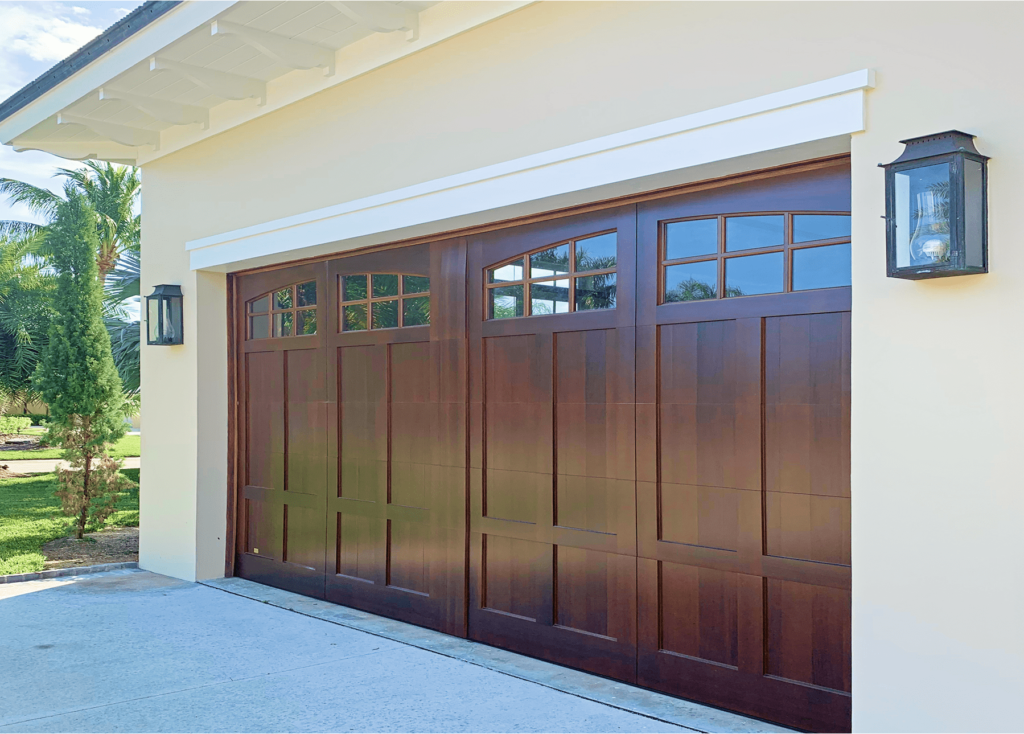
Anyone who has lived in Lakewood through a windy stretch knows the sound. Gusts come rolling off the foothills, patio furniture migrates, and somewhere down the block a garage door rattles like it’s applying for a percussion job.
That rattle is more than an annoyance. Wind works on a garage door a little at a time, loosening what was tight and widening what was snug. For homeowners with older doors, it’s often the slow push toward looking into garage door installation in Lakewood, CO sooner than they’d planned.
So what does all that air actually do to a door? It leaves clues, and they’re easy to spot once you know them.
Why Is Wind So Hard on Garage Doors?
A garage door is the biggest opening on the house and one of its thinnest surfaces, which makes it the first thing sustained wind leans on. Gusts push, let go, and push again, flexing panels and hardware over and over until fasteners loosen and parts drift out of line.
A Big Surface That Catches Every Gust
Sails work because wide, light surfaces catch moving air. A garage door is basically a sail that never comes down. Every windy afternoon flexes it slightly, and those small flexes add up across seasons.
Pressure From Both Sides
Wind doesn’t just push against the outside. It also pulls, and it forces air through gaps around the frame. That back-and-forth stress is hard on panels, hinges, and the track system holding everything in place.
What Does Wind Damage Look Like on a Garage Door?
Wind damage usually shows up as noise, gaps, and movement where there wasn’t any before. A door that rattles in its tracks, lets daylight through at the edges, or shudders during operation is showing early wear. Left alone, those small symptoms can grow into a door that binds or drifts off track.
Rattles, Gaps, and Daylight
Fresh weather seals hug the floor and frame. Worn ones let in drafts, dust, and thin lines of daylight at the edges. If the garage feels breezier than it used to, the sealing has likely given ground.
Doors That Shift and Shudder
Watch the door move on a calm day.
- Shaking or wobbling partway through its travel
- New scraping or banging sounds
- A panel that looks slightly bowed or wavy
- Corners that no longer sit flush against the frame
Any of these after a windy season is a sign the hardware deserves a closer look.
How Can Lakewood Homeowners Protect Their Doors?
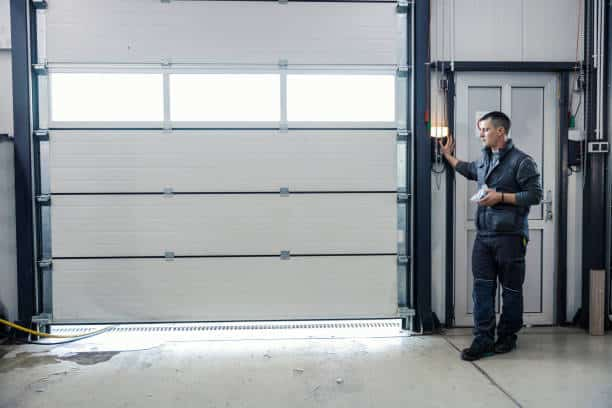
Protection comes down to fresh seals, tight hardware, and a technician’s regular inspection after the worst weather. None of it is glamorous, but small upkeep is what keeps a gusty week from turning into a stuck door on a workday morning.
Seals That Still Seal
Weatherstripping is the door’s first line of defense against driven air and grit. When it cracks or flattens, replacing it restores the barrier and quiets the whole system down. It’s one of the quickest fixes in the whole garage, and one of the most noticeable.
Hardware Checks After a Gusty Week
Hinges, rollers, and brackets loosen gradually under vibration. A technician can tighten everything back down and spot parts that are wearing early, which is far easier than dealing with a door that has already drifted out of alignment.
When Reinforcement Makes Sense
Some doors in gustier pockets of town benefit from sturdier bracing that helps panels resist flexing. A professional can look at your specific door and say whether it’s a good candidate or whether the door is fine as it stands.
When Is a New Door the Smarter Move?
When a door needs constant tightening, shows bowed panels, or predates the current owner by a wide margin, replacement often beats another round of patch-up repairs. Lakewood has plenty of older homes, and many still run their original doors long past their best years.
Age and Wear Add Up
An older door that has flexed through decades of gusty seasons is working with tired panels and dated hardware. At some point each fix buys less time than the one before it. Constant rattling is often the door’s way of saying the fight is nearly over.
What Newer Doors Handle Better
Newer doors are built with stiffer construction and better sealing than the ones they replace. For homes that take the brunt of foothills wind, that sturdiness means less rattle, less drift, and fewer surprise service calls.
Wind Is Constant Here, Door Trouble Doesn’t Have to Be
Lakewood’s wind isn’t going anywhere. The doors that shrug it off are the ones that get fresh seals, tight hardware, and warning signs taken seriously instead of ignored.
The next windy night is a good reminder. If the door rattles, gaps, or shudders, have a professional tell you whether it needs a tune-up or whether it’s simply reached the end of its run.
2650 Youngfield St STE 6, Lakewood, CO 80215
303-228-9049
Please Write Your Comments