Recovery Includes Rebuilding Your Emergency Fund Early
Updated: 4-Sep-2026
32
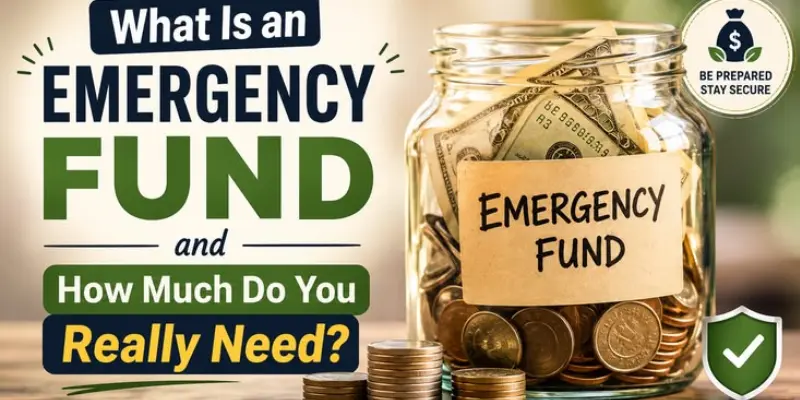
Start Your Comeback Fund Before You Feel Ready
When people talk about financial recovery, the conversation usually goes straight to paying off balances, fixing credit, and catching up on bills. Those things matter, of course. But there is another move that often deserves a much earlier spot in the recovery process: rebuilding your emergency fund.
That can feel backward at first. If you are still cleaning up debt from a hard season, setting money aside may seem almost irresponsible. Still, this is where a practical reset matters. If every surprise expense sends you back to a credit card, a payday loan, or even another debt relief service, then recovery stays fragile. It may look better on paper for a moment, but it is not stable yet.
A stronger way to think about recovery is this: debt payoff repairs the past, while an emergency fund protects the future. Real progress usually needs both. In many cases, building a small cash buffer early is what keeps your recovery from falling apart the next time life gets expensive.
Why Early Savings Changes the Whole Recovery Process
A lot of people treat emergency savings like the final level of financial health. First you pay off debt, then you save. But real life does not wait politely for your plan to be complete. Cars break down. Kids need medicine. Hours get cut at work. A pet ends up at the vet. If you have no cash set aside, every one of those moments becomes a new debt event.
That is why rebuilding your emergency fund early is not a distraction from recovery. It is part of recovery.
Think of it like putting a brace on a healing ankle. You are still recovering, but you are also trying not to get hurt in the exact same way again. An emergency fund does that for your finances. It reduces the odds that one bad week turns into six more months of digging out.
This is especially important after a crisis. When you have recently gone through job loss, medical bills, divorce, a move, or a period of missed payments, your financial system is usually still tender. Even a modest savings cushion can create breathing room and buy you time to make better decisions.
Your First Goal Is Not Perfection
People often hear that an emergency fund should cover three to six months of essential expenses. That is a solid long term target, and it is widely recommended in personal finance guidance. But if that number feels huge, do not let it freeze you.
The first goal is not a perfect emergency fund. The first goal is a useful one.
A starter fund of a few hundred dollars can already change your options. One thousand dollars can cover many common emergencies. From there, you can work toward one month of essential expenses, then gradually build toward the larger three to six month range. The key is to treat the first layer of savings as urgent, not optional. The FDIC emphasizes setting savings goals and using automatic savings habits to build for unexpected expenses, which fits well with a recovery plan that starts small and grows steadily over time. FDIC guidance on saving for the unexpected can help frame that approach.
In other words, do not wait until you feel financially impressive. Build protection while your finances are still ordinary, messy, and in progress.
Base the Fund on Essential Expenses, Not Your Full Lifestyle
One reason emergency funds feel impossible is that people calculate them using everything they spend in a month. That number can be discouraging fast. A better approach is to focus on essential living expenses only.
That usually includes housing, utilities, groceries, insurance, transportation, minimum debt payments, and necessary health costs. It does not need to include every subscription, dining habit, entertainment expense, or travel plan. Your emergency fund is meant to keep life functioning during disruption, not to preserve every convenience exactly as is.
This shift does two helpful things. First, it gives you a more realistic target. Second, it reminds you what the fund is actually for: resilience. If your essential monthly costs are lower than your total spending, your emergency target may be more reachable than you think.
That is also why many experts recommend storing emergency money separately from everyday checking. A dedicated account reduces the temptation to treat it like casual spending money and makes it easier to measure real progress.
Recovery Gets Stronger When Cash and Debt Work Together
There is a common trap during financial recovery: sending every extra dollar to debt while keeping nothing in reserve. On paper, that can look disciplined. In practice, it can be risky.
If you put all available money toward balances and then get hit with an unexpected repair, you may have to borrow again immediately. Now you have less debt in one place, but fresh debt somewhere else. Emotionally, that can feel exhausting. It can also make people give up because they stop trusting their own progress.
A more durable strategy is often to do both at the same time. Keep making required debt payments. If possible, direct some money toward high interest balances. But also carve out a consistent amount for emergency savings, even if it is small. That split approach can feel slower, yet it often creates better long term results because it prevents repeat setbacks.
Financial preparedness is not only about cash in an account, either. FEMA’s Emergency Financial First Aid Kit encourages households to organize important financial records and account information before a crisis, which is a useful reminder that recovery also depends on being able to act quickly when something goes wrong. FEMA’s Emergency Financial First Aid Kit is a strong resource for that side of preparation.
Make the Fund Hard to Ignore and Easy to Build
If you want this fund to grow, remove as much decision making as possible.
Set an automatic transfer right after payday, even if it is modest. Move irregular income, such as tax refunds, side work, rebates, or gift money, into the fund before it gets absorbed into daily spending. If your budget is tight, look for temporary cuts rather than permanent deprivation. A few months of reduced convenience can create a longer lasting sense of safety.
It also helps to rename the account. “Emergency Fund” is fine, but something like “Keep Us Out of Debt” can be even more motivating. The clearer the purpose, the easier it is to protect.
And if you need to use the money, use it without guilt when a true emergency happens. That is what the fund is for. The important part is to restart contributions as soon as things stabilize.
What Rebuilding Really Means
Rebuilding your emergency fund early is not just a savings tactic. It is a mindset shift. It says your future problems do not deserve a credit card by default. It says recovery is not only about catching up, but also about becoming harder to knock over.
That is the part many people miss. Financial recovery is not complete when the crisis ends. It becomes real when the next crisis shows up and does less damage.
So yes, pay down debt. Yes, clean up the past. But as you do, start rebuilding the cash buffer that helps protect everything you are working for. The emergency fund is not a luxury reserved for people who already have it together. It is one of the tools that helps people get there.
Please Write Your Comments